Sustainable Landscapes

Additional University of Delaware Resources

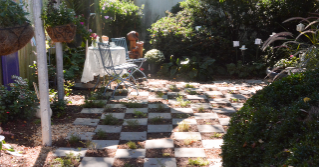
Sustainable Landscapes on UD campus – Take this virtual tour to see examples of sustainable landscapes on the University of Delaware campus.
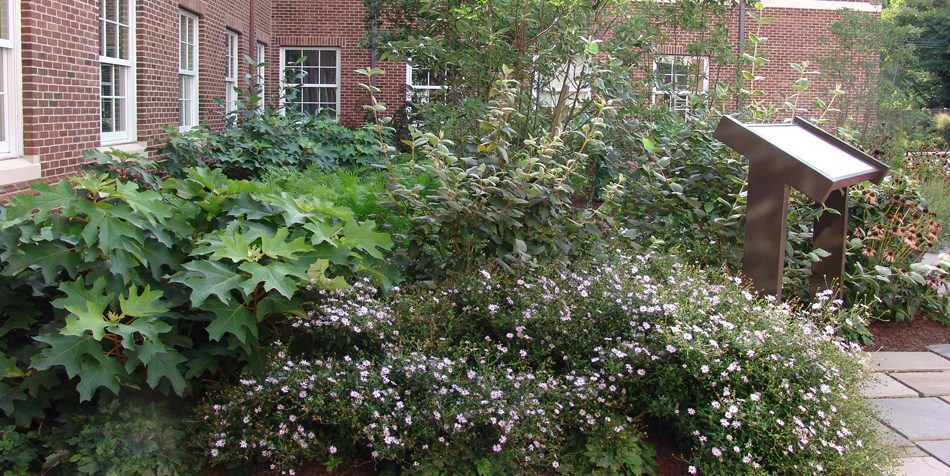
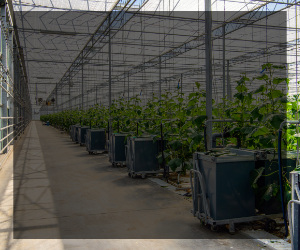
Plants growing in Fischer Greenhouse

While "sustainability" may be the buzz word of the new century, managing the landscape as a stable and productive ecosystem that conserves the physical and biological processes occurring on that landscape is the best way to ensure future generations will have the ecosystem services (clean air, water and biodiversity) they need to survive. The links below provide information about how to practice sustainable landscaping and where to see examples of sustainable landscapes.

Landscape Publications


Plants for a Livable Delaware Series

This series of brochures were developed to educate Delawareans about the problem of invasive plants in the landscape.  Plants on the Delaware Invasive Species List that are still bought and sold in the nursery and landscape industry are highlighted in “Plants for a Livable Delaware” and at least 10 alternative plants are suggested to replace the popular invasive plant found in many home landscapes.  Control recommendations for removing troublesome invasive plants are covered in “Controlling Backyard Invaders.”  In “Livable Plants for the Home Landscape,” plant combinations are suggested that fill specific landscape niches, such as forest edges, sunny slopes and small garden spaces.  Finally, “Livable Ecosystems: A Model for Suburbia” shows how to plant and manage rain gardens, meadows, forests and other landscape plantings that provide valuable ecosystem services.

Public Perception

Anne Lucey Plant and Soil Sciences University of Delaware Newark DE 19716 Telephone: 302-740-1979 aklucey@udel.edu (Corresponding Author)

Susan Barton, Ph.D. Plant and Soil Sciences  University of Delaware Newark, DE 19716 Telephone: 302-831-1375 sbarton@udel.edu

October 29, 2010

6,184 words

(Abstract: 248, Manuscript: 4904, References: 1032) + 4 figures (4 x 250words) = 7,184 words


ABSTRACT

Sustainable roadside vegetation management strategies limit the amount of non-native turf grass and include meadows of native warm season grasses and/or flowering perennials, and masses of native shrubs and trees. Sustainably managed roadsides can contribute to a matrix of economically conservative, environmentally responsible and aesthetically pleasing landscapes. Implementation of sustainable strategies may result in cost savings, better water quality and hydraulic conductivity, improved safety measures, increased biodiversity, benefits to the socioeconomic health of the state and conformity to state and federal legislation. Sustainable strategies only provide optimal cost savings and enhancement of environmental stewardship when implemented consistently. Aesthetically, sustainable landscapes often represent a departure from the traditional expectation of how a roadside landscape should appear. Lacking an awareness of the inherent values present in sustainably managed roadsides, the public is often hesitant to accept this atypical, and oftentimes less manicured aesthetic, causing many Department’s of Transportation (DOTs) to revert to traditional management regimes. Many state DOTs maintain active ties to the public and political communities of their state and acquiesce to the wishes of these communities when appropriate. Because they are often called upon to defend their design, management and operating procedures, DOTs have a new role in raising awareness, assessing perception and informing the public about the benefits associated with sustainable roadside vegetation management strategies. This article examines the evolution of the roadside landscape and various approaches towards vegetation management from the birth of the road network to today’s strategies, which include benchmarks set for sustainability.


INTRODUCTION

This literature review seeks to present a comprehensive exploration of the surface transportation system in the United States including: roads and their rights-of-way, the history of roadside vegetation management strategies, policy and roadside vegetation, benefits associated with sustainable vegetation management strategies, public perception of roadside landscapes, the impact of information relevant to the roadside landscape on public perception and, the Delaware Department of Transportation’s (DelDOT) experimentation with sustainable strategies. This research was conducted prior to an experimental survey, which was designed to measure the success of interpretive techniques in influencing public perception of sustainable roadside vegetation management strategies; strategies that have been explored by the Delaware Department of Transportation over the past 10 years. Methodology and data derived from this study will be considered for future publication.


ROADS AND THEIR RIGHTS-OF-WAY

Roads consume many miles of land and leave in their path vast tracts of rights-of way that must be safely and efficiently managed and maintained in a manner that complies with state and federal regulations. With over 8 million acres of land in the United States devoted to roadways and an additional 12 million more devoted to their rights-of-way (1), U.S. Departments of Transportation (DOTs) are positioned as leaders in stewardship of public land.  In their most utilitarian form, roads facilitate the transport of people, goods and services. However, they also play a pivotal role in community and economic development by connecting people and places. The 20th Century triumph of the automobile eased movement along greater distances while providing a convenience not previously afforded. The birth of suburbanization, an influential byproduct of the automobile’s success, resulted in a need for more roads producing factors which contributed to the creation of the complex web of primary, secondary and tertiary roads that comprise the surface transportation system in the U.S. today

A highway with colorful treetops on the side
Figure 1

(2). FIGURE 1 Seasonal vegetation along a heavily traveled interstate corridor provides a scenic background for travelers while serving as an important reserve of regional biological diversity. When managed for sustainability, roadside vegetation can contribute to better water quality and conductivity (3) (4), increased diversity of insect life (5) (6) and cost savings (7) (4), while also benefiting the socioeconomic health of the state (8). Sustainably managed roadsides reduce the amount of non-native mown turf and include meadows of native warm season grasses and/or flowering perennials, and masses of native shrubs and trees. However, sustainable strategies only provide optimal cost savings and enhance environmental stewardship when implemented consistently.  Many state DOTs maintain active ties to the public and political communities of their state and acquiesce to the wishes of these communities when appropriate. Lacking an awareness of the intrinsic values present in sustainably managed roadsides, the public is often quick to criticize, which frequently prompts DOTs to revert to more traditional mowing regimes.

HISTORY OF ROADSIDE VEGETATION MANAGEMENT STRATEGIES

Efficient roadside vegetation management strategies have been desired since roads assumed their place as a dominant feature on the modern landscape. In the 1930’s, Jesse Bennett’s book Roadsides, The Front Yard of the Nation, proposed “attractive and useful roadsides which can be obtained by preserving or creating a natural or an approach to a natural condition in keeping with the adjacent or surrounding country” (9). Unfortunately, it was the title of his book, not his words that became the unofficial policy as roads began to carve their paths across America, yielding an expensive, resource and labor-intensive, unsustainable cycle of turf management that persists eighty years later.  In the 1960’s highway beautification and conservation of natural resources joined the list of objectives required of roadside vegetation managers as President Lyndon Johnson announced his beautification initiative by stating, “I want to make sure that the America we see from these major highways is a beautiful America.” Alongside his wife, Ladybird Johnson, the President and First Lady crusaded for roadside enhancement. Mrs. Johnson’s voice became a preeminent force stressing the fundamental importance of regionally appropriate materials, including native plants and wildflowers. Mrs. Johnson’s cause was more than just a movement to promote aesthetic beauty for highway travelers (10). Her ideas sparked a transcendent movement emphasizing the ecological necessity of roadside conservation. She played an integral role in the successful passage of the Highway Beautification Act of 1965, which emphasized natural beauty and ecological stewardship in federally funded projects (11). The Highway Beautification Act was the inaugural event that placed significance on the vitality of the natural world as it relates to the vein of transportation, the multifaceted system that carries us in our daily activities.  During the late 1980’s and early 1990’s, researchers began to investigate the strengths and challenge the weaknesses of the wildflower movement in North America. They found many unsustainable attributes to this approach including: seed mixes were often short lived, DOTs were frequently using annuals which require yearly re-planting, the need for herbicidal control was high, and often native species, high in potential but perceived as weeds, were being overlooked for their exotic and non-native cousins (12).    Currently, national trends of sustainable roadside vegetation management strategies encourage an integrated design approach addressing: reduction of expenditures, minimization of maintenance, incorporation of regionally appropriate vegetation and utilization of Context Sensitive Solutions. Context Sensitive Solutions promote the preservation of scenic, aesthetic, historic and environmental resources while maintaining safety and mobility along transportation corridors (13). The desired result of these objectives is the protection and enhancement of the overall corridor, which includes roadside rights-ofway.  In 1996, Delaware launched Enhancing Delaware Highways (EDH) to examine the benefits and liabilities of an alternate roadside vegetation management strategy. Since the EDH project began, Delaware has successfully replaced large swaths of turf along roadside rights of way with a variety of sustainable vegetation strategies including: meadow, meadow with a mown margin, meadow supplemented with native flowering perennials, and native shrub and tree masses. While some Delaware residents have embraced the sustainably managed roadsides, there remains evidence of a lack of acceptance for this new roadside aesthetic based on recent articles in the popular press, letters to the editor, personal communication with DelDOT officials and the results of a 2005 University of Delaware Comprehensive Mail Survey (8). A New York Times journalist interviewed several people who did not support Delaware’s forward thinking roadside vegetation efforts. One reader commented, (the native grasses) “just look awful” (14). Several of The News Journal’s letters to the editor, blasted DelDOT for their reductions in mowing along the roadside (15). The next step in widespread implementation of more sustainable roadside vegetation management, which will save money and enhance the environment, is to determine and secure public acceptance. 

Signage used by DelDOT to inform the public of efforts to enhance Delaware’s roadways.
Figure 2

FIGURE 2 Signage used by DelDOT to inform the public of efforts to enhance Delaware’s roadways. A related strategy that has garnered significant attention among roadside managers is Integrated Roadside Vegetation Management (IRVM). IRVM incorporates the use of native plants and contextually appropriate management strategies including controlled burns, competitive plantings and selective use of herbicides to manage invasive weeds (16). IRVM has produced successful results in many states including, Arkansas, California, Florida, Illinois, Iowa, Maryland, Minnesota, New York, Ohio, Pennsylvania, Washington, Wisconsin and Texas (17). In Iowa for example, IRVM has led to a 70-90% reduction in herbicide use, a substantial reduction in costs for ditch clean-outs, and cost savings resulting from a reduction in mowing and brush control (16).

SUSTAINABLE ROADSIDE VEGETATION MANAGEMENT AND ASSOCIATED BENEFITS

Adherence to economic, environmental and contextual goals set forth in state and federal policy insures that roadsides, managed for sustainability, contribute to a matrix of shared benefits for present and future generations including: cost savings, better water quality and hydraulic conductivity, increased bio-diversity and an improved socioeconomic health of the state. Economic benefits In 2009, Delaware was one, among many states, required to trim their mowing budget as a result of reduced income generated from fuel taxes amid an economic recession and, a shift towards more fuel-efficient vehicles.

Since DelDOT relies heavily upon the revenue generated from fuel taxes for their operating budget (25), this strain contributed to a 25% reduction of mowing along roadside rights-of-way (Roumillat, unpublished data). By diversifying their strategy, including the release of turf from routine mowing, establishment of meadows- either of warm season grasses or native flowering perennials, or stands of native shrubs and trees, DelDOT can decrease or redirect their mowing expenditure while increasing the aesthetic value of areas released. One acre of turf grass mown eight times per year costs approximately $3480 to maintain; while one acre of meadow, mown annually costs $435 to maintain and $870 if mown biannually as some meadows require (7). By altering their vegetation management strategy along rights-of way, DelDOT could save $2610 to $3045 per acre in maintenance costs for every acre currently vegetated with turfgrass.

If DelDOT took between 500 and 1000 acres of roadside out of routine mowing, the state could save between $1,305,000 and $3,045,000 per year, which would allow DelDOT to substantially reduce or redirect their operating budget.  The financial advantages gained with sustainably managed roadsides warrant judicious widespread consideration given the contemporary economic climate. In 2008, DelDOT spent over $3.4 million dollars mowing roadside rights-of-way in Delaware, the nations second smallest state (26). There exists sufficient evidence to support the economic practicality of varying mowing practices, however, a paradigm shift among roadside engineers and managers must first occur (27). Maintenance staff, trained to mow turf, must be retrained to develop the skills necessary to manage un-mown rights-of-way, such as species identification and selective herbicide application (8). Improved hydrology and erosion control

Recent ecological goals of roadside vegetation management strategies have called for reducing erosion and sediment flow and improving hydrology (4). Vegetation serves as a cost effective yet, aesthetically pleasing way to achieve these two objectives. Appropriately chosen vegetation, such as native warm season grasses, help stabilize the soil surface to reduce stormwater erosion and sedimentation activity from occurring. These two phenomenon continue to present a serious problem, resulting in water quality problems, which damage not only fish and wildlife, but also threaten public health, welfare and safety (28).

Because of the deep and/or fibrous root systems present in many native grasses and forbs, they act as an efficient soil stabilizer and increase infiltration by providing deeper channels for water penetration more efficiently than shallow-rooted turf grass (29). Vegetation not only serves as a barrier, but, provides phytoremediation of organic pollutants and increases the amount of organic carbon in the soil which, in turn, stimulates beneficial microbial activity (30).

Although the Chinese have been using soil bioengineering since 28 B.C., modern solutions have relied on concrete and steel to control erosion (31). Soil bioengineering relies on the use of plant materials to provide erosion control, slope and stream bank stabilization, landscape restoration and wildlife habitat (32). Each of these contributes to the safety and efficiency of a balanced transportation corridor. Unlike plants, steel and concrete corrode and break down over time with exposure to weather. Plants however grow stronger as vegetation becomes established. Even after their life cycle is complete, plant’s roots and surface organic matter play an important function as new plants begin to re-establish (31). 

In 2008, the United States National Research Council identified urban stormwater as a leading source of water quality problems in the US (33). When stormwater and snowmelt cannot percolate into the earth, it runs off onto roads where it absorbs petroleum and other harmful toxins before making their way into the water supply. Native grasses have been shown to capture precipitation better than mown turf and their deep roots provide deeper channels to help runoff infiltrate more efficiently into the soil (10).

By increasing infiltration and decreasing surface runoff, fewer toxins are deposited into local water supplies.    Vegetation is the most critical factor influencing erosion and provides the following six major benefits: (4). 

• Reduces raindrop impact

• Reduces runoff velocity

• Provides, via the fibrous root system, structural integrity to the soil

• Filters chemical pollutants and sediments from runoff

• Increases water infiltration into the soil

• Increases evapo-transpiration, the vertical movement of water to air Increased biodiversity Marginal habitats, such as roadsides are particularly important for the conservation of biodiversity.

These landscapes serve as an important ecological reserve for wildlife habitat. Animals can be attracted to transportation corridors for any number of reasons, but most are related to habitat, ease of movement and food availability (4) (10).

A 2008 study found roadsides, when restored to native prairie vegetation, provided valuable habitat for bees, our most important group of pollinators. Significantly greater bee abundances and increased species diversity were found in prairie roadsides when compared to weedy roadsides due to floral abundance and floral richness. Hopwood suggests that native plant restoration will positively affect bee communities and roadside restoration may add valuable bee habitat (5).

A similar study conducted in 2001, found the Conservation Value of Roadside Prairie Restoration to Butterfly Communities. This study showed a two-fold increase in species richness of habitat sensitive butterflies in prairie compared with grassy or weedy roadsides (p <0.0001) and a five-time increase in abundance in prairie, compared with grassy roadsides (p <0.02).

This study further concludes that roadside restoration benefits butterfly populations despite instances of road-killed butterflies. Relative numbers indicated that mortality risk was more than double along grassy corridors (mown-turf) (p<0.0001) than along weedy or prairie roadsides. Tracking studies showed that butterflies were less likely to exit prairie roadsides than they were weedy or grassy roadsides (6).   

By efficiently utilizing land already precluded from development, DOTs could significantly help restore ecological balance to disturbed areas, a fundamental element of a diverse and functional ecosystem (5). Socio-economic health  Aesthetically pleasing, native roadside environments can help identify a states individual sense of place. While many different definitions about sense of place abound, most agree it is primarily reflective of the landscape experience and the human influenced impact upon the land. 

The roadside environment is one of the most frequently experienced landscapes in this country (34). Roadside rights of-way are often the first and last views a traveler sees of a state. So, in order to promote the visual appeal of a state, and to attract and encourage visitors to the state, attractively managed roadsides are imperative. Research has shown that if the roadside environment does not provide an aesthetically pleasant travel experience, tourists would not stay and spend their money in the communities along the way (35).

A significant portion of many state’s economies are dependent upon tourism and hospitality. In 2008, Delaware experienced more than 8.1 million visitors who contributed about $1.5 billion dollars to the state’s economy (36). Attracting and maintaining this vital source of revenue ensures the livelihoods of many individuals and contributes to the overall socioeconomic health of the state. Generating state revenue from tourist dollars is not exclusive to specific states and can be applied broadly.  Safety and roadside vegetation DelDOT’s mission is to provide a safe, efficient, and environmentally sensitive transportation system (37).

Roadside landscapes are designed with safety as the top priority, while roadside aesthetics and environmental stewardship play an important role within safety parameters. Within the rights-of-way of transportation corridors, vegetation can provide a wealth of safety functions, in addition to creating an attractive and functional groundcover (7).

The following list outlines safety functions that can be provided by appropriately placed roadside vegetation:

• Properly sited, shrubs or tall grasses can shield headlight glare from oncoming vehicles while larger plants such as trees, can help block sun glare during certain times of the day.

• Recent studies have actually shown shrubs can absorb some of the kinetic energy of errant cars and reduce the chance of human injury or fatality (37).

• Diverse types of woody vegetation reduces the monotony of mown turf roadsides (38) • Plantings that reduce monotony can provide a visually varied experience and help drivers remain alert and aware (7) (38) (39)

• Vegetation that does not require routine mowing eliminates the need to operate heavy machinery on steep or difficult to mow sites.

• Vegetation can provide a physical and visual buffer between pedestrian and vehicular traffic.

• Properly sited plants can indicate a change in direction along roads before a turn is visibly evident giving drivers time to anticipate the turn and slow to a safe speed. A body of research exists to support the restorative effects roadside vegetation can have on stress and fatigue. Fatigue related crashes are responsible for the deaths of about 1,500 people per year and are the cause more than 56,000 accidents annually (40).

A 1979 study found vegetation has been shown to improve mood, reduce stress, and facilitate recovery from attention fatigue (41).  Anger and frustration can trigger road-rage and lead to aggressive and inattentive driving. AAA reports between January 1990 and September 1996 cite 10,037 known incidents of aggressive driving related accidents that claimed the lives of 218 people and injured an additional 12,610 (42).

A 2003 study tested the frustration levels of subjects after experiencing video stimuli of a built-up highway, a garden highway and a scenic parkway. Results indicated that participants had greater frustration tolerance after viewing roadways with more vegetation relative to built structures along the edges.

The effect was most pronounced for the scenic parkway condition and emerged despite higher traffic density. The scenic parkway respondents showed a four times greater frustration tolerance than for the garden highway respondents and a six times greater tolerance than for those experiencing the built-up highway condition (43).

This research points to an important role roadside vegetation plays for the safety and well being of drivers, their passengers and others occupying the road.


PUBLIC PERCEPTION, EDUCATION AND ROADSIDE LANDSCAPES

Public acceptance of the roadside landscape is crucial to the success or failure of a roadside enhancement project. Lacking an awareness of the benefits associated with sustainable, but less manicured roadsides, the public is often quick to issue criticism with letters to the editor (15), popular press articles (14), or complaint phone calls (Roumillat, unpublished data).  Most state DOTs have close ties to the public and political communities of their state and have responded to the wishes of the public whenever appropriate (44).

In the past, DelDOT has tried to reduce maintenance expenditures by mowing roadside vegetation less frequently. However, they often receive complaint phone calls from the public and from legislators when they try this alternative method of management (Roumillat, unpublished data). In response to negative publicity and feedback, DOTs frequently revert to more traditional regimes of management (Rosan, unpublished data). In June 2009, DelDOT spokesman Darrel Cole was quoted in The News Journal as saying, “A couple of weeks ago, we had a call from someone who complained about tall grass, so we went ahead and cut the grass. People are noticing and they’re calling” (25).

This is not surprising based on the results of the 2005 Comprehensive Mail Survey (8). The least preferred scene was an un-mown roadside edge. While a green, mown turf infield received a moderately desirable rating; respondents rated an un-mown roadside with a mown edge, as equal in desirability. This strategy allows many acres of land to be released form the constant pressure and expense of routine mowing, so long as the public sees some evidence of maintenance and order; an important component that allows many people to appreciate this strategy of highway vegetation management.

Although outspoken complaints represent a small percentage of the driving population, DOTs frequently respond to community complaints by reverting to traditional mowing regimes. Since it is important for DOTs to be able to respond to criticism and provide explanations of the environmental and economic benefits associated with sustainable management strategies, an understanding of which factors influence public perception is valuable.

Many factors contribute to influence the public’s reluctance to embrace sustainable landscape strategies. Native plantings may take two or more years to reach an attractive state, looking like a failure at first while plants are allocating energy towards establishment of healthy root systems. The ecological disturbance caused by development renders roadsides rights-of-way harsh and inhospitable environments in which to grow, resulting in failed plantings unless care is taken to select adapted species. And finally, many people are simply not used to the style of less manicured landscapes.

Public awareness of the establishment process of sustainable plantings, and the benefits provided by a natural landscape, are crucial for public support (44). Without public support, DOTs are challenged in their move towards alternative, yet sustainable management strategies.  Aesthetically, sustainable landscapes often represent a divergence from the traditional expectation of how a landscape should appear. Without knowledge of the intrinsic values associated with this atypical, and oftentimes, less manicured aesthetic, public response is frequently critical.

In 1988, Koh espoused the virtues of an ‘ecological aesthetic’ in sustainable landscapes where aesthetics incorporate ecological quality as well as visual beauty (45). In support of this ecological aesthetic, research suggests intellectual engagement of the public is necessary to assist in their understanding and appreciation of the environment and an awareness of the ecological functions performed with sustainable landscapes; all of which can ultimately contribute to wider acceptance of sustainable landscape practices (46) (47).

Successful example of previously mown I-95 interchange released from routine mowing that balances regional character, ecological goals & cost savings.
Figure 3

FIGURE 3 Successful example of previously mown I-95 interchange released from routine mowing that balances regional character, ecological goals & cost savings. The impact information imparts on perception should not be undervalued. Public engagement and information about traditional and sustainable roadside vegetation management strategies may lead to a shift in the paradigm of perceived aesthetic expectation of landscape management strategies. Interpretation, a method of communicating information to an audience, has garnered attention in recent years. The National Association for Interpretation (NAI) defines it as “a mission-based communication process that forges emotional and intellectual connections between the interests of the audience and the meanings inherent in the resource” (48). Brochu and Merriman suggest that interpretive strategies can vary. Strategies can involve personal interpretation in which the interpreter communicates directly to the audience, or non-personal interpretation, which includes media such as signage, brochures, exhibits, websites, social media and audiovisual materials (49).  

Recent research has confirmed that people notice the roadside landscape. In 1999, Delaware Speaks Out, a statewide Cooperative Extension survey, revealed that Delawareans notice the impact of roadside plantings. Fifty-eight percent of the respondents surveyed agreed plantings along the roadside have a moderate, significant or major impact on short trips while seventy-eight percent believed this to be true for long trips (8). 

A 2003 assessment of the scenic beauty of roadside vegetation in Great Britain, found that eighty-three percent of respondents surveyed described the scenic quality of roadside vegetation as an important feature of the roadside environment indicating awareness among the public about the roadside landscape (50).

A 1999 study on consumer viewpoints of native grasses and wildflower plantings  in Nebraska found that consumers had a high level of interest in reducing landscape inputs and a keen interest in native warm season grasses and forbs along with a desire for more information (51).

A considerable body of research on visual perception of landscapes exists to support people’s preferences for natural versus man-made scenes (52) (53) (54). While it is not practical to expect development of roads and man-made structures to halt, the question becomes how to remediate existing development and plan for new development in a way that minimizes the negative aesthetic quality of the landscape (50). It is therefore essential that DOTs establish guidelines that balance the aesthetic desires of the public with the ecological and economic goals of their state.


SUMMARY

Roadsides are unarguably challenging environments; however, they provide an opportunity to allow DOTs to serve as leaders of environmental and economic sustainability, and to serve as respectful stewards of public land utilized by all roadway travelers.    Recent budget cuts, climbing oil prices and an increased demand for sustainability have caused many DOTs to re-evaluate their management and operation procedures. Efficient management and responsible stewardship of the United States 12 million acres of roadside right-of-way challenges Department’s of Transportation to continue their shift from conventional practices to a more sustainable strategy. Altering these practices may require a paradigm shift for those involved with planning and maintaining the roadsides as well as the stakeholders who utilize the roadways.

Inherent values present in sustainable landscapes are often not visible to the naked eye, and communication of such values may be necessary to secure public acceptance of this modern approach towards land management (55).

Public acceptance of alternate strategies can be challenging, but is a critical component to the continued success of environmentally responsible, economically conservative and aesthetically pleasing rights-of-way management decisions. In the wake of public criticism, DOTs frequently comply with the public’s expectation of more manicured traditional regimes in order to placate public concerns. One reason sustainable landscapes have been slow to gain public support may be a deficiency of public knowledge about the issue. Lacking an awareness of the expense and perils that result from an unsustainable management strategy, many stakeholders unwittingly allow and expect DOTs to continue on an expensive and unsustainable path of management. Attitudes are more susceptible to being changed if the original attitude is not central to the core belief system of the individual (56).

Since the roadside environment may not be central to the core beliefs of an individual, perceptions may be readily changed upon receipt of a brief educational intervention such as, but not exclusive to, signage, brochures, exhibits, websites, social media, audiovisual materials and public service announcements. Since roadsides offer harsh and difficult conditions in which to grow, and regionally appropriate plants often take longer to establish than turf, education is essential to inform the public of the intrinsic values present in sustainable landscapes and to keep the public abreast of the process as plants evolve into their attractive and mature state (44).  

FIGURE 4 Highly visible area along I-95 welcoming travelers to the state with a attractive mix of regionally appropriate vegetation.
Figure 4

As roadside vegetation management objectives have evolved from simple highway beautification initiatives to fiscally conservative, environmentally sustainable and contextually sensitive management strategies, dictated by legislation and economic necessity, DOTs have a new role in raising awareness, assessing perception and educating the public about the benefits of sustainable roadside vegetation management strategies; the benefits of which have been well documented. The next step forward in this process to convince the traveling public of these benefits and engage them with educational opportunities that heightens awareness of why roadsides, managed for sustainability are an essential link to the environmental and economic health of each state. 

FIGURE 4 Highly visible area along I-95 welcoming travelers to the state with a attractive mix of regionally appropriate vegetation. 

ACKNOWLEDGEMENTS

This work is partially supported by the University of Delaware University Transportation Center. 


REFERENCES

(1) Delucchi, M. and Murphy, J. 1998. “Motor Vehicle Goods and Services Bundled in the Private Sector,” Annualized Social Cost of Motor-Vehicle Use in the U.S., 1990-1991, Vol. 6, ITS (www.uctc.net ).

(2) Webber, M. The joys of automobility. The Car and the City: The Automobile, the Built Environment and Daily Life. Ann Arbor: University of Michigan Press, 1992.

(3) KCI Technologies, 2007.  Route 896 Median Mowing Study.  Project Report.  Delaware Department of Transportation.

(4) Forman, R.T., Sperling, Bissonette, Clevenger, Cutshall, Dale, Fahrig, France, Goldman, Heanue, Jones, Swanson, Turrentine, & Winter. 2003. Road Ecology: Science and Solutions. Island Press, Washington, DC. 

(5) Hopwood, J.L. 2008. “The contribution of roadside grassland restorations to native bee conservation.” Biological Conservation 141: 2632-2640.

(6) Ries, L., Debinski, R.M. and Wieland, M. 2001. “Conservation values of roadside prairie restoration to native butterfly communities.” Conservation Biology. 15: 401-411.

(7) Barton, S.S., R. Darke and G. Schwetz. 2005. Enhancing Delaware Highways:  Roadside Vegetation Concept and Planning Manual. 

(8) Barton, S.S. 2005.  Enhancing Delaware Highways: A Natural Vegetation Project.  PhD dissertation. University of Delaware.

(9) Bennett, J. Roadsides, The Front Yard of the Nation. The Stratford Co., US, 1936. 

(10) Harper-Lore, B. 1999. Roadside Use of Native Plants. Washington, DC: US Federal Highway Administration and Island Press.

(11) Federal Highway Administration. Highway Beautification Act, 1965. Date retrieved 13 May 2010. http://www.fhwa.dot.gov/realestate/zoningop.htm

(12) Burley, C., and Burley, J.B. 1991. “Weedpatch Syndrome II: An examination of the wildflower movement in North America.” Landscape Research 16: 41-45. 

(13) Federal Highway Administration. Context Sensitive Solution. 2003. Date Retrieved 13 May 2010. http://www.fhwa.dot.gov/context/what.cfm

(14) Barringer, F. 2007.  “Wildflowers find favor with highway gardeners.” New York Times  28 August 2007.

(15) Goverts, D.  2009. The News Journal  30 May 2009. 

(16) Quarles, William.  2003. Native Plants and Integrated Roadside Vegetation Management. Bio-Integral Resource Center, Vol. XXV, No. 3-4, March/April, 2003. Date retrieved 16 June 2010. http://www.birc.org/MarApril2003.pdf

(17) National Cooperative Highway Research Program. 2005. Integrated Roadside Vegetation Management. TRB, Washington, DC.

(18) Gobster, P.H. and R.E. Chenoweth. 1989.  “The Dimensions of Aesthetic Preference: A Quantitative Analysis.”  J. of Environ. Mngment 29:47-72.

(19) National Environmental Policy Act. 1969. Date Retrieved 13 May 2010. http://ceq.hss.doe.gov/nepa/regs/nepa/nepaeqia.htm

(20) Federal Highway Administration. Roadside Use of Native Plants. 1999. Date retrieved 13 May 2010. http://www.fhwa.dot.gov/environment/rdsduse/rdus3_8.htm

(21) Federal Highway Administration. STURAA, 1987. Date retrieved 13 May 2010. http://www.fhwa.dot.gov/infrastructure/rw01e.cfm

(22) Federal Highway Administration. Environmentally and Economically Beneficial Landscaping Guidance. 1994. Date Retrieved 13 May 2010. http://www.fhwa.dot.gov/environment/rdsduse/rdus3_6.htm

(23) United States Department of Agriculture. 1999. Date retrieved 13 May 2010. http://www.invasivespeciesinfo.gov/laws/execorder.shtml

(24) State of Delaware: The Official Website of the First State. 2009. Date retrieved- 12 February 2009.  http://delcode.delaware.gov/sessionlaws/ga141/chp351.shtml

(25) Cole, D. 2009. The News Journal  30 May 2009.

(26) DelDOT: Statewide Mowing Report-January 2008-December 2008. 

(27) Sauer, L.J. 1998. The Once and Future Forest. Island Press, Washington, DC.

(28) Department of Natural Resources and Environmental Control (DNREC): The Official Website of the First State. 2000. Date retrieved: 28 April, 2010. http://www.dnrec.state.de.us/DNREC2000/Divisions/Soil/Stormwater/PDF/SedStromLa w.pdf (29) Harper-Lore, B. 1998b. “A Sneak Preview of Roadside Use of Native Plants.” Greener Roadsides, Vol. 5, No. 4, Winter, 1998, p.1.

(30) Schnoor,J.L., Licht, L.A., McCutcheon, S.C., Wolfe, N.L., and Carreira, L.H. 1995. “Phytoremediation of Organic and Nutrient Contaminants.”  Environmental Science & Technology 29(7) 318A-323A. 

(31) Lewisky, Lisa. 2002. “Curbing Roadside Erosion: Tools & Techniques” Conservation, Vol. 3 No. 2, Spring, 2002.

(32) Washington State Department of Transportation. Last updated 2010. Date retrieved- 11 May 2010. http://www.wsdot.wa.gov/Design/Roadside/SoilBioengineering.htm

(33) Environmental Protection Agency (EPA). Last updated 13 January 2010. Date retrieved: 11 May 2010. http://www.epa.gov/nps/facts/point1.htm

(34) Morrison, Darrel. 1999. Roadside Use of Native Plants. Washington, DC: US Federal Highway Administration and Island Press.

(35) Fischer, E.E. 1999. “Vegetation Management Enhancing Scenic Byways” Greener Roadsides, Vol.6, No.2, Summer 1999, p.1-2.

(36) Delaware Economic Development Office: The Official Website of the First State. Last updated 15 April 2010. Date retrieved: 27 April 2010. http://dedo.delaware.gov/pdfs/main_root/annual_report/08DEDOannual-vs9.pdf

(37) DelDOT: The Official Website of the First State. 2010. Date retrieved: 7 May 2010. http://delcode.delaware.gov/title30/c051/sc01/index.shtml

(38) Forman, R.T., and McDonald, R.I. 2007. “A Massive Increase in Roadside Woody Vegetation: Goals, Pros, and Cons” International Conference on Ecology and Transportation. Date retrieved 11 May 2010. http://escholarship.org/uc/item/22h2s7jt

(39) Thiffault, P., and J. Bergeron.  2003.  “Fatigue and individual differences in monotonous simulated driving.”  Personality and Individual Differences 34: 159-176. 

(40) National Highway Traffic Safety Administration (NHTSA). 1996. Date retrieved 12 May 2010. http://www.nhtsa.gov/people/injury/drowsy_driving1/drowsy.html

(41) Ulrich, R.S. 1979. “Visual Landscapes and Psychological Well Being.” Landscape Research 4:17-23.

(42) AAA. 1996. Date retrieved 12 May 2010. http://www.aaafoundation.org/resources/index.cfm?button=agdrtext#1B

(43) Cackowski, J. and Nasar, J.L. 2003. “The Restorative Effects of Roadside Vegetation Implications for Automobile Driver Anger and Frustration.” Environment and Behavior 35(6): 736-751. 

(44) Harper-Lore, B. 1998a. Native Grasses and Wildflower workshop, at: New approaches for utilizing native plants on roadsides. 21 September 1998. Baltimore, MD.

(45) Koh, J. 1988. “An ecological aesthetic.” Landscape Journal 7(2):177-191.

(46) Gobster, P.H. 1999. “An Ecological Aesthetic for Forest Landscape Management.” Landscape Journal 18(1):54-64.

(47) White, Peter S.  1999.  “Exploring the Wilderness in Our Backyards.”  Public Garden, April 1999, pgs.  35-36.

(48) National Association for Interpretation (NAI). 2009. Date retrieved 19 May 2010. http://www.interpnet.com/about_nai/mission.shtml

(49) Brochu, L. and Merriman, T. 2002. Personal Interpretation: Connecting Your Audience to Heritage Resources. InterpPress, Ft. Collins, CO.

(51) AAA. 1996. Date retrieved 12 May 2010. http://www.aaafoundation.org/resources/index.cfm?button=agdrtext#1B

(50) Akbar, K.F., Hale, W.H.G., and Headly, A.D. 2002. “Assessment of scenic beauty of the roadside vegetation in Northern England.”  Landscape and Urban Planning 63:139144.

(51) Davis, G.L. and J. Schimelfenig.  1999.  “Consumer viewpoints on prairie grass and wildflower plantings.”  Hort Science 34(3): 531, June 1999. 

(52) Ulrich, R.S. 1986.  “Human responses to vegetation and landscape.”  Landscape and Urban Planning 13:29-44.

(53) Kaplan R. and S. Kaplan. 1989. The experience of nature:  A psychological perspective.  Cambridge Univ. Press, New York. 

(54) Kearney, A.R., Bradley, G., Petrich, C., Kaplan, R., Kaplan, S., & D. Colebank 2008. “Public perception as support for scenic quality regulation in a nationally treasured landscape.”  Landscape and Urban Planning 87:117-128.

(55) Thayer, R.  1989.  “The experience of sustainable landscapes.” Landscape Journal. 8:101-110.

(56) Fishbein, M. 1967. A behavior theory approach to the relations between beliefs about an object and the attitude toward the object. M. Fishbein (ed.) Attitude Theory and Measurement. Wiley, New York.  

Influencing Public Perception of Sustainable Roadside Vegetation Management Strategies

1 Anne Lucey

2 and Susan Barton

3 Department of Plant and Soil Sciences University of Delaware, Newark, DE 19716

Abstract

Sustainably managed roadsides limit non-native turf grass and include meadows of native warm season grasses and fl owering perennials, native shrubs, and trees. Implementation of sustainable strategies result in cost savings, better water quality and infi ltration, increased diversity of insect life and benefi ts to the socioeconomic health of the state. Lacking an awareness of associated benefi ts, the public is often hesitant to accept sustainable, but less manicured roadsides, causing many Departments of Transportation to revert to traditional management regimes. This research assessed perception and determined that acceptance could be increased with an awareness of associated benefi ts. An Internet survey was administered to three groups of participants. A control group rated eleven roadside images from least to most desirable and completed a brief survey. An experimental group read a list of information about traditional and sustainable strategies of roadside vegetation management before rating the images and completing the survey. Another experimental group viewed a 6½ minute video that delivered the same information as the list, but engaged the respondent differently. This group then rated the images and completed the survey, as did the previous two groups. Among those who read the list, a signifi cant change in perception occurred for three of the images when compared to those in the control group. Among those who viewed the video, a signifi cant change in perception occurred for four of the images when compared to those in the control group. When all images were compared to the baseline image (mown turf), Delaware’s current default vegetation management strategy, each response distribution was signifi cantly different than that of mown turf. Respondents rated images of fl owering meadows, meadow with a mown turf margin, turf with a wooded edge, shrubs and trees more desirable than mown turf and images with grassy meadows less desirable. When strategies were grouped according to similar attributes and compared to mown turf, respondents rated images with fl owers (fl owering meadows, shrubs and trees), and images with a mown turf margin more desirable than turf and grass meadows less desirable. Index words: sustainability, sustainable landscapes, roadsides, rights-of-way, vegetation management, perception.

Significance to the Nursery Industry

Sustainable roadside landscapes include meadows of native warm-season grasses and/or flowering perennials, and masses of native shrubs and trees, and provide an opportunity for the nursery and landscape industry to explore a new aesthetic in highly visible landscapes. These types of landscapes offer environmentally sound alternatives to mown turf for corporate and large residential sites as well. Public resistance to naturalistic landscapes is possibly due to familiarity associated with traditional landscaping. If people were more familiar with sustainable landscape styles on the roadsides, they might be more likely to accept this aesthetic in other public and private landscapes. Interpretive information in the form of a bulleted list (Fig. 1) and an engaging video (http:// www.youtube.com/watch?v=C1Qqx96poxs) were shown to reduce the desirability of mown-turf and increase the desirability of some types of sustainable landscapes. Therefore, if the nursery and landscape industry is willing to provide interpretive information to their customers, they may be able to promote a more environmentally sound aesthetic in managed landscapes. Introduction Roads consume many miles of land and leave in their path vast tracts of rights-of-way that must be safely and efficiently managed and maintained in a manner that complies with state and federal regulations. With over 8 million acres of land in the United States devoted to roadways and an additional 12 million more devoted to their rights-of-way (5), U.S. Departments of Transportation (DOTs) are positioned as leaders in stewardship of public land. When managed sustainably, roadside vegetation can improve water quality and infi ltration (7, 12), increase diversity of insect life (11, 15), contribute to cost savings (3, 7) and provide numerous safety benefi ts (3, 4, 6, 17, 18), while also benefi ting the socioeconomic health of the state (2). (To insure safety measures and proper visibility, careful attention must be paid to the placement and height of roadside vegetation during the design and implementation phases.) Sustainably managed roadsides reduce the amount of non-native mown turf and include meadows of native warm season grasses and/or flowering perennials, and masses of native shrubs and trees. However, sustainable strategies only provide optimal cost savings and enhance environmental stewardship when implemented consistently. Many state DOTs maintain active ties to the public and political communities of their state and acquiesce to the wishes of these communities when appropriate. Lacking an awareness of the intrinsic values present in sustainable, but oftentimes less manicured roadsides, the public is often quick to criticize, with letters to the editor (9), popular press articles (1), or complaint phone calls (16), often prompting DOTs to revert to more traditional mowing regimes. Many factors infl uence the public’s reluctance to embrace sustainable landscape strategies. Native plantings may take two or more years to reach an attractive state, looking like a failure at first while plants are allocating energy towards establishment of healthy root systems. The ecological disturbance caused by development renders roadside rights-of-way harsh and inhospitable environments in which to grow, resulting in failed plantings unless care is taken to select adapted.

FACTS ABOUT ROADSIDE VEGETATION & MANAGEMENT

• Delaware has over 10,000 acres of roadside rights-of-way to maintain.

• In 2008 the Delaware Department of Transportation (DelDOT) spent over 3.4 million dollars mowing roadside rights-of-way.

• A change in roadside vegetation & management can reduce DelDOT’s mowing budget by 50%.

• The clear zone within the rights-of-way must be kept free of trash, obstacles and tall vegetation.

• Mowers release hydrocarbons and carbon monoxide into the air we breathe.

• Changing the way we vegetate & manage the roadsides can make them beautiful and reflective of our local and native vegetation.

• Roadside mowing reduces plant species richness.

• Roadsides that aren’t subject to the constant pressure of mowing are important for the conservation of biodiversity.

• Roadsides, allowed to grow as meadows, provide food for bees, our most important group of pollinators.

• In 2008, the US National Research Council identified urban stormwater as a leading source of water quality problems in the US.

• Water that runs off onto the roads picks up petroleum and roadway toxins before making its way into streams and ultimately our drinking water supply.

• Mixed roadside vegetation (a combination of indigenous herbaceous & woody plant materials) increases the infi ltration of water and snowmelt into the

• Vegetation is the most cost effective and visually pleasing way to improve hydrology and control erosion.

• Plants can shield headlight glare from oncoming traffic

• Vegetation that does not require mowing eliminates the need to operate machinery on difficult and dangerous sites. Reduced mowing reduces the chance

• Interesting roadside vegetation has been shown to reduce highway hypnosis and helps drivers stay awake and alert.

• Shrubs have been shown to absorb some of the kinetic energy from cars that run off the road.

Fig. 1. Facts about roadside vegetation management practices presented to Group 2 prior to survey.

species. And finally, many people are simply not used to the style of less manicured landscapes. Aesthetically, sustainable landscapes often represent a divergence from the traditional landscape expectation. Without knowledge of the intrinsic values associated with this atypical and oftentimes less manicured aesthetic, public response is frequently critical. In 1988, Koh espoused the virtues of an ‘ecological aesthetic’ in sustainable landscapes where aesthetics incorporate ecological quality as well as visual beauty (13). To achieve wider acceptance of this ‘ecological aesthetic’ in sustainable landscapes, research suggests intellectual engagement of the public is necessary to assist in their understanding and appreciation of the environment and an awareness of the ecological functions performed with sustainable landscapes (8, 19). Public awareness of the establishment process of sustainable plantings, and the benefi ts provided by a natural landscape, are crucial for public support (10). Without public support, DOTs are challenged in their move towards alternative, yet sustainable management strategies. Since it is important for DOTs to be able to respond to criticism and provide explanations of the environmental and economic benefits associated with sustainable management strategies, an understanding of which factors influence public perception is valuable. The purpose of this study was to determine if an awareness of associated benefits could positively influence public perception of sustainable roadside vegetation management strategies when compared to mown turf. Additionally, this research sought to determine the efficacy of two different styles of educational intervention: a static written list and a brief, yet engaging video.

Materials and Methods

In January 2010, an Internet survey was conducted on a population of adults (18+ yrs) from Delaware, Maryland, New Jersey and Pennsylvania. Survey Sampling International (SSI) (Shelton, CT) hosted the survey and provided the random sample population according to quotas set forth by the U.S. Census breaks. Eight thousand and seven invitations were emailed to a pool of SSI panelists requesting participation in the survey. Panelists who chose to participate clicked on a link provided and were randomly assigned to one of three groups (one control group and two experimental groups). The f i rst 419 responses, representative of the population, according to U.S. Census breaks for age, race, gender and income, were selected for the sample set. Participants in Group 1 (n = 147), the control, viewed an introductory screen that thanked them for taking the time to participate in the survey and provided general information about the project. After viewing the introductory page, participants in Group 1 were led directly to the survey, which contained 11 photographic images depicting various models of roadside vegetation in Delaware. Images were chosen based on their ability to depict the desired roadside vegetation management strategies: mown turf, grassy meadow, meadow with a mown turf margin, meadow with native flowering perennials and stands of native shrubs and trees. Multiple images were chosen to represent the range of the outlined strategies. Careful attention was paid to minimize external factors that could influence respondents’ ratings, such as overcast skies, water views, trash, rainbows, and so on. Respondents were asked to rate each image on a 7-point Likert scale for desirability, where 1 corresponded with least desirable, 4 with neutral and 7 with most desirable. Participants were also given the option of qualifying ‘Why’ they rated each image as they did by adding text in a blank box. Questions were posed to gather additional information regarding environmental and roadside concerns. Basic demographic information about age, gender, income, and level of education completed was also requested. After reading the introductory page, participants in Group 2 (n = 139) were asked to read a one-page bulleted list of facts about current roadside vegetation management practices, in addition to information about cost effective, environmentally responsible, safe and sustainable regimes (Fig. 1). After reading the brief list, participants were asked to rate the same images, answer the additional environmental and roadside questions and answer the demographic questions (in the same manner as participants in Group 1) After reading the introductory page, participants in Group 3 (n = 133) were asked to watch a short, fast paced, documentary-style video, that presented the same facts regarding current and potential roadside vegetation management practices as were presented in the written list; however, the information was presented in a much more entertaining and vibrant manner. After viewing the video, participants were asked to rate the images, answer the additional environmental 

and roadside questions and answer the demographic questions (in the same manner as Groups 1 and 2). Data analysis. Ratings for all images were summarized in frequency tables using Microsoft Excel (2007). A chi-square test for independence was used to evaluate the existence of a significant relationship between treatment (control, list, video) and the participant responses. The data was condensed to a 3-point Likert scale to de-emphasize degrees of desirability/undesirability and clarify whether respondents found the images desirable, neutral or undesirable. Respondents rating images as 1, 2 or 3 valued those images as undesirable. Respondents rating images as 4 indicated neutrality, and respondents rating images as 5, 6 or 7 valued those images as desirable. Values were considered significant at a 0.05 or a 0.1 significance level. Computations were performed using JMP Software (JMP, 2008). Two-group pair-wise comparisons (Minitab) were used to evaluate whether treatments (control, list or video) showed significant differences. In the two-group pair-wise comparisons, the list was compared to the video, the control was compared to the list and the control was compared to the video to determine the existence of significant differences. Chi-square (JMP) was used to analyze the extent and direction of those differences. In the chi-square test, the three groups were all contrasted against one another. Additional chi-square tests were run contrasting images 2-11 with image 1 (mown-turf) the baseline, representing the current default roadside vegetation strategy in Delaware. These computations were performed using JMP software. The fi nal method of evaluation for the data was a set of chi-square tests contrasting mown-turf (image 1) with various categories of vegetation types, grouped according to their most similar attributes, and represented by the following images:

Flowering meadows (images 2, 3 and 4)

• Warm season grass meadows (images 6 and 8)

• Shrubs and trees (images 5 and 10)

• Warm season grass with a mown margin (images 8 and

• 11) Various vegetation types with a mown margin (images

• 5, 8, 10 and 11) Various vegetation types containing flowers (images 2,

• 3, 4, 5 and 10) These computations used JMP software.

Results and Discussion

With this research, we sought to determine if an awareness of benefits could improve public perception of sustainable roadside vegetation management strategies when compared to mown turf, Delaware’s current default strategy. We also sought to determine the efficacy of two different styles of interpretive intervention: a static written list and a brief, yet engaging video. This research revealed that the majority of respondents, with or without treatment, found strategies including shrubs and trees with a mown turf margin, and flowering perennial meadows to be their most preferred vegetation management strategy along roadsides. Additionally, when compared to mown turf, each of the other strategies was rated significantly different. Overall ratings for roadside images. Over eighty percent of respondents surveyed found images with shrubs, trees and turf (image 10: 85%; image 5: 80.5%), and an image of a native flowering perennial meadow (image 2: 80.1%) as highly desirable (Table 1). These results were not surprising based on the results of Delaware Speaks Out, a 1999 statewide cooperative extension survey that revealed color and order as attributes necessary to gain public acceptance of sustainable roadside vegetation strategies (2). Most respondents found images of mown turf with a tree edge (image 9: 65.2%) and a flowering meadow with a mown turf edge (image 3: 60.4%) as desirable. More respondents found a flowering perennial meadow of Goldenrod (Solidago sp.) and Thoroughwort (Eupatorium hyssopifolium) (image 4: 43.7%) desirable than found it neutral (28.6%) or undesirable (21.0%). This result was somewhat surprising based on the high desirability of the flowering perennial meadow represented in image 2 (80.1%). Qualitative data revealed many respondents found the meadow composition in image 4 ‘weedy’ or ‘messy’, possibly due to the looser growth habit of the two species than that of the Black Eyed Susans (Rudbeckia sp.) (image 2). Additionally, nineteen respondents (across all groups) indicated they found this scene undesirable because of concern for allergies. Interestingly, goldenrod does not cause allergies. This is a common misconception because goldenrod blooms at the same time as the wind-pollinated ragweed (Ambrosia artemisifolia), which does cause allergies (14). This response represents an opportunity for interpretation that might help people accept flowering goldenrod meadows more readily. The mown turf infi eld (image 1) was rated as desirable (37.9%) or neutral (36.5%) by an almost equal number of respondents. Respondents found a cool season grass meadow with a mown turf edge (image 11: 34.1%) neutral. These results were surprising based on the results of a 2005 University of Delaware Comprehensive Mail Survey, which found turf, 

Table 1. Frequencies of responses for desirability for 11 roadside vegetation management strategies.
Table 2. Response mean and standard deviations for all strategies listed from most to least desirable.

released from routine mowing while maintaining a crisp mown edge to be equal in desirability to a fully mown turf infi eld (2). One possible explanation for this discrepancy may be that the image used in the 2010 survey featured a grass margin that had not been freshly mown, portraying a somewhat shaggy appearance, while the image used in the 2005 survey featured a released turf meadow with a freshly mown edge, clearly portraying an appearance of maintenance and order. This explanation is supported by 24 comments referring to this image as ‘messy/un-kept’ and by 22 comments referring to this image as ‘unfi nished’. In contrast, in the 2005 survey 16 respondents referred to turf with a mown turf edge as ‘well-kept’ while 3 respondents commented that the image was ‘unfi nished’ or less than desirable in some way, and no respondents referred to the image as ‘messy/ un-kept’ (2). Strategies that many found undesirable include those with un-mown turf (image 7: 65.6%), warm season grass meadow (image 6: 41.8%) and a warm season grass meadow with a mown turf edge (image: 8: 38.9%). Qualitative data revealed many respondents found the scenes boring, messy or had a negative response to the tan warm season grasses shown in the fall. When ranked in order of response mean for desirability, the image of freshly mown turf ranked seventh out of eleven images, trailed by un-mown turf, or grass meadows: with or without a mown turf edge (Table 2). The largest standard deviation, indicating a wide variety of responses occurred for image 6, a warm-season grass meadow. Interestingly, more respondents in the control group than in either educational group, commented that they found this scene pretty/natural, had good fall color or was low maintenance and good for the environment. Although the highest frequency of respondents rated this image undesirable (41.8%), a higher number of respondents rated it desirable (34.6%) than neutral (23.6%). So, although this strategy ranked below mown-turf as a desirable vegetation strategy, these results indicate the public’s potential willingness to accept this as a form of vegetation along roadside rights-of-way. Similar frequency responses for image 11, a tall turf meadow with a mown margin, reported 33.4% of respondents rated this strategy undesirable, 34.1% rated it neutral and 32.4% rated it desirable. So, if overwhelming majorities are either neutral or agreeable to this strategy (66.5%) than are disagreeable (33.4%), DOTs could use this strategy to save money and benefi t the environment without the risk of intense scrutiny and criticism. Comparison of interpretive intervention strategies. Since a chi-square test of responses (based on a 3-point Likert-scale) 

reported signifi cantly different response distributions based on whether respondents received an interpretive intervention (list or video) compared to the control for (images of) fi ve of the eleven strategies, the possible source of these signifi cant differences can be explored. This test confi rms different response distributions for fi ve of the eleven strategies viewed at a 0.1 signifi cance level: neatly mown turf (image 1: p-value 0.079), a meadow mix of warm season grass and native fl owering perennials with a mown turf edge (image 3: p-value 0.006), a native fl owering perennial meadow (image 4: p-value 0.065), a stand of native shrubs & trees with a mown turf edge (image 5: p-value 0.044) and un-kept unmown turf (image 7: p-value 0.005) (Table 3). To understand which treatment method caused the most changes in perception, a two-group pair-wise comparison was used. This test contrasted the control group (no interpretation) against each of the two experimental groups (list and video). The results showed that when compared to the control group, the group who fi rst read the written list of benefi ts associated with sustainable roadside vegetation management strategies, found three of the eleven strategies (images) different in terms of desirability. Signifi cant changes in perception occurred for strategies (images) that showed a meadow mix of native warm season grass and native fl owering perennials (image 3: p-value 0.015), a stand of native shrubs and trees with a mown turf edge (image 5: p-value 0.096), and a un-kept un-mown turf edge (image 7: p-value 0.001) (Table 4). The results of this test confirmed the hypothesis that interpretation, in the form of a written list, caused a change in perception, three out of eleven times. When compared to the control group, the group who first viewed the video, showed the most changes in perception. Signifi cant shifts occurred for strategies (images) of: a neatly mown turf infi eld (image 1: p-value 0.059); a meadow mix of warm season grass and native fl owering perennials (image 3: p-value 0.002); a native flowering perennial meadow (image 4: p-value 0.014); and, a stand of native shrubs and trees with a mown turf edge (image 5: p-value 0.013) (Table 4). By comparing expected and observed counts, we can see that respondents without interpretation were less likely to rate mown-turf as undesirable and respondents who watched the video were less likely to rate mown-turf as desirable (image 1) (Table 5). Respondents without interpretation were more 

Table 3. Chi-square test of responses for treatment group (control, list, video) comparison, based on a 3-point Likert Scale.
Table 4. Two-group pair-wise comparison: List-Video, Control-List, Control-Video, indicating signifi cant differences among treatments.

likely to find the flowering meadow with mown-turf margin undesirable and less likely to find it desirable. Respondents who watched the video were less likely to find the flowering meadow with mown-turf margin undesirable and more likely to find it desirable (image 3) (Table 6). Respondents without interpretation were less likely to find the more naturalistic flowing meadow desirable, and respondents who watched the video were more likely to find it desirable (image 4) (Table 7). This test confirmed the hypothesis that interpretation, in the form of a video, caused a change in perception for some of the images. The two- group pair-wise comparison also confirmed the hypothesis that an engaging interpretative video is slightly more effective than a static written list as a method of information delivery (Table 4). This research revealed that the majority of respondents, with or without treatment, found strategies including shrubs and trees with a mown turf margin, and flowering perennial meadows to be their most preferred vegetation management strategy along roadsides. In response to the second objective, an investigation of whether an engaging video is a more effective tool for altering perception than a static written list, the results suggest that an engaging interpretative video is somewhat more effective 

Table 5. Chi-square test for image 1 (mown turf).
Table 6. Chi-square test for image 3 (fl owering meadow with a mown turf margin).

than a static written list. Additionally, informational interventions, in either form (list or video) may be an effective tool for changing public opinion about sustainable roadside vegetation management strategies. After viewing a 6½ minute video informing participants of the risks and expenses associated with traditional vegetation management strategies and the benefits associated with sustainable strategies, respondents were significantly more accepting of sustainable strategies including: a mixed meadow, a flowering perennial meadow and a stand of native shrubs and trees, and significantly less accepting of neatly mown turf. After reading a one-page list detailing similar information, respondents were significantly more accepting of sustainable strategies illustrated by a flowering perennial meadow and stands of native shrubs and trees, and significantly less accepting of unmown turf. Qualitative data indicated that respondents who did not receive either educational intervention were more likely to view mown turf as ‘pretty’ and were less aware of the maintenance costs and environmental concerns associated with turf than those who received an informational intervention. Respondents without an intervention were also less likely to identify flowering meadows as low maintenance. Respondents who viewed the video, however, were more likely to identify the environmental benefits of native shrubs and trees. These results could attest to the efficacy of the video, and the images it contained to convey the message that sustainable landscapes need not appear wild or unkept. Interestingly, requests for a copy of the video for use as a teaching tool came from pre-survey pilot viewings, a participant in the survey and during a post survey research presentation. It is also important to note, however, that respondents who received some form of information in general (list or video) rated four images depicting sustainable practices significantly more desirable and one image depicting an unsustainable strategy significantly less desirable.

Table 7. Chi-square test for image 4 (fl owering meadow).

Additional survey results. Additional qualitative data revealed important information regarding respondents’ attitudes about the environment and their opinions on roadside enhancement. Ninety six percent of those surveyed reported having concerns about the current state of the environment. Many respondents expressed concern for the negative environmental ramifi cations brought about by the mowing regime required of turfgrass, Delaware’s current default vegetation management strategy. When asked to rank which attribute respondents considered most important in roadside vegetation management decisions: cost effectiveness, environmental stewardship or beauty, the majority of respondents (46.3%) placed environmental stewardship at the top of the list, and the least number of respondents (13.4%) put it at the bottom. This result was quite surprising given the current economic climate. Another surprising result amid an economic recession revealed that 85% of those surveyed agreed that DOTs should spend money on roadside enhancement. This percentage shows a drastic increase since the 1999 Cooperative Extension survey, Delaware Speaks Out, in which only 62% expressed support for spending tax dollars to beautify Delaware’s roadways (2). When compared to mown-turf, sustainable strategies including flowering perennial meadows, a mixed meadow of native fl owering perennials and warm-season grasses, stands of native shrubs and trees and a mown-turf edge were found to be more desirable. Solid stands of warm season grasses with or without a mown margin, tall cool season turf with a mown margin and unmown turf, in other words tan grass and/or untidy grass, were found to be less desirable than fully mown turf. Subjective comments indicated that the undesirability was attributable to brown or dead-looking grass (a misunderstanding of the growth cycle of warm season grasses), a feeling that DelDOT was not maintaining the roadside sufficiently, or a lack of neatness or order. Mown turf was most frequently described as ‘boring’ by survey respondents. When compared to mown turf, sustainable strategies with flowers, native shrubs, trees and a mown turf edge were found to be more desirable. After reading a one page list of information associated with sustainable and traditional roadside vegetation management strategies:

• Respondents were more accepting of the sustainable road

• side management strategies illustrated with a flowering meadow and stands of native shrubs and treesRespondents were less accepting of unmown turf After viewing a 6½ minute video of information associated with sustainable and traditional roadside vegetation management strategies:

• Respondents were more accepting of the sustainable roadside management strategies illustrated with two flowering meadows and a stand of native shrubs and trees. Respondents were less accepting of neatly mown turf. Respondents with some form of interpretation (list or video) in general rated images depicting sustainable practices as more desirable. Limitations in this study included the use of photographs as representation for sustainable landscape strategies. Despite a reminder at the beginning of the survey that participants’ opinions of the roadsides, not the roads themselves were desired, negative comments about guardrails, houses, utility wires and the like were reflected in their ratings. Future studies could be improved by editing images to remove extraneous influences.

Literature Cited

1.  Barringer, F. 2007. Wildfl owers fi nd favor with highway gardeners. New York Times, August 28, 2007.

2. 3. Barton, S.S. 2005. Enhancing Delaware highways : A natural vegetation project. PhD dissertation. University of Delaware, Newark. Barton, S.S., R. Darke, and G. Schwetz. 2005. Enhancing Delaware Highways: Roadside Vegetation Concept and Planning Manual. Delaware Department of Transportation.

4. Cackowski, J. and J.L. Nasar. 2003. The restorative effects of roadside vegetation implications for automobile driver anger and frustration. Environment and Behavior 35:736–751.

5. Delucchi, M. and J. Murphy. 1998. Motor Vehicle Goods and Services Bundled in the Private Sector. Annualized Social Cost of MotorVehicle Use in the U.S., 1990–1991, Vol. 6, ITS http://www.its.ucdavis. edu/publications/2004/UCD-ITS-RR-96-03(01)_rev1.pdf.

6. Forman, R.T. and R.I. McDonald. 2007. A massive increase in roadside woody vegetation: Goals, pros and cons. International Conference on Ecology and Transportation. Accessed May 11, 2010. http://escholarship. org/uc/item/22h2s7jt.

7. Forman, R.T.T., D. Sperling, J.A. Bissonette, A.P. Clevenger, C.D. Cutshall, V.H. Dale, L. Fahrig, R. France, C.R. Goldman, K. Heanue, J.A. Jones, F.J. Swanson, T. Turrentine, and T.C. Winter. 2003 Road Ecology: Science and Solutions. Island Press, Washington, DC.

8. Gobster, P.H. 1999. An ecological esthetic for forest landscape management. Landscape J. 18:54–64.

9. 2009. 10. Goverts. 2009. Letter to the editor. The News Journal, May 30, Harper-Lore, B. 1998. New approaches for utilizing native plants on roadsides. Presented at Native Grasses and Wildflower Workshop, Baltimore, MD, September 28, 1998.

11. 12. Hopwood, J.L. 2008. The contribution of roadside grassland restorations to native bee conservation. Biol. Conserv. 141:2632–2640. KCI Technologies. 2007. Route 896 Median Mowing Study. Project Report. Delaware Department of Transportation.

13. 14. 15. Koh, J. 1988. An ecological aesthetic. Landscape J. 7:177–191. Missouri Botanical Garden (MOBOT). Accessed June 9, 2010. http:// www.mobot.org/gardeninghelp/plantfi nder/plant.asp?code=M400. Reis, L., R.M. Debinski, and M. Wieland. 2001.Conservation values of roadside prairie restoration to native butterfly communities. Conservation Biology 15:401–411.

16. 17. Roumillat, unpublished data. Tiffault, P. and J. Bergeron. 2003. Fatigue and individual differences in monotonous simulated driving. Personality and Individual Differences 34:159–176. 18. Ulrich, R.S. 1979. Visual landscapes and psychological well being. Landscape Research 4:17–23. 19. White, P. 1999. Exploring the wilderness in our backyards. Public Garden, April 1999, pp. 35–36.

Related Fact Sheets


Filter by Agriculture

Filter by Horticulture

All Results

Clear All Filters

Sorry, no results found.

  • SOYBEAN VEIN NECROSIS VIRUS

    Soybean Vein Necrosis Virus is an Orthotospovirus. This virus can be seed borne or vectored by multiple thrips species.

  • TAR SPOT OF CORN

    Tar spot is caused by the fungal pathogen Phyllachoramaydis. Under favorable conditions for disease, yield loss on susceptible hybrids can be severe.

  • A Comparison of Methods to Determine Lime Requirement

    Maintaining an optimal soil pH is crucial for maximizing crop yields and promoting overall soil health. The optimal soil pH is typically between 5.5 and 7.0 for most crops growing in Delaware. Maintaining an optimal soil pH ensures that essential nutrients are readily available for plant uptake and minimizes the potential for toxicity from elements like aluminum (Al) and manganese (Mn), which can become harmful in overly acidic conditions.
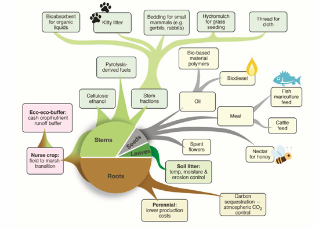
  • ADAPTING TO SEA LEVEL RISE: ECONOMIC AND ECOLOGIC ROLES FOR SEASHORE MALLOW

    Although seashore mallow has application in inland saline or non-saline situations these thoughts are particularly about problems driven by climate change and sea level rise and its impact on the coastal ecotone. 

  • ALFALFA WEEVIL CONTROL IN ALFALFA

    The alfalfa weevil (AW) overwinters in both the adult and egg stages. Although egg laying occurs in the fall and spring, larvae hatching from spring-laid eggs cause the most damage. Eggs are laid in the alfalfa stem any time temperatures are above 48 degrees F.

  • AN OIL-SEED BIOFUEL MULTI-USE CROP GROWN WITH SALTWATER

    Grow a salt-tolerant, oil-seed, multi-use crop on saline land or dry land that can be irrigated with brackish water or seawater, thus freeing fresh water and high quality soil for food and feed and bringing poor land into production.

  • APHID CONTROL IN SMALL GRAINS IN THE SPRING

    The most common aphid species found in Delaware small grain fields are the English grain aphid, bird cherry-oat aphid, corn leaf aphid, and the greenbug. These four species can overwinter on small grains as eggs or as females which give rise to offspring in the spring. 

  • APPLIED RESEARCH RESULTS ON FIELD CROP AND VEGETABLE DISEASE CONTROL

    The primary purpose of this book is to provide cooperators and contributors a summary of the results of field research. Many data summaries and conclusions in chapters from this book have been submitted to the American Phytopathological Society for publication in Plant Disease Management Reports in 2015.

  • ARTILLERY FUNGUS AND OTHER THINGS THAT GROW IN MULCH

    Landscape mulch usually consists of hardwood shreds or bark chips, providing cover to hold moisture and add a finished look. Wood in mulch also provides a food source for fungi that are natural decomposers, breaking down plant material and utilizing organic matter. Without fungi, dead leaves, twigs and branches would clutter forests and landscapes. 

  • ASH BORERS

    Emerald Ash Borer

    • Adult beetles are metallic green and about 1/2 inch long

    • Prefer stressed ash trees, but can infest unstressed

    • Serpentine larval feeding galleries found immediately under the bark

  • ASH RUST

    Ash rust, caused by the rust fungus Puccinia sparganioides, is a disease which infects white and green ash in Delaware. Black ash is also reported as a host where it occurs. Leaves, petioles and green twigs are infected. Ash rust, like many rust diseases, needs two different hosts to complete its complicated life cycle. The alternate host for ash rust is marsh and cord grass (Spartina spp.and Distichlis spicata) which is found in coastal areas.

  • AWARENESS OF POTENTIAL PLANT TOXICITY TO GRAZING ANIMALS

    Effects on animal health from consuming or contacting potentially toxic plants can range from none to death. Potential deleterious effects include tainted milk; liver or kidney damage; cardiovascular, nervous system, musculoskeletal, or gastrointestinal problems;

  • Adjusting Nitrogen Rate Recommendations For Agronomic, Forage/Hay, and Vegetable Crops in Delaware

    Nutrient recommendations for most essential elements are based upon soil test calibration studies. These calibration studies relate the likelihood of a profitable plant response to nutrient addition with the nutrient concentration in the soil as measured by a soil test. However, nitrogen (N) is not included in routine soil analysis because it is not possible to test soils in advance of planting and accurately predict the need for N fertilization.


  • Agricultural Leasing and Farmland Purchases in Delaware

    Under a crop share lease, a tenant pays the landowner a certain percentage of harvested crops.  In return, a landlord allows the tenant to use the land and may pay a percentage of certain input costs.  The percentage of both crops and selected expenses are usually based on local custom. 

  • Agriculture Adapting to Climate Change

    Adaptation refers to efforts to reduce the risks of climate variability and change and make a system more resilient. Adapting agriculture to climate change can better prepare farmers and producers for future conditions. One of the most critical parts of climate adaptation is having active conversations about this topic and incorporating it into decision-making. Acknowledging the importance of the situation is the first step to taking action.
  • Agriculture and Climate Change: An Overview

    The changes in our climate will have direct effects on agriculture. Additionally, farms and farmers are already challenged by existing economic, environmental, and social stressors. Awareness of potential climate change impacts and mechanisms to support adaptation is critical to maintaining agricultural sustainability.

  • Artificial Intelligence and the Environment

    Generative Artificial Intelligence (AI) has been pushed to improve worker productivity, enhance research, and solve problems quickly. Many people view generative AI as an accessible and easy way to find solutions, but don’t know the power required to train AI. For example, AI requires immense amounts of electricity to run, which can lead to increased carbon dioxide emissions and put pressure on electrical grids. On the other hand, it can also reduce errors and enhance decision-making. This results in the usage of Artificial Intelligence having advantages and disadvantages, with many disadvantages affecting the environment.

  • Arugula

    • Eruca sativa, Arugula
    • Brassicaceae family (mustards)
    • Sunlight: full sun. Light shade may help slow bolting.
    • Soil conditions: rich, well-drained soil.
  • Azalea Lace Bug

    Adult lace bugs are typically 1/10th of an inch long and cream-colored. They have lacy wings dotted with black and brown patches or bands. The eggs are 0.02 in long and usually laid on the midrib or leaf margins of young leaves; they are covered with a dark brown adhesive material that forms a hard protective covering.

  • BACTERIAL LEAF SCORCH

    Bacterial leaf scorch (BLS) of hardwood trees, shrubs, and herbaceous plants, is caused by the bacterium, Xylella fastidiosa. The small, xylem limited bacterium is carried from plant to plant by small insects such as leaf hoppers, sharpshooters, and spittlebugs. 

  • BAGWORMS (LEPIDOPTERA: PSYCHIDAE)

    Bagworms feed on a variety of deciduous and evergreen plants including arborvitae, juniper, spruce, pine, maples, sycamores and numerous others. Evergreen trees and shrubs cannot recover from complete defoliation; whereas deciduous trees usually develop new leaves following defoliation.

  • BARK BEETLES

    Bark beetles have hard, smooth, stout bodies and range from 1.3 to 2.9 mm in length, depending on gender and species. The majority of bark beetles are female; males are smaller and flightless. Adult beetles can be reddish brown or black in color, while larvae are white and legless.

  • BARLEY YELLOW DWARF VIRUS

    Barley Yellow Dwarf (BYD) is caused by the viral pathogen Barley Yellow Dwarf Virus (BYDV) complex. The BYDV complex consists of five closely related viruses in the Luteoviridae family.

  • BASIC TIPS FOR USING THE WEB SOIL SURVEY TO RETRIEVE INFORMATION FOR NUTRIENT MANAGEMENT PLANNING

    The USDA-NRCS has created the Web Soil Survey (WSS) as a clearance house for soil survey data from the Soil Survey Geographic Database (SSURGO). Currently, there are data available for almost all counties in the U.S.

  • BASIL DOWNY MILDEW

    DOWNY MILDEW ON BASIL is caused by an Oomycete pathogen that only goes to basil, but can be devastating. Symptoms include leaf yellowing, followed by dark lesions, and leaves of this popular herb become unusable. Spores are produced on the undersides of leaves, but can be confused with other fungi, dust and potting material. 

  • BEANS

    BEANS: General information- Phaseolus vulgaris, Beans, Fabaceae family, full sun, well-drained, fertile soil.

  • BEEFSTEAK TOMATOES

    BEEFSTEAK TOMATOES: General information- Solanum lycopersicum, Tomato Solanaceae family. Sunlight: full sun. Soil conditions: well-drained, fertile soil, high in organic matter. Tomatoes come in both determinate (bush) varieties and indeterminate (climbing) varieties.

  • BEETS

    BEETS: General information- Beta vulgaris, Amaranthaceae family, full sun, fertile, evenly moist soil, free of rocks. Beets need cool temperatures to germinate and grow.

  • BOX TREE MOTH

    The Box Tree Moth (BTM) caterpillars are green and hairy, with black stripes and white dots. They grow to about 1 to 2 inches. Adults are white with a thick brown border on the wings and are active at night.

  • BOX TREE MOTH: Be on the lookout

    Box Tree Moth (BTM), an exotic invasive insect that is under quarantine in Delaware, has now been found in multiple locations in Kent County. Scout your boxwood plants for damage like the photos below. If you find BTM damage, please follow the protocol below for reporting.

  • BROCCOLI

    BROCCOLI: General information- Brassica oleracea var. botrytis, Brassicaceae family, full sun. Can tolerate light shade but will slow maturity. Requires well-drained, fertile soil high in organic matter. Needs plentiful, consistent moisture.

  • BRUSSEL SPROUTS

    BRUSSEL SPROUTS: General information- Brassica oleracea var. gemmifera, Brassicaceae family, full sun, consistently moist, fertile soil. Can be harvested as stalks or as sprouts.

  • BUYING AND INSTALLING CERTIFIED SOD

    Like a house built on sand, your beautiful sod can be destroyed in hours by improper care at the outset. Its roots have been severed in the harvesting process and this makes it totally dependent on your tender, loving care for at least the first three weeks of its new life.

  • Basil

    BASIL: General information- Ocimum basilicum, Lamiaceae family, full sun, well-drained soil, high in organic matter. Grows well in a container. Annual

  • CABBAGE

    CABBAGE: General information- Brassica oleracea var. capitata, Brassicaceae family, full sun. Can tolerate light shade but will slow maturity. Light shade can be beneficial in warm weather. Prefers well-drained, fertile soil, high in organic matter.

  • CARING FOR POINSETTIAS

    Popular for red flower-like bracts, poinsettias are great additions to holiday decor!  There are new cultivars that are compact, or have unique colors such as pink, yellow and orange (Thanksgiving poinsettias?).

  • CARROTS

    CARROTS: General information- Daucus carota var. sativus, Umbelliferae family, full sun. Will tolerate very light shade. Good quality roots require plentiful moisture, well-drained soil that is deep, loose, free of stones and high in organic matter.

  • CAULIFLOWER

    CAULIFLOWER: General information- Brassica oleracea var. botrytis, Cauliflower, Brassicaceae family, full sun. Light shade. Can tolerate light shade but will slow maturity. Requires well-drained soil. Prefers fertile soil high in organic matter. Needs plentiful, consistent moisture.

  • CERCOSPORA LEAF BLIGHT AND PURPLE SEED STAIN IN SOYBEAN

    Cercospora leaf blight and purple seed stain are caused by the fungus Cercospora kikuchii. This is a widespread disease, but yield loss is rarely observed.

  • CEREAL LEAF BEETLE CONTROL IN SMALL GRAINS

    Cereal Leaf Beetle: Overwintering adults emerge in mid-March and begin to lay eggs after 2 to 3 weeks of feeding. Since females prefer to lay eggs on young plants, spring-planted oats and late-planted wheat are the predominant hosts. 

  • CEREAL RUST MITE IN TIMOTHY

    Cereal rust mite adults are small measuring less than one millimeter (mm), and for the first time observer a 10-20X hand lens is needed to see them.

  • CHECKLIST FOR PLANT REMOVAL DECISIONS

    During construction or landscaping, you may need to make decisions about existing plants on your property—should they stay or should they go? Sustainable sites promote preservation of healthy, mature specimens that offer benefits such as erosion control and wildlife habitat and do not pose a threat to human safety or the natural environment.

  • CHERRY TOMATOES

    CHERRY TOMATOES: General information- Solanum lycopersicum, TomatoSolanaceae family. Sunlight: full sun. Soil conditions: well-drained, fertile soil, high in organic matter. Tomatoes come in both determinate (bush) varieties and indeterminate (climbing) varieties.

  • CHIVES

    CHIVES: General information- Allium schoenoprasum, Amaryllidaeae family, sun and part shade, well-drained soil, rich in organic matter. Grows well in a container. Perennial.

  • CHOOSING LAWN AND LANDSCAPE CARE COMPANIES

    Many homeowners no longer perform the work themselves when it comes to applying fertilizer and pesticides to their lawns and landscape beds. Lawn and/or landscape companies willing to supply that service are numerous. 

  • CILANTRO

    CILANTRO: General information- Coriandrum sativum, Apiaceae family, full to part sun, loamy, well-drained soil. Cilantro (leaves) Coriander (seeds). Grows well in a container. Annual.

  • COLLARDS

    Collards: General information- Brassica oleracea var. acephala, Brassicaceae family, full sun. Prefers full sun in spring but can benefit from light shade during hot weather. Requires well-drained soil. Prefers well-drained, fertile soil high in organic matter.

  • COMBATING SOIL COMPACTION

    Soil texture refers to the size of soil particles, with clayey soils having the smallest particles, sandy the largest, and silty, medium. Loamy soils posses a relatively even concentration of the three particle sizes.

  • CONSIDER A VEGETABLE GARDEN THIS YEAR

    How much time do you have to plant, weed and harvest in your garden? A small garden is best for beginners. Go bigger as your skills and time increase. Do you have a sunny spot? Most vegetables require 6 to 8 hours of sunlight. Vegetables prefer loose, well drained soil; rich in organic matter (compost).

  • CONSIDERATIONS FOR HERBICIDE USE IN PASTURES

    Weeds are often not desirable in pastures for many reasons. Many weeds are less palatable to animals, weeds decrease rapidly in nutritive value as they mature, and some can be toxic if consumed in large enough quantities. Weeds can also reduce the amount of desirable vegetation. Weed infestations can often be prevented by implementing cultural practices that maintain a dense cover of desirable forage where weeds find it difficult to germinate and grow.

  • CONTROLLING BACKYARD INVADERS

    Invasive plants quickly overwhelm and displace existing native plants by reducing the availability of light, water, nutrients and space. They have few, if any, natural controls to keep them in check. Ecologists now rank invasion by exotic plants, animals, and pathogens second only to habitat loss as a major threat to local biodiversity.

  • CRAPE MYRTLE BARK SCALE

    Crape myrtle bark scale begins its life cycle as tiny, pink to purple colored crawlers, which subsequently produce a fuzzy white waxy cover. Females remain sessile under the cover, whereas males pupate and leave their covers as a tiny, pink, gnat-like insect with wings 

  • CUCUMBER

    CUCUMBER: General information- Cucumis sativus, Cucurbitaceae family, full sun, well-drained, fertile soil, high in organic matter.. Vining and bush varieties. Bush varieties grow well in a container.

  • CURVULARIA LEAF SPOT

    Curvularia leaf spot is caused by the fungal pathogen Curvularia lunata. This disease was first observed in Delaware at the end of the 2020 season. The economic impact of this disease is still unknown in the United States.

  • Calculating the Lime Recommendation Using the Adams-Evans Buffer Method

    The University of Delaware Soil Testing Lab uses the Adams-Evans buffer pH test to determine lime requirement for a field based on soil test analysis of an 8-inch composite soil sample. In this quick reference guide, we will walk through the steps for determining the lime recommendation using the Adams-Evans buffer pH. 

  • Calico Scale

    This soft scale feeds on crabapple, sweetgum, star magnolia, honey locust, maple, dogwood, elm, oak, pear, redbud, tulip tree, all stone fruit trees, and many other species of trees.

  • Canada Goose

    Canada geese (Canadian Geese) are highly recognizable waterfowl which can be identified by their black head, tail, and necks with a white chin and black bill.  Their wings are a dark grey, and breast are a lighter grey or brown.  Males are slightly larger than females and they range in size from two to three feet in height and weigh between seven and fourteen pounds.


  • Canning Fruits

    Fruits, acidified tomatoes, pickled products, and fruit spreads may be processed safely in a boiling-water bath.

  • Canning Vegetables

    In the interest of food safety, vegetables must be processed in a pressure canner. Pressure for processing ranges between 5 pounds pressure to 15 pounds pressure, depending on the type of canner and food being processed. Processing time varies according to specific vegetable and size container.

  • Corn Growth Stages and Management

    Like most plants, corn growth progresses through three main phases: germination, vegetative, and reproductive stages. During germination, seeds break dormancy when soil temperatures exceed 50°F. They absorb (imbibe) water, triggering metabolic processes that lead to emergence and the start of the vegetative stage


  • Corn Smut

    Corn smut is caused by the fungal pathogen Ustilago maydis. Spores are spread through wind or water splashing to nearby plants. This pathogen infects the corn through the silks prior to pollination, or by wounds on the plant.

  • Creating and Using Enterprise Budgets

    An enterprise is defined as a single crop or livestock commodity that produces a marketable product. The mix of enterprises an agricultural producer raises determines the overall profitability of a farming business. 

  • DEALING WITH DROUGHT IN THE LANDSCAPE

    It is less expensive economically and environmentally to maintain landscape plants during a drought with minimal watering than to allow landscape plants to die and lose the benefits they provide. 

  • DECTES STEM BORER MANAGEMENT IN SOYBEANS

    The Dectes stem borer (DSB) is a longhorn beetle that is native to North America, and feeds on many wild and some cultivated plant species. 

  • DEFINING HIGH PHOSPHORUS SOILS IN DELAWARE

    Phosphorus (P) is an essential nutrient for optimum plant growth. However, continued application of manures and fertilizers to soils has led to an accumulation of P in many Delaware soils to levels well above those needed for optimum crop growth. 

  • DELAWARE CHRISTMAS TREES

    This season, many people are shopping for a perfect cut tree or live tree to decorate their homes. Our local Christmas tree growers face many challenges to growing a perfect tree, an expensive and time-consuming process. A Christmas tree takes 8 to 10 years to grow to a good size, and there are many hurdles along the way.

  • DELAWARE GARDENER’S GUIDE TO LAWN AND LANDSCAPE FERTILIZERS

     Fertilizers contain one or more essential plant nutrients and can be applied to landscapes to improve plant growth and quality or to correct a nutrient deficiency. There are many fertilizers available to consumers at local lawn and garden centers. 

  • DELAWARE GARDENER’S GUIDE TO SOIL PH

    Soil pH is a measure of soil acidity or alkalinity. On the pH scale a value of 7 is neutral, pH values less than 7 are acidic, and pH values greater than 7 are alkaline. Homeowners and gardeners are interested in soil pH because soil pH directly affects the growth and quality of many landscape plants.

  • DELAWARE GARDENING: CHALLENGE TO NEWCOMERS

    Gardening in Delaware can be challenging. While the state of Delaware is small, it is comprised of two different growing environments—the piedmont and coastal plane. The piedmont covers about 5% of the land area of Delaware and exists on only the northern most corner of the state.

  • DELAWARE LIVABLE LAWNS

    The goal of the Delaware Livable Lawns initiative is simple - reduce fertilizer and pesticide runoff from lawns. Did you know that the EPA considers stormwater runoff from yards, streets, parking lots and other areas to be one of the most significant sources of contamination in our country’s waters?

  • DESIGNING A SUSTAINABLE LANDSCAPE TO SERVE YOUR NEEDS

    Many traditional home landscapes feature vast areas of under-utilized space, such as large turf grass lawns. Sustainable sites feature spaces for human enjoyment, considering opportunities to design outdoor rooms that suit specific needs as well as promote the health of the environment.

  • DETERMINING THE PRESENCE OF GLYPHOSATE-RESISTANT HORSEWEED UNDER FIELD CONDITIONS

    Glyphosate is the active ingredient in Roundup, Touchdown, Duramax, and numerous other brand names. If resistance is suspected in one of your fields, some questions should be asked to help determine if herbicide resistance is the reason for lack of control.

  • DIAGNOSING HORTICULTURAL PLANT PROBLEMS

    Diagnosing horticultural plant problems is similar to being a detective. The investigator must collect and evaluate all clues, keep good notes, establish the facts, and synthesize them into a conclusion. Take adequate representative samples and keep collected samples in good condition. Have an open mind and don't assume that the current problem is the same as another similar one.

  • DILL

    DILL: General information- Anethum graveolens, Dill, Apiaceae family, full sun. Grows best in loamy, well drained soil but can grow in poor soil. Grows well in a container. Annual

  • DISEASES OF TURFGRASS: IDENTIFICATION AND MANAGEMENT

    Turfgrass diseases are diagnosed by identifying symptoms and signs of infection. Symptoms are the response of the plant that results from an infection by a plant disease causing organism or stress. 

  • DOGWOOD SAWFLY

    Dogwood Sawfly is an insect pest that can affect dogwood plants in summer. Sawflies are from the order Hymenoptera (same as ants, bees, and wasps). There are many types of sawflies, like the rose slug and hibiscus sawfly, and immatures feed on many common landscape plants.

  • DOLLAR SPOT OF TURFGRASS

    Dollar spot is an economically important disease of both cool-season and warm-season turfgrass. Due to the persistent nature of this disease, more money is spent on managing dollar spot than any other turfgrass diseases. Dollar spot reduces the aesthetic and playing quality of turfgrass.


  • DOWNY MILDEW OF IMPATIENS

    Downy mildew of impatiens is a serious disease in the United States, caused by the fungus-like Oomycete, Plasmopara obducens. Originally found in Europe, impatiens downy mildew was detected in greenhouses in California in the U.S. in 2004.  Downy mildew was first confirmed in Delaware on Impatiens walleriana in Kent County in August 2012.

  • DOWNY MILDEW ON LIMA BEAN

    Downy mildew of lima bean, caused by the oomycete, Phytophthora phaseoli, is a common disease in Delaware production areas. Proper identification and management of the disease is critical for protecting lima bean yields. This publication will review how to correctly identify the disease, describe its lifecycle, and outline management options for growers.

  • Delmarva Soil Types and Potential Salinity Effects

    Salts are compounds formed when positively charged cations such as sodium (Na⁺), calcium (Ca²⁺), magnesium (Mg²⁺) and potassium (K⁺) combine with negatively charged anions like chloride (Cl⁻), carbonate (CO₃²⁻), boron (B(OH)4-), and bicarbonate (HCO₃⁻).

  • EFFICACY OF VEGETATIVE ENVIRONMENTAL BUFFERS TO CAPTURE EMISSIONS FROM TUNNEL VENTILATED POULTRY HOUSES

    Emissions of dust, gases and odors from poultry facilities pose major challenges for the poultry industry. In addition to environmental issues associated with air and water quality, nuisance complaints associated with alterations in the ventilations system and urban encroachment are becoming a greater concern. 

  • EGGPLANT

    • Scientific Name: Solanum melongena
      • Family: Solanaceae
    • Warm season
    • Planting Window: 
      • Start seeds under lights indoors in mid-March for transplanting
  • END-OF-SEASON CORN STALK NITRATE TESTING TO OPTIMIZE NITROGEN MANAGEMENT

    The end-of-season corn stalk nitrate test is a simple, inexpensive tool that can be used to assess the nitrogen (N) status of a corn crop at the end of the growing season. Studies in Delaware, and other states, have shown that corn producers can use this test to improve their N management programs on a site-specific basis (Binford et al., 1990; Sims et al., 1995). 

  • ESTATE AND SUCCESSION PLANNING FOR DELAWARE FARM FAMILIES

    The goal of passing on the farm to the next generation requires careful thought, communication, and planning. Estate and succession plans help farm families think through the transfer process. Most people do not want to think about death, however, and do not develop a succession or estate plan until it is too late.

  • ESTIMATING YIELD GOAL FOR CROPS

    Many crop management decisions require farmers or their agronomist, crop consultant, or nutrient consultant to make an estimation of the expected yield from a given field. Farmers recognize that yields for the same crop are variable from field-to-field and that a given crop cannot be expected to produce a consistent yield across the entire state. 

  • Early Season Symptom Chart

    Early Season Symptom Chart: After spring green up. Symptoms not expressed on leaves emerge after the average temperatures reach 68°F +.

  • Eastern Tent Caterpillar

    The eastern tent caterpillar is a pest native to North America and is usually found in the eastern part of the U.S. It is commonly found on wild cherry, apple, and crabapple. It can also be found on maple, cherry, peach, hawthorn, pear, and plum, ash, birch, black gum, willow, poplar and oak.

  • Eco-Anxiety: Climate Change Impacting Youth Mental Well-Being

    As the effects of climate change become more prevalent in daily life, it is getting increasingly complex to avoid the topic coming up in conversations. As a society, we can physically feel and see its adverse impacts on our environment, and often hear about them at work, school, and on the news.

  • FERTILIZER BASICS

    Proper fertilization will enhance plant growth without polluting the environment. However, misuse of fertilizer can harm the environment and injure landscape plants by causing fertilizer burn to leaves and/or roots.

  • FROGEYE LEAF SPOT

    Caused by the fungus Cercospora sojina. The occurrence and severity of this disease varies across the region. Resistance to Group 11 (QoI) fungicides has been widely documented.

  • FROGEYE LEAF SPOT ON SOYBEAN

    Over the past 10 years the disease has been reported throughout soybean growing regions of the United States as far north as Minnesota [1].  FLS occurs in Delaware but to date its effects have not been severe.  This publication will discuss symptoms of the disease, the disease cycle, and management recommendations.

  • FUSARIUM HEAD BLIGHT

    FHB, or scab, affects wheat, barley, oats, corn, and other grasses. Fusarium graminearum (syn. Gibberella zeae) is favored by warm, humid conditions during flowering and early kernel development.

  • Farm Business Structures: Pros and Cons of Each

    Choosing a business structure for a farming business can be difficult because entities differ in tax and legal implications. Choosing a business structure for the farm operation could result in either beneficial or negative consequences.

  • Farm Management Strategies During Rising Inflation

    Farming during 2022 has been extremely stressful for agricultural producers with so many things changing about the economy, commodity markets, global events, and production costs soaring.

  • Fast Fashion and Sustainability

    The discussion surrounding “fast fashion” has grown in recent years as fashion trends have been connected  to global warming. Fast fashion involves clothing trends spread through social media by popular influencers and celebrities. It promotes the idea of trends beginning and ending so quickly, that consumers buy articles of clothing to wear for a short period of time.

  • GLOOMY SCALE INSECT

    Gloomy Scale Insect: Spends winter as a female beneath protective coverings in bark, and in spring, resumes development by feeding via piercing-sucking mouthparts until she lays eggs underneath her tests. Eggs hatch sometime in late Juneand crawler activity may continue for 4 to 6 weeks.

  • GRASS SAWFLY AND TRUE ARMYWORM MANAGEMENT IN SMALL GRAINS

    Grass Sawfly - Adult sawflies emerge in early April, mate and begin to lay eggs in the leaf margins of small grains. Most egg laying is complete by early May.

  • GRAY LEAF SPOT

    Gray leaf spot is caused by the fungal pathogen, Cercosporazeae-maydis. This disease is favored by warm temperatures over 80°F, and extended periods of high humidity. Fungal spores overwinter in corn crop residue, increasing chances for infection on non-rotated crops.

  • GREEN ROOFS

    A green roof is a specially-engineered rooftop that supports plant life. Green roofs have been utilized in Europe for 30 years and are quickly gaining popularity in the United States.

  • GROUNDCOVER ALTERNATIVES TO TURF GRASS

    Plants that spread over time to cover the ground are referred to as groundcovers. Usually this term denotes low-growing plants, but groundcovers can also refer to taller, spreading shrubs or trees that grow together to create a dense cover of vegetation.

  • Garlic and Elephant Garlic Market Analysis

    Garlic (Allium sativum) is commonly used as a flavoring for food, as a condiment, and for medicinal purposes. The milder-flavored elephant garlic (Allium ampeloprasum) is actually a leek that produces large cloves.

  • HEIRLOOM TOMATOES

    HEIRLOOM TOMATOES: General information- Solanum lycopersicum, Tomato Solanaceae family, Sunlight: full sun. Soil conditions: well-drained, fertile soil, high in organic matter. Tomatoes come in both determinate (bush) varieties and indeterminate (climbing) varieties.

  • HOME ORCHARD PRODUCTION – APPLE, PEAR, AND STONE FRUIT DISEASE MANAGEMENT

    While it is tempting to plant fruit trees and not apply chemical control measures, it is often impractical, and the resulting fruit crop may be disappointing or not result in any harvestable fruit.

  • HOW DOES YOUR LAWN AND LANDSCAPE CARE IMPACT WATER QUALITY

    All living plants return some of this water back into the atmosphere through transpiration. Some groundwater also returns to the surface by flowing down grade to fill a pond, supply a stream or just bubble as a spring. Certain soils allow groundwater to infiltrate deeper into the soil and fill aquifers and deep wells. 

  • HOW TO SCOUT AND TROUBLESHOOT PROBLEMS IN CROPS

    Gather tools that will help you acquire a sample, cutters, small shovel, hand lens, plastic bags, marker, etc. Go to the field with an open mind and investigate all possibilities!

  • HOW TO TAKE A SOIL SAMPLE?

    Soil tests such as those conducted by the University of Delaware Soil Testing Laboratory will help you to develop and maintain more productive soil by providing more information about the fertility status of your soil. This helps you to select the proper lining and fertilization program so that you can obtain optimal growth of lawn, garden and ornamental plants.

  • HUMAN BENEFITS OF GREEN SPACES

    Interaction with gardens and natural spaces offers a variety of mental, physical and social benefits for humans, ranging from stress reduction, quicker healing, and mitigation of Attention Deficit Disorder in children to decreasing crime and air pollution. 

  • Harvesting Water

    Harvesting water involves capturing rainwater, grey-water, and wastewater on your property and recycling it on site, either for irrigation or to recharge groundwater supplies. Implementing this water conservation strategy provides a myriad of environmental benefits.


  • IDENTIFYING NUTRIENT DEFICIENCIES IN ORNAMENTAL PLANT

    Healthy plant growth and reproduction requires 17 nutrients. Of these, carbon (C), oxygen (O) and hydrogen (H) are derived mainly from the atmosphere and water. Soil minerals and/or soil organic matter are the main source of the remaining essential nutrients. 

  • IN-HOUSE WINDROW COMPOSTING AND ITS EFFECTS ON FOODBORNE PATHOGENS

    Control of foodborne pathogens at the farm is a growing concern that is being addressed in the industry. Several methods have shown varying effectiveness in reducing pathogens on the farm, one of which is in-house windrow composting.

  • INSECTICIDES FOR APHID CONTROL ON VEGETABLES

    Insecticide efficacy rankings based on consensus of Northeast, Mid-Atlantic, and Southern entomologists.

  • Insect and Mite Galls

    Galls are caused by the feeding or egg-laying of insects and mites. Upon feeding or egg-laying, hormones from the arthropod are released, which tell the plant to grow a protective mass, which is the “gall”. This mass then either grows around the feeding damage or surrounds the egg. Once surrounded the arthropod has the food and protection needed to mature.

  • Interpreting Soil Phosphorus and Potassium Tests

    The University of Delaware (UD) has rated soils in terms of the likelihood of profitable responses to additions of phosphorus (P) and potassium (K) from fertilizers, manures, and other soil amendments for more than 50 years. Our soil test categories and fertility recommendations are based on research conducted in Delaware or in nearby states with similar soils, crops, and climates.

  • Japanese Beetle

    The Japanese beetle, Popillia japonica, is an introduced pest of turfgrass and other plants. Japanese beetle grubs destroy turfgrass roots. Affected turfgrass turns brown and can easily be pulled up from the ground.

  • KALE

    KALE: General information- Brassica oleracea var. acephala, Brassicaceae family, full sun to part shade. Prefers full sun in spring and fall, but can benefit from light shade during hot weather. Prefers well-drained, fertile soil high in organic matter. Needs plentiful, consistent moisture.

  • KISSING BUGS

    Kissing bugs are insects that feed on blood from animals and people. They are native to Delaware and live in wooded areas.

  • KOHLRABI

    KOHLRABI: General information- Brassica oleracea var. gongylodes(Kohlrabi) Brassicaceae Family, full sun. Tolerates light shade. Prefers well-drained, fertile soil high in organic matter.

  • Know the Value of Manure Sampling and Analysis

    Manure has always been a valuable input to agricultural soils in our region. The value of manure has increased significantly in the last few years as the cost of commercial fertilizers has climbed to record highs. As such, manure is in high demand because it is a locally produced source of nutrients (macro- and micro-) and organic matter that are greatly beneficial additions to Delaware’s sandy soils.

  • LAVENDER

    LAVENDER: General information- Lavandula angustifolia, Lamiaceae family, full sun, low fertility, well-drained soil. Grows well in a container. Perennial

  • LAWN MANAGEMENT FOR WATER CONSERVATION

    When designing a landscape, consider alternatives to turf. Use attractive, low-maintenance ground covers, tree and shrub plantings and water-permeable paving. A major benefit of turf is that it will take traffic. Take advantage of that and install turf where it will be used as a play area.

  • LEAF LETTUCE

    • Scientific Name: Lactuca sativa
    • Family: Asteraceae
    • Cool season
    • Planting Window:
      • Spring: mid-March to late April
  • LEAF SPOT DISEASES IN GARDEN TOMATOES

    Foliar leaf spot diseases and blights of tomato plants are common problems for tomato growers in Delaware and the Mid-Atlantic States. Pathogens survive in plant debris or weed hosts, and are favored by humid weather and moderate temperatures.

  • LEEKS

    LEEKS: General information- Allium ampeloprasum, Allium family, full sun, well drained soil, high in organic matter. Best grown as a transplant. Blanch with soil to increase white shanks.

  • LETTUCE

    LETTUCE: General information- Lactuca saliva, Asteraceae family, full sun but can tolerate some shade, especially in the summer, moist, well-drained soil. Butterhead, Crisphead, Romaine, Looseleaf varieties.

  • LEVELING UP POULTRY BIOSECURITY: FOOTWEAR

    Dedicated footwear or disposable boots for each poultry house is best for biosecurity. Disposable boots can be purchased online or at local farm supply stores.

  • LIMA BEAN FIELDS INFESTED WITH ALS-RESISTANT PIGWEED IN DELAWARE

    Pigweed is one of the most wide-spread weed species in Delaware and the region, infesting vegetable crops as well as grain crops. Pigweed is capable of quickly becoming the dominant species in a field due to its high seed output, producing over 100,000 seeds per plant.

  • LIMA BEANS

    LIMA BEANS: General information- Phaseolus lunatus, Lima Bean, Fabaceae family, full sun. Soil conditions: loose, evenly moist, well drained soil. Bush and pole varieties.

  • LITTER AMENDMENTS: THEIR ROLE AND USE

    The use of litter treatments has become an important tool in the management of built-up litter. Because litter treatments cover a broad range of products and functions, thefollowing discussion is limited to those whose primary function is controlling ammoniavolatilization from poultry litter.

  • LITTER MANAGEMENT CHALLENGES ON NEW POULTRY FARMS

    Commercial poultry operations are required to handle poultry litter in a way that minimizes environmental impact, while also complying with State and Federal regulations. The use of permanent manure storage structures is supported by years of scientific data. 

  • LIVABLE LAWNS - MANAGING A HEALTHY LAWN

    The benefits of a healthy, attractive lawn are many and diverse. Lawns prevent erosion, provide cooling, re­duce dust and mud, remove pollut­ants from the environment, absorb CO2 and produce 02 Lawns provide a safe, comfortable surface for many athletic and social activities. Ar­eas of lawn, whether large or small, help bring green to the urban envi­ronment.

  • LIVABLE PLANTS FOR THE HOME LANDSCAPE

    This brochure provides plant suggestions that can help gardeners create diverse landscape plantings with native and non-invasive exotic plants. 

  • LIVEABLE ECOSYSTEMS: A MODEL FOR SUBURBIA

    What is a suburban livable ecosystem? It’s a landscape that takes advantage of natural processes while providing tangible benefits to its owner. 

  • Lady Beetle

    Lady Beetle Overview

    • In the order Coleoptera

    • Beneficial predators

    • Usually red/orange with black spots

  • Liming Materials and Management

    Soil acidity, often measured as pH, plays a crucial role in plant health and overall soil productivity. Imagine the soil as a complex ecosystem that provides essential resources for plant growth. Just as humans thrive within a comfortable temperature range, plants have specific pH preferences for optimal development.

  • MANAGEMENT STRATEGIES FOR UTILIZING HARDWOOD SAWDUST AS POULTRY BEDDING

    Many concentrated poultry-producing areas of the USA including the Delmarva Peninsula have shortages of quality pine-base bedding materials. Yet, there are often ample supplies of cost-effective hardwood sawdust (HW) that could supplement this deficit. However, the poultry industry has been reluctant to use HW due to periodic mold-induced respiratory health concerns.

  • MANAGING FALL-PLANTED COVER CROPS FOR MAXIMUM BENEFIT

    Cover crops play an important role in protecting the soil and water when main crops like corn or soybean are not actively growing. The National Conservation Service promoted the use of cover crops during the Dust Bowl crisis of the 1930s, to protect soils from erosion.

  • MEASUREMENT AND MANAGEMENT OF SOIL PH FOR CROP PRODUCTION IN DELAWARE

    The pH scale ranges from 0 to 14; a pH value of 7 is considered neutral, while pH values less than 7 are acidic, and pH values greater than 7 are alkaline. The pH values of soil usually range from pH 4.0 to pH 8.0; higher or lower pH values are very rare and are normally found only in severely disturbed soils or in soils that have been amended with some type of acidic or alkaline material.

  • MELON

    MELON: General information- Cucumis melo, Melon, Cucurbitaceae family. Sunlight: full sun. Soil conditions: fertile, well-drained soil.Can be grown on a trellis.

  • MINT

    MINT: General information- Mentha sp., Mint, Lamiaceae family, Sunlight: full sun to part shade. Soil conditions: rich, moist, well-drained soil. Grows well in a container. Perennial, wide spreading, can become invasive.

  • MULBERRY WEED (FATOUA VILLOSA)

    Mulberry Weed or hairy crabweed (Fatoua villosa) (Thunberg) Nakai is an invasive exotic Asian species from the Mulberry family (Moraceae).  First reported in Louisiana in 1964 by J.W. 

  • Magnolia or Tuliptree Scale

    Magnolia scale is one of the largest soft scales found in the U.S. and feeds on the sap of magnolias, particularly star magnolia, lily magnolia, cucumber tree magnolia, and saucer magnolia. Tuliptree scale is often misidentified as magnolia scale, but it feeds on tulip tree (yellow poplar), magnolias, and sometimes lindens.

  • Mapping With Drones: Optimal Times for Delaware

    When creating maps of field crops, one goal is to estimate plant health or responses to management. To achieve consistent imagery, drone flights must account for lighting conditions. While discussions often focus on avoiding variable cloud cover by flying on clear or overcast days, the sun’s angle also plays a critical role. 

     

  • Maximizing the Potential of Poultry Litter as a Valuable Nutrient Source for Sustainable Crop Production

    The Delmarva Peninsula stands out as a prominent hub for broiler production, accounting for more than 596 million broilers in 2022 (Delaware Chicken Association, 2023). In 2022, Delaware raised approximately 234 million broilers, with a production value of 1.53 billion U.S. dollars (USDA NASS, 2023).

  • NATIVE PLANTS FOR DELAWARE LANDSCAPES

    Native plants are indigenous to a particular region and provide an essential foundation to support wildlife habitats for native insects and birds. Well-adapted to the local habitat, native plants grow using less water and fewer pesticide applications growing with minimum maintenance. 

  • NEMATODE SOIL SAMPLING IN SOYBEANS

    When observing unexplained stunting, wilting, or death in crops. When planting into a field with a history of nematodes. In areas with prior poor performance.

  • NITROGEN CYCLING IN AGRICULTURE

    Understanding how N reacts in the landscape can help us maximize plant growth and crop yields, while minimizing harmful losses of N to the environment. This document helps agricultural producers understand how N interacts in the environment through the N cycle to guide maintenance and sustainability of agricultural crop production.

  • NITROGEN MANAGEMENT FOR CORN IN DELAWARE: THE PRE-SIDEDRESS NITRATE TEST

    Unlike other nutrients, such as potassium or phosphorus, the nitrogen (N) requirement of corn cannot normally be met by N found in the soil. Consequently, most of the N needed by corn is supplied by applications of commercial fertilizers or manures unless crop rotations include legumes (e.g., alfalfa, clover, hairy vetch, soybeans), where N available from legume residues can often provide a significant percentage of corn’s N requirement.

  • NITROGEN MANAGEMENT FOR SOYBEANS

    Soybean is second most widely produced crop in DE, ranking just behind corn for grain. In 2017, approximately 160,000 acres of soybeans were produced in Delaware with an average yield of 51 bu/ac.

  • NITROGEN REMOVAL BY DELAWARE CROPS

    The amount of nitrogen (N) removed by the harvested portion of the crop is needed to develop nutrient balances. However, N removal by crops can vary considerably from field-to-field and year-to-year. 

  • NON-CHEMICAL PEST CONTROL OPTIONS FOR MANAGING INSECT PESTS ON BEANS

    July and August in the vegetable garden typically bring bountiful harvests of colorful vegetables. These are also the months when insect pests can really make their presence known, with plant and fruit damage becoming increasingly noticeable. 

  • NON-CHEMICAL PEST CONTROL OPTIONS FOR MANAGING INSECT PESTS ON BRASSICAS

    July and August in the vegetable garden typically bring bountiful harvests of colorful vegetables. These are also the months when insect pests can really make their presence known, with plant and fruit damage becoming increasingly noticeable. 

  • NON-CHEMICAL PEST CONTROL OPTIONS FOR MANAGING INSECT PESTS ON CUCURBITS

    July and August in the vegetable garden typically bring bountiful harvests of colorful vegetables. These are also the months when insect pests can really make their presence known, with plant and fruit damage becoming increasingly noticeable. 

  • NON-CHEMICAL PEST CONTROL OPTIONS FOR MANAGING INSECT PESTS ON SOLANACEOUS PLANTS

    July and August in the vegetable garden typically bring bountiful harvests of colorful vegetables. These are also the months when insect pests can really make their presence known, with plant and fruit damage becoming increasingly noticeable. 

  • NORTHERN CORN LEAF BLIGHT

    Northern corn leaf blight (NCLB) is a disease of corn caused by the fungus, Exserohilum turcicum. Severe outbreaks of the disease can cause up to 30-50% yield loss in dent corn if the disease is established before tassel [1]. NCLB also causes significant reduction in quality in sweet corn and silage corn. This publication will outline how to identify the disease, review its lifecycle, as well as appropriate management options for growers.

  • NUTRIENT RECOMMENDATIONS

    Nutrient recommendations are based upon soil test calibration studies that relate the probability of a profitable plant response to nutrient addition to the plant nutrient concentration in the soil as measured by a soil test.

  • Native Hydrangeas for Delaware

    Both oakleaf and smooth hydrangeas evolved in and along the woodland landscape. They prefer moisture-retentive, slightly acidic soil high in organic matter. They perform well in full sun. Both species offer full-size and dwarf sizes.


  • OAK WILT

    Oak wilt is a serious, fatal disease of oak trees, caused by the fungus Bretziella fagacearum, formerly Ceratocystis fagacearum. It was first detected in Wisconsin in 1944 and has spread eastward in the U.S.

  • ONION

    Onion: 

    • Scientific Name: Allium cepa
      • Family: Alliaceae, Amaryllidaceae
    • Cool season
    • Planting Window: mid-March to mid-April
    • pH = 5.5-7.0
  • ONIONS

    ONIONS: General information- Allium cepa, Onion, Amaryllidaceae family, Sunlight: full sun. Soil conditions: Well-drained, fertile soil. Can be planted from seeds, sets, and transplants. Onion bulbing is triggered by day length. Short Day varieties form bulbs when day length reaches 10 hours.

  • OREGANO

    OREGANO: General information- Origanum vulgare, Oregano, Lamiaceae family, Sunlight: full sun. Soil conditions: light, moderately fertile, well-drained soil. Can thrive in areas with tough growing conditions. Grows well in a container. Perennial
  • On-farm Business Planning Resources for Agriculture and Aquaculture

    In June 2025, the Linking Agriculture and Aquaculture Farm Vitality and Health Forum was held to connect agriculture, aquaculture, and health care community members and to discuss the physical, psychological, and behavioral needs of Delaware's farming and aquaculture communities. During an afternoon activity, participants self-selected into groups on various topics of interest.

  • PARSLEY

    PARSLEY: General information- Petroselinum crispum, Parsley, Apiaceae family, Sunlight: Full sun. Soil conditions: well-drained soil, high in organic matter. Grows well in a container. Biennial

  • PASTE TOMATOES

    PASTE TOMATOES: General information- Solanum lycopersicum, Tomato, Solanaceae family. Sunlight: full sun. Soil conditions: well-drained, fertile soil, high in organic matter. Tomatoes come in both determinate (bush) varieties and indeterminate (climbing) varieties.

  • PEAS

    PEAS: General information- Pisum sativum (Peas) Fabaceae Family (Legume) Sunlight: full sun. Soil conditions: fertile, well drained soil. Can tolerate light frost. Bush and vining varieties.

  • PEPPERS

    PEPPERS: General information- Capsicum annuum, Pepper, Solanaceae family, Sunlight: Full sun. Soil conditions: well-drained fertile soil. Bell (pictured here), sweet, and hot varieties.

  • PERMEABLE VS. IMPERMEABLE SURFACES

    Permeable surfaces (also known as porous or pervious surfaces) allow water to percolate into the soil to filter out pollutants and recharge the water table. Impermeable/impervious surfaces are solid surfaces that don’t allow water to penetrate, forcing it to run off.

  • PHOSPHORUS CYCLING IN AGRICULTURE

    Crops often receive beneficial nutrients such as phosphorus (P) from manure and/or commercial fertilizer applications. However, the Delaware Nutrient Management Law limits the amount of P that can be applied to many agricultural soils in Delaware. 
  • PHOSPHORUS MANAGEMENT STRATEGIES FOR DELAWARE’S AGRICULTURAL SOILS: THE PHOSPHORUS SITE INDEX

    Long-term use of fertilizer and manure nutrients on the Delmarva Peninsula has led to an enrichment of agricultural soils with phosphorus (P). Consequently, many soils in Delaware are now considered high or excessive in soil test P (Fig. 1). In some situations, high P soils contribute to eutrophication of surface waters; therefore, P management strategies that maintain both agricultural profitability and environmental quality are necessary. 

  • PHOSPHORUS REMOVAL BY DELAWARE CROPS

    In Delaware, applications of phosphorus to “high P” soils (soil test P ≥ 150 FIV, as defined by the Delaware Nutrient Management Commission) cannot exceed a three-year crop removal rate unless alternative P management strategies (i.e. N-based management during one or more years of a crop rotation) are permitted based on results of a P Site Index.

  • PHYSODERMA BROWN SPOT

    Physoderma brown spot is caused by the fungal pathogen Physodermamaydis. Infection occurs in the leaf whorl when water has been present for an extended, warm period. Disease is limited and does not typically cause economic loss in the Mid-Atlantic.

  • PLANNING A VEGETABLE GARDEN

    A well-planned vegetable garden provides an economical and continuous supply of fresh, nutritious vegetables throughout the season. An urban gardener with a fairly small plot can expect to raise a substantial amount of fresh vegetables from a good garden.

  • PLANT INSTALLATION

    Be sure to research the planting site’s soil chemistry, soil type, and drainage. Choose a tree or shrub compatible with your site and select an appropriate time of year to plant.

  • PLANT SELECTION FOR WATER CONSERVATION

    Plant selection is one of the most important factors in designing a successful drought-tolerant landscape. Along with concern about plant size, texture, color and so on, we must be concerned about how a plant will perform from an ecological and horticultural standpoint.

  • PLANTS FOR A LIVABLE DELAWARE

    This series of brochures were developed to educate Delawareans about the problem of invasive plants in the landscape.  

  • POTATOES

    POTATOES: General information- Solanum tuberosum, Potato, Solanaceae family, Sunlight: full sun. Soil conditions: prefers well-drained, light, deep, loose soil, high in organic matter.

  • POWDERY MILDEW ON SMALL GRAINS

    Powdery Mildew (PM) is a fungal leaf disease caused by Blumeria graminis , which can reduce grain yield and quality in cereal crops.

  • PREVENTING EROSION

    A crucial role of sustainable sites is to reduce erosion, the physical wear of soil and surface rocks by water and wind. Eroded soil, called sediment, is the number one pollutant of our waterways.

  • PROVISIONAL SEASHORE MALLOW PLANTING, GROWING, AND HARVESTING PROTOCOL

    Background - We’ve prepared the seed bed both by tilling and by no-till using herbicides (glyphosate and gramoxone) to kill the weeds. Where we have nonsaline soil, weeds are a problem since we do not have herbicide-ready seashore mallow. 

  • PRUNING EVERGREENS

    Pruning is an important maintenance practice. Although necessary, pruning can be kept to a minimum by the wise use and proper placement of plant materials in the landscape. Evergreen plants can be divided into two broad categories: (1) Narrowleaf (needled) evergreens such as pines, junipers, yews, and (2) Broadleaf evergreens like rhododendrons, hollies, boxwood.

  • PRUNING WOODY PLANTS

    Good pruning is necessary to preserve the general attractiveness of your landscape and to keep your ornamental plants healthy. Although forest trees grow quite well with only nature’s pruning, landscape trees require a higher level of care to maintain their safety and aesthetics.

  • PURPLE LOOSESTRIFE

    PURPLE LOOSESTRIFE is an herbaceous perennial plant characterized by a four-sided stem and long terminal spikes, each of which are surrounded by dense clusters of pink to magenta flowers. Each flower has 5 to 7 narrow, wrinkled petals. 

  • PYTHIUM ROOT ROT

    Caused by many species of the oomycete pathogen Pythium. Pythiumspecies are favored by periods of extended soil wetness.

  • Pavement Ant Feeding on Vegetable Transplants

    Where ants were collected and identified by a taxonomist, they have come back as ‘Pavement Ant’ – Tetramorium immigrans. However, several other species of ants are known to occasionally damage healthy vegetation, especially fire ants (Solenopsis spp., esp. S. invicta and S. richteri) further south and Allegheny mound ants (Formica exsectoides). Several Formica species are known to occasionally clear ground and prevent seedling establishment within several yards of their mounds.

  • Plant a Row for the Hungry

    Plant-A-Row for the Hungry (PAR) is a people-helping-people program.

  • Plasticulture Strawberries

    Strawberry (Fragaria × ananassa) is a hybrid plant grown across the world for its flavorful and succulent fruit. Strawberries can be eaten many different ways in addition to being consumed fresh such as in ice cream, jam, or even chocolates. Plasticulture is a crop production system that has become the dominant way to grow strawberries in the last twenty years. 


  • Pollinators

    What Pollinators Do For Us

    • Pollinators are critical to our food production system

    • More than 100 U.S.-grown crops rely on pollinators

    • The Honey Bee is our primary pollinator

  • Poultry Litter Types and Co-Products

    In this fact sheet, we will discuss the various types of poultry litter and litter co-products with a focus on their properties, their potential benefits for crop farmers, and important management considerations. By understanding how these materials are generated, how to estimate their nutrient content, and how to address potential management challenges, farmers can better integrate litter or litter co-products into their nutrient management plans for sustainable crop production and reduced environmental impact.
  • Predatory Mites: Mite-ier Than Other Pest Controls!

    Written by: Emma Giancola- Ornamental Extension Entomology Intern
    Brian Kunkel- Ornamentals IPM Extension Specialist University of Delaware

  • Protecting Sweet Corn From Corn Earworm

    Sweet corn is one of the few crops for which insect pests drive most of the pest management program. A number of caterpillar pests attack sweet corn, infesting ears and rendering the ear and the whole planting unmarketable. In addition, caterpillars will also attack whorl stage sweet corn, and other insect pests can occasionally cause economic damage by themselves to the ears. This document focuses on the primary sweet corn pest, the corn earworm. 


  • Pulvinaria Scale

    Pulvinaria scale is a broad term for any species of scale in, or formerly in, the genus Pulvinaria. This includes the cottony maple scale (formerly Pulvinaria innumerabilis, now Neopulvinaria innumerabilis), the cottony maple leaf scale (Pulvinaria acericola) and the cottony camellia scale (Pulvinaria floccifera).

  • RADISH

    RADISH: General information- Raphanus sativus (Radish) Brassicaceae family, Sunlight: full sun to part shade. Soil Conditions: requires well-drained soil. Needs consistent moisture. Grows well in container.

  • RADISHES

    Radishes: 

    • cientific Name: Raphanus sativus
      • Family: Brassica
    • Cool season
    • Planting Window:
      • Spring: mid-March to mid-April
      • Fall: mid-August to mid-September
  • RECOMMENDED SOIL TESTING PROCEDURES FOR THE NORTHEASTERN UNITED STATES

    Northeastern Regional Publication No. 493
    3rd Edition- Agricultural Experiment Stations of Connecticut, Delaware, Maine, Maryland, Massachusetts, New Hampshire, New Jersey, New York, Pennsylvania, Rhode Island, Vermont, and West Virginia. Prepared by: The Northeast Coordinating Committee for Soil Testing (NECC-1312)

  • RECYCLING LEAVES

    What organic material is full of nutrients, essential for the natural processes of soil rejuvenation, and arrives absolutely free of cost to millions of homeowners every autumn? You guessed it— the colorful liberated leaves of deciduous trees. Recycling leaves offers a great alternative to the environmental and economic expense of removing this resource from your property.

  • ROSE ROSETTE DISEASE

    ROSE ROSETTE DISEASE (RRD) is specific to Rosa species and is caused by the rose rosette virus, which is carried by a very small eriophyid mite, or graft transmitted. The virus disease is a threat to all cultivated roses, even rose cultivars with some disease resistance to black spot, such as the Knockout Series.

  • ROSEMARY

    ROSEMARY: General information- Salvia rosmarinus, Rosemary, Lamiaceae family. Sunlight: full sun.Soil conditions: loose, well-drained soil. Grows well in a container. Perennial

  • Rain Garden

    Rain gardens, sometimes called bio-retention areas, are shallow depressions in the landscape that capture stormwater and allow it to gradually percolate into the soil. Planted with moisture-loving plants that help filter out pollutants, rain gardens provide an attractive way to reduce the impact of stormwater on the environment.


  • Raised Bed Gardening

    A raised bed permits plant roots to develop in soil held above water-logged, potentially contaminated, or compacted sites.  You can easily incorporate compost and other organic material to ensure good drainage.


  • Regional Soil Tests to Evaluate Coastal Field Salinity

    Saltwater intrusion from sea level rise and tidal flooding is increasing soil salinity risks in coastal farm fields (Figure 1). Soil salinity is related to the presence of soluble salts and cations (positively charged ions) like sodium (Na), calcium (Ca), magnesium (Mg), and to a lesser extent, potassium (K). Excess soil salinity can reduce crop yields, damage soil structure, and disrupt nutrient availability.

  • Roseslug Sawfly

    Roseslug sawflies are wasps with an immature stage that feeds on the underside of rose leaves. The immature insect looks like a caterpillar but is difficult to see because it is greenish-yellow in color.  We have three species in the mid-Atlantic, and they are the bristly rose sawfly, the roseslug sawfly, and the curled rose sawfly, which is covered in bristles.

  • SAGE

    SAGE: General information- Salvia offiinalis, Sage, Lamiaceae family. Sunlight: full sun. Soil conditions: sandy, loamy, well-drained soil. Grows well in a container. Perennial

  • SALT MEASUREMENTS AND SOIL CLASSIFICATIONS (SWI SERIES 2)

    Soils have a natural characteristic called the cation exchange capacity (CEC) that allows them to hold (and exchange) cations (e.g., Ca+2 or Na+). 

  • SANITIZING PRODUCTS AVAILABLE FOR GREENHOUSE NURSERY

    This chart includes information about products and steps you can take to ensure you have a safe and clean greenhouse.

  • SELECTING A DRONE FOR CROP SCOUTING

    The drone market targets many different customers, including agricultural professionals. Drone videos and photography allow for a different perspective of the field and have the potential to uncover in-season production issues that scouting may miss. Assessment of crop fields can be made quickly when flying 200-400 feet above the crop.

  • SELECTING PLANT DISEASE SPECIMENS

    Select material showing the symptoms you see. Send several samples showing different stages of disease development. Take samples showing transition areas between healthy and diseased. Dead plants, leaves or branches are generally of little use.

  • SEPTORIA BROWN SPOT IN SOYBEAN

    One of the most common foliar diseases of soybeans. Caused by the fungus Septoria glycines. Present in most fields at some level every year.

  • SEPTORIA NODORUM BLOTCH A.KA. SEPTORIA GLUME BLOTCH

    Parastagonospora nodorum (syn.Septoria nodorum) is a fungal pathogen that can produce symptoms on leaves, stems, glumes, and awns. P. nodorum has a wide host range, which includes wheat species, other cereals, and wild grasses.

  • SLICER TOMATOES

    SLICER TOMATOES: General information- Solanum lycopersicum, Tomato Solanaceae family. Sunlight: full sun. Soil conditions: well-drained, fertile soil, high in organic matter. Tomatoes come in both determinate (bush) varieties and indeterminate (climbing) varieties.

  • SOIL MANAGEMENT OPTIONS BASED ON THE PHOSPHORUS SITE INDEX

    Minimizing nonpoint source pollution of surface waters by P from agricultural cropland requires management practices that control both the supply and transport of soil P. The basic objective of environmentally sound P management is to maintain soil P fertility levels in a range that is optimum, but not excessive, for crop growth while reducing the loss of particulate and soluble P by processes such as erosion, runoff, or drainage. 

  • SOILS AND SALTS (SWI SERIES #1)

    Salts are natural components of soil, surface, and groundwater. They are ionic mineral compounds, which means they bonded by electrostatic attractions between cations (+ charge) and anions (- charge). Some salts, like table salt (NaCl), are highly soluble in water, while others, like the mineral CaCO3 (lime), are less soluble.

  • SOYBEAN CYST NEMATODE (Part 2)

    Soybean Cyst Nematode (SCN) is the most yield limiting pathogen of soybeans across the US. Often referred to as a “silent yield robber”, SCN may be present and reducing yield without notable aboveground symptoms

  • STALK ROTS ON CORN

    Stalk rots are one of the most significant set of diseases on corn.  These diseases are insidious, and often growers are unaware of their effects until harvest.  Low levels of stalk rot occur in nearly every corn field in Delaware, and severity and incidence varies from year to year. 

  • SUCCESSFULLY ESTABLISHING MEADOWS FROM SEED IN DELAWARE AND THE MID-ATLANTIC

    Identifying and understanding the dynamics of the meadow site is crucial for success. Sites should have at least 6 hours of sun each day. Meadows can be found in a variety of soil types and are often adapted to varying levels of soil moisture, but the plants found in these conditions will differ. Select native or adapted plant species that fit the sunlight and soil moisture conditions of the site. 

  • SUMMER SQUASH

    Summer Squash: General information- Cucurbita pepo, Summer Squash, Cucurbitaceae family, Sunlight: full sun. Soil Conditions: requires well-drained soil, high fertility. Grows well in container.

  • SUSTAINABLE LANDSCAPE MATERIALS AND PRACTICES

    A sustainable site incorporates renewable, local, and low-energy input landscape materials and avoids materials, products, and practices that are harmful to the environment.

  • SWEET POTATOES

    SWEET POTATOES: General information- pomoea batatas, Sweet Potato, Convolvulaceae family. Sunlight: full sun. Soil conditions: well-drained, loose soil. Grown from slips.

  • SWISS CHARD

    SWISS CHARD: General Information- Swiss Chard: Beta vulgaris var. cicla (Chenopodiaceae) Sunlight: full Sun to part shade. Soil conditions: requires well-drained soil. Prefers deep, loose, fertile soil, high in organic matter. Harvest outer leaves, avoiding center crown, for continued production.

  • Salt Effects on Crops of the Delmarva Peninsula

    While plants require soluble salts as nutrients, excessive amounts—referred to as soil salinity—can negatively impact their growth. On the Delmarva Peninsula, salinity primarily originates from saline and brackish waters of adjacent water bodies, such as the Chesapeake Bay, leading to saltwater intrusion (SWI).


  • Sea Level Rise

    All across the world, sea levels are expected to rise in response to climate change. However, for the state of Delaware, sea level rise is especially concerning due to the state’s flat topography, low mean elevation, and heavy reliance on large scale investments in coastal activities, like tourism and infrastructure development.

  • Soil Insect Management in Field Corn

    Five major soil insects can be found in corn fields: seed corn maggot, white grubs, wireworms, cutworms and rootworms. Corn rootworm populations have increased in continuous corn production areas of New Castle and northern Kent counties. 

  • Spiders and Why You Want Them Around

    Common Name: Grass Spider

    Scientific Name: Agelenopsis

    Characteristics:

    • Cave-like web

    • Fast speed

    • Yellowish-brown color.

  • Steam Team: Chicken Food and Water

    Feed chickens a balanced layer feed (if they’re laying hens), which provides the nutrients necessary for egg production. Supplement their diet with vegetable scraps and occasional treats like mealworms, grains, or seeds, but avoid too many “junk” treats like bread or sugary foods. Chickens also enjoy green vegetables, especially in winter when they can’t forage as much.

  • Steam Team: Chicken Health and Hygiene

    Observe your chickens for signs of illness, such as lethargy, unusual droppings, decreased appetite, or feather loss. Check for mites, lice, and other parasites. Dust baths (a shallow area with sand and diatomaceous earth) help chickens keep clean and naturally prevent parasites.

  • Steam Team: Biosecurity - Avian Influenza

    The risk of Avian Influenza (AI or Bird Flu) for backyard flocks is low, but not zero. The more contact your birds have with wild or migrating birds, the higher the risk of exposure. Thankfully, there are simple steps you can take to keep your flock healthy and safe.

  • Steam Team: Chicken Daily and Seasonal Care

    Open the coop in the morning to let chickens into their run and check food, water, and bedding. Collect eggs daily to keep nesting boxes clean. Close and lock the coop at night to protect chickens from predators, as many animals are nocturnal hunters.

  • Steam Team: Chicken Housing and Coop Maintenance

    Provide at least 2-3 square feet of space per chicken inside the coop and an additional 8-10 square feet per chicken in the outdoor run to prevent crowding.
    Ensure the coop is well-ventilated but draft-free to avoid respiratory issues and keep it predator-proof with secure latches and strong wire mesh.

  • Steam Team: Chickens - Safety and Best Practices

    When you have backyard chickens and are concerned about communicable diseases, it’s important to follow safety guidelines and best practices to protect both your flock and yourself.

  • Steam Team: Protecting Your Backyard Flock from Avian Flu

    Avian influenza is caused by a virus that naturally occurs in wild birds, particularly waterfowl. These birds can carry the virus without showing symptoms and spread it through saliva, nasal secretions, and droppings. When domestic birds come into contact with the virus, it can cause severe illness and death.

  • Steps for Developing a Grain Marketing Plan

    Developing a grain marketing plan can be difficult, especially when grain market prices are constantly changing and going through periods of extreme volatility like what we’ve seen in the past two years. 

  • Summer Sustainable Activities

    With the summer months in full swing, it is essential to remember the impacts our actions can have on the environment. Being more cautious with our summer activities can help improve the environment. Exploring and participating in fun and sustainable activities is a great way to get involved with improving the environment.

  • Supporting Biodiversity in the Garden

    Sustainable sites support biodiversity, defined as the variety of life forms within a given ecosystem, biome, or the entire earth. In your backyard, you can provide a diversity of vegetation that serves as food and habitat to attract and support a variety of local wildlife.

  • TEMPORARY FIELD STORAGE OF POULTRY LITTER

    Cost-effective, practical, and environmentally sound best management practices (BMPs) for poultry litter management are needed to reduce nutrient losses to the environment during storage, handling, and land application of poultry litter. These practices help Delaware meet water quality standards and keep poultry growers competitive in national and international markets.

  • TEMPORARY MORTALITY MANAGEMENT ON NEW POULTRY FARMS

    Commercial poultry operations are required to implement mortality management practices to comply with State and Federal regulations. New operations are unable to apply for financial assistance to offset the costs of establishing permanent mortality management structures (e.g., composting units, mortality freezers) until they are actively raising chickens. 
  • THE "NEW" COMPANION PLANTING: ADDING DIVERSITY TO THE GARDEN

    Do tomatoes love basil but hate brussels sprouts? Traditional companion planting, which involves planting different types of plants together or in close proximity, makes many such statements, often based on little more than folklore.

  • THE IMPACTS OF NITROGEN AND PHOSPHORUS FROM AGRICULTURE ON DELAWARE’S WATER QUALITY

    Nitrogen (N) and phosphorus (P) are essential nutrients for all living organisms.  Soil, fertilizer, and manure are all sources of N and P to growing crops.  Atmospheric deposition (the air we breathe is mostly N gas) and irrigation water are also N sources.  If not managed efficiently, much of the N and P applied to and present in agricultural systems can be lost to the environment.
  • THOUSAND CANKERS DISEASE OF WALNUT

    Thousand cankers disease (TCD) of walnut has been detected in Maryland and Pennsylvania, so a detection is possible in Delaware this season. The disease caused by a fungus and carried by the very small walnut twig beetle may be fatal to mature walnut trees in our area.

  • THYME

    THYME: General information- Thymus vulgaris, Thyme, Lamiaceae family Sunlight: full sun. Soil conditions: light, well-drained soil. Grows well in a container. Perennial

  • TOMATO FACTS AND RECIPES

    Skin should appear deep, bright red (except heirloom tomatoes have different colors), without blemishes or bruises or discoloration. Feel: dense, firm, but not too hard; and without any soft spots. Smell: should have a strong, sweet, earthy odor by the stem.

  • TOMATOES

    Tomatoes: 

    • Scientific Name: Lycopersicon lycopersicum
      • Family: Solanaceae
    • Warm season
    • Planting Window:
      • Start seeds indoors, under lights in mid-March 8 weeks prior to transplanting around mid-May
  • TREES FOR DELAWARE

    Trees are important to people. Research shows that access to nature plays a significant role in life satisfaction. The most preferred scenes are ones in which nature is dominant, where there is a smooth ground texture and where trees help define the depth of the scene.

  • TURFGRASS

    Color, drought tolerance, disease and insect resistance  are just a few of the many factors to consider when selecting turfgrass. Decide which features are important to you, then speak with a turf specialist to select the best options for your unique situation.

  • TURFGRASS DISEASE: BEST MANAGEMENT PRACTICES FOR DELAWARE

    In Delaware, turfgrass diseases are caused by pathogenic fungi and microbes that infect the leaves, stems, and roots of turf type grass plants. With infection, grasses may show symptoms such as leaf spots, mildew or mold, or patchy dead areas.

  • TURFGRASS MADNESS: REASONS TO REDUCE THE LAWN IN YOUR LANDSCAPE

    Frequent and often costly maintenance is needed to keep turf grass looking its best. During peak growing months, a single lawn may require mowing more than once a week. During periods of drought, irrigation may be required to keep a lawn from going dormant. Yearly fertilizer is usually recommended for encouraging lush growth.

  • TURFGRASS SELECTIONS FOR DELAWARE

    Turfgrasses are divided into two categories based on their climate adaptation.  Cool-season grasses grow best in the spring and fall, with optimum growth when the temperature is between 60 and 75 degrees Fahrenheit.  Warm-season grasses grow best in the summer, with optimum growth at 80-90 degrees Fahrenheit. 

  • TURNIPS

    TURNIPS: General information- Brassica rapa, Turnip, Brasssicaceae family (Mustards) Sunlight: full sun. Can tolerate some shade. Soil Conditions: loose, fertile soil with good drainage. Roots and leaves can be eaten.

  • TWO SPOTTED SPIDER MITE

    The twospotted spider mite (TSSM) is a plant-feeding mite that is an extremely widespread pest affecting nearly all crop plants (over 1000 plant species). TSSM is very small in size and requires magnification to see clearly. 

  • TYPES OF DRONES FOR FIELD CROP PRODUCTION

    As an emerging technology for farmers, drone terminology may cause confusion. However, the practical use of drones and sensors is fairly straightforward. 

  • Thatch Management for Turfgrass Systems

    The most sustainable and primary approach to thatch control involves slowing its formation by reducing nitrogen (N) fertilizer inputs. Both individual application and yearly N totals need to be reduced. Consider cutting N application rates by 25% (or more), year over year, until a good balance is achieved between thatch production, decomposition, and turfgrass quality.

  • The Delaware Phosphorus Site Index Technical Guidance Manual

    Nutrients from point and nonpoint sources negatively affect water quality in Delaware. The nutrients of greatest concern are nitrogen (N) and phosphorus (P). Efforts to reduce nutrient enrichment of ground and surface waters are a high priority for state and federal agencies and of considerable importance to all nutrient users and nutrient generators in the state.


  • The Smell of Money: Economics of Poultry Litter

    Using poultry litter as a fertilizer source has been a long-established practice on the Eastern Shore and is readily available due to the amount of poultry house operations present. This fact sheet will discuss fertilizer expenses within a crop budget, the benefits of using poultry litter, estimating the real cost of poultry litter, and determining cost savings when using poultry litter as a fertilizer substitute or additive.

  • UNDERSTANDING THE REQUIREMENTS OF THE DELAWARE NUTRIENT MANAGEMENT LAW

    The Delaware Nutrient Management Law was passed in 1999 in response to continued water quality issues in Delaware. The purpose of the Delaware Nutrient Management Law is to: Establish a certification program that encourages the implementation of best management practices in the generation, handling and land application of nutrients.

  • Understanding Climate Change

    In order to understand climate change, one must first familiarize themselves with Earth’s climate system, which is comprised of the five following components...

  • Using Apparent Electrical Conductivity to Map Coastal Salinity

    Coastal salinity is an increasing challenge in low-lying agricultural landscapes. Saltwater inundation (SWI) from tidal flooding can create obvious dead zones along field edges, but these visible areas represent only the most severe damage. Across much larger portions of a field, salts may quietly reduce yields without clear symptoms, and by the time crops appear yellow or stunted, significant yield loss has already occurred.

  • Utilizing Bundling Strategies to Increase Sales Revenue

    Direct-to-consumer marketing often involves selling various products that have both high profit margins and low profit margins. A useful pricing strategy to promote sales of both high profit margin items and low profit margin items is to use bundling strategies. 

  • VEGETABLE GARDENING BASICS

    Plan and put your garden on paper first and record any planting changes. If this is not the first time gardening in this spot, use last year’s garden plan as a guide to place this year’s crops.

  • Vegetable Garden Basics

    Press a small amount of soil in your palm, if it crumbles and breaks into small clumps, it has the right moisture. Till the garden soil with a rotary tiller (for larger sites) or shovel or pitchfork (for smaller sites); be sure to break up the shovel slices and large clumps.

  • WATERMELON

    WATERMELON: General information- Citrullus lanatus, Watermelon, Cucurbitaceae family. Sunlight: full sun. Soil conditions: well drained, fertile soil. Heat loving, vining plant.

  • WATERSHEDS: UNDERSTANDING TOTAL MAXIMUM DAILY LOADS (TMDLS)

    The 1972 Federal Clean Water Act (CWA) contains a series of requirements for state environmental agencies to protect and restore the quality and health of U.S. waters with the goal of achieving fishable and swimmable status.  This fact sheet describes those CWA requirements and how they are implemented in Delaware.

  • WEED CONTROL IN TURF

    Your lawn may grow more than the beautiful grass you intended.  It may also grow weeds, which prevent your lawn from looking its best. In addition to reducing the aesthetics of your lawn, weeds compete with the desired turfgrass for water, nutrients, and light.  If you don’t control weeds, your lawn will deteriorate over time.

  • WINTER GRAIN MITE MANAGEMENT IN SMALL GRAINS

    The winter grain mite (WGM), as its name implies, is a cool season pest of small grains and orchard grass. 

  • WINTER SQUASH

    WINTER SQUASH: General information - Cucurbita maxima, Winter Squash, Cucurbitaceae Family, Sunlight: full sun. Soil Conditions: requires well-drained soil, high fertility.

  • Water Quality Trends in Delaware and the Region

    Delaware is a very well-monitored state. State and federal agencies and several environmental organizations collect and analyze water quality samples statewide. Because so much data is available, we know that many of our waters are considered impaired due to high levels of nutrients like nitrogen and phosphorus, which contribute to algal blooms and large fluctuations in dissolved oxygen levels. These conditions negatively impact the ability of aquatic life to survive and thrive in some locations.

  • When Saltwater Reaches the Field: What Crops Still Work?

    Coastal cropland across Delmarva is facing a growing challenge — saltwater intrusion and inundation (SWI). Tidal flooding and storm surges are pushing salty water onto field edges (inundation), while rising groundwater brings salt up from below (intrusion). Together, these processes increase soil salinity and reduce crop establishment and yield potential.

  • Where are Saline and Sodic Soils on Delmarva?

    Crop responses are often tied directly to total salts, expressed as electrical conductivity of the saturated paste extract (ECe). Different crops vary widely in their tolerance: for example, corn yield can decline at ECe levels below the 4.0 dS/m threshold typically used to classify soils as saline, while barley can tolerate nearly twice that concentration without significant yield loss.
  • Winter Injury and Frost Cracking

    What happens during very cold weather is that the side of the tree that faces south in the sunny location has temperature changes that are more pronounced than on the rest of the tree. The freezing and thawing of the bark and side of the tree facing that sunny area during the day, but re-freezing overall or at night, will lead to cracking of the bark.
  • YARD WASTE AND COMPOSTING

    Leave grass clippings on the lawn -If you mow frequently enough (one of the best ways to improve lawn health is to mow frequently), the clippings will just sift into the lawn. They also provide a great source of nitrogen as they decompose, reducing the fertilizer requirement for your lawn by one-third.

  • 1
  • 2
  • 3
  • 4
  • 5
  • 6
  • 7
  • >>

Program contacts