



Commercial Crop Disease Management
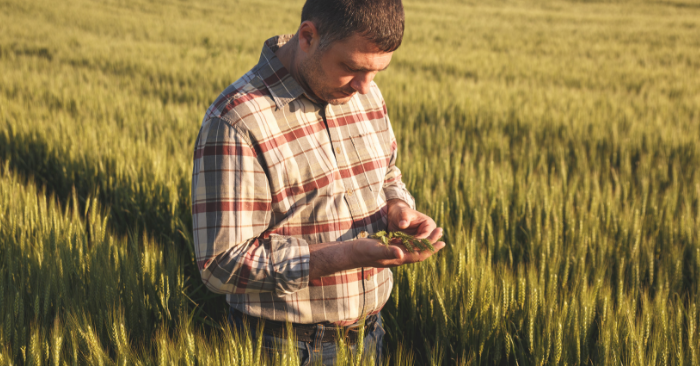
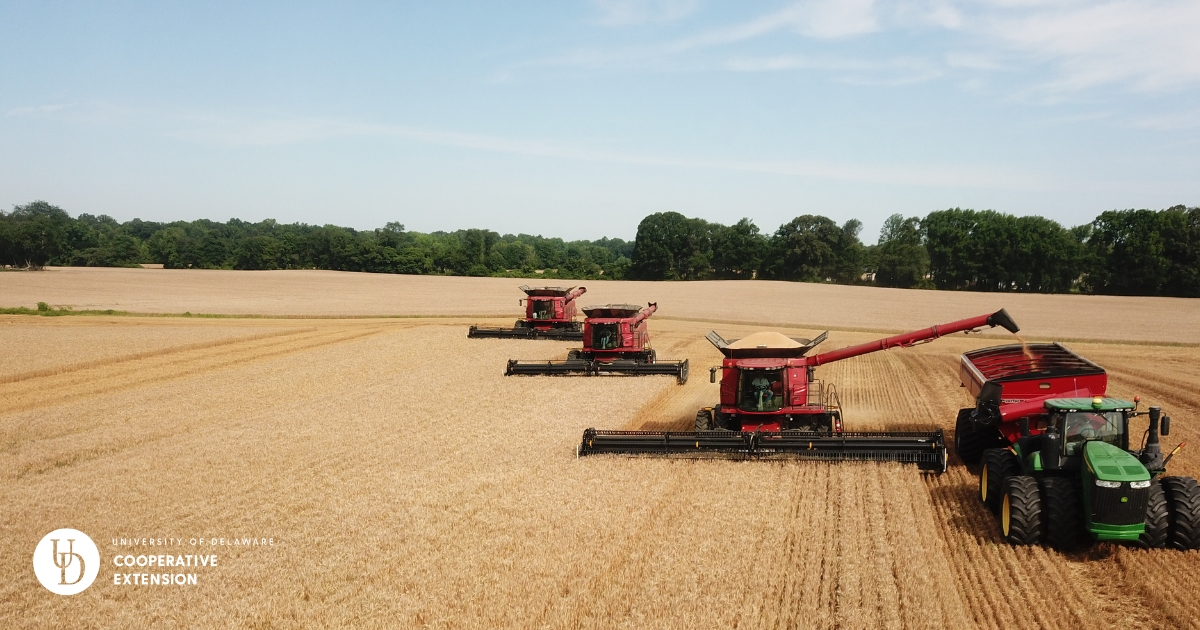
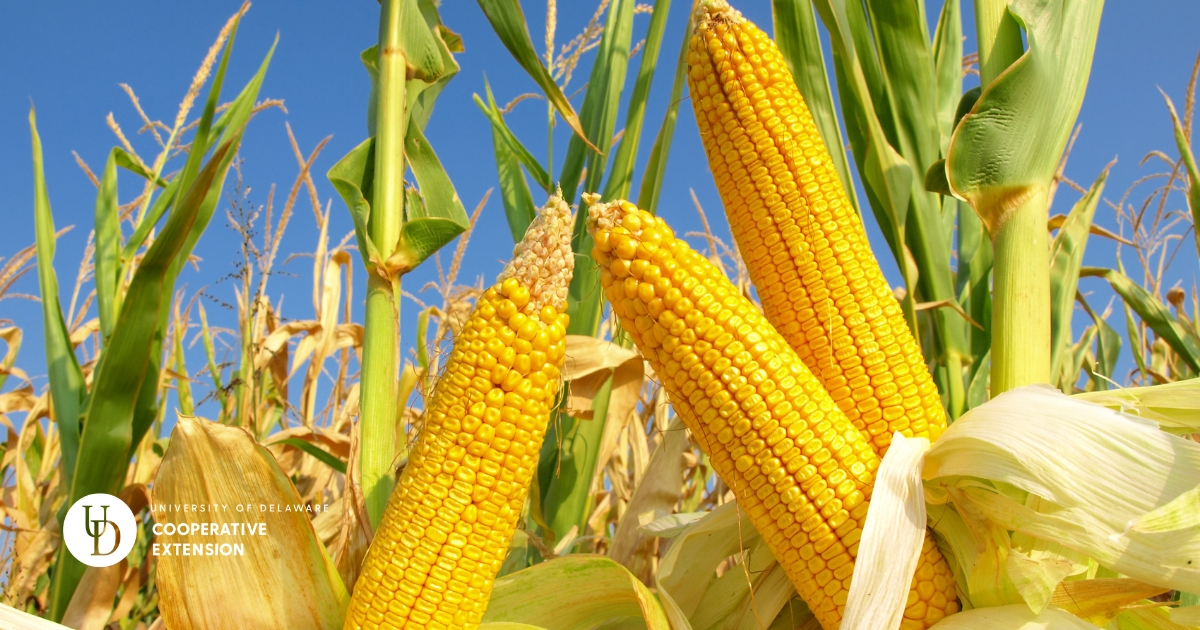
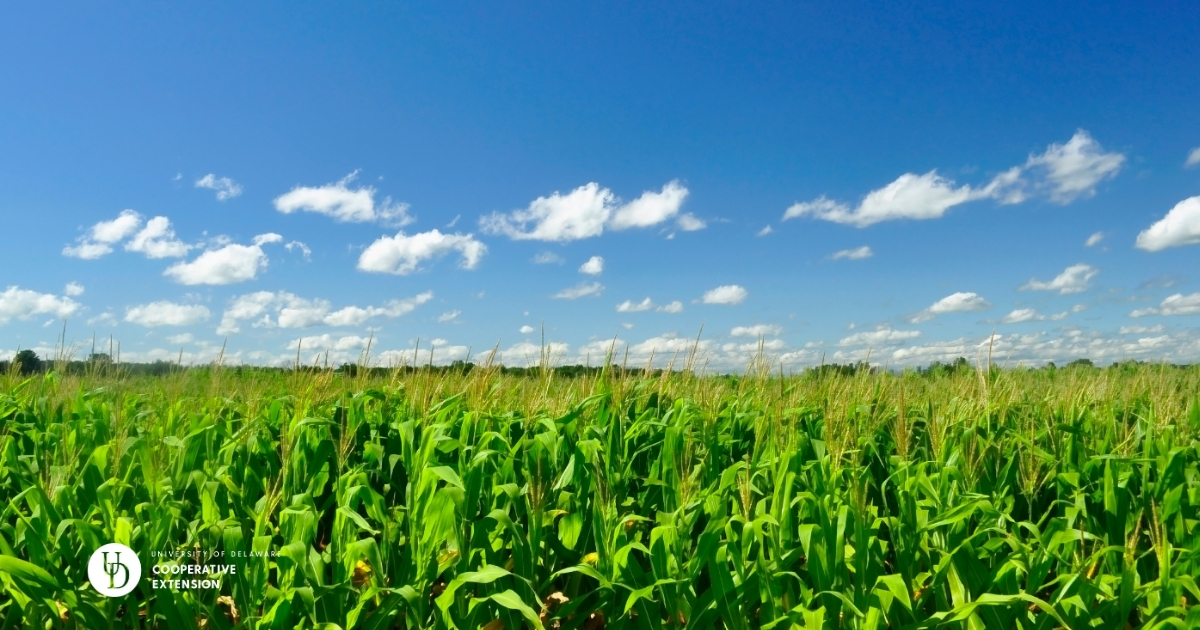
Featuring corn, soybeans and small grains, Delaware's commercial field crops are an important local industry.
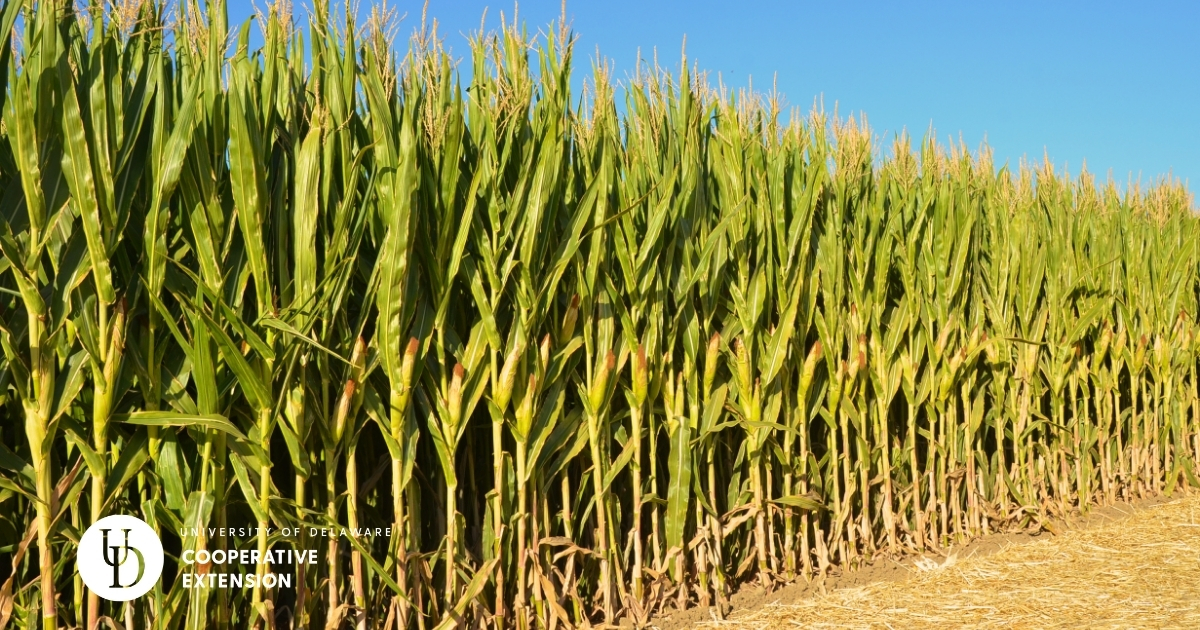
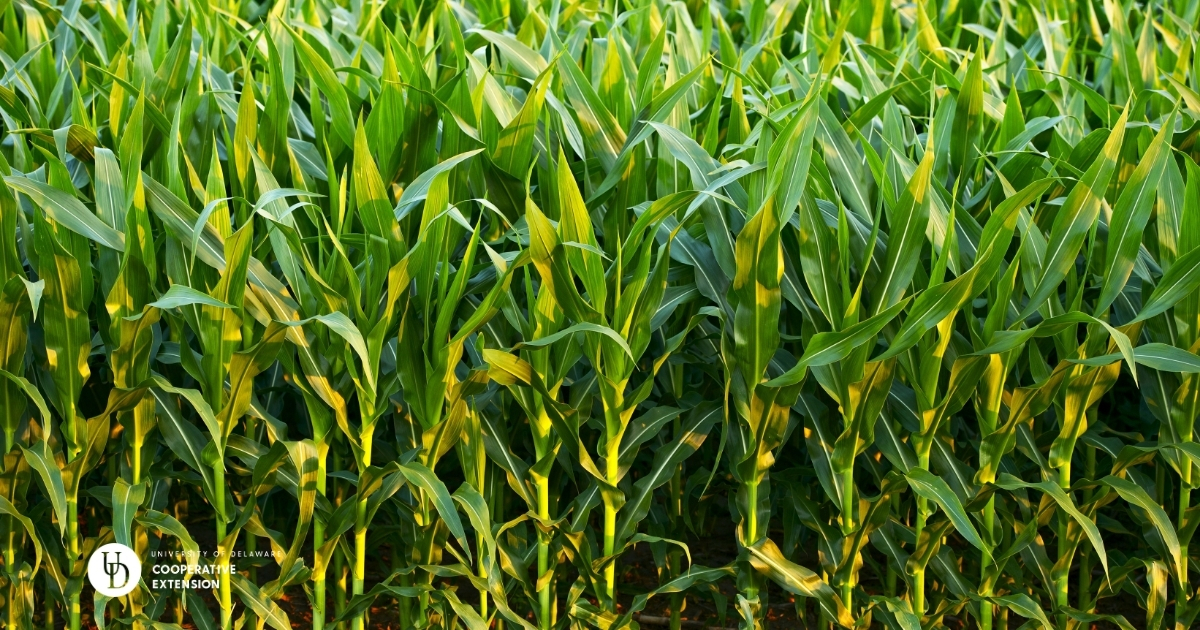
Corn
Disease
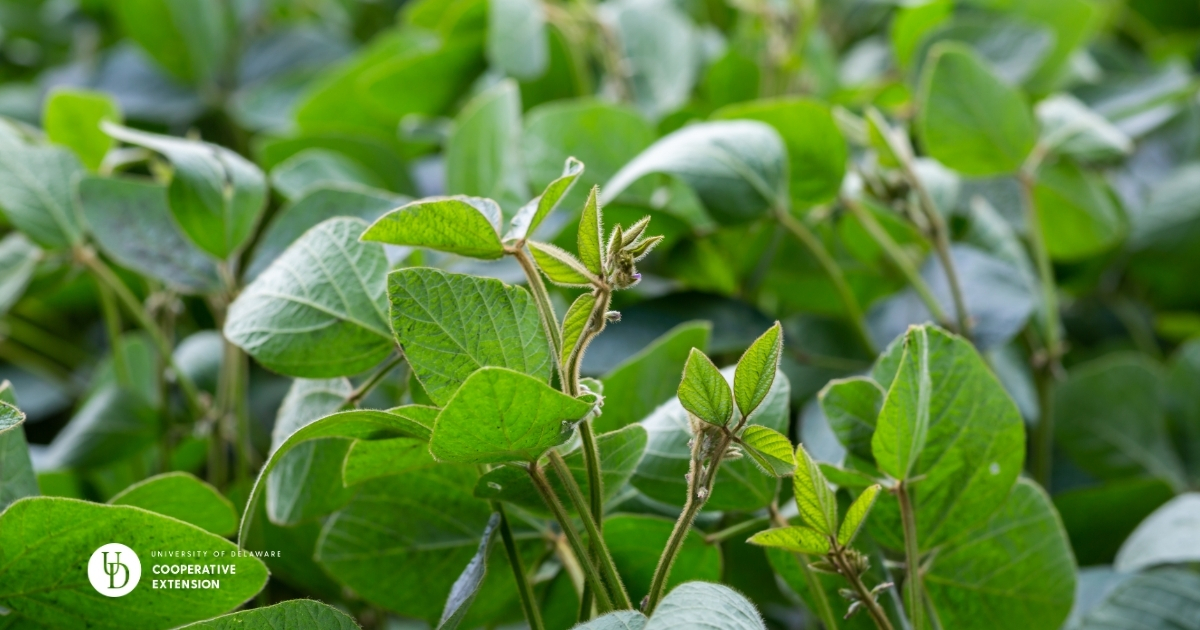
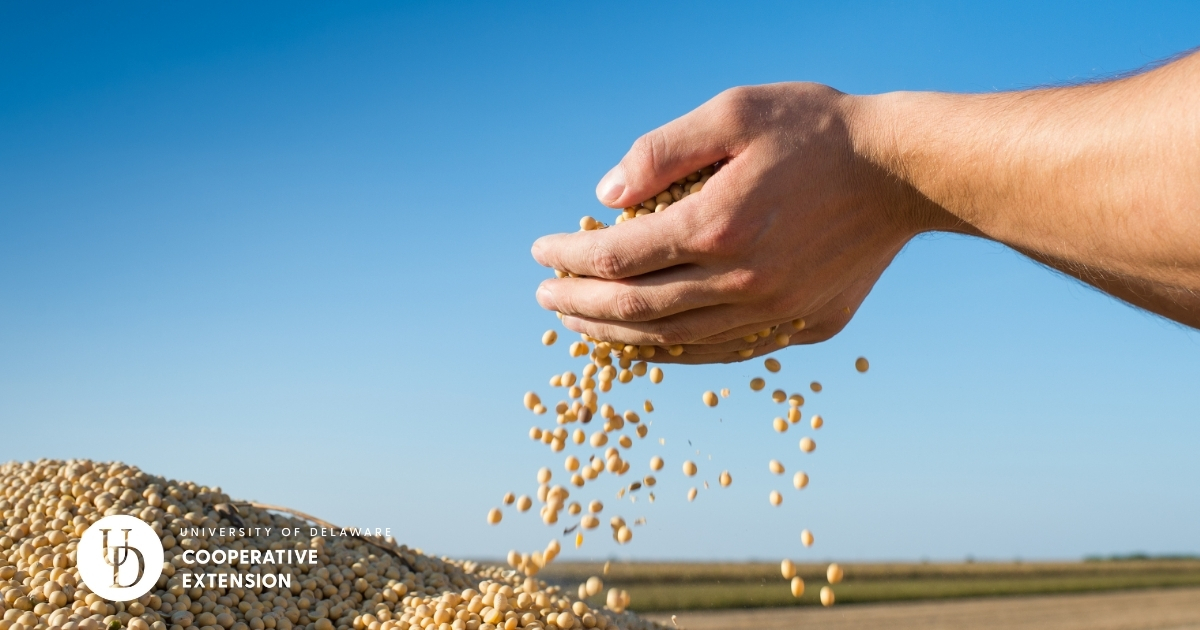
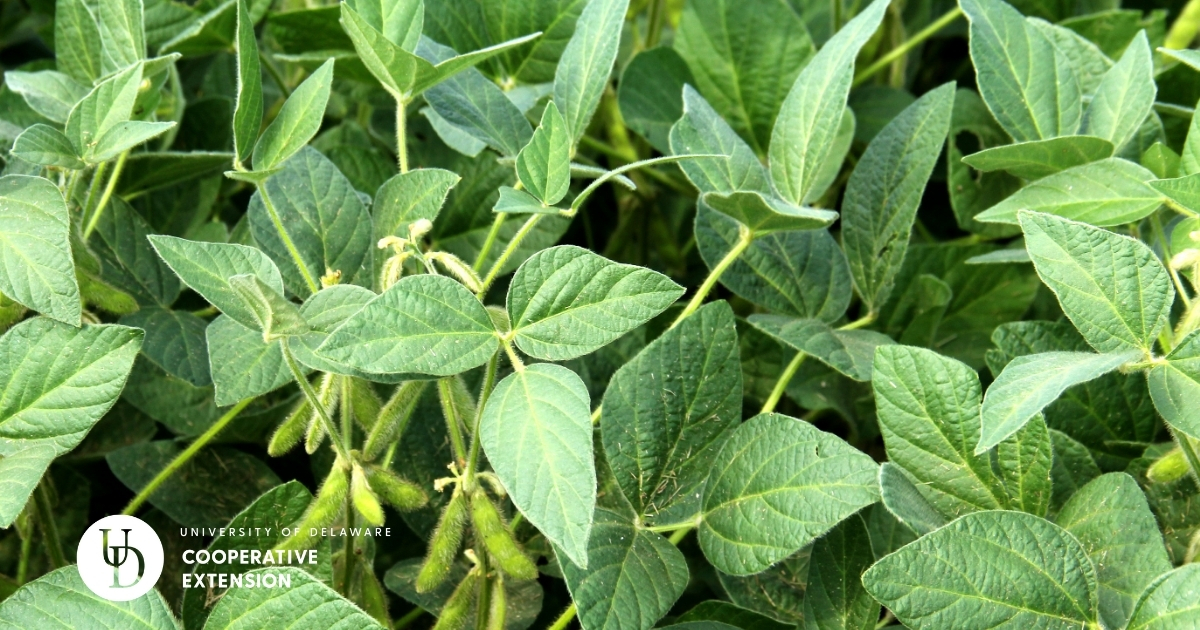
Soybeans
Disease
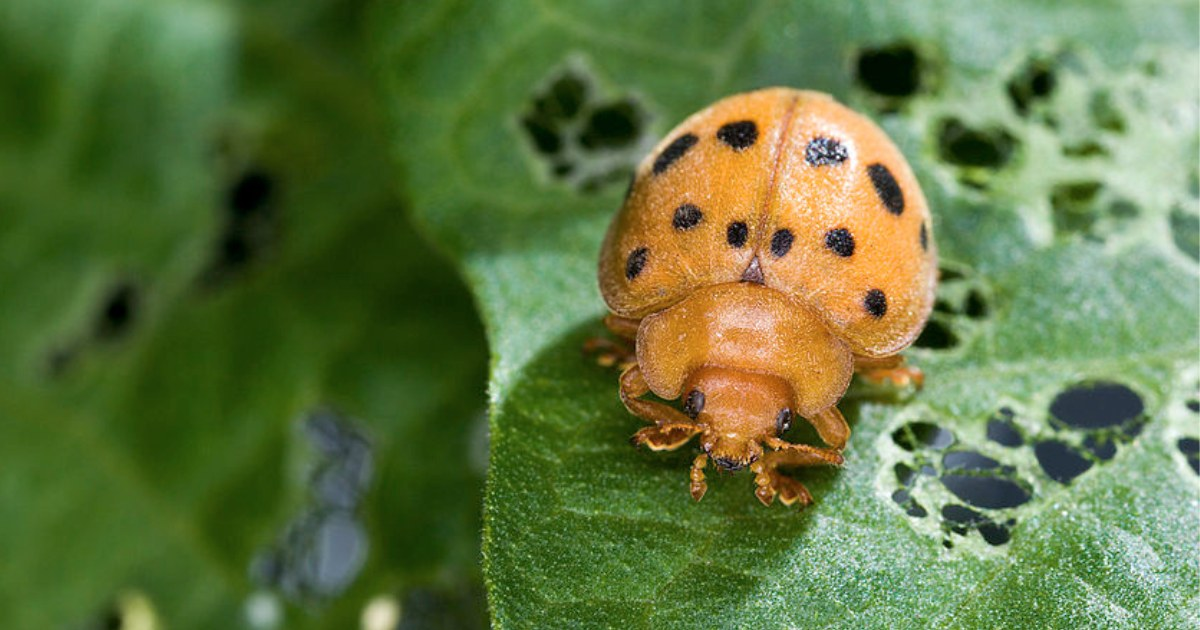
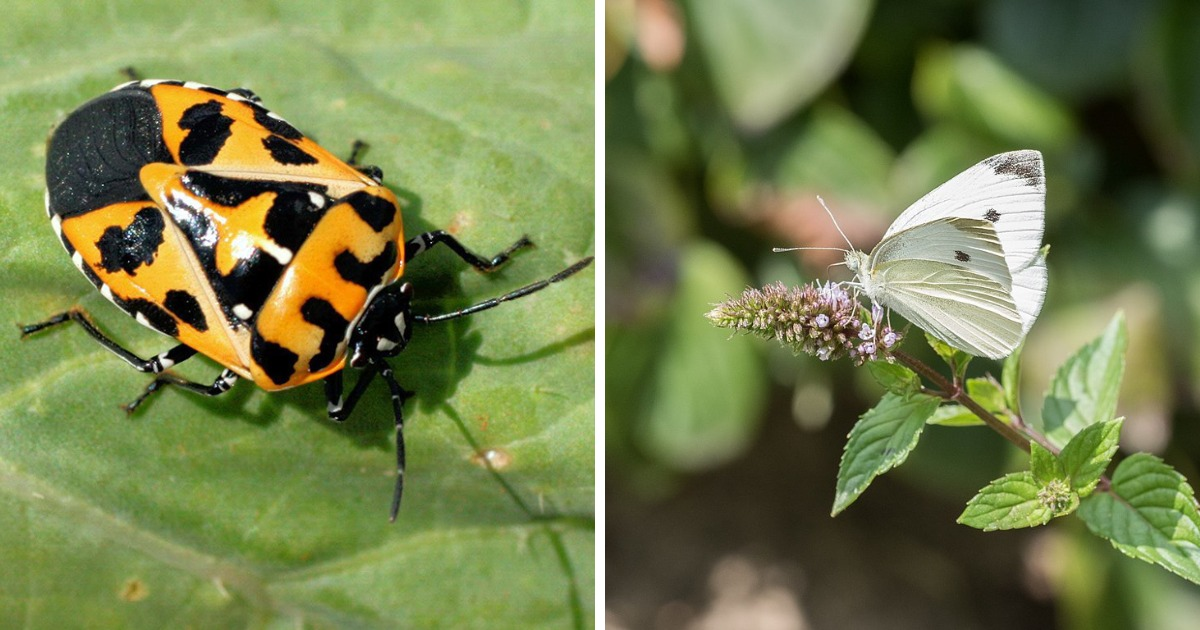
Insects
Need a Fact Sheet?
Email Alyssa Betts at akoehler@udel.edu to request any of the following fact sheets:
- Anthracnose Leaf Blight and Stalk Rot of Corn
- Charcoal Rot in Soybean
- Gray Leaf Spot on Corn
- Root Knot Nematode in Soybeans
- Sclerotinia stem blight (white mold) on Soybean
- Soybean Severe Stunt Virus
- Fusarium Head Blight Management in Wheat
Variety Trials
Pest Management
Learn more
Related Fact Sheets
Filter by Category
All Results
-
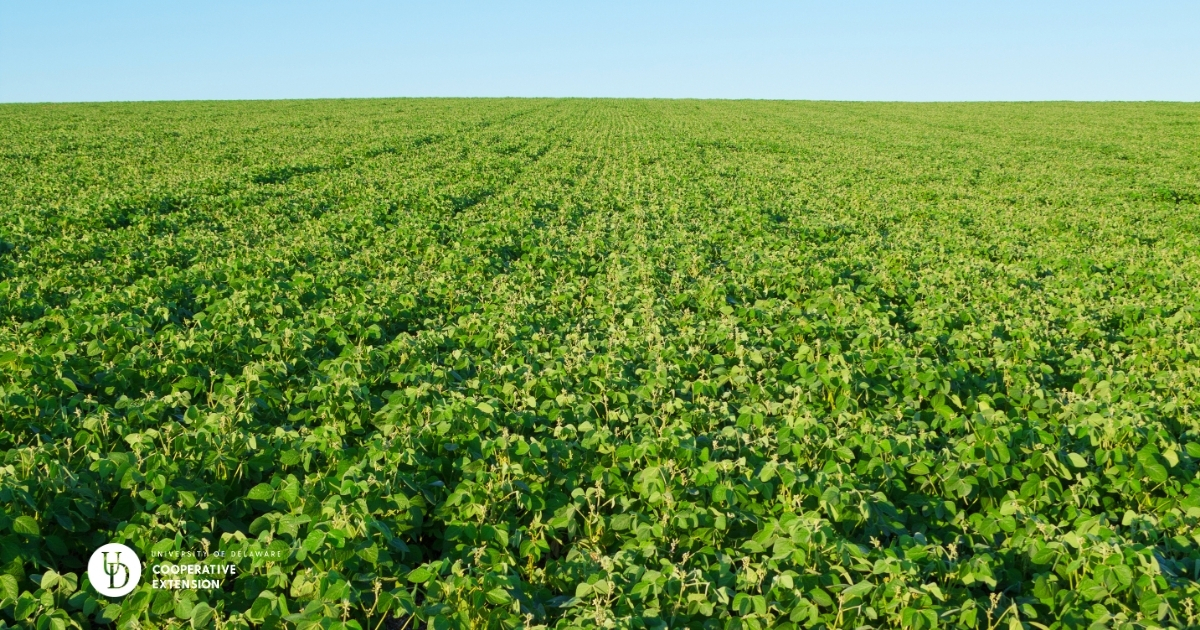
SOYBEAN VEIN NECROSIS VIRUS
Soybean Vein Necrosis Virus is an Orthotospovirus. This virus can be seed borne or vectored by multiple thrips species.
-
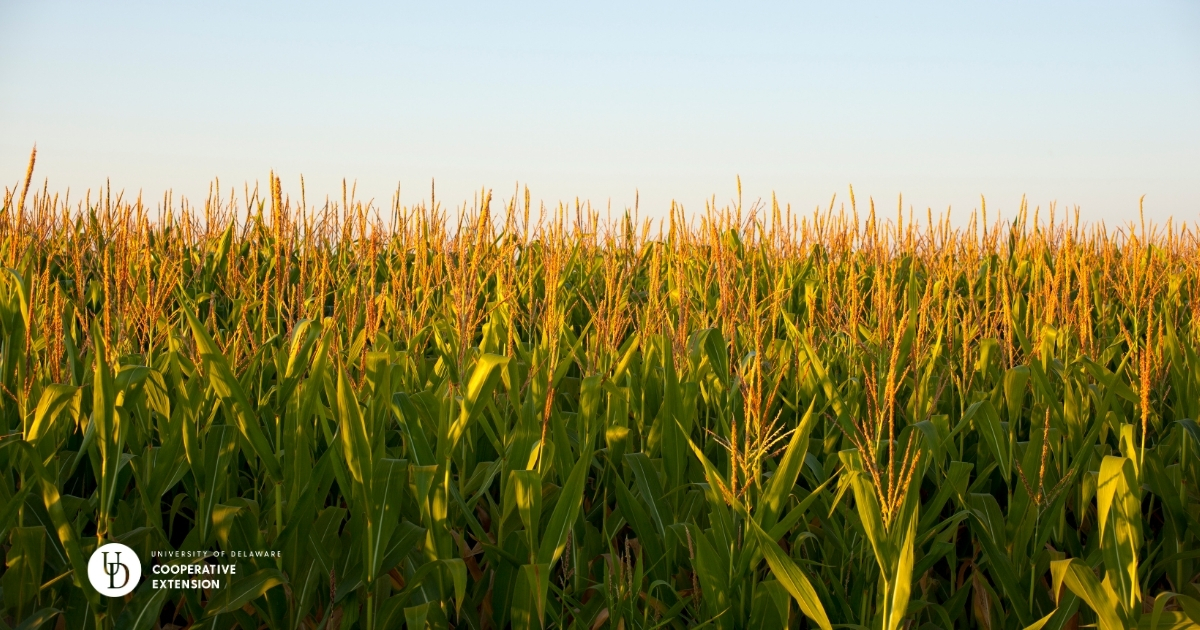
TAR SPOT OF CORN
Tar spot is caused by the fungal pathogen Phyllachoramaydis. Under favorable conditions for disease, yield loss on susceptible hybrids can be severe.
-
A Comparison of Methods to Determine Lime Requirement
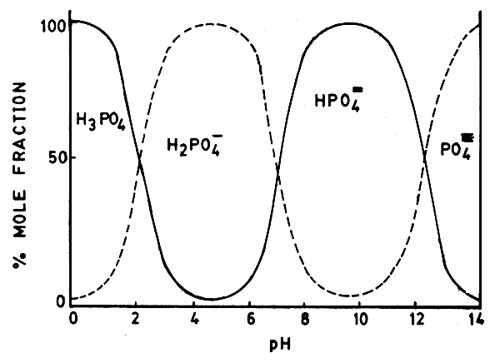
Maintaining an optimal soil pH is crucial for maximizing crop yields and promoting overall soil health. The optimal soil pH is typically between 5.5 and 7.0 for most crops growing in Delaware. Maintaining an optimal soil pH ensures that essential nutrients are readily available for plant uptake and minimizes the potential for toxicity from elements like aluminum (Al) and manganese (Mn), which can become harmful in overly acidic conditions.








- 1
- 2
- 3
- 4
- 5
- 6
- 7
- >>