
Disease Management

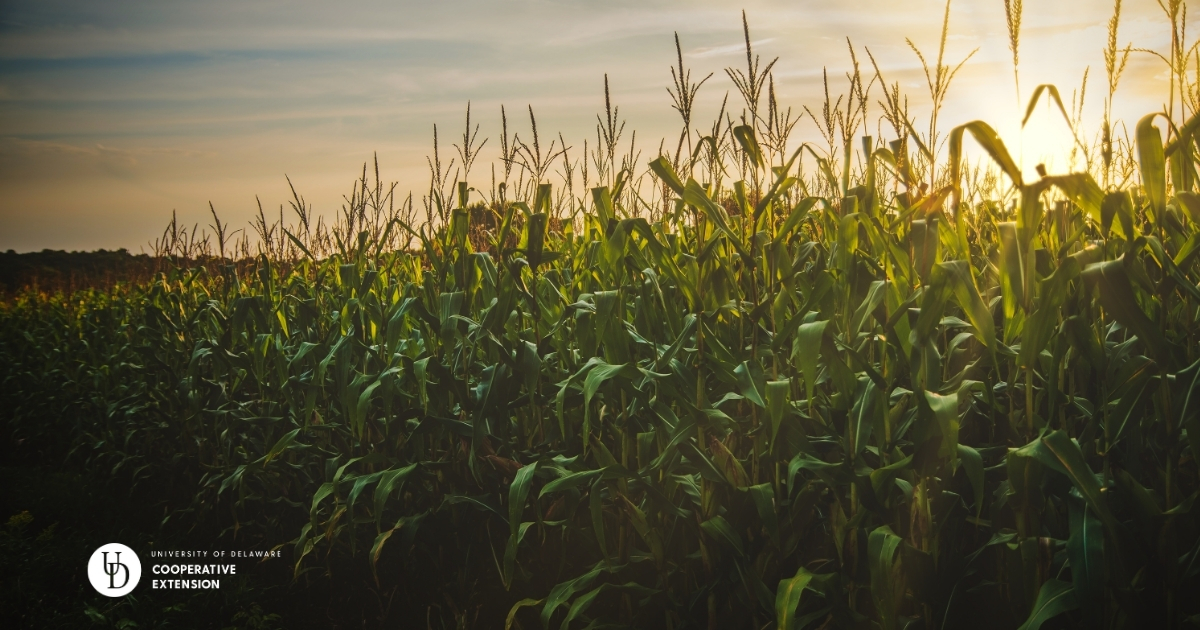
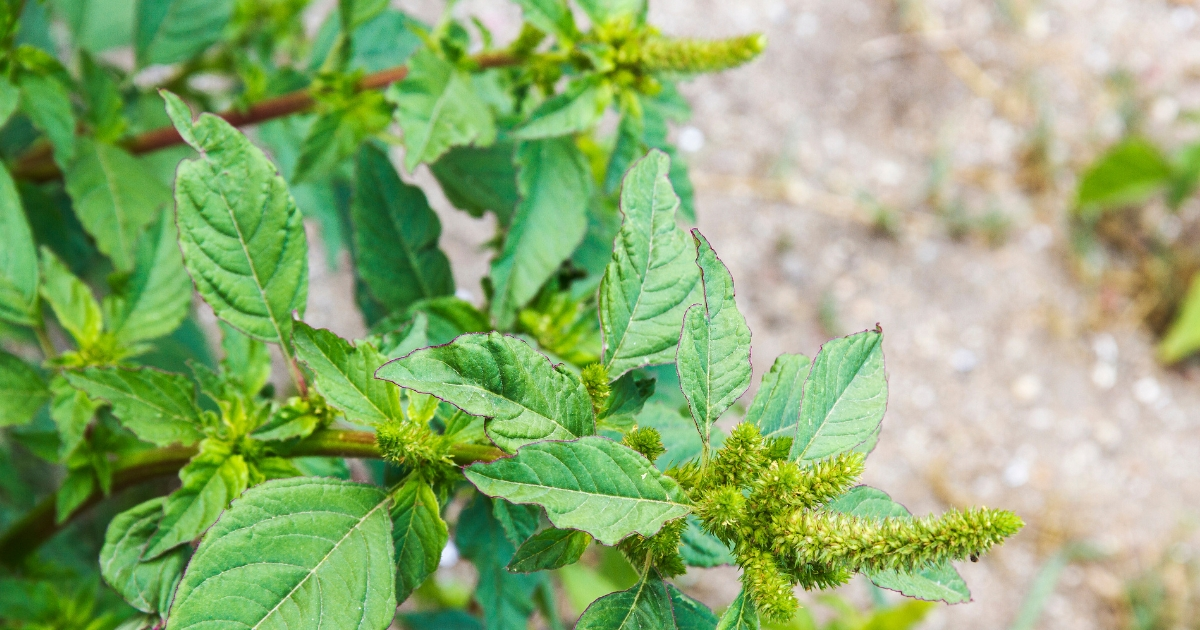
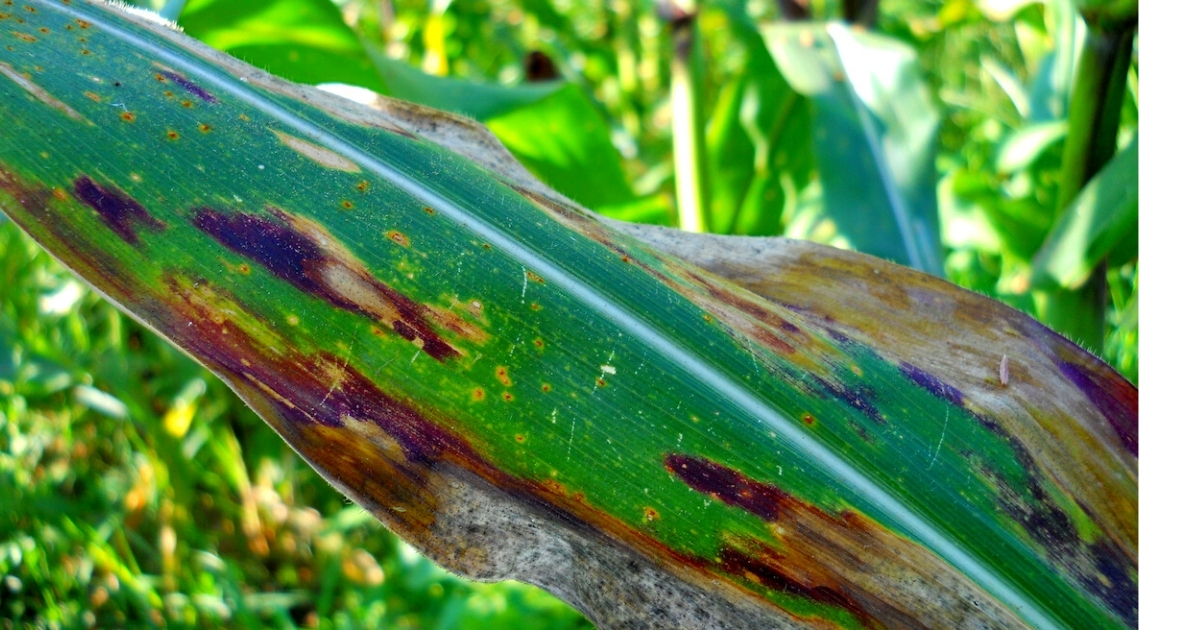
Leaf Blight on a corn leaf.

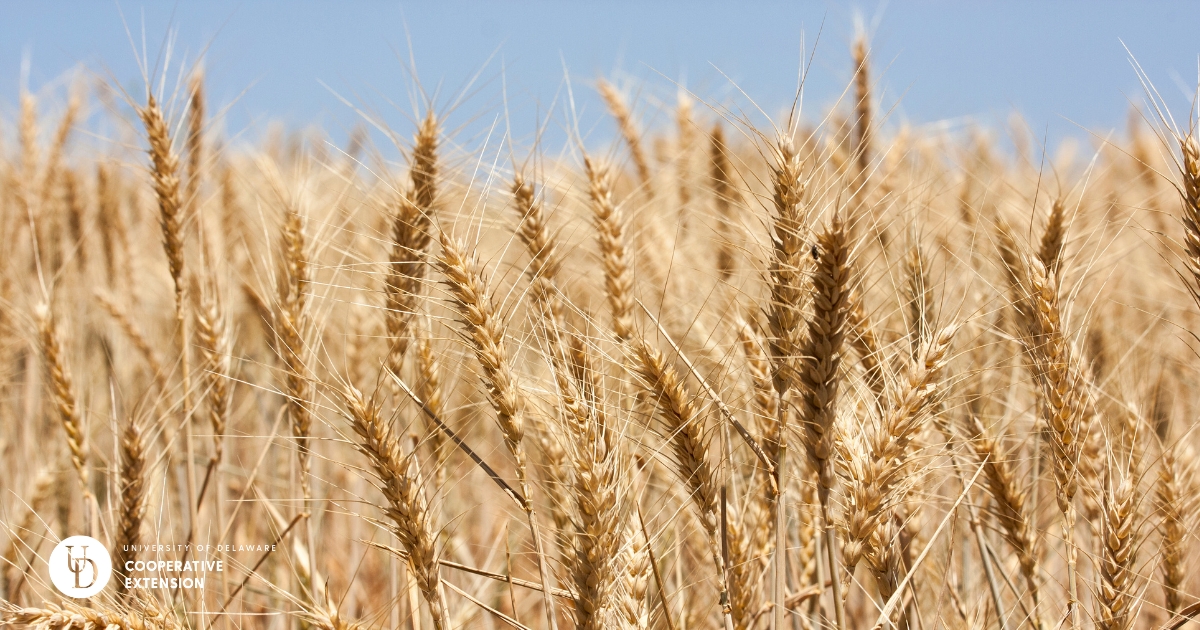
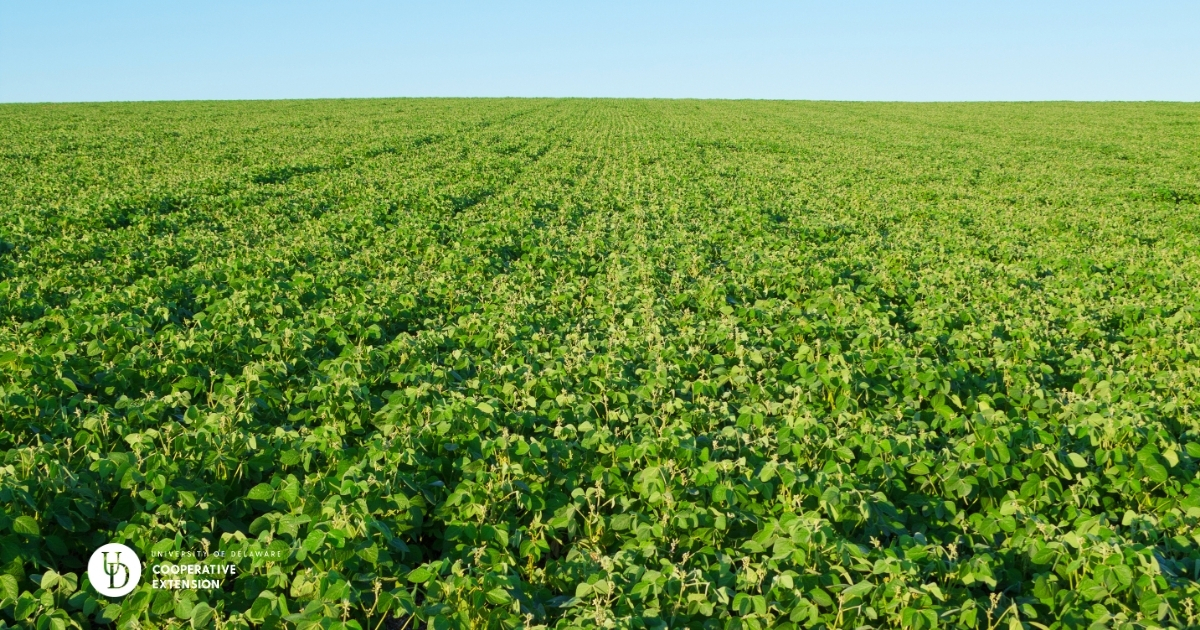
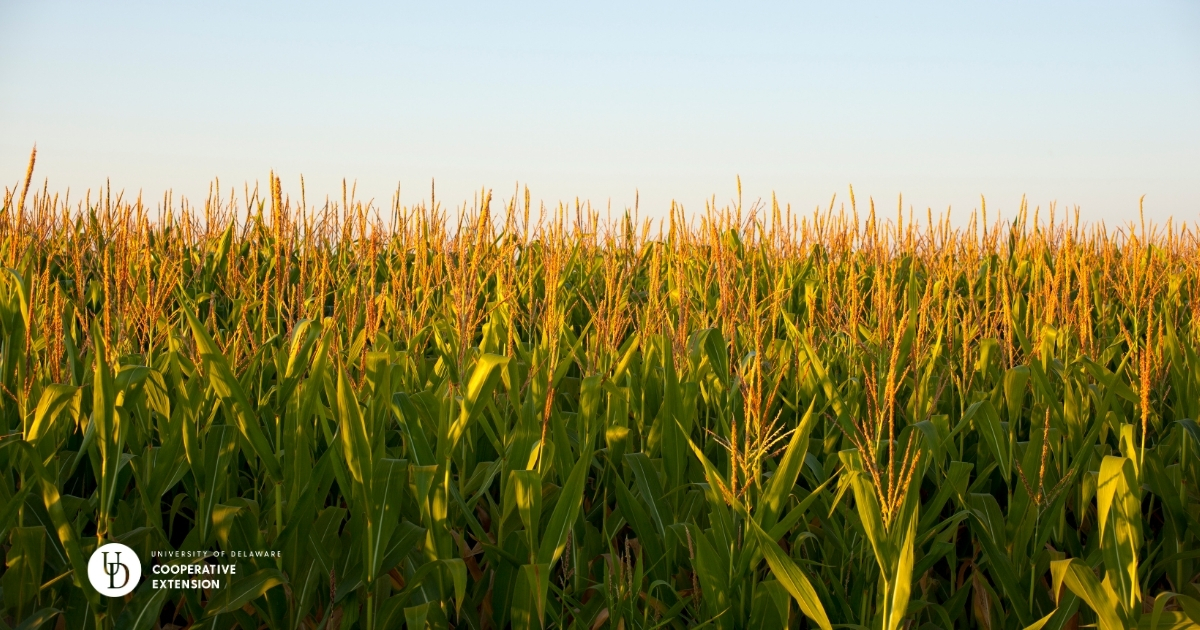
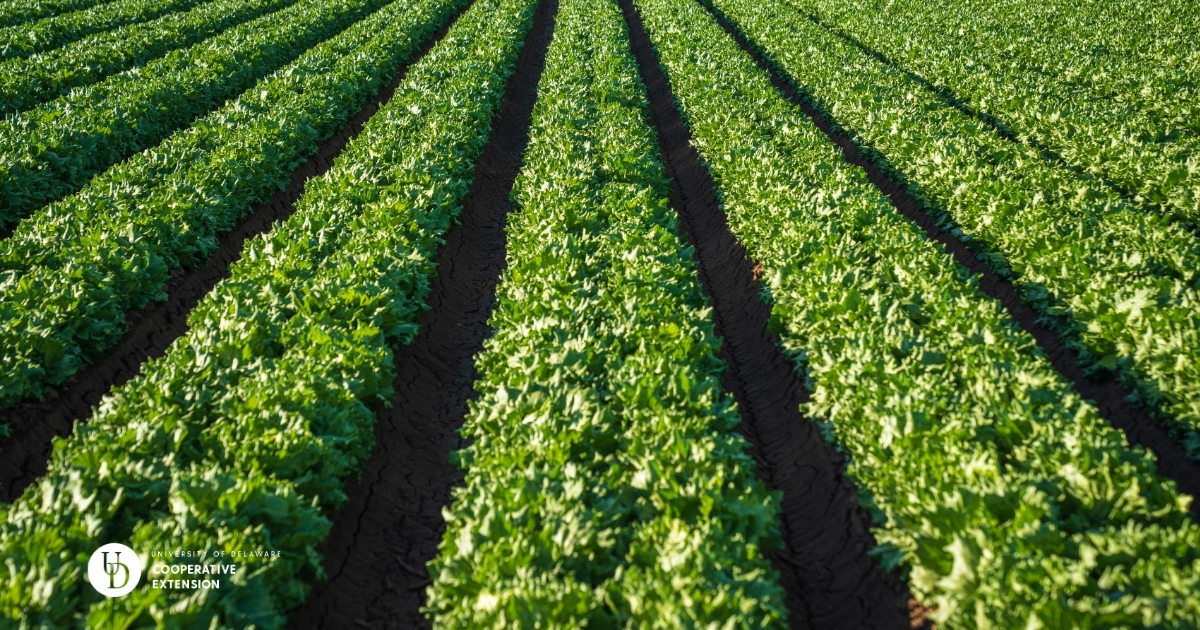
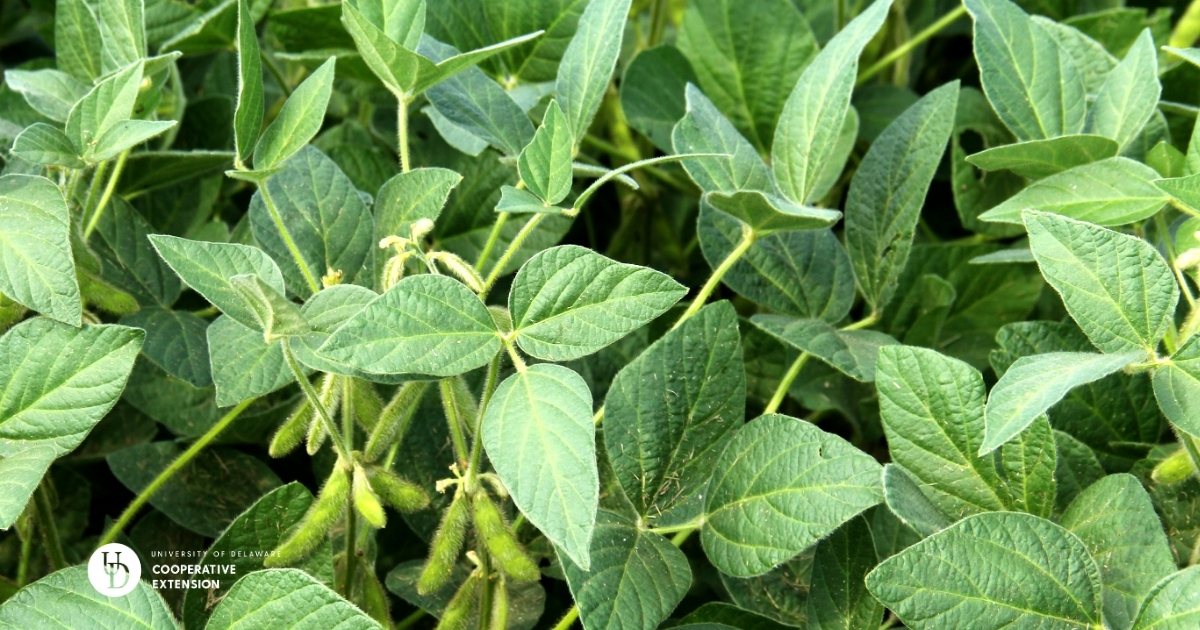
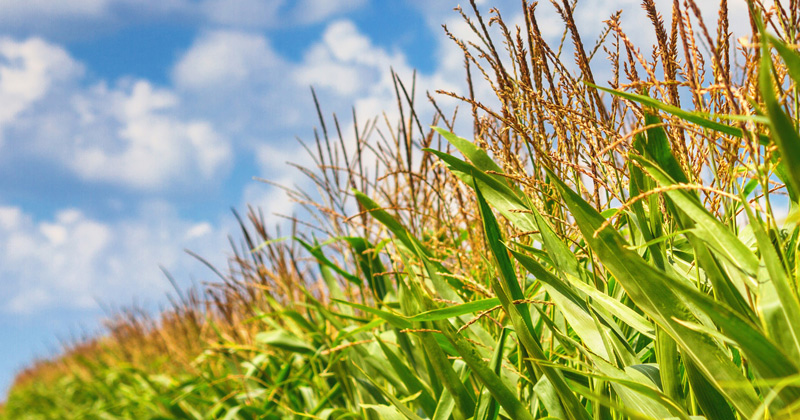
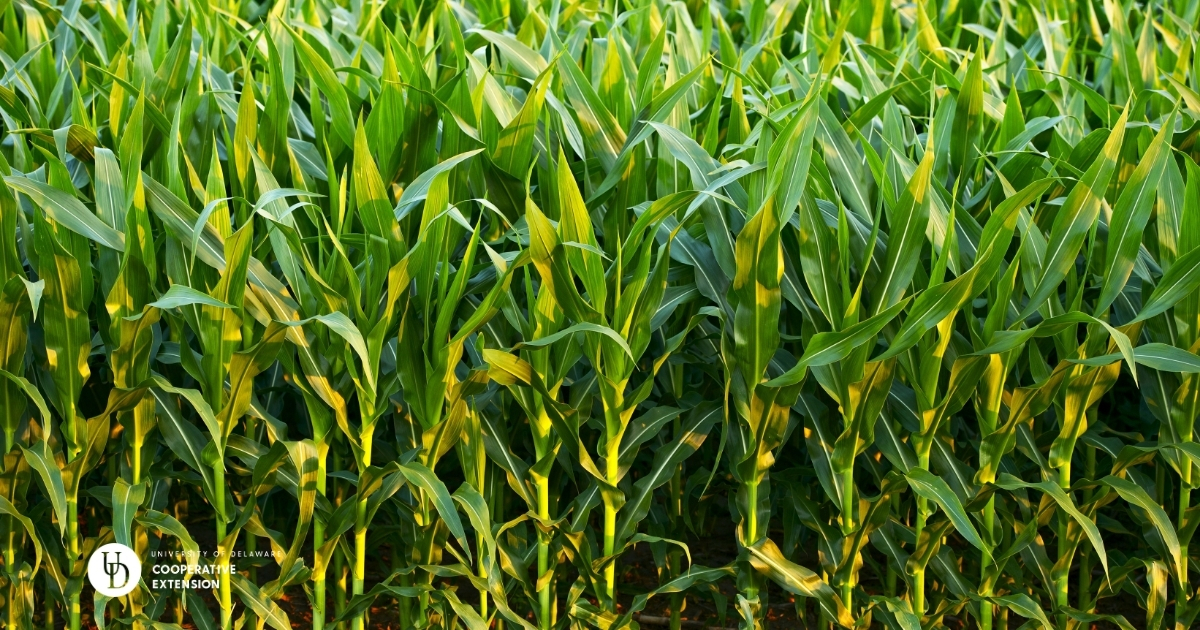
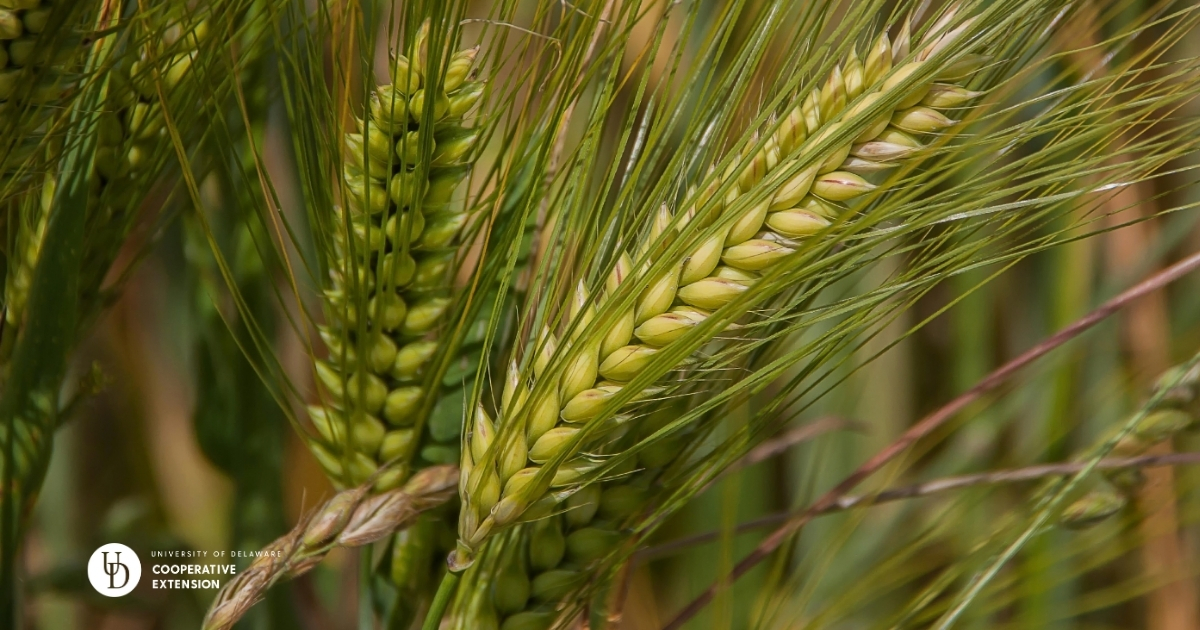
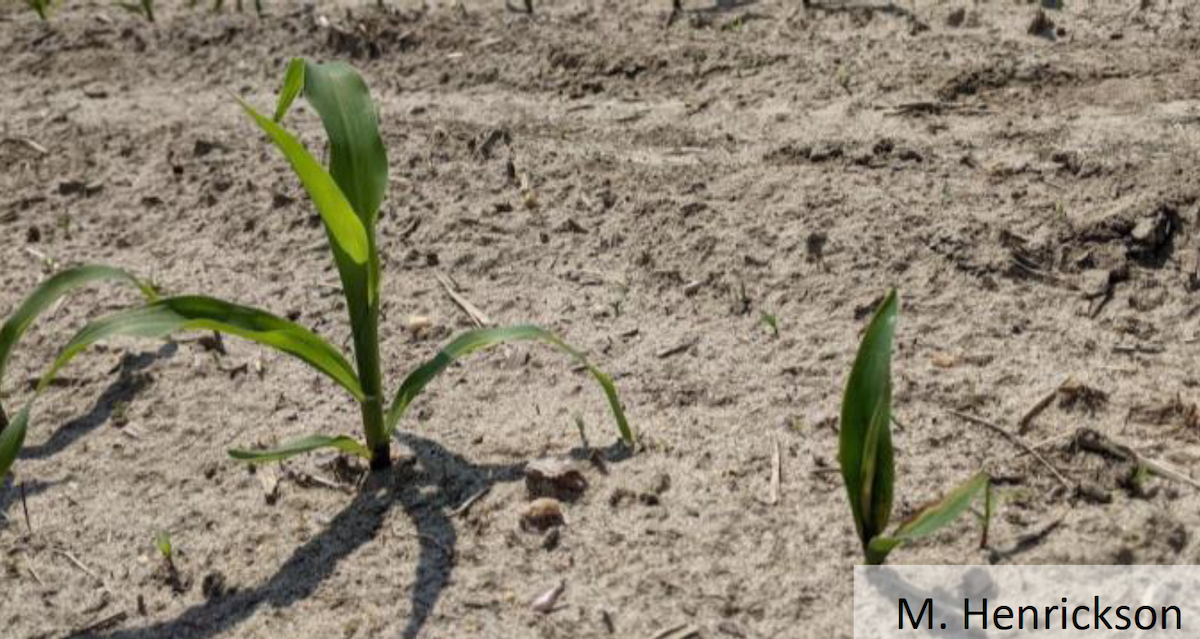
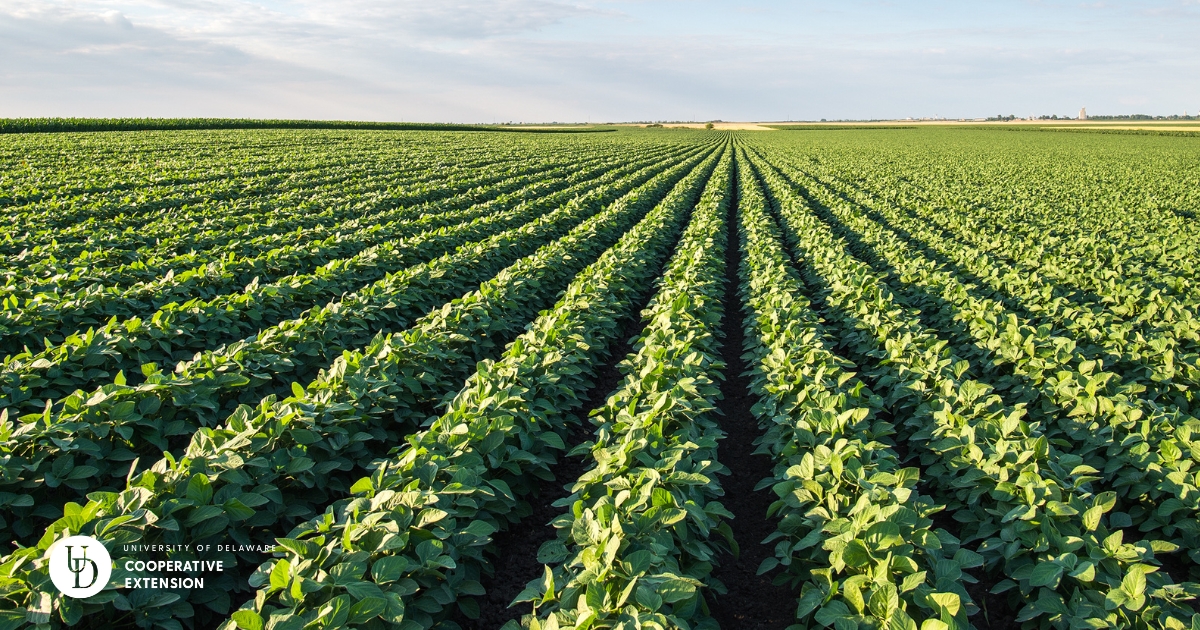
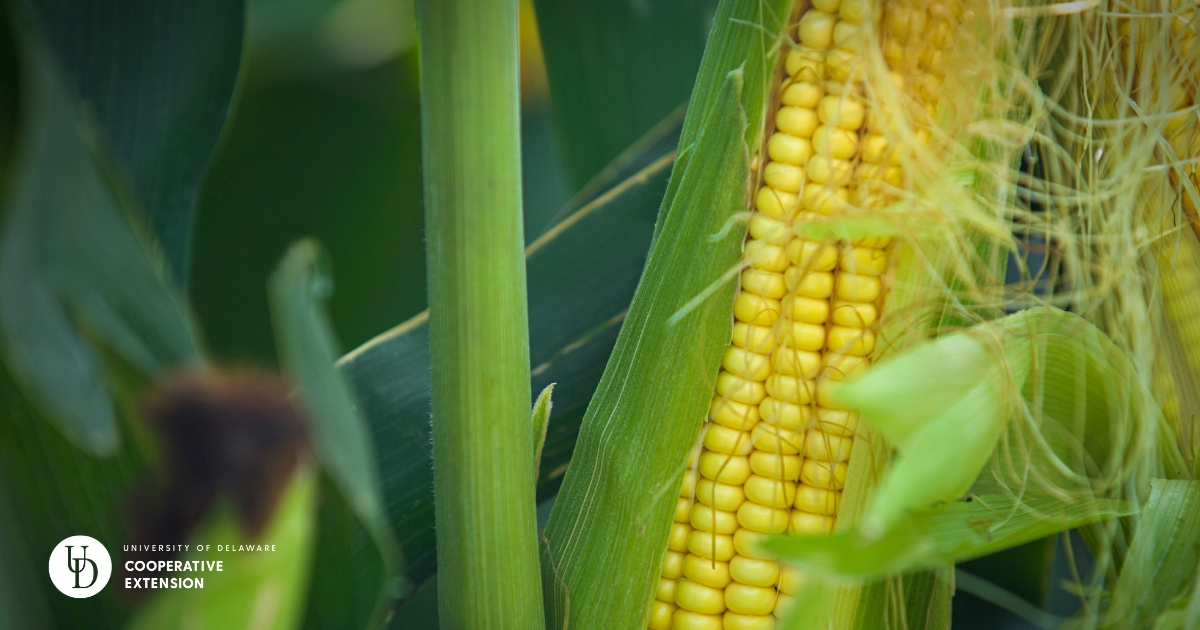
Featuring corn, soybeans, small grains and cucurbits: Delaware's commercial field crops are an important local industry.
Can't find what you are looking for?

Email Alyssa Koehler Betts at akoehler@udel.edu

Cucurbits

Cucurbits

Fact Sheets

Coming soon...


All Commercial Plant Disease Fact Sheets


All Results

Clear All Filters

Sorry, no results found.

  • SOYBEAN VEIN NECROSIS VIRUS

    Soybean Vein Necrosis Virus is an Orthotospovirus. This virus can be seed borne or vectored by multiple thrips species.

  • TAR SPOT OF CORN

    Tar spot is caused by the fungal pathogen Phyllachoramaydis. Under favorable conditions for disease, yield loss on susceptible hybrids can be severe.

  • APPLIED RESEARCH RESULTS ON FIELD CROP AND VEGETABLE DISEASE CONTROL

    The primary purpose of this book is to provide cooperators and contributors a summary of the results of field research. Many data summaries and conclusions in chapters from this book have been submitted to the American Phytopathological Society for publication in Plant Disease Management Reports in 2015.
  • ASH RUST

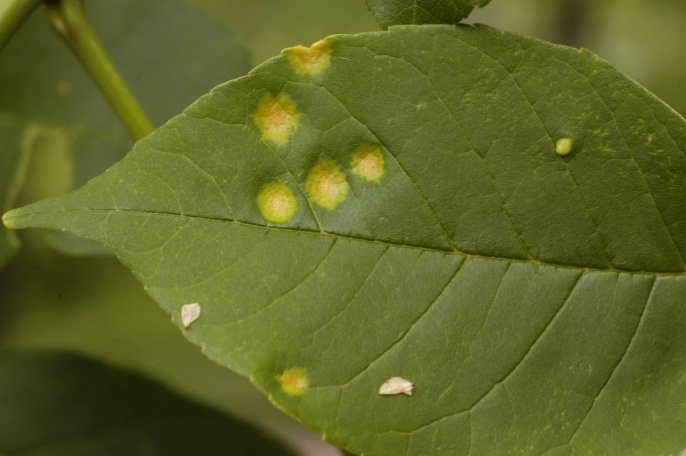
    Ash rust, caused by the rust fungus Puccinia sparganioides, is a disease which infects white and green ash in Delaware. Black ash is also reported as a host where it occurs. Leaves, petioles and green twigs are infected. Ash rust, like many rust diseases, needs two different hosts to complete its complicated life cycle. The alternate host for ash rust is marsh and cord grass (Spartina spp.and Distichlis spicata) which is found in coastal areas.

  • BARLEY YELLOW DWARF VIRUS

    Barley Yellow Dwarf (BYD) is caused by the viral pathogen Barley Yellow Dwarf Virus (BYDV) complex. The BYDV complex consists of five closely related viruses in the Luteoviridae family.

  • CERCOSPORA LEAF BLIGHT AND PURPLE SEED STAIN IN SOYBEAN

    Cercospora leaf blight and purple seed stain are caused by the fungus Cercospora kikuchii. This is a widespread disease, but yield loss is rarely observed.

  • CURVULARIA LEAF SPOT

    Curvularia leaf spot is caused by the fungal pathogen Curvularia lunata. This disease was first observed in Delaware at the end of the 2020 season. The economic impact of this disease is still unknown in the United States.

  • Corn Smut

    Corn smut is caused by the fungal pathogen Ustilago maydis. Spores are spread through wind or water splashing to nearby plants. This pathogen infects the corn through the silks prior to pollination, or by wounds on the plant.

  • DOWNY MILDEW ON LIMA BEAN

    Downy mildew of lima bean, caused by the oomycete, Phytophthora phaseoli, is a common disease in Delaware production areas. Proper identification and management of the disease is critical for protecting lima bean yields. This publication will review how to correctly identify the disease, describe its lifecycle, and outline management options for growers.

  • Early Season Symptom Chart

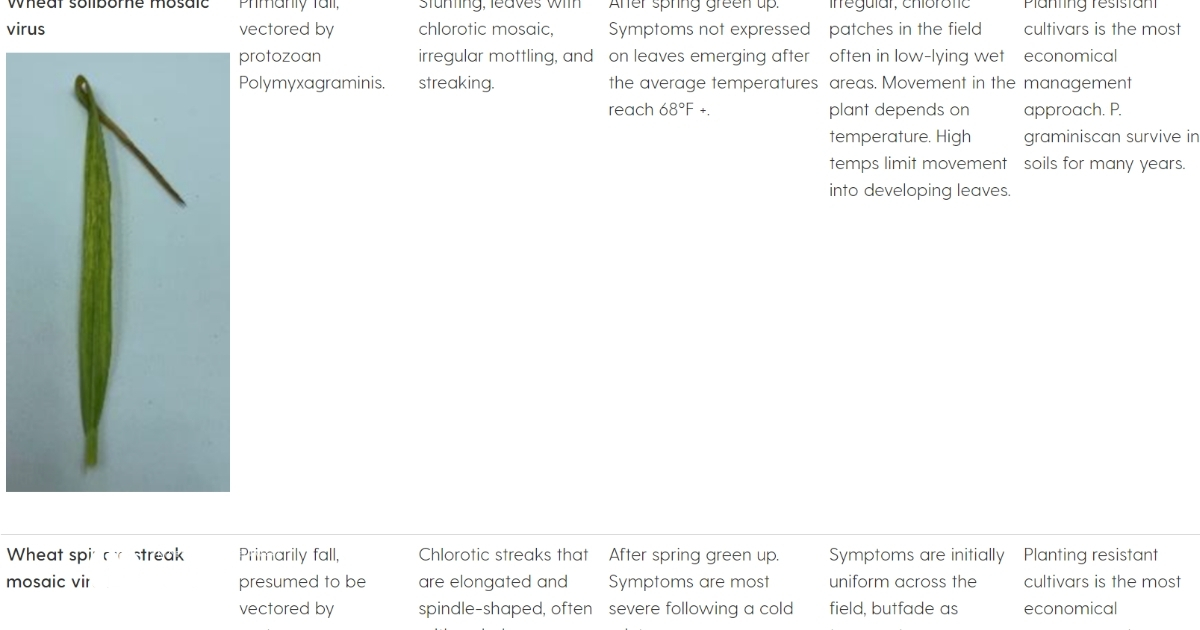
    Early Season Symptom Chart: After spring green up. Symptoms not expressed on leaves emerge after the average temperatures reach 68°F +.

  • FROGEYE LEAF SPOT

    Caused by the fungus Cercospora sojina. The occurrence and severity of this disease varies across the region. Resistance to Group 11 (QoI) fungicides has been widely documented.

  • FROGEYE LEAF SPOT ON SOYBEAN

    Over the past 10 years the disease has been reported throughout soybean growing regions of the United States as far north as Minnesota [1].  FLS occurs in Delaware but to date its effects have not been severe.  This publication will discuss symptoms of the disease, the disease cycle, and management recommendations.

  • FUSARIUM HEAD BLIGHT

    FHB, or scab, affects wheat, barley, oats, corn, and other grasses. Fusarium graminearum (syn. Gibberella zeae) is favored by warm, humid conditions during flowering and early kernel development.

  • GRAY LEAF SPOT

    Gray leaf spot is caused by the fungal pathogen, Cercosporazeae-maydis. This disease is favored by warm temperatures over 80°F, and extended periods of high humidity. Fungal spores overwinter in corn crop residue, increasing chances for infection on non-rotated crops.

  • HOW TO SCOUT AND TROUBLESHOOT PROBLEMS IN CROPS

    Gather tools that will help you acquire a sample, cutters, small shovel, hand lens, plastic bags, marker, etc. Go to the field with an open mind and investigate all possibilities!

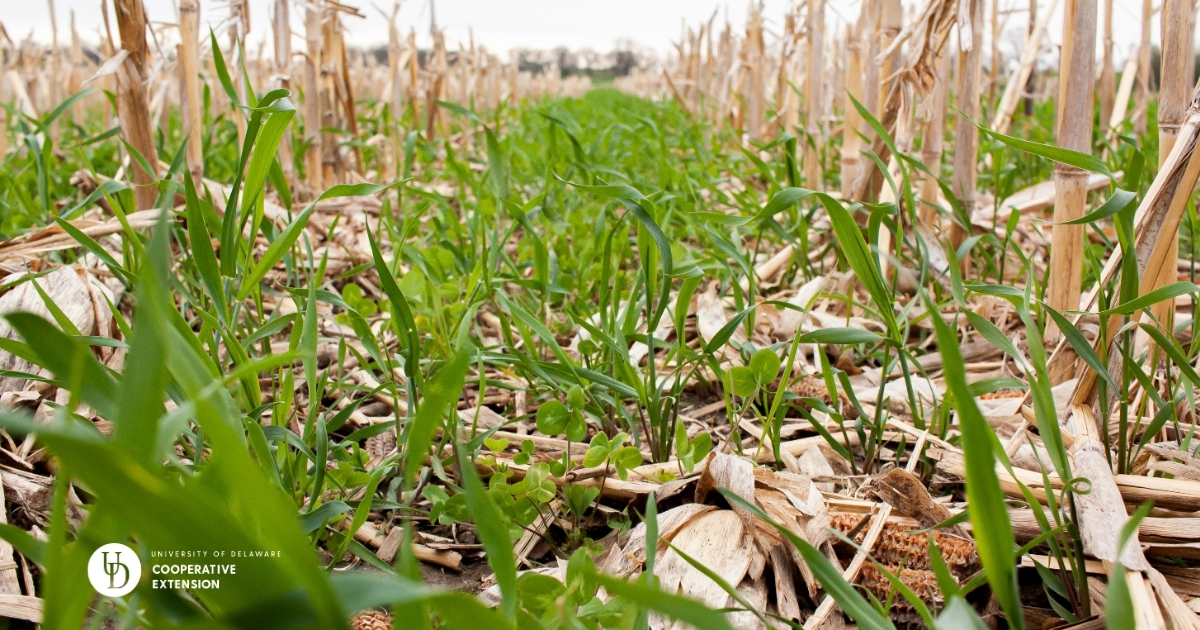
  • MANAGING FALL-PLANTED COVER CROPS FOR MAXIMUM BENEFIT

    Cover crops play an important role in protecting the soil and water when main crops like corn or soybean are not actively growing. The National Conservation Service promoted the use of cover crops during the Dust Bowl crisis of the 1930s, to protect soils from erosion.

  • NEMATODE SOIL SAMPLING IN SOYBEANS

    When observing unexplained stunting, wilting, or death in crops. When planting into a field with a history of nematodes. In areas with prior poor performance.

  • NORTHERN CORN LEAF BLIGHT

    Northern corn leaf blight (NCLB) is a disease of corn caused by the fungus, Exserohilum turcicum. Severe outbreaks of the disease can cause up to 30-50% yield loss in dent corn if the disease is established before tassel [1]. NCLB also causes significant reduction in quality in sweet corn and silage corn. This publication will outline how to identify the disease, review its lifecycle, as well as appropriate management options for growers.

  • PHYSODERMA BROWN SPOT

    Physoderma brown spot is caused by the fungal pathogen Physodermamaydis. Infection occurs in the leaf whorl when water has been present for an extended, warm period. Disease is limited and does not typically cause economic loss in the Mid-Atlantic.

  • POWDERY MILDEW ON SMALL GRAINS

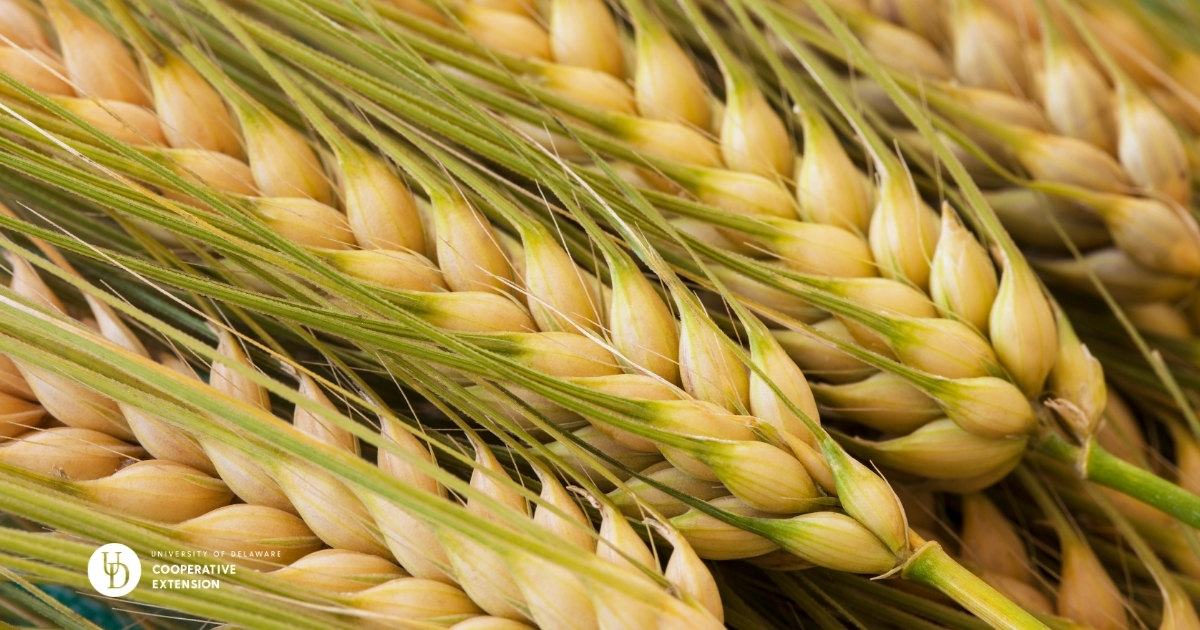
    Powdery Mildew (PM) is a fungal leaf disease caused by Blumeria graminis , which can reduce grain yield and quality in cereal crops.

  • PYTHIUM ROOT ROT

    Caused by many species of the oomycete pathogen Pythium. Pythiumspecies are favored by periods of extended soil wetness.

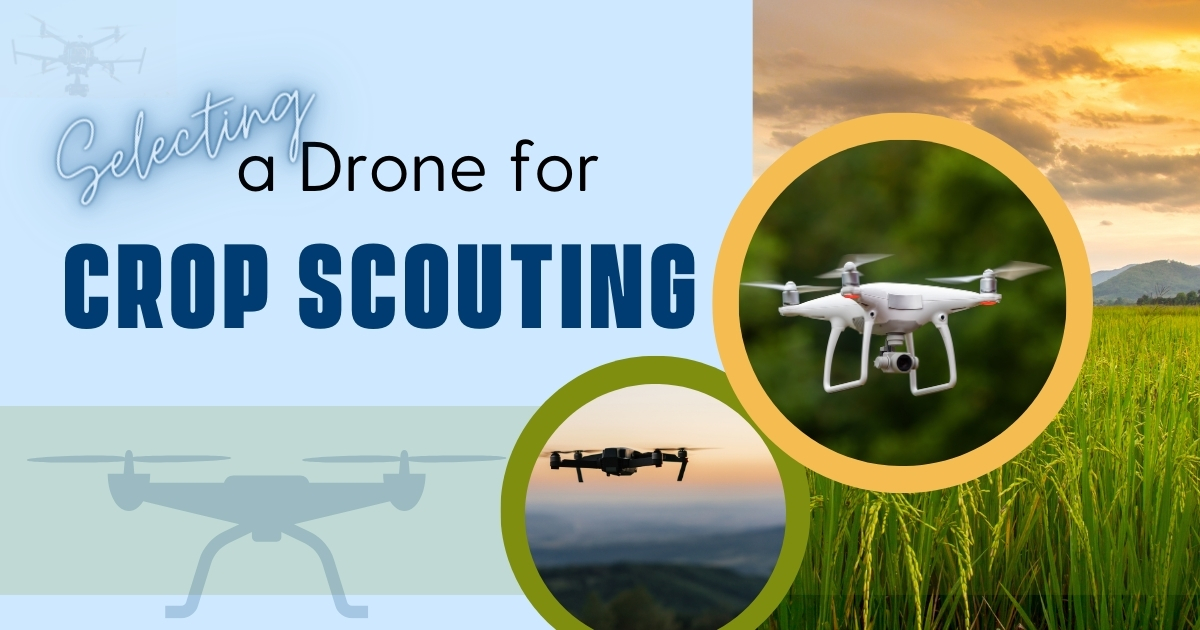
  • SELECTING A DRONE FOR CROP SCOUTING

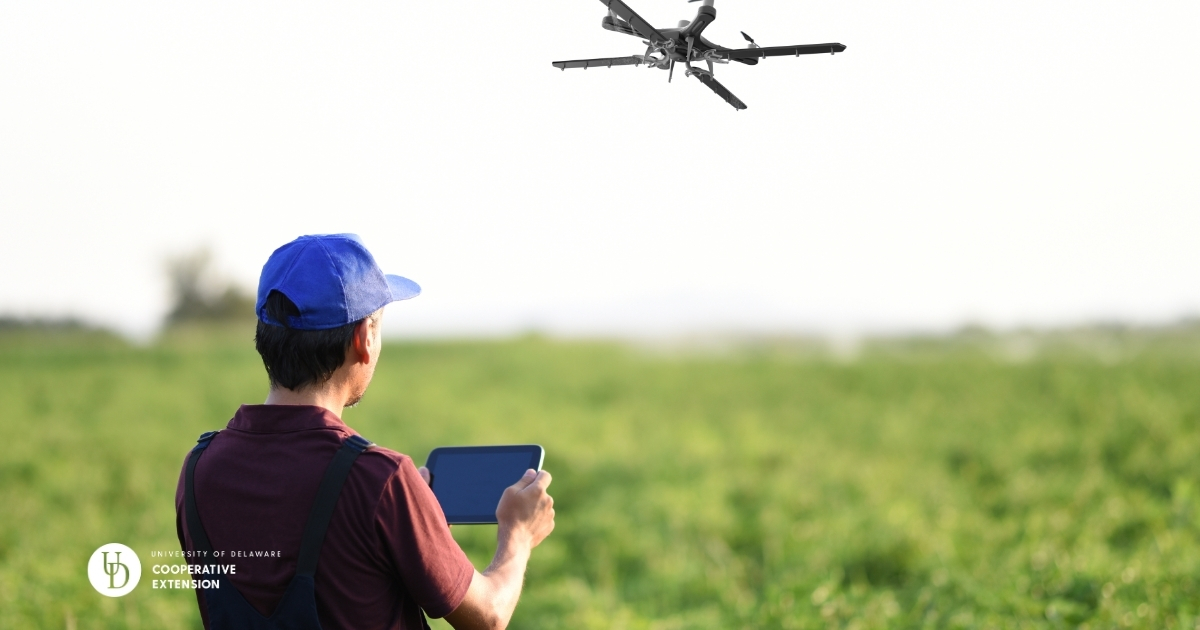
    The drone market targets many different customers, including agricultural professionals. Drone videos and photography allow for a different perspective of the field and have the potential to uncover in-season production issues that scouting may miss. Assessment of crop fields can be made quickly when flying 200-400 feet above the crop.

  • SELECTING PLANT DISEASE SPECIMENS

    Select material showing the symptoms you see. Send several samples showing different stages of disease development. Take samples showing transition areas between healthy and diseased. Dead plants, leaves or branches are generally of little use.

  • SEPTORIA BROWN SPOT IN SOYBEAN

    One of the most common foliar diseases of soybeans. Caused by the fungus Septoria glycines. Present in most fields at some level every year.

  • SEPTORIA NODORUM BLOTCH A.KA. SEPTORIA GLUME BLOTCH

    Parastagonospora nodorum (syn.Septoria nodorum) is a fungal pathogen that can produce symptoms on leaves, stems, glumes, and awns. P. nodorum has a wide host range, which includes wheat species, other cereals, and wild grasses.

  • SOYBEAN CYST NEMATODE (Part 2)

    Soybean Cyst Nematode (SCN) is the most yield limiting pathogen of soybeans across the US. Often referred to as a “silent yield robber”, SCN may be present and reducing yield without notable aboveground symptoms

  • STALK ROTS ON CORN

    Stalk rots are one of the most significant set of diseases on corn.  These diseases are insidious, and often growers are unaware of their effects until harvest.  Low levels of stalk rot occur in nearly every corn field in Delaware, and severity and incidence varies from year to year. 

  • TYPES OF DRONES FOR FIELD CROP PRODUCTION

    As an emerging technology for farmers, drone terminology may cause confusion. However, the practical use of drones and sensors is fairly straightforward. 

  • 1
  • 2
  • 3
  • 4
  • 5
  • 6
  • 7
  • >>

Additional Resources

Disease Management | Cooperative Extension | University of Delaware

Contact

Disease Management | Cooperative Extension | University of Delaware

Learn more

Disease Management | Cooperative Extension | University of Delaware