



Food Safety Programs

According to the CDC, an estimated 48 million Americans become ill and 3,000 die as a result of eating food contaminated by harmful microbes annually.
UD Cooperative Extension provides educational programs to help growers, processors, supermarkets, food service operations and consumers handle food in a manner to reduce foodborne illness.
Our Food Safety Programs
Select a program below to access details, view upcoming dates or request a printable brochure!
Food safety training for professionals, food service workers and quantity food preparers. Brought to you by University of Delaware Cooperative Extension.
Food safety in a food service establishment is non-negotiable. Each year, an estimated 6 to 12 million Americans contract food- borne illness as a result of contamination by micro-organisms. These illnesses are preventable. Proper training is the key to preparing food in a safe environment.
The ServSafe® program is the premiere food safety certification offered by the National Restaurant Association Educational Foundation (NRAEF). The program is designed for the food-service professional.
A ServSafe® certificate from the NRAEF will be awarded to individuals who complete the course and receive a passing grade on the exam. Instructors are registered ServSafe® instructors with the National Restaurant Association Educational Foundation. The cost for the course covers the training, textbook, lunch (for the full day class) and certification examination from the NRAEF.
This training helps prepare your establishment to meet Delaware Food Code regulations.
ServSafe® is a registered trademark of the National Restaurant Association Educational Foundation.
Register online using the link below. Or contact Michaella McCreery at 302- 831-1419 for registration
Participants must register at least three weeks in advance to allow for textbook mailing.
If your your agency or business has four or more Spanish speaking individuals and they would like to schedule a ServSafe class taught in Spanish to please email Diane Oliver at doliver@udel.edu.
The Dine Safe education program was developed by the University of Delaware Cooperative Extension to educate restaurant employees on the basic principles of food safety and the importance of serving safe food. The course is led by ServSafe® certified trainers and is conducted in the County Extension Offices, or at your location if you have 10 or more employees in attendance.
This three-hour course is an invaluable opportunity for all employees (back and front- of-the house) to focus on their individual roles in safe food handling. Restaurants are encouraged to include everyone in this course regardless of their positions or how many hours they work each week.
Each participant receives a training guide (The ServSafe® Employee Guide) outlining the information covered during the program. The instructor will use presentations and hands-on activities to reinforce the lessons taught.
Your employees will learn skills and strategies they need to follow to keep food safe regardless of their job.
All participants receive a certificate of participation. You must include a listing of your employees with the registration form in order for us to prepare the certificates.
This class has been approved for Child Care Training Hours through the Delaware Office of Child Care Licensing.
Schedule a Dine Safe program for 10 or more employees by sending an email to doliver@udel.edu
As a participant in this class, you identify specific techniques you practice in your everyday handling of food. After answering the 50 food handling questions, you will learn how food should be handled to reduce your risk of foodborne illness due to contamination with harmful microbes. After reviewing these safe handling practices, you will grade your inspection sheet to see if you pass the food safety inspection.
To set up a class, please contact Diane Oliver
at doliver@udel.edu or (302) 831-1327.
This training and certification exam meet food safety training requirements by the State of Delaware and the Delaware Department of Agriculture for those who want to take advantage of the opportunity to prepare non-hazardous foods in their own home for sale. Training for individuals would fall into two categories.
- On Farm Training for Entrepreneurs – Individuals who live on a farm can produce products for sale after attending a training course. The training covers basic food safety principles, regulation of food, labeling requirements and liability issues and culminates in an exam. This class meets the Delaware Department of Agriculture requirements to obtain an on-farm permit.
- Cottage Industry Training for Entrepreneurs – Non-farm individuals can sell certain products they produce in their own home. This training that culminates in an exam meets food safety training requirements by the State of Delaware for those who want to take advantage of the opportunity to prepare non-hazardous foods in their own home for sale. Examples of these foods are baked goods, jams, jellies and preserves, honey and candy. The training covers basic food safety principles, regulation of food, labeling requirements and liability issues.
Questions? Contact Adrienne Shearer at ashearer@udel.edu.
Food from the garden is fun to grow and delicious to eat. Canning and food preservation resources can be found at the University of Georgia Cooperative Extension's webpage:
Contact:
Jennifer Jones
Extension Agent II, Food & Produce Safety
Contact for Food Preservation and Canning/Produce Food Safety
(302) 856-7303
jbjones@udel.edu
A two track training on food safety practices that reduce the risk of foodborne illness when growing fruits and vegetables. The first session (three hours) is for those farmers who only grow produce while the second track expands the principles learned in track one to include further processing such as washing and packing of the product for sale.
The class, taught by a team of Extension Agriculture and Family and Consumer Science Educators, offers farmers a Delaware Department of Agriculture certificate for completion of food safety training.
Need your Pressure Gauge checked for canning? Fill out the form below, and someone will contact you shortly to set up a time to have it done at one of our county offices.
Related Fact Sheets
All Results
-
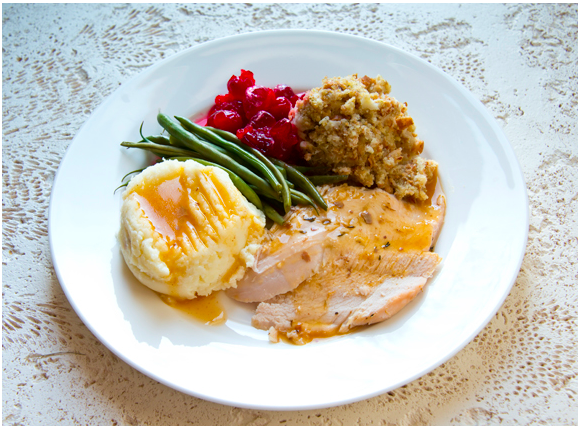
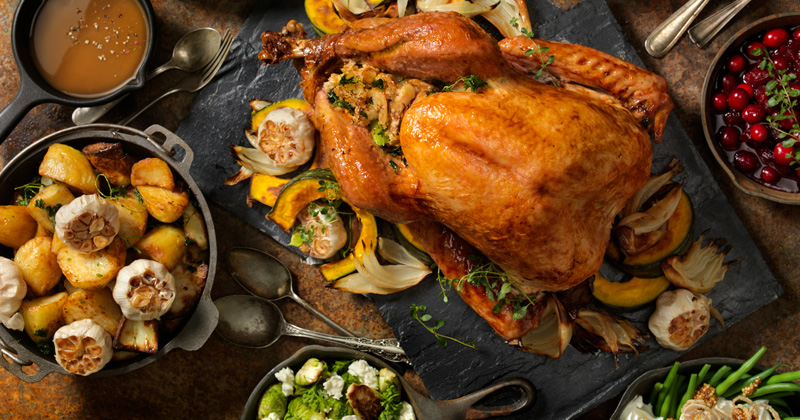
5 MISTAKES TO AVOID WHEN PREPARING YOUR HOLIDAY TURKEY
Most of us buy our turkey frozen. Because turkeys are frozen with the neck and giblets packaged inside the turkey, it is necessary to defrost it before cooking. Three safe ways are available to defrost the bird.
-
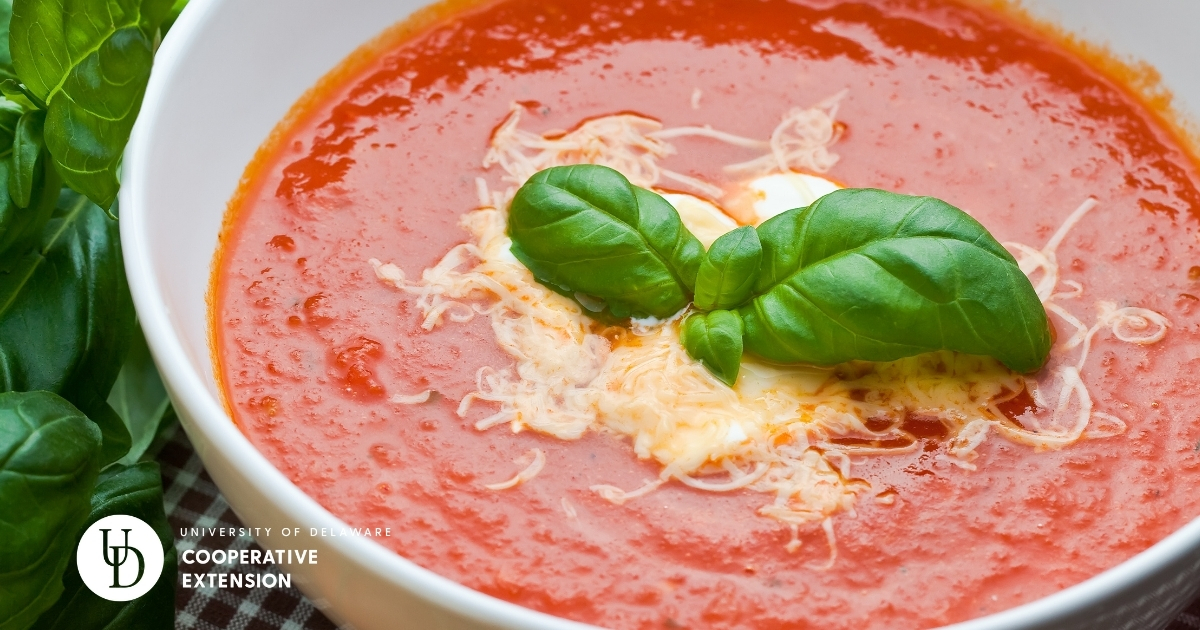
COLD SUMMER SOUPS
Cold Roasted Tomato Soup- Serves: 8 Ingredients: 1 tablespoon extra-virgin olive oil, 3 pounds large ripe tomatoes, cut in half crosswise, remove stem area, 6 medium bell peppers, cut in half crosswise, ribs and seeds removed...
-
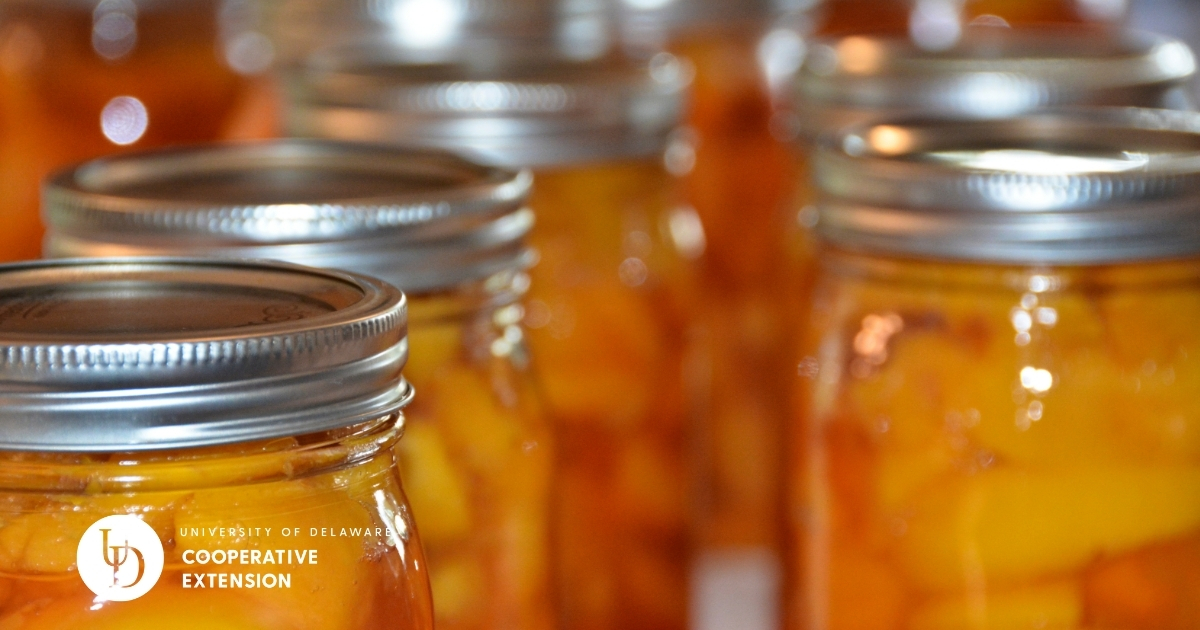
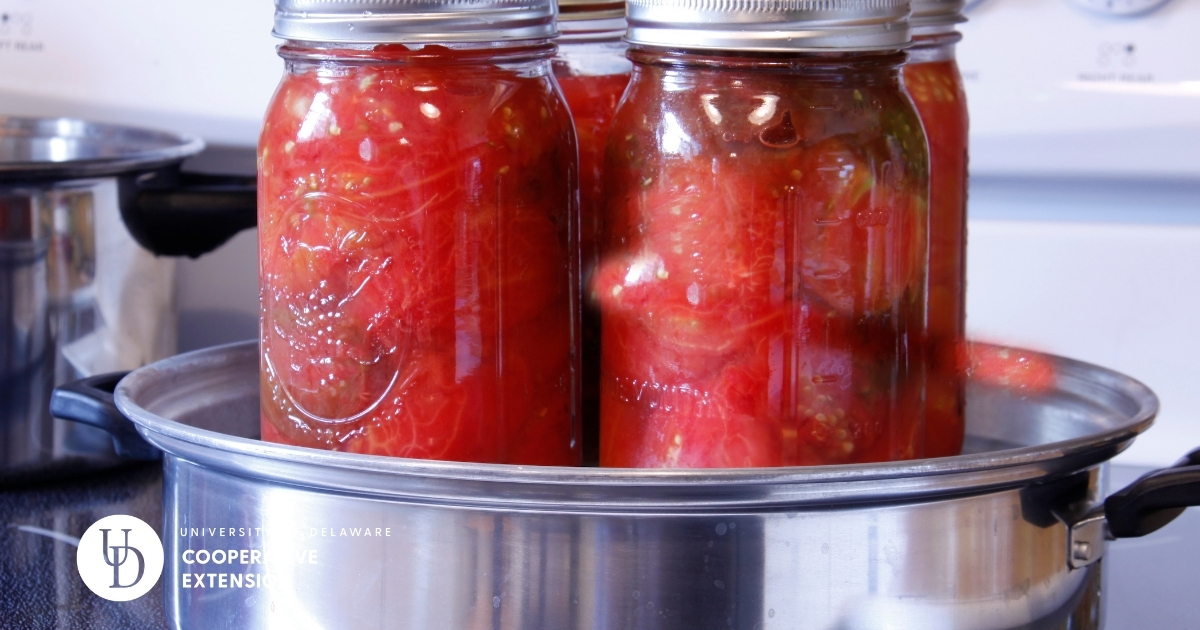
Canning Fruits
Fruits, acidified tomatoes, pickled products, and fruit spreads may be processed safely in a boiling-water bath.






- 1
- 2
- 3
- 4
- 5
- 6