


Research and Innovation
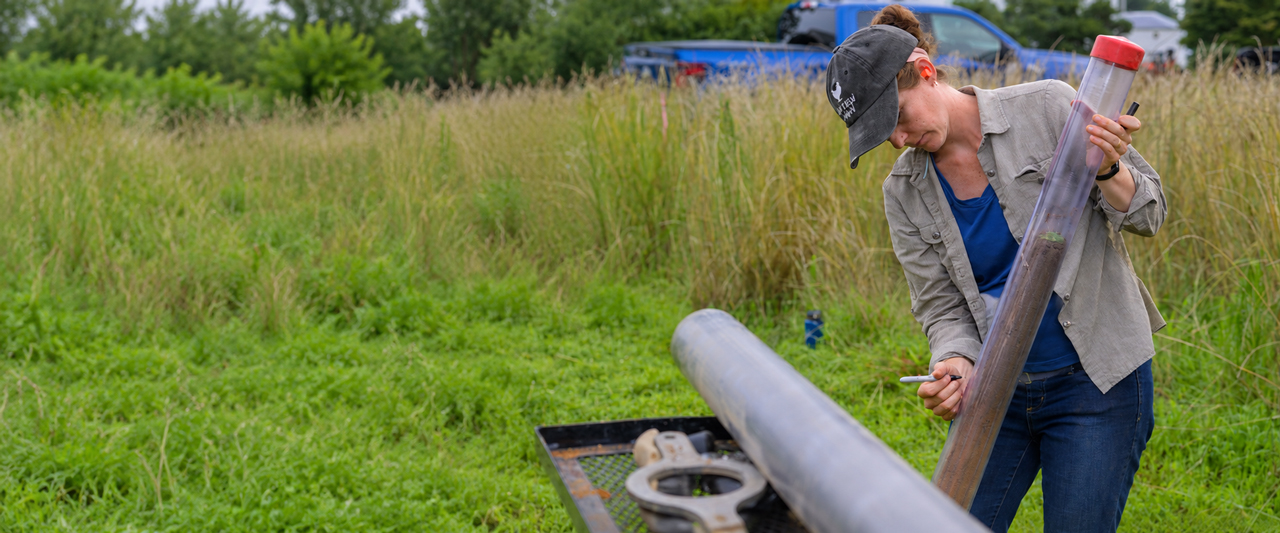
Kickstarting Mid-Atlantic Kernza
UD researchers team up with U.S. Department of Agriculture, MIT to understand the crop’s roots
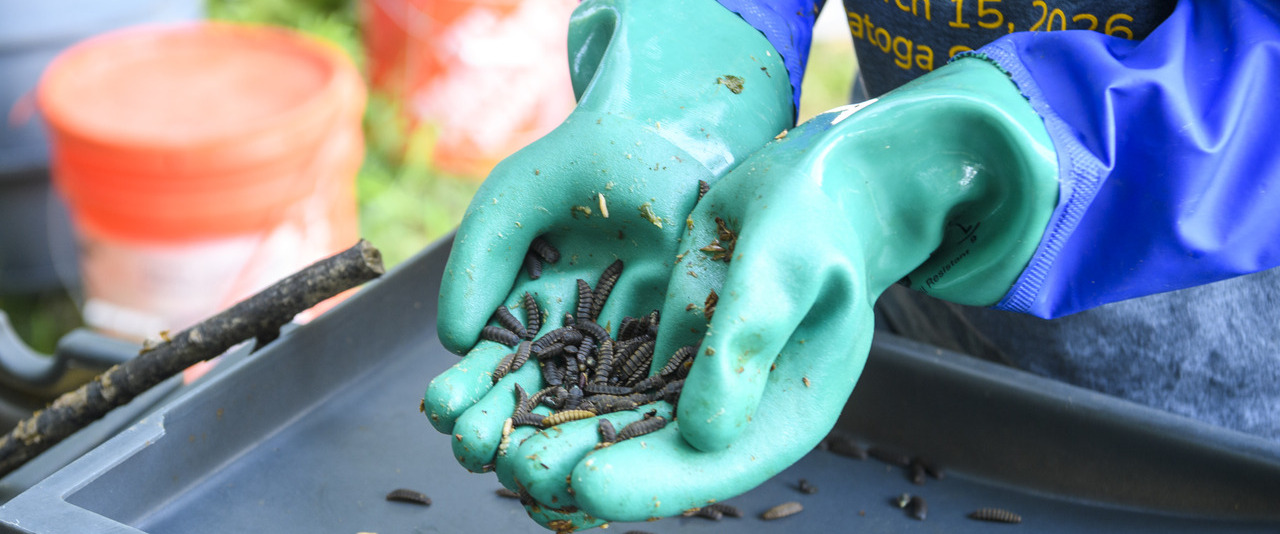
Fighting food waste
University of Delaware researchers use black soldier fly larvae
to keep food scraps out of landfills
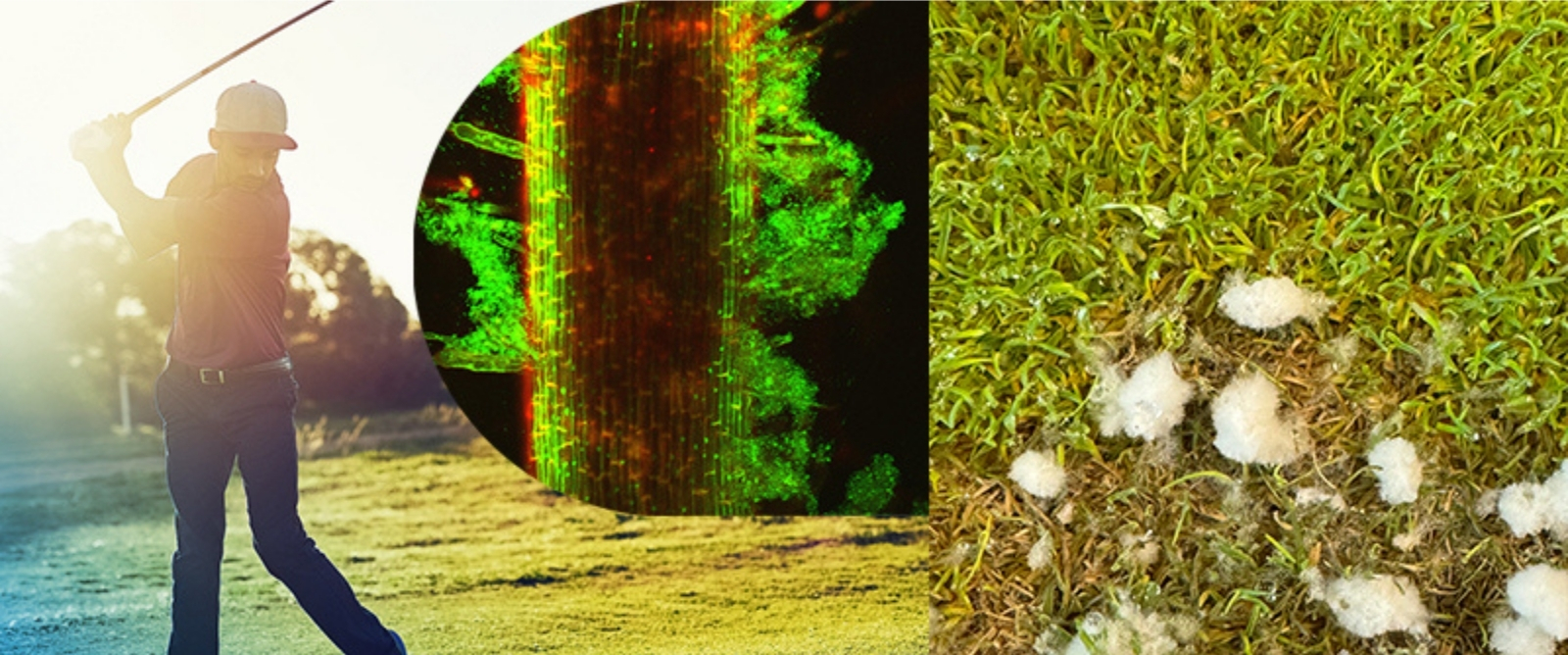
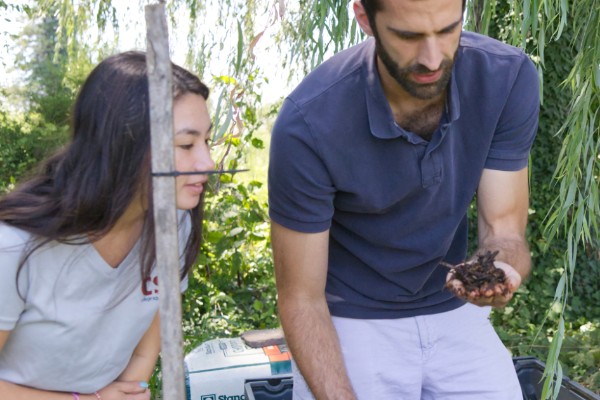
Protecting turfgrass from fungal foes
UD researchers report new understandings in how microbes protect plants

Feed the world. Protect the planet.
Extraordinary challenges require extraordinary solutions. For 150 years, the daring innovations of our graduates have shaped the world we know today. Now, we carry on that daring spirit, using cutting-edge technology and scientific advances to envision a better tomorrow.
Explore the exciting research we’re leading and the entrepreneurial ecosystem we’re building.
Explore Current Research
-
Research & Innovation | College of Agriculture & Natural Resources | University of Delaware 
Agricultural and Environmental Management
-
Research & Innovation | College of Agriculture & Natural Resources | University of Delaware 
Digital Agriculture, Robotics, and Environmental Sensing
-
Research & Innovation | College of Agriculture & Natural Resources | University of Delaware 
Human Dimensions of Food, Agriculture, and Natural Resources
-
Research & Innovation | College of Agriculture & Natural Resources | University of Delaware 
Ecology and Ecosystem Sciences
-
Research & Innovation | College of Agriculture & Natural Resources | University of Delaware 
Data Science and Statistics
-
Research & Innovation | College of Agriculture & Natural Resources | University of Delaware 
Food Production, Safety, and Policy
-
Research & Innovation | College of Agriculture & Natural Resources | University of Delaware 
Plant and Animal Health and Disease
University of Delaware tick research aims to understand host specificity of Lyme disease: youtube.com/embed/videoseries?list=com.synechron.udel.models.functions.SubstrAfter

UD Research Initiatives
In an age of technology and innovation, the future has never looked more exciting.
-
Downed Milton pecan tree determined to be 109 years old
October 22, 2026 | Ryan Mavity | Cape GazetteResearchers from the University of Delaware and the U.S. Forest Service determined a pecan tree that formerly stood at the corner of Union Street Extended and Route 16 in Milton was about 109 years old when it was cut down in January. -
Fighting food waste
October 15, 2026 | Written by Katie PeikesUniversity of Delaware researchers use black soldier fly larvae to keep food waste out of landfills and turn scraps into compost and potential livestock feed. -
Kickstarting Mid-Atlantic Kernza
October 09, 2026 | Written by Katie PeikesKernza, the world’s first commercially available perennial grain, has been picking up steam in regenerative agriculture, a conservation approach focused on improving soil and ecosystem health. UD scientists teamed up with scientists from the U.S. Department of Agriculture’s Agricultural Research Service and the Massachusetts Institute of Technology to study and compare Kernza’s roots with the roots of common crops. -
Communicating plant stress
October 06, 2026 | Written by Katie Peikes | Photo illustration by Jeffrey C. Chase | Photos and video courtesy of Jung-Youn LeeUniversity of Delaware plant scientists have uncovered new knowledge that tiny nanopores called plasmodesmata send alert signals from cell to cell, generating a huge burst of hydrogen peroxide when a plant is wounded. The team recently published their findings in the journal The Plant Cell. The role of this burst of hydrogen peroxide is a key finding that could prove useful in engineering more climate-resilient crops.
Faculty expert spotlights