



Waterfowl and Upland Gamebird Center
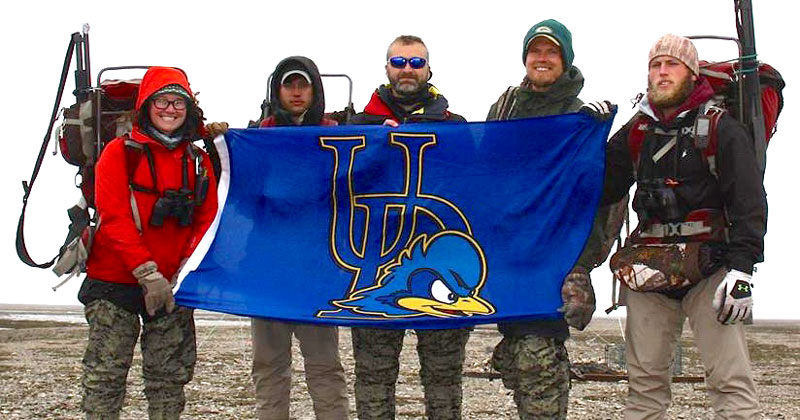
The University of Delaware's Waterfowl and Upland Gamebird Center is part of an internationally recognized, teaching and research program aimed to:
- Improve science-based knowledge for understanding and conserving gamebirds in the Mid-Atlantic through yearly fellowships.
- Assure future classes in Waterfowl Ecology and Waterfowl Hunter Education to become a permanent educational opportunity for future undergraduates.
- Provide outreach on waterfowl and wetland conservation for public and private stakeholders.
About
Founded in 2004 as a waterfowl program and elevated to a Center in 2020, the University of Delaware Waterfowl and Upland Gamebird Center was built with a simple premise: the Mid-Atlantic’s coastal bays, estuaries, and marshes are among North America’s most productive wetlands, serve as a primary wintering ground for waterfowl, and support world-class hunting and recreation—yet face growing pressure from development and other threats.
Equally important, the Center recognizes that upland gamebirds—such as northern bobwhite, wild turkey, and other grassland and early-successional species—serve as sensitive indicators of landscape health and working-lands stewardship across the Mid-Atlantic, linking private lands, agricultural systems, and public conservation investments to broader ecosystem and wildlife outcomes.
From the start, the Center was designed to be a durable, regional hub that links rigorous, applied research with workforce development—training students and early-career professionals who will lead conservation in agencies, NGOs, and the private sector.
The Waterfowl and Upland Gamebird Center plays a vital role in advancing science-based conservation for waterfowl, upland gamebirds, and the wetland and upland ecosystems on which they depend, right at the heart of the Atlantic Flyway.
Through applied research, collaborative partnerships, and training the next generation of conservation leaders, the Center drives knowledge that informs habitat management and supports resilient wildlife populations.
Ph.D. Directoy of the UD Waterfowl and Upland Gamebird Center

Why a Center—and why now?
Across North America, university waterfowl capacity has been shrinking even as conservation challenges expand. Dr. Rick Kaminski documented a substantial decline in the proportion of universities with waterfowl-related teaching or research from 2000 to 2013, reinforcing concerns about long-term professional capacity. Against that backdrop, the Center’s evolution is part of a broader continental effort to establish and sustain waterfowl education and research “anchor points” across all flyways.
Today, UD is proud to be one of 13 endowed programs across North America supporting the North American Waterfowl Professional Education Plan (NAWPEP)—helping deliver the science, training, and partnerships needed to sustain waterfowl and wetland management excellence.
-
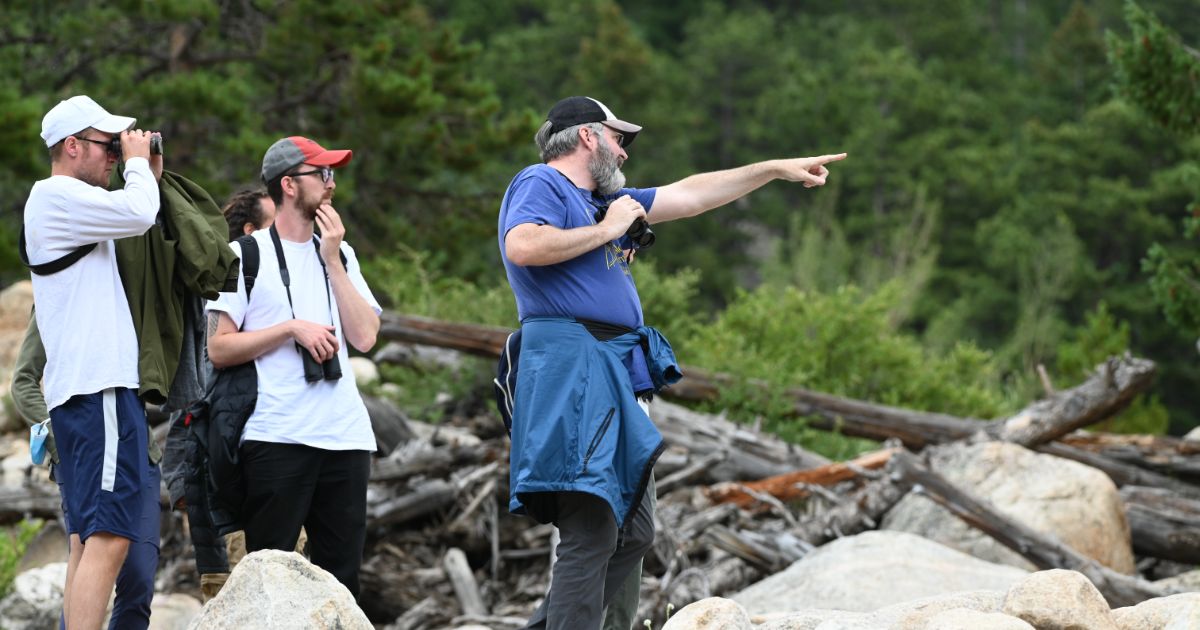
UD’s Jeff Buler and alumnus Matt Hardy team up on startup company to combat bird flu
February 10, 2025 | Written by Katie Peikes | Photo submitted by Matt HardyUniversity of Delaware’s Jeff Buler and UD alum are part of a startup company called AgriNerds that has been selected to pitch its technology at an upcoming startup pitch event in Austin. AgriNerds uses its technology, the Waterfowl Alert Network to track where waterfowl are stopping so they can alert poultry farms in the vicinity of a heightened risk to bird flu. -
Reviving bobwhite quail
April 11, 2024 | Written by Nya WynnUniversity of Delaware faculty and students, in collaboration with the Pennsylvania Game Commission, are spearheading the restoration of bobwhite quail populations in Pennsylvania. After their extinction due to changes in land use, efforts centered at the Letterkenny Army Depot in Franklin County are focused on reintroducing the species to its native habitat. -
The Effect of Sea Level Rise on Dabbling Duck Energetic Carrying Capacity
March 18, 2021 | Journal of Wildlife ManagementWaterfowl overwintering in the Atlantic Flyway depend on adequate availability of wetland plant communities to survive the winter period and fuel reproduction in the subsequent breeding season.
Video titled University of Delaware Waterfowl Hunter Education Course: youtube.com/watch?v=LTIVYa72WFs
Waterfowl Hunter Education
With the support of Ducks Unlimited and Delta Waterfowl, we provide a 4 day course that talks about waterfowl conservation, wetland habitat management, the values associated with hunting, and well as provide the students with hunter safety education. On the last day of the class students have the opportunity to go on a mentored waterfowl hunt.
Contact
Chris Williams
531 S. College Avenue
261 Townsend Hall
Newark, DE 19716