



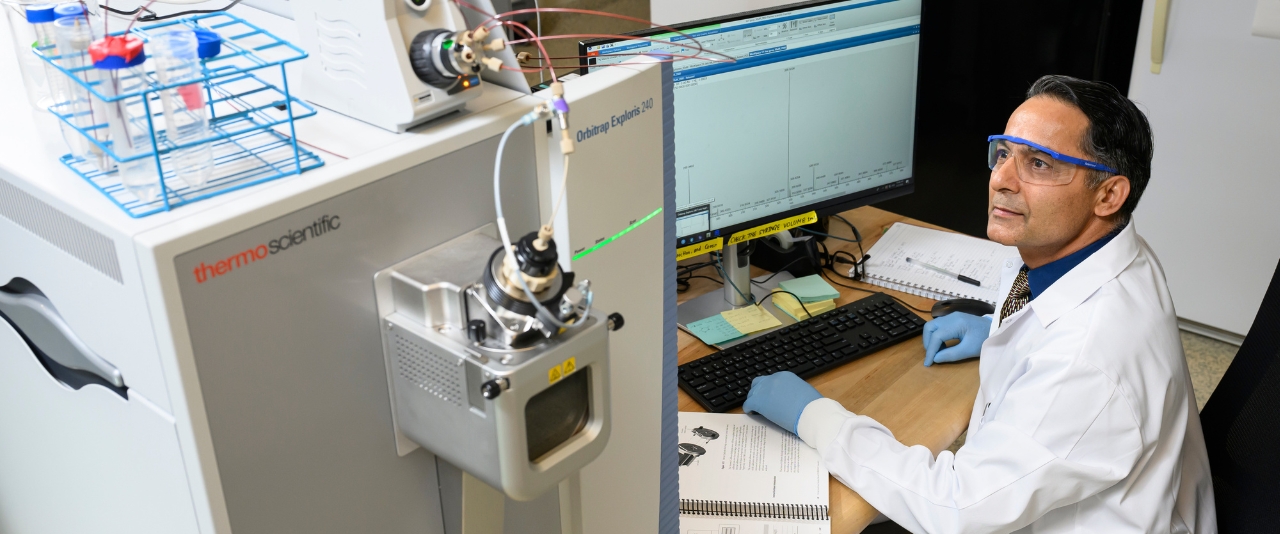
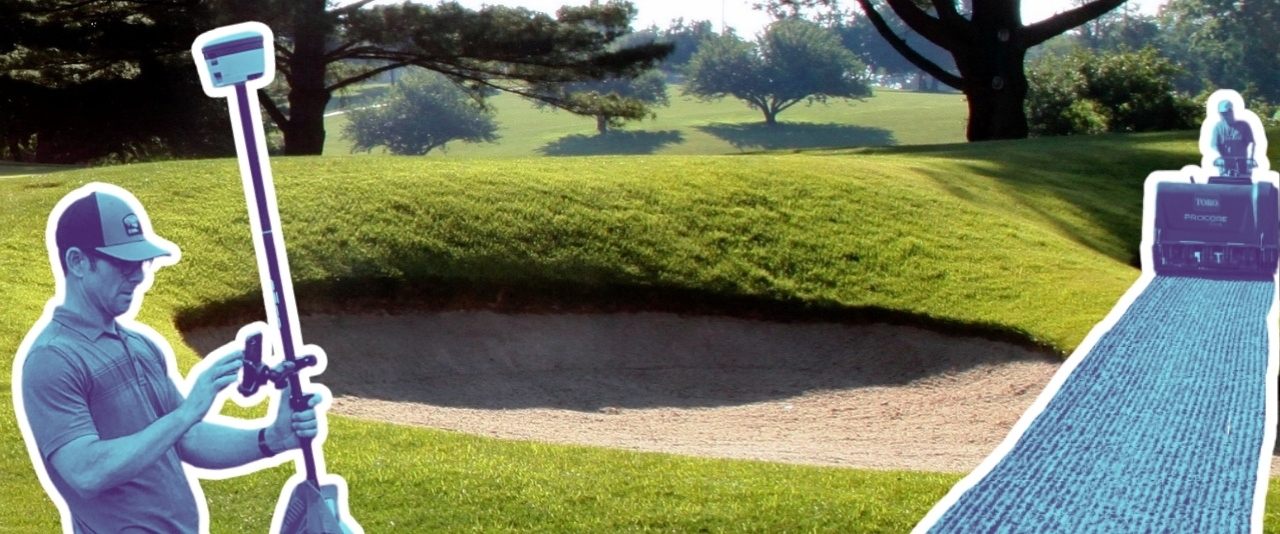
Behind the greens
Plant and Soil Sciences’ alumni, faculty and students get to work on the golf course
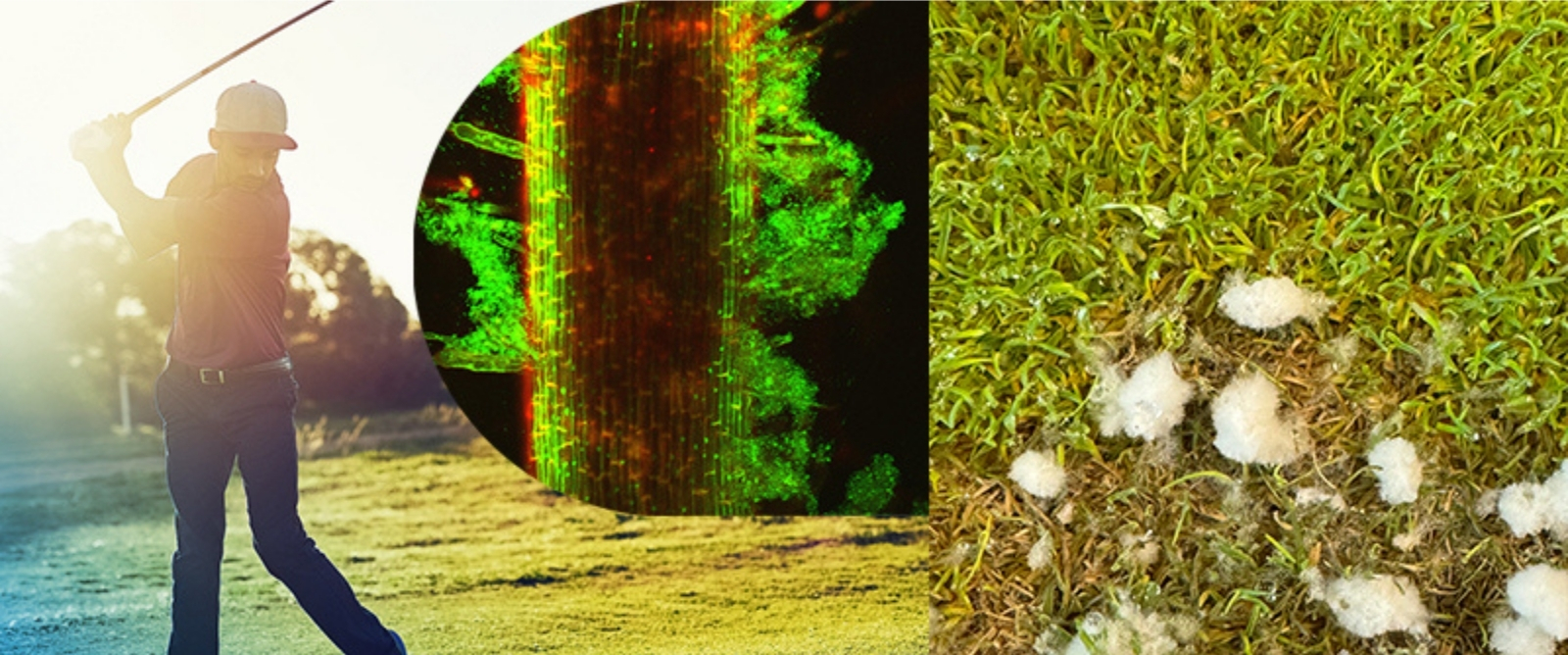
Protecting turfgrass from fungal foes
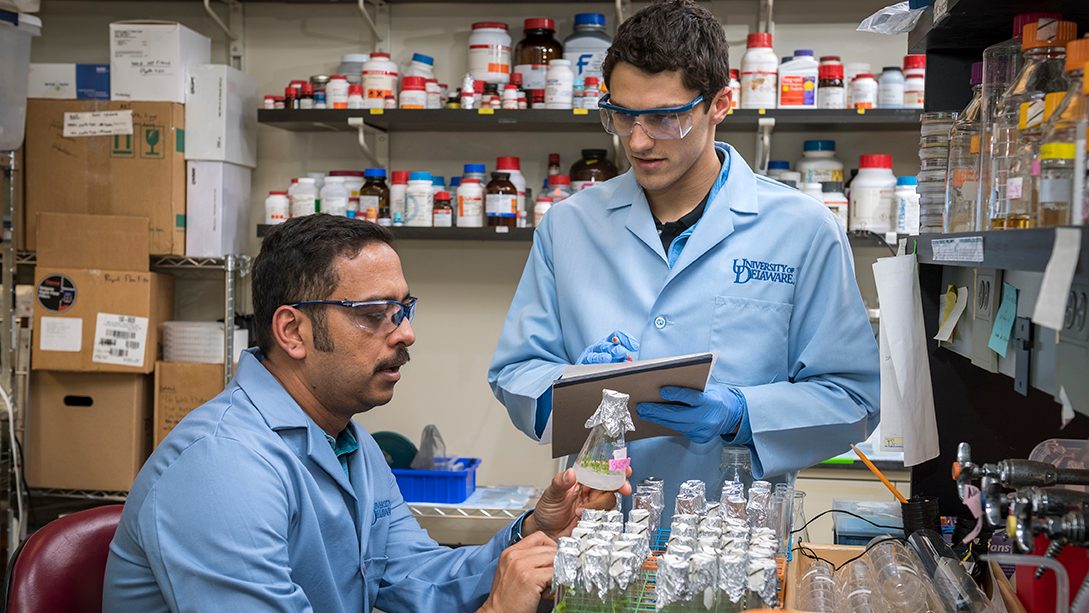
UD researchers report new understandings in how microbes protect plants
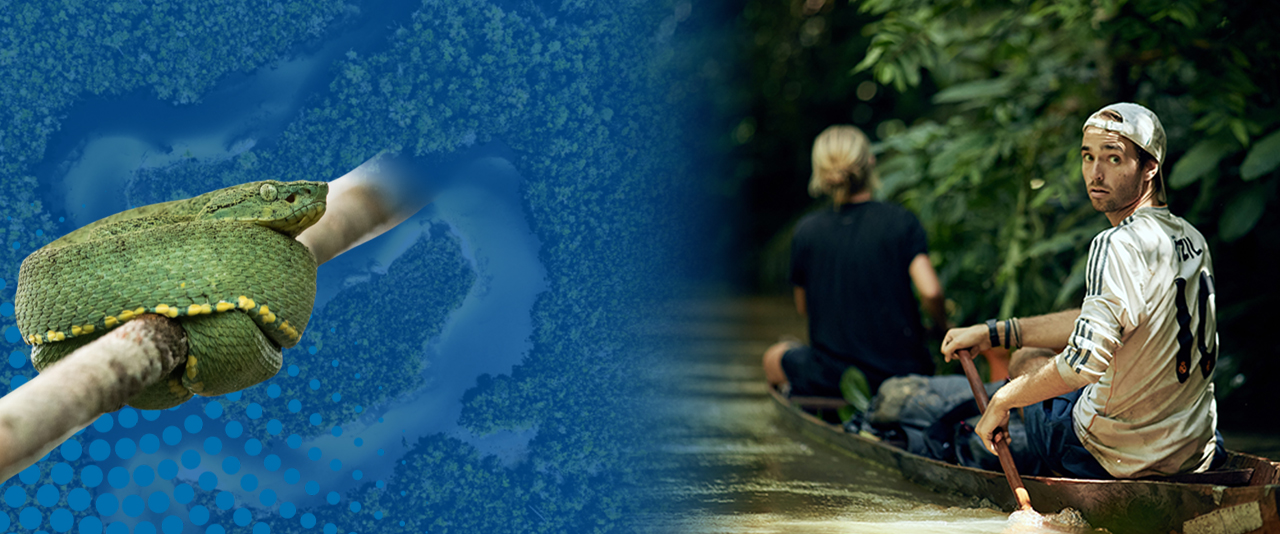
Community conservation
Alumnus Brian Griffiths supports Indigenous Peruvian Amazon community goals
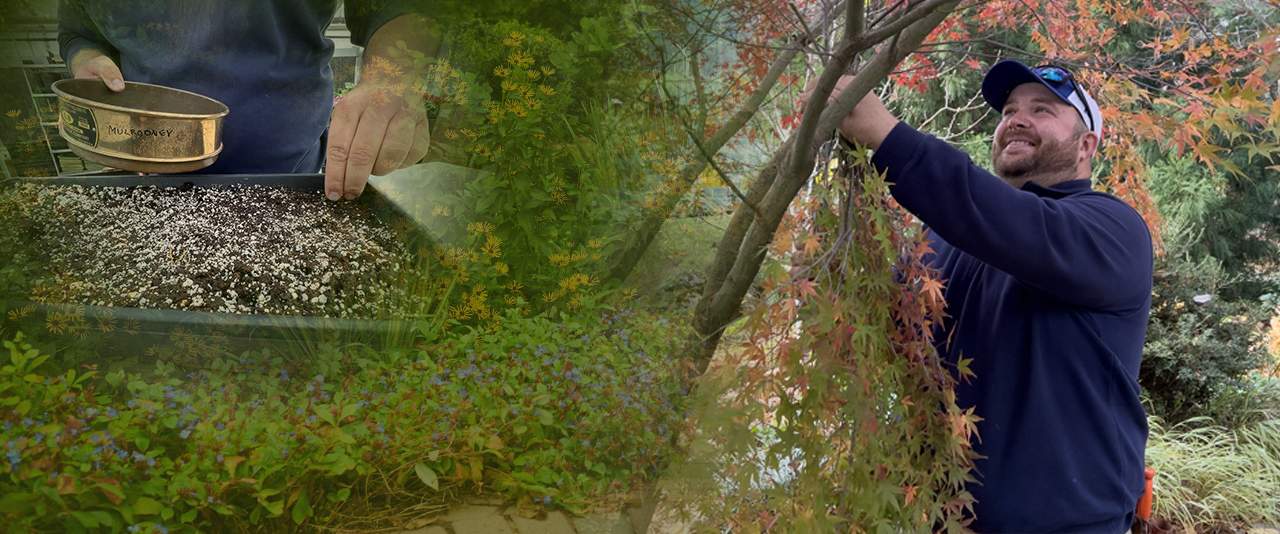
Helping gardens and interns grow
UD Botanic Gardens' Andrew Adams: Curator of plants and students
DEPARTMENT OF PLANT AND SOIL SCIENCES
We have excellent teaching, research, and outreach programs in the areas of plant biology (cellular, genetics, genomics, microbial, molecular and physiology), agronomy (including pathology, soil management and weed science), horticulture (sustainable landscapes, fruits and vegetables), landscape architecture and environmental soil sciences (biogeochemistry, hydrology and plant-soil interactions). We have a distinguished faculty, known nationally and internationally for their research and outreach, and within UD for their excellence in teaching, advising and mentoring students.
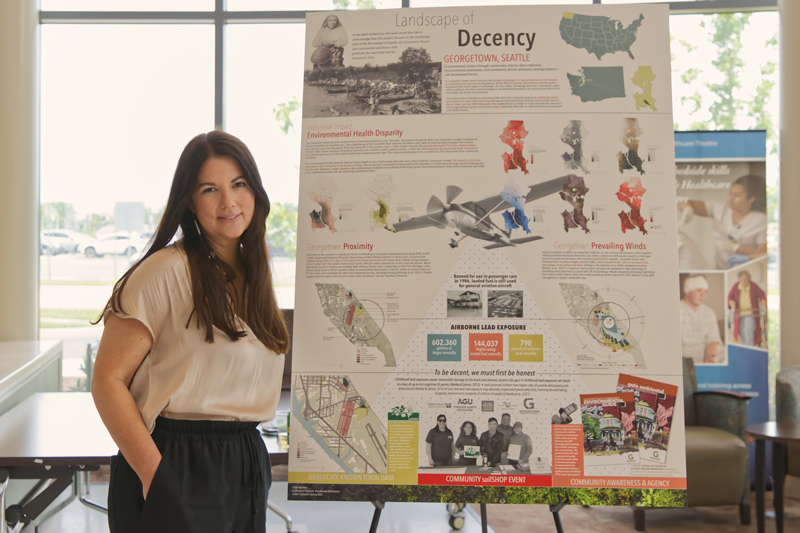
Our Undergraduate Programs
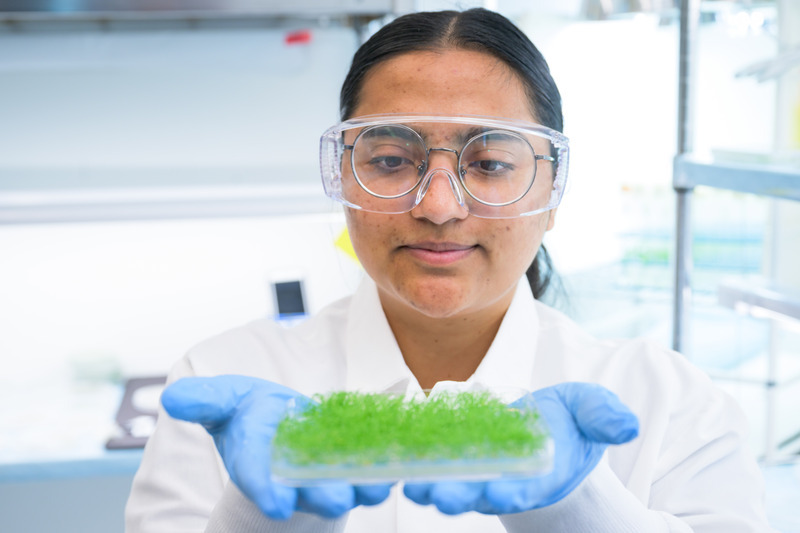
Our graduate programs
What's New?
Featured video
Innovation at UD: Harsh Bais: youtube.com/watch?v=ZMsIF6rPcek
University of Delaware inventor Harsh Bais is a plant biologist, known for his research developing a beneficial bacterium that can help boost plant defenses, water retention and more. Here, Bais—who was named an Innovation Ambassador at UD earlier this year—shares some of what he’s learned about invention along the way.
Read the UDaily feature.

Latest news
-
_800x533.jpg)
Kickstarting Mid-Atlantic Kernza
October 09, 2026 | Written by Katie PeikesKernza, the world’s first commercially available perennial grain, has been picking up steam in regenerative agriculture, a conservation approach focused on improving soil and ecosystem health. UD scientists teamed up with scientists from the U.S. Department of Agriculture’s Agricultural Research Service and the Massachusetts Institute of Technology to study and compare Kernza’s roots with the roots of common crops. -
Communicating plant stress
October 06, 2026 | Written by Katie Peikes | Photo illustration by Jeffrey C. Chase | Photos and video courtesy of Jung-Youn LeeUniversity of Delaware plant scientists have uncovered new knowledge that tiny nanopores called plasmodesmata send alert signals from cell to cell, generating a huge burst of hydrogen peroxide when a plant is wounded. The team recently published their findings in the journal The Plant Cell. The role of this burst of hydrogen peroxide is a key finding that could prove useful in engineering more climate-resilient crops. -
Next-gen soil scientists
September 10, 2026 | Written by: Molly Schafer | Photos courtesy of Moklesur Rahman and Shreeram InamdarDelaware high school students had the chance to get their hands dirty while learning about wetland ecology during a workshop led by researchers from the University of Delaware College of Agriculture and Natural Resources Watershed Sciences Research Group.
 Upcoming events