



Commercial Horticulture

The University of Delaware Cooperative Extension Commercial Horticulture Program provides unbiased, research-based information for growers, retailers, greenhouse operators, landscape contractors, landscape maintenance professionals, and other green industry professionals in Delaware, the region, and the nation. Horticulture is the art and science of the development, sustainable production, marketing, and use of high-value, intensively cultivated food and ornamental plants. It includes non-food crops such as flowers, trees, shrubs, and lawns, as well as food crops (fruits, vegetables, mushrooms, and culinary herbs).
The needs of the green industry can be addressed through applied research and demonstration projects that focus on sustainable landscape installation and management, as well as integrated pest management (IPM). The information and knowledge are disseminated through various methods such as educational meetings, short courses, tours, publications, newsletters, direct contact, and this website. Collaborations with organizations, including the Delaware Nursery and Landscape Association (DNLA) and the University of Delaware Botanic Gardens (UDBG), also help expand research and the sharing of findings.
A certified nursery professional program is administered through the DNLA to help industry professionals learn technical information and demonstrate their professional standing.
There is a wealth of nurseries serving retail and wholesale needs across Delaware and in neighboring states. These nurseries can specialize in a variety of things, with some including sales of plants native to Delaware.
Native Plant Nurseries Serving Delaware and the Region
The DNLA, Delaware Department of Agriculture, and the University of Delaware Cooperative Extension have worked together to develop a list of nurseries that provide native plant material to Delawareans. *These lists are in the process of being updated to reflect current nurseries selling native plants. Please research availability before visiting a nursery included on the below lists.*
- Click Native Plants – Wholesale Only Nurseries for a list of Nurseries serving Wholesale customers only.
- Click Native Plants – Retail / Wholesale for a list of Nurseries serving retail/wholesale customers.
The greenhouse and nursery industry thrives on the US Eastern Shore. Delaware has several large greenhouse operations and nurseries. There are also major operations in our neighboring states of Maryland and Pennsylvania. The Green Industry Research Consortium is a national group of horticulturists and ag economists who have worked to address green industry needs for over 50 years. This consortium has developed many publications for this industry, including a recurring survey, the National Green Industry Survey, every 5 years. The goal of the survey is to gather key data on production practices, sales channels, state-by-state distribution of wholesale sales, advertising expenditures, and selling methods. The data can help growers make informed production and marketing decisions. You can find the results of the 2023 survey linked below.
Green Industry Training at Your Site
Delaware Cooperative Extension will work with you to conduct a workshop at your site for your employees. A menu of available topics is included below.
For a one-hour talk from the prepared menu, the cost will be $250 for a minimum of 10 people. If you have more than 10 people, it will be an additional $5/person. For talks that exceed one hour and/or include nutrient management or pesticide credits, there will be an additional cost determined by the County Agent.
Scheduling is based on the availability of the instructor with expertise in the topic you choose. You will need to provide a meeting space to accommodate attendees. Please schedule early to have the best chance of getting the extension professional with the appropriate expertise on your chosen topic in a timely manner.
Topics include:
Fertilizer management
General mathematics for pesticides/fertilizers
Spreader/sprayer calibration
Topics include:
Soil testing for turfgrass systems
Turf management/maintenance
Weed identification and management
Topics include:
General invasive species information (What and why we should care)
Invasive plant management and planning
Invasive plant ID
Topics include:
Water quality in stormwater ponds
Post-construction stormwater management
Topics include:
Plant propagation
Basic greenhouse production
Greenhouse IPM
Substrates
Hydroponics
Topics include:
Pesticide safety and handling
Understanding pesticide labels
Spreader/sprayer calibration
Topics include:
Basic vegetable production
Sustainable landscapes
Soil basics - chemical and physical properties
Backyard wildlife habitat
Abiotic and cultural plant problems
Weed identification and management
Contact
Carrie Murphy
Extension Agent IV - Lawn and Garden Program Leader
(302) 831-1426
cjmurphy@udel.edu
Makenzie Lee
Ornamental Horticulture Specialist
(302) 831-3019
maklee@udel.edu
Topics include:
General IPM
Insect identification and management
Disease identification and management
Plant diagnostics with microscopy
Contact
Brian Kunkel
Ornamentals IPM Specialist
(302) 831-3641
bakunkel@udel.edu
Jill Pollok
Plant Diagnostician
(302) 831-1390
jillp@udel.edu
Our team is willing to work with you to offer any other nursery or landscape industry topic for which we have expertise, and that interests you and your employees. Please discuss with your County Agent.
Please contact your County Agent for additional details and to schedule:
Carrie Murphy, Horticulture Agent, New Castle County: (302) 831-2506 or cjmurphy@udel.edu
Blake Moore, Renewable Resources Agent, Kent County: (302) 730-4000 or rbmoore@udel.edu
Tracy Wootten, Horticulture Agent, Sussex County: (302) 856-7303 or wootten@udel.edu
Related Fact Sheets
Filter by Agriculture
Filter by Horticulture
All Results
-
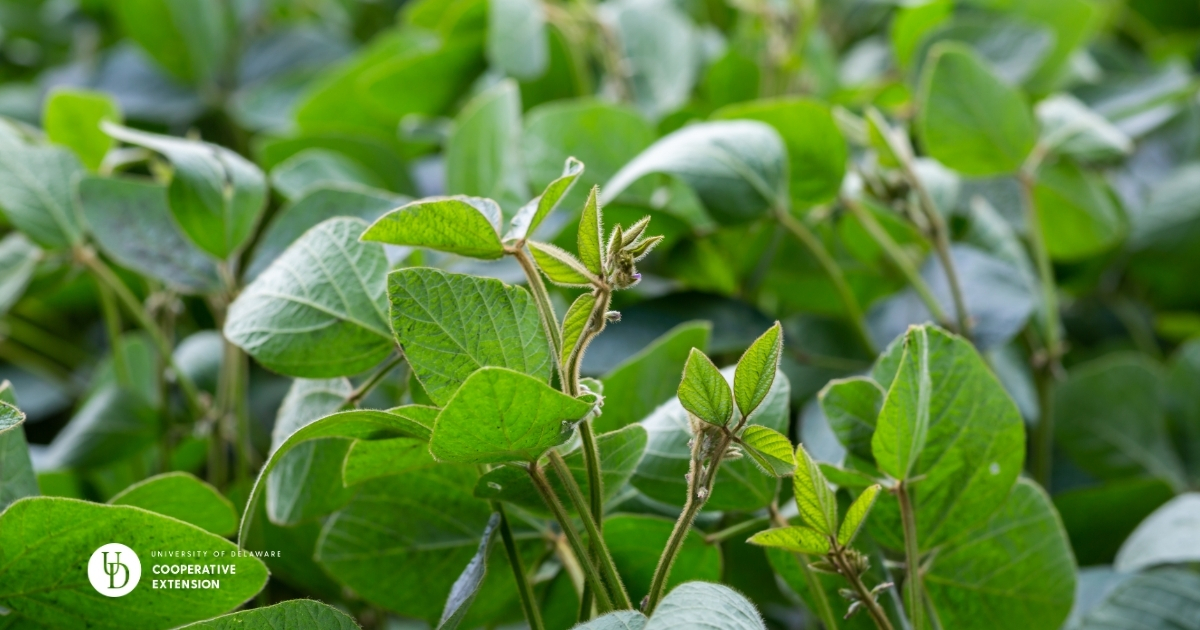
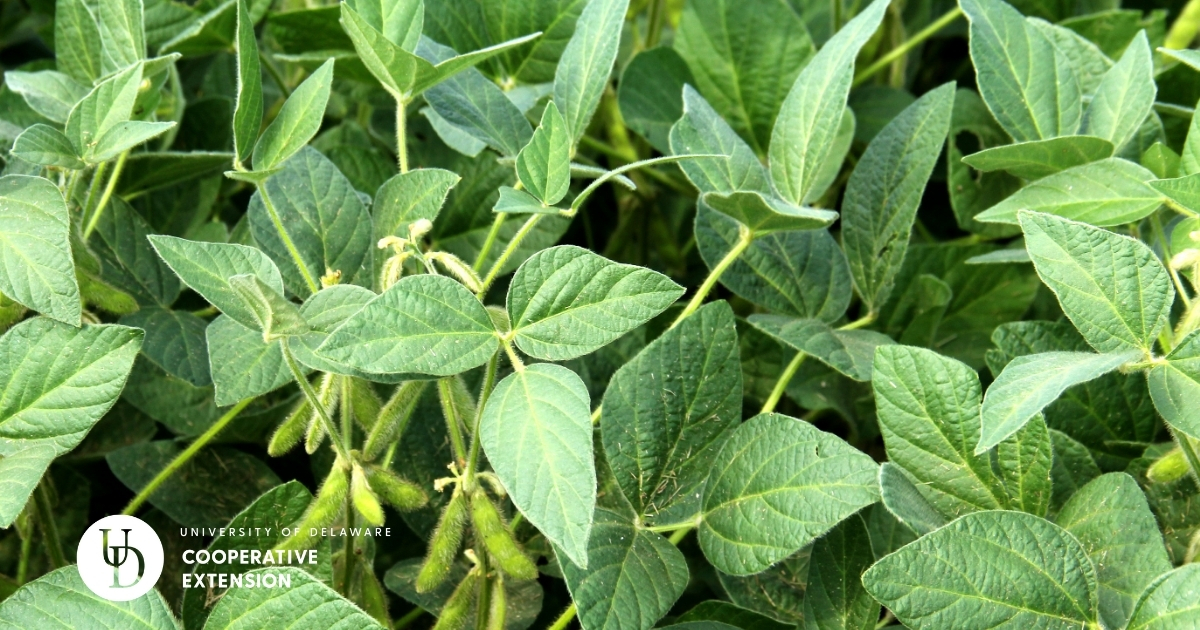
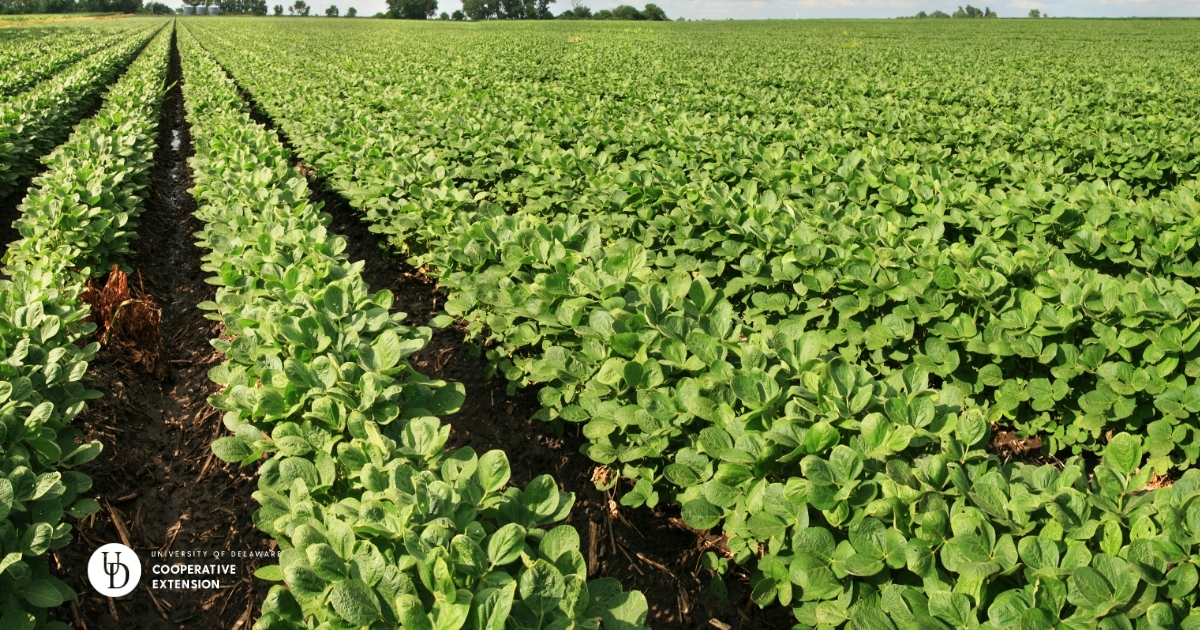
SOYBEAN VEIN NECROSIS VIRUS
Soybean Vein Necrosis Virus is an Orthotospovirus. This virus can be seed borne or vectored by multiple thrips species.
-
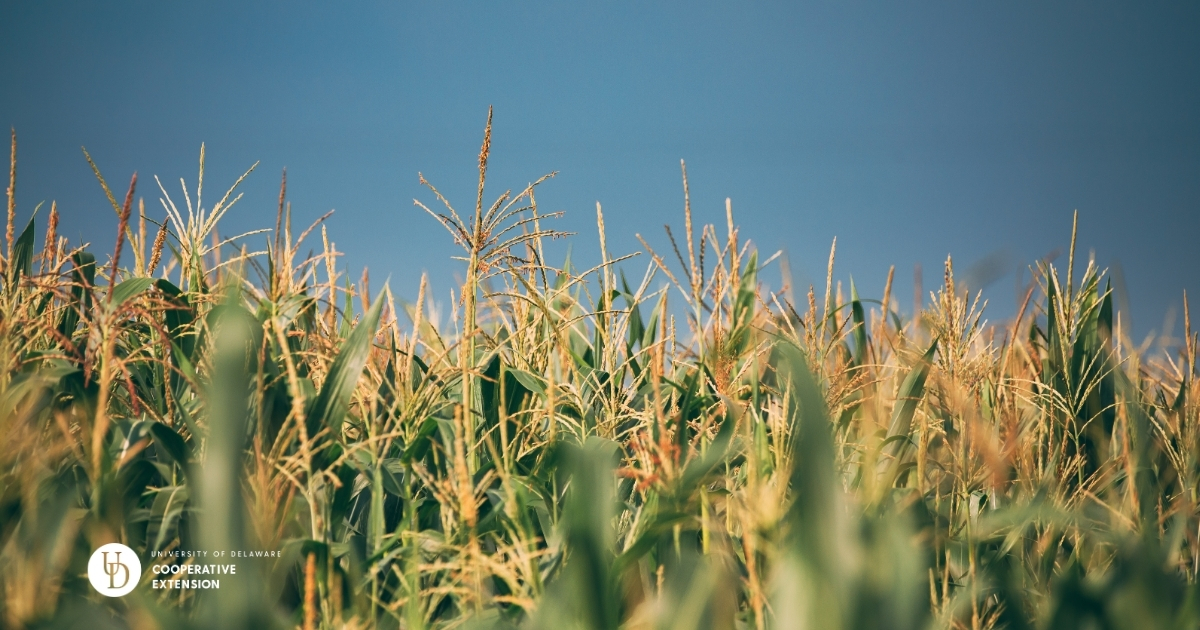
TAR SPOT OF CORN
Tar spot is caused by the fungal pathogen Phyllachoramaydis. Under favorable conditions for disease, yield loss on susceptible hybrids can be severe.
-
A Comparison of Methods to Determine Lime Requirement
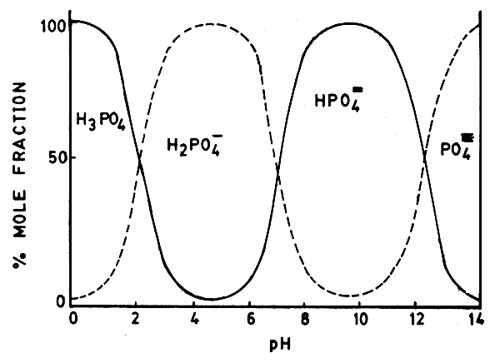
Maintaining an optimal soil pH is crucial for maximizing crop yields and promoting overall soil health. The optimal soil pH is typically between 5.5 and 7.0 for most crops growing in Delaware. Maintaining an optimal soil pH ensures that essential nutrients are readily available for plant uptake and minimizes the potential for toxicity from elements like aluminum (Al) and manganese (Mn), which can become harmful in overly acidic conditions.
- 1
- 2
- 3
- 4
- 5
- 6
- 7
- >>