



Fact Sheets And Publications

Planting Dates for Fall Cover Crops in Vegetable Systems
August 2026 | Written by Emmalea Ernest, Extension Fruit & Vegetable Specialist
Edited from Weekly Crop Update to fit this format by: Lyndsie Mikkelsen, Fruit & Vegetable Extension Agent
Introduction
Fall-planted cover crops are important for pest management and soil health maintenance in vegetable production systems. For the greatest benefit from cover crops, manage them to promote establishment and growth. This includes seeding at the proper rate to achieve optimal stands, planting at the right time, using seeding methods that maximum seed germination and plant survival, having sufficient fertility to support good plant growth, irrigating during dry periods, and inoculating legumes. Dates listed below are for zone 7 and obtained from the Northeast Cover Crops Council’s Cover Crop Selector Tool, except where noted.
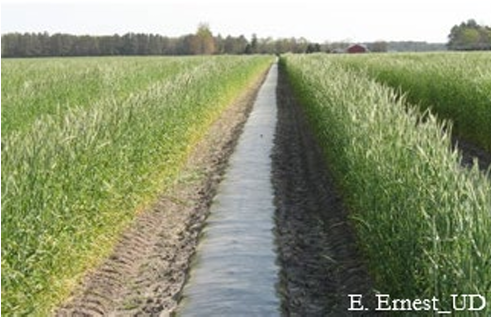
Cereal Rye provides excellent nitrogen scavenging and weed suppression. It can be used as a windbreak in early spring plasticulture plantings.
Reliable establishment: September 21 – November 15. May establish up until November 30.
Mustard (Brassica juncea) can suppress nematodes and some soil-borne diseases when used as a biofumigant crop. Planting dates below are based on trials conducted in Georgetown, Delaware, in 2022-2026.
Plant August 10 – 31 for fall biofumigation in late September through October. Plant September 20 – October 12 to overwinter for spring biofumigation in early April.
Forage Radish scavenges nitrogen, suppresses weeds and reduces soil compaction. It often winterkills in Delaware but can be challenging to manage if it overwinters.
Reliable establishment: August 10 – August 31. May establish up until September 7.
Crimson Clover can provide nitrogen to subsequent crops but is a host for root-knot nematodes.
Reliable establishment August 15 – September 20. May establish up until October 10.
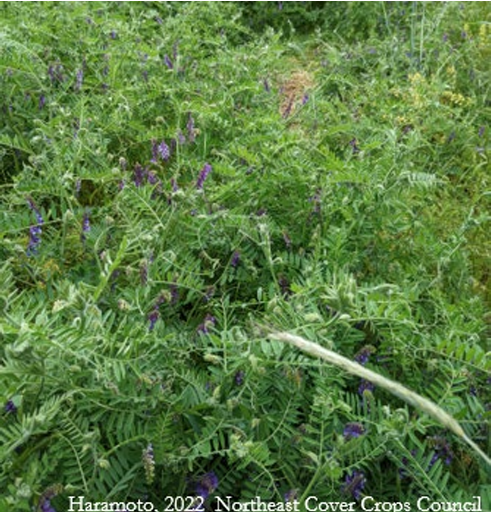
Hairy Vetch can provide nitrogen to subsequent crops and has a longer planting window than crimson clover. It is a host for root-knot nematodes.
Reliable establishment August 15 – September 25. May establish up until October 20.


UD Cooperative Extension
This institution is an equal opportunity provider.
In accordance with Federal law and U.S. Department of Agriculture policy, Cooperative Extension is prohibited from discriminating on the basis of race, color, national origin, sex, age, or disability.