

The Art and Science of Beer

Contract Courses
Descriptions of Contract Courses
ANFS 464 is a course for students who which to receive credit for a supervised, faculty-monitored, career-related experience in one or more aspects of the animal science or food science industries on or off campus. For example students that want experience working on our University farm facilities or on private farms register for ANFS 464 . Students may obtain a maximum of 3 credits per internship which requires 120 hours of internship work. A student may register for an internship during any semester. ANFS 464 meets the DLE requirement for graduation. ANFS 464 is a pass/fail course.
ANFS X66 is a course for students who receive credit for independent, faculty-monitored activities in the fields of animal science or food science. Students may obtain a maximum of 3 credits per semester which requires 120 hours of work. A student may register for independent study during any semester. These activities can include library research projects or more informal, small research projects which are designed specifically for students (which means they are probably not part of larger, substantial or funded project; or the number of animals and/or data collected are not substantial enough for real statistical analysis; there is no statistical experimental design; focus on data and lab techniques is usually not as strong as in ANFS 468.) ANFS X66 may also be used to teach a course under special circumstances for example to a student that cannot take the course during a regular offering because of a scheduling conflict. ANFS X66 does not meet the DLE requirement for graduation No more than 5 credits of X66 may be counted towards the major. ANFS X66 is a letter-graded course.
ANFS 468 is a course for students who want to receive credit for a supervised, faculty-monitored, experience in research in the fields of animal science or food science. Students may obtain a maximum of 3 credits per semester which requires 120 hours of research (40h for 1 credit). A maximum of 3 credits in ANSC 468 may count towards the major. A student may register for research during any semester. While these students are typically part of a larger research program, beginning students usually do not have their own projects and will assist in on -going research projects while learning techniques. Advanced students may be assigned to specific research projects, which may be their own. ANFS 468 meets the DLE requirement for graduation. ANFS 468 is a letter -graded course.
There are contract forms for each of these courses which must be reviewed and signed by the Department Chair or his/her designee.
-
How Cyclospora Evaded the U.S. Food Safety System to Sicken Thousands
August 18, 2026 | Written by Christina Jewett and Julie Creswell | TIMECyclospora does not grow in laboratory culture. Scientists often use culture as a tool to amplify tiny bits of bacteria, like salmonella or E. coli, to detectable levels. The same cannot be done for cyclospora, said Kalmia Kniel, a microbiologist at the University of Delaware who researches the parasite. -
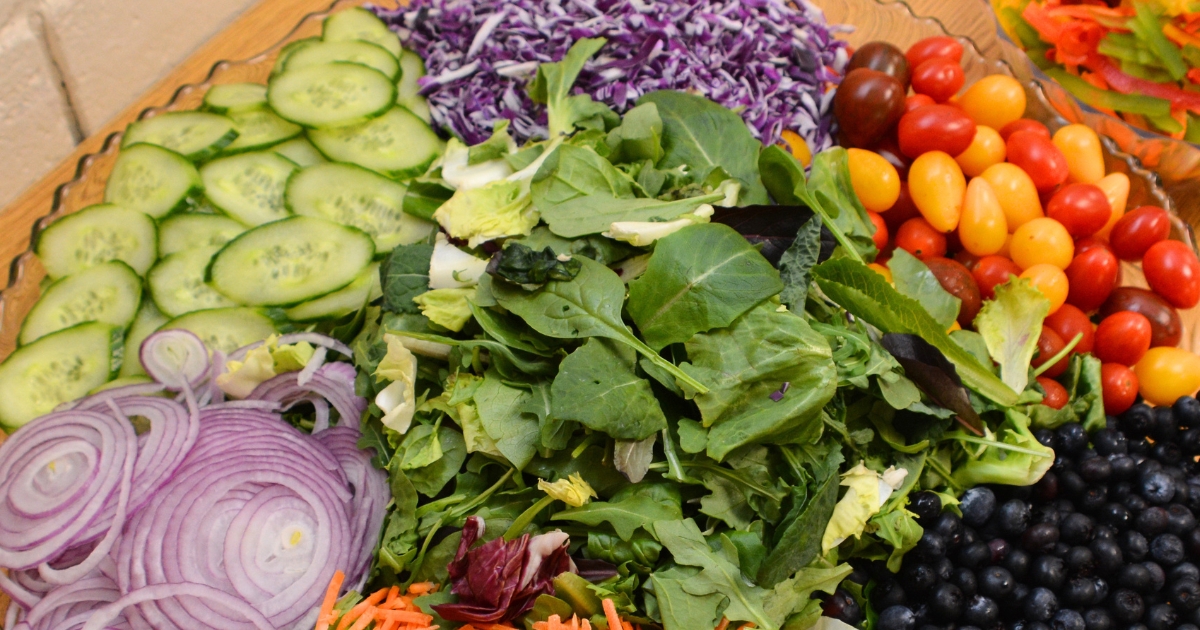
Is lettuce safe to eat now? What to know amid cyclospora outbreak
August 08, 2026 | Written by Mary Walrath-Holdridge | USA TodayIt’s difficult to track the source of a cyclosporiasis outbreak. USA Today turned to Kali Kniel, University of Delaware professor of microbial food safety, for her assessment of the outbreak. Kniel says scientists have less information to work with now compared to previous outbreaks. -
Is Farmers’ Market Produce Safer During the Cyclospora Outbreak?
July 31, 2026 | Written by Angela Haupt and Dominique Mosbergen | TIMEKali Kniel, University of Delaware microbial food safety professor, was interviewed by TIME about cyclospora. Cases of cyclosporiasis have risen around the U.S. since May. Kniel gives insight into how consumers can select lower-risk produce.