


Category: Cooperative Extension
Dedicated to Delaware: Master Gardeners and Cooperative Extension celebrate 40 years
November 11, 2026 Written by Michele Walfred | Photos by Michele Walfred
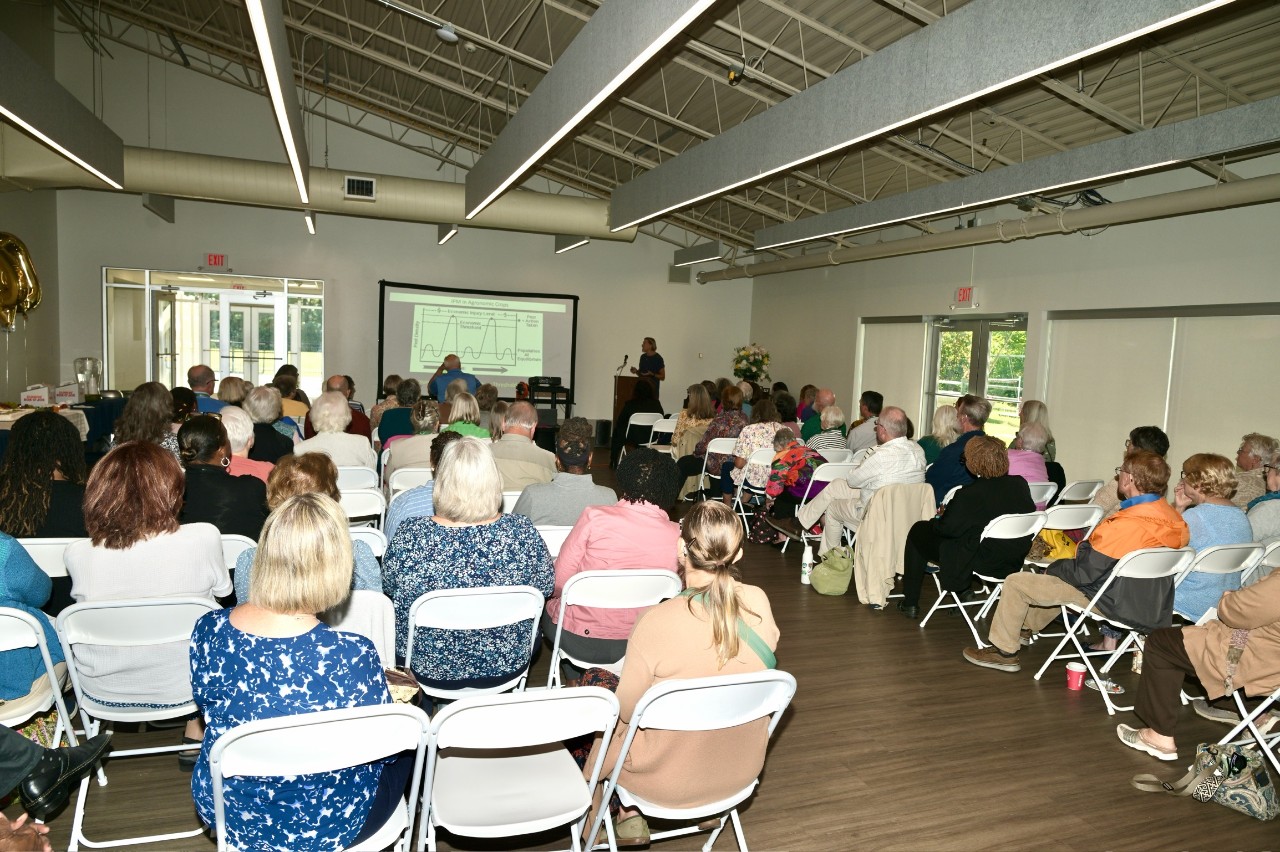
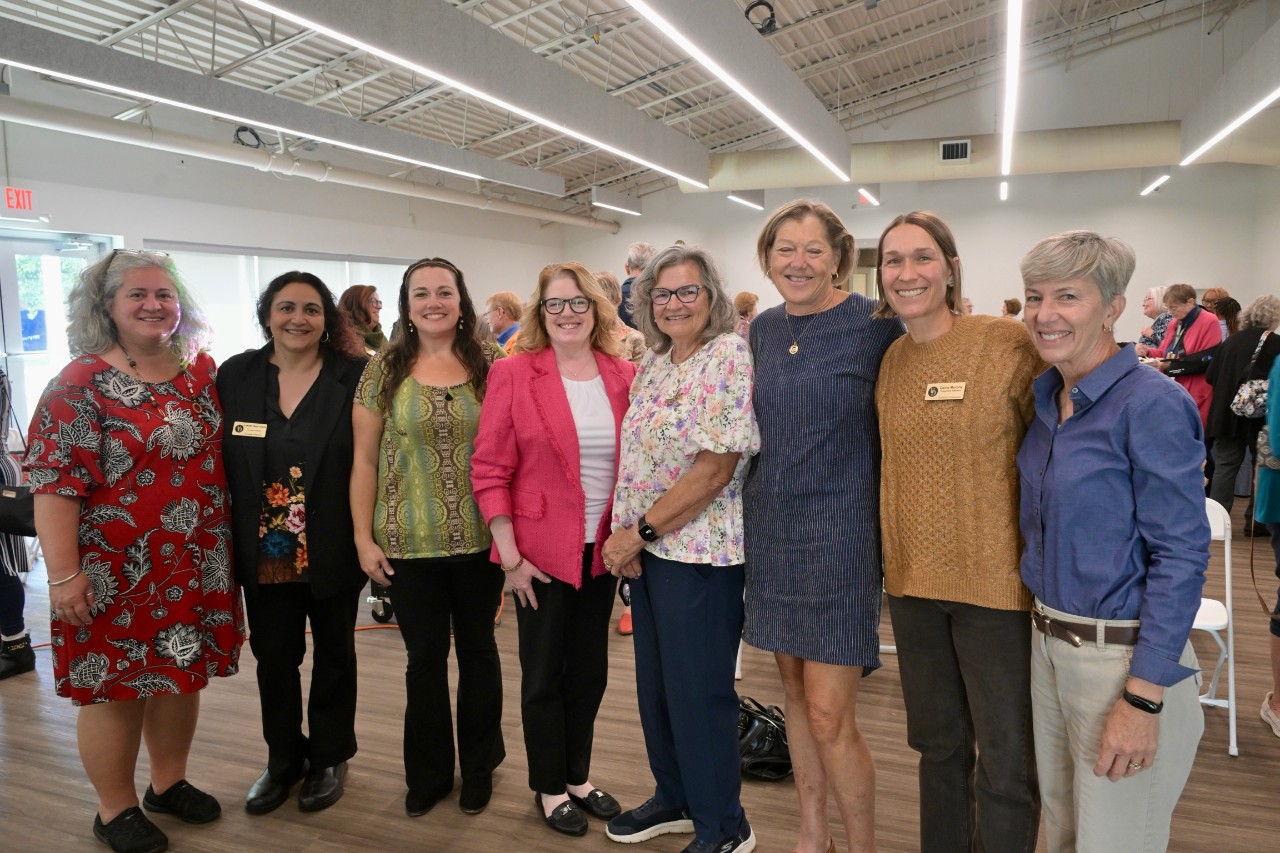
In October, Master Gardener Volunteer Educators from across the state gathered at the Delaware Agriculture Museum in Dover to celebrate a unique program and collaboration that has endured for 40 years.
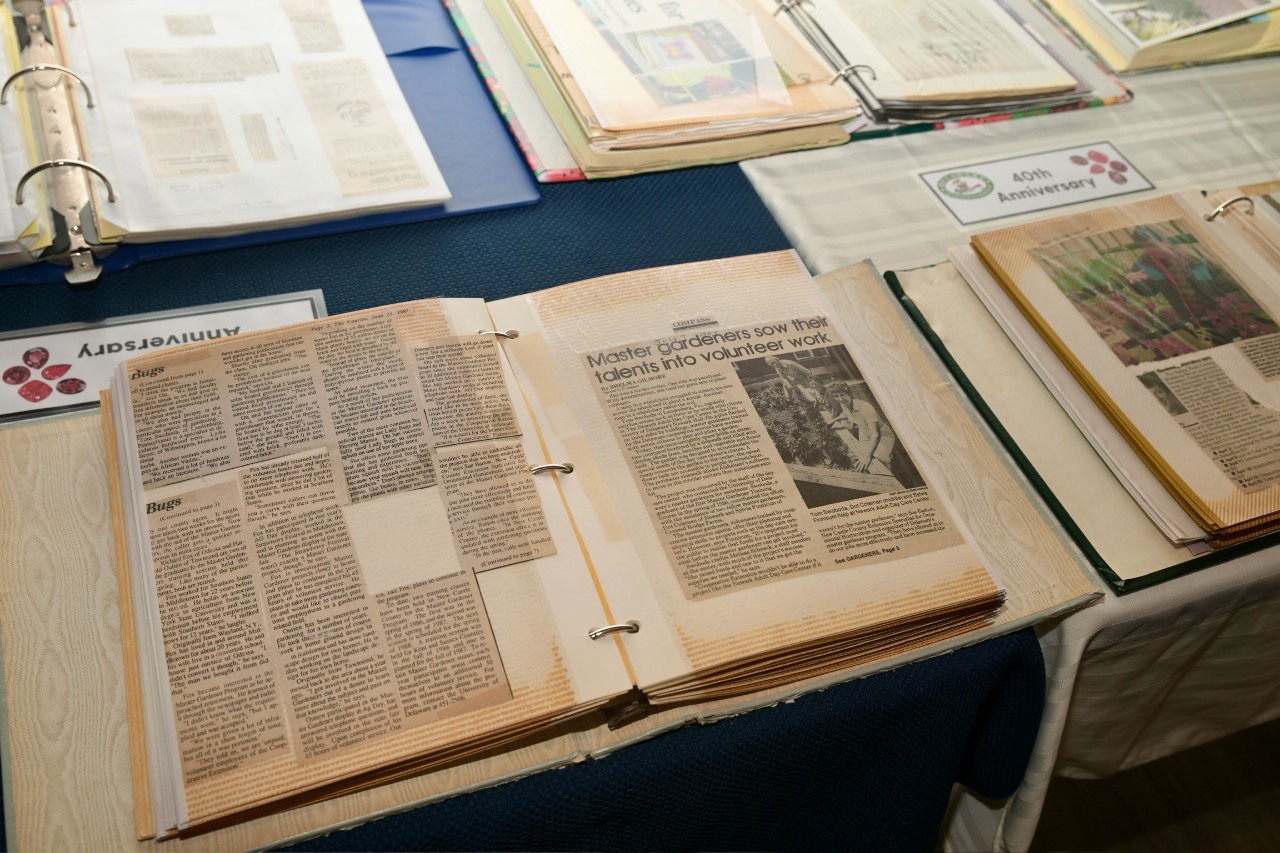
The first Master Gardeners program originated in Washington State in 1973. University of Delaware Cooperative Extension adopted the nationally growing program in 1986. Susan Barton, then an associate professor and extension specialist in ornamental horticulture with the College of Agriculture and Natural Resources, took on the task of adopting the nascent national program in the First State. That first 1986 class launched 15 highly trained volunteer educators.
Delaware’s two land-grant universities, Delaware State University and the University of Delaware, are full partners in the program, often training and conducting workshops together.
It is a partnership that packs a punch across the Delaware landscape.
“This is one of those programs where we have a beautiful and very genuine integration of our entire Cooperative Extension, between the University of Delaware and Delaware State University, working with you to make Delaware better,” said Gulnihal Ozbay, Director of Extension at Delaware State University.
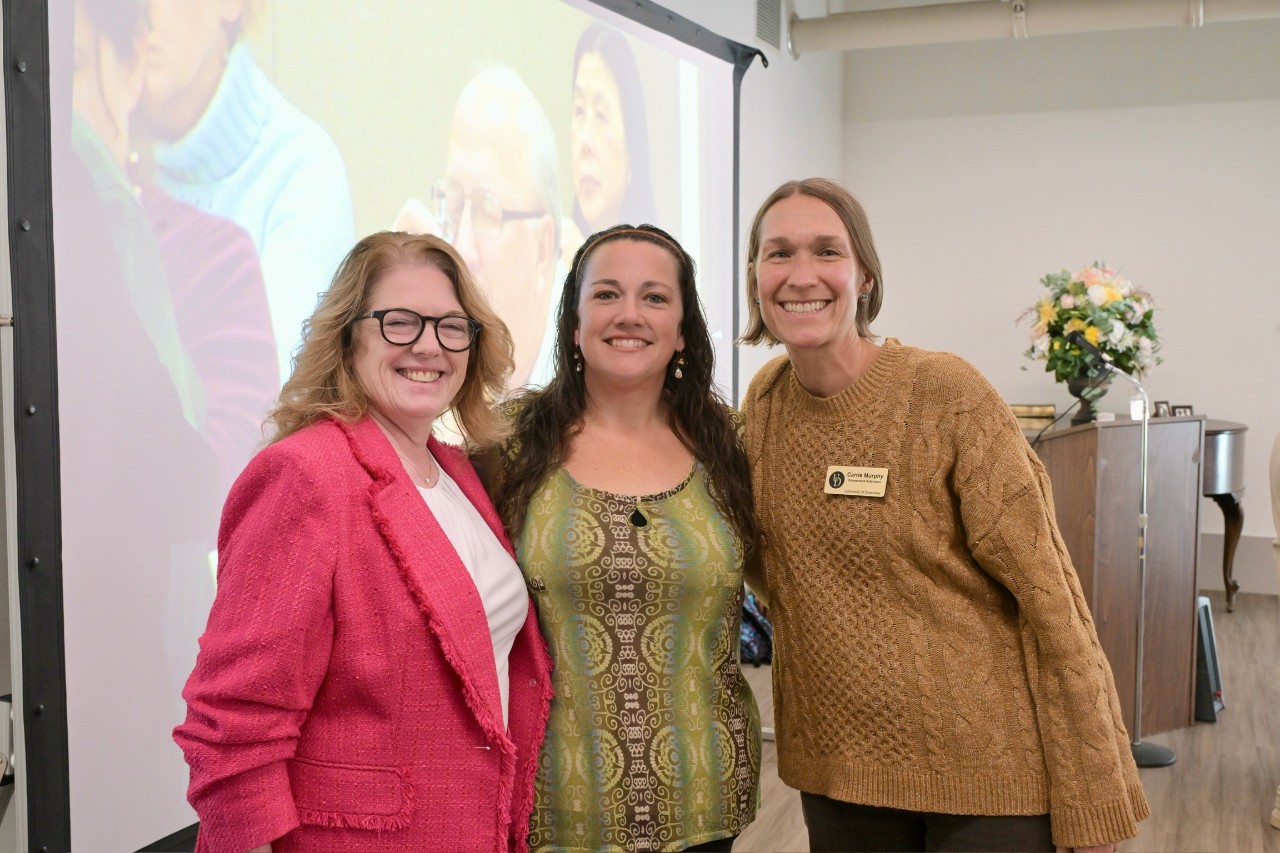
And while Mireille Chahine, associate dean and director of UD Cooperative Extension, has only had three months to observe Delaware Master Gardeners in action, she is no stranger to the program, sharing that her husband, Mario de Haro, is a 17-year master gardener volunteer educator trained in Idaho.
“When they asked me to do this, I’m thinking, it’s amazing actually that this program has been sustainable. Forty years — what a milestone!” Chahine exclaimed. “I looked at the numbers, and I was amazed. This is such a wonderful program.”
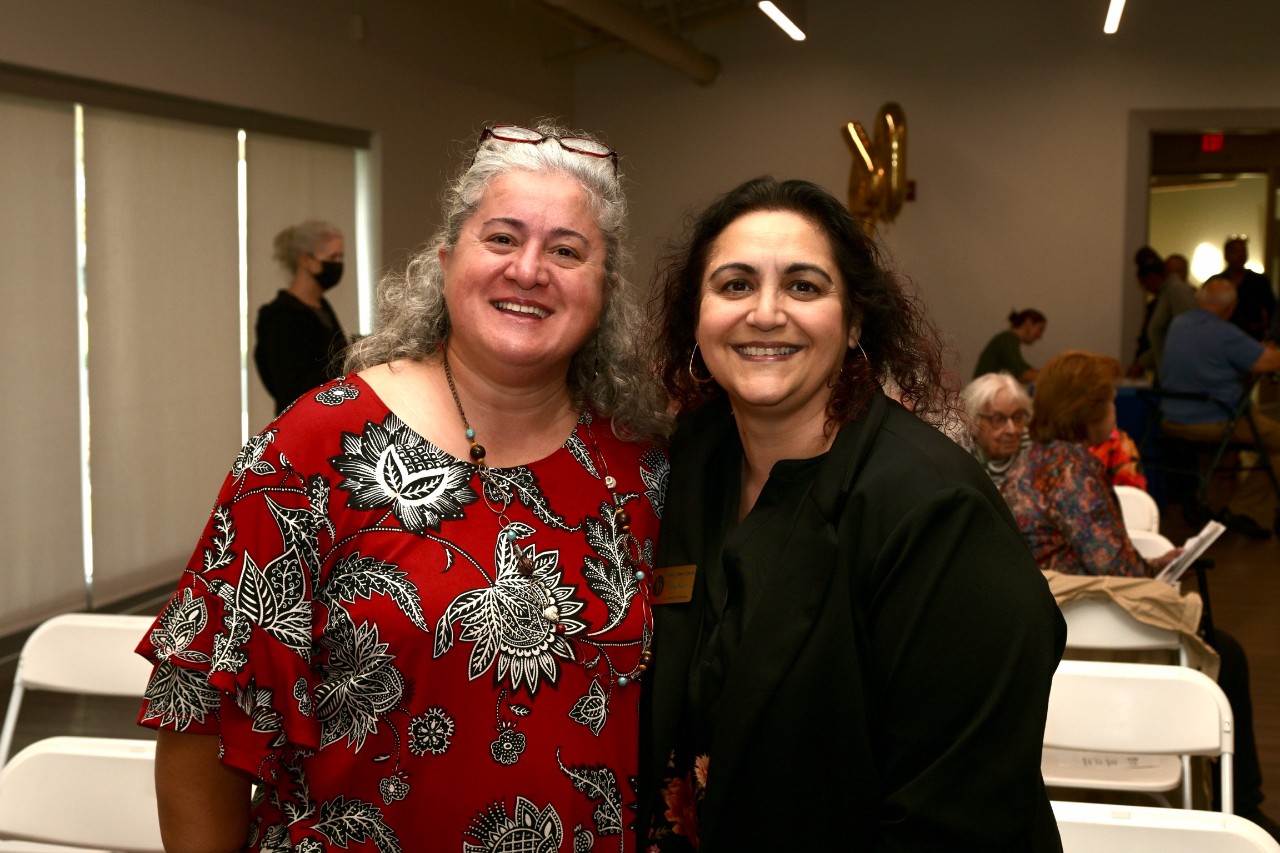
The figures are impressive. Today, Delaware boasts 268 active master gardeners with new volunteers trained every other year. Throughout its tenure, thousands of volunteers entered the program to give back their time and energy to the state.
In 2025 alone, Delaware Master Gardeners donated 16,956 hours of their time, which, when calculated at a professional rate, yields a value of more than half a million dollars — $589.899 to be exact.
“While it is difficult to tally up the cumulative financial benefit across forty years, it may be safe to assume the figure is in the tens of millions of dollars of services to Delaware,” reflected Carrie Murphy.
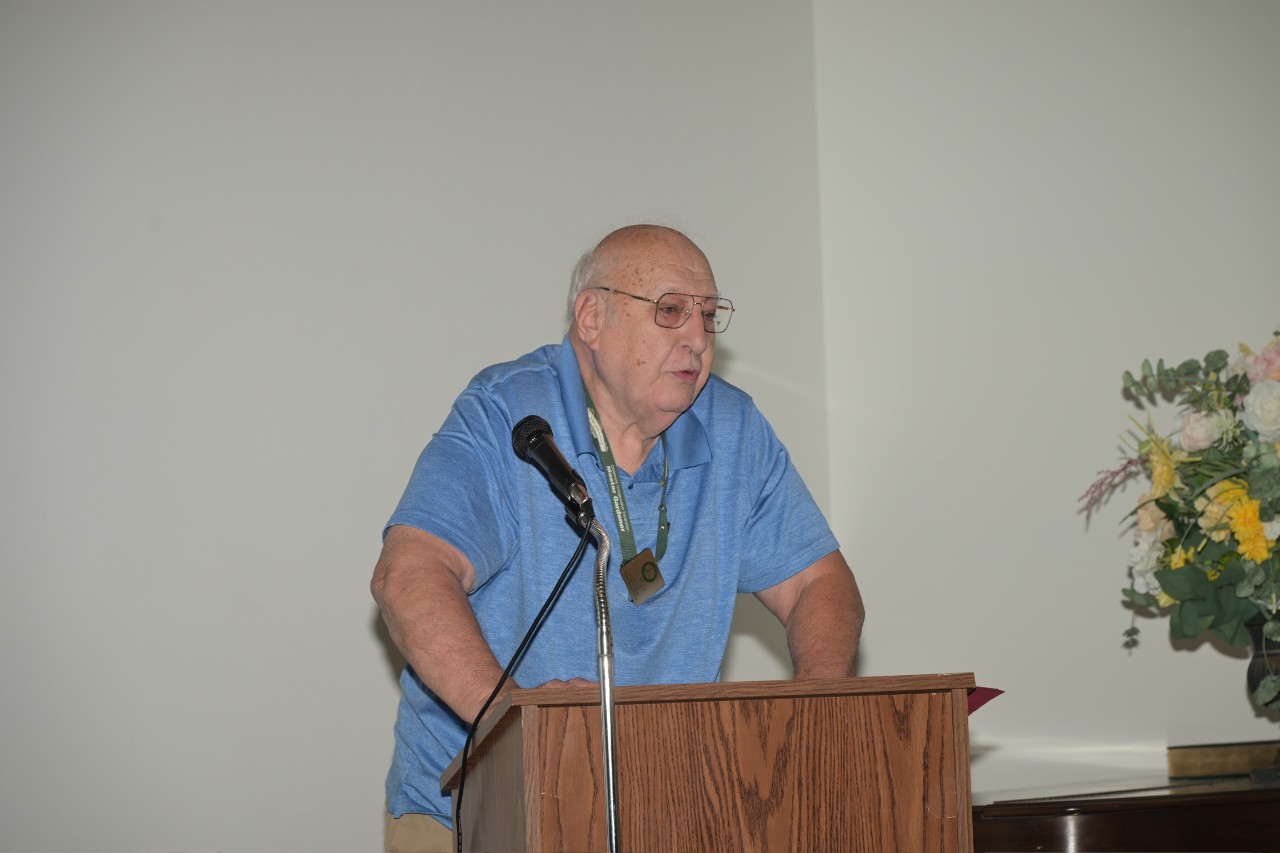
A master gardener from each county was invited to comment on behalf of their county. Dick Pelly from New Castle, Zoe Bell from Kent, and Linda Peters from Sussex affectionately shared years of volunteer experience — stories which formed a common theme of program pride, creative collaboration, formation of friendships and dedication to Delaware.
The two-hour celebration of 40 years of gardening outreach success concluded where it had all begun — with Susan Barton, traveling from her home in Charlottesville, Virginia, to reflect on how the seeds of public outreach and service planted in 1986 have continued to thrive.
“You guys have been so eloquent in talking about the Master Gardener program, what it’s meant to you, what these friendships have meant to you. So I don't know if I can hold a candle to what we’ve heard already today. But I’ll try,” Barton said.
Barton pondered the undeniable successes of the past as well as the challenges ahead for the volunteer educators.
“The core of master gardening is being an educator,” Barton said.
Throughout its 40-year history, Barton has been on hand to conduct classes during the six weeks of training each master gardener undergoes.
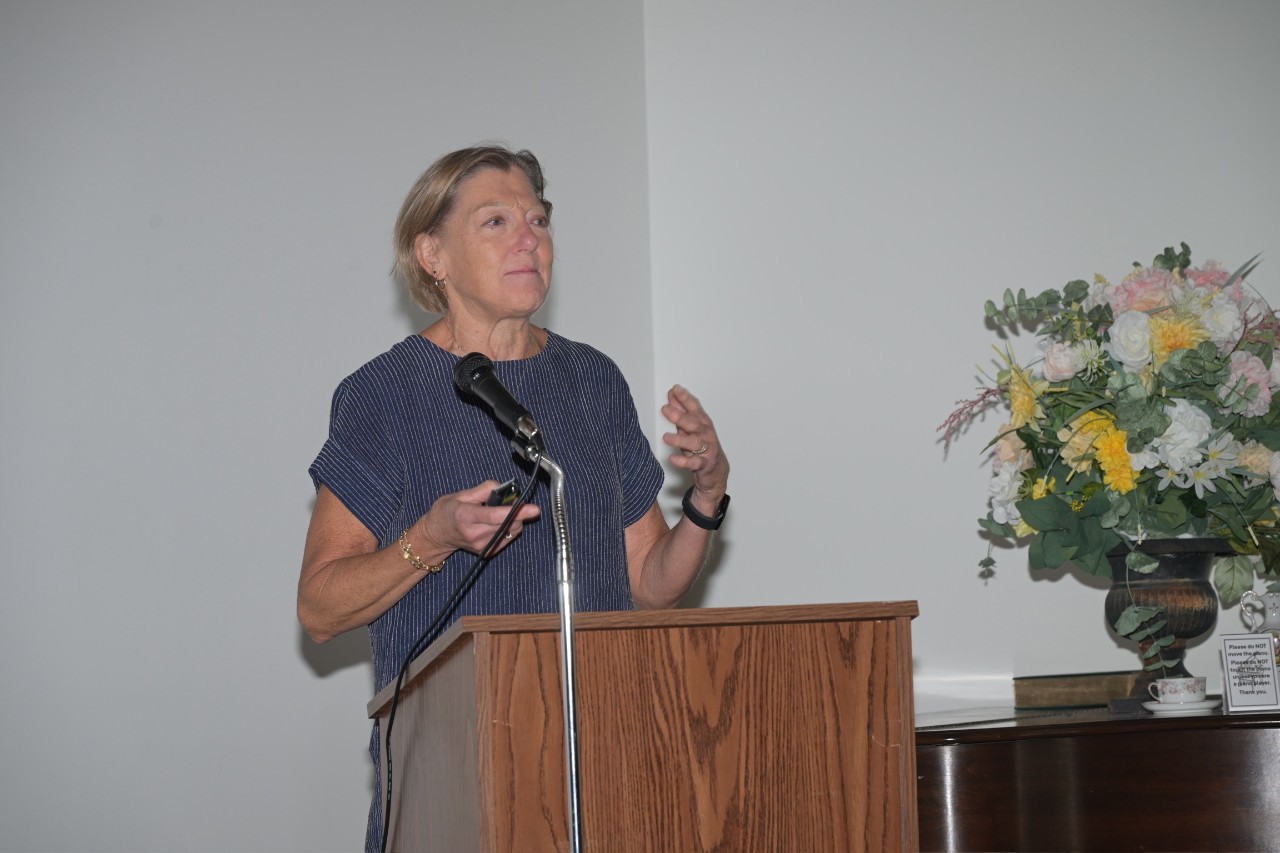
“There’s something special about teaching a class of master gardeners who are so thrilled to be there and eating up everything, every piece of information that you have to provide,” Barton said.
“The workshops that master gardeners provide in every one of the counties are really valuable educational tools,” Barton added.
“When they walk past one of your display gardens, they're learning from the plants that you planted, the signage that you added, and the additional tours that you do of those educational gardens.”
Barton touted the success of transferring the practice of Integrated Pest Management, known as IPM, from the farm to the home landscape. Rather than preemptive spraying, master gardeners promote scouting and understanding the life cycle of a pest before determining if further treatment is necessary.
Barton sees a major role for master gardeners in shaping public awareness of sustainable and livable landscapes, managing invasive plants and implementing rain gardens and bioswales, which help filter and purify water where it lands rather than diverting it elsewhere for treatment.
“That has been something that we have completely embraced,” Barton remarked.
Barton highlighted one message that she hopes master gardeners will continue to promote: leave the leaves.
“It just kills me to see bags of plastic bags of leaves at the bottom of a driveway, being taken away, piling up in a landfill somewhere, when that’s a wonderful resource that could be put back into the soil,” Barton explained. “It is why forests are the most productive soils that we have, the healthiest soil, because all the leaves are falling, decomposing, all those nutrients, all that organic matter, just getting recycled back.”
“That’s a good example of a sustainable landscape practice that master gardeners can educate the public about.”
“We're really lucky that we're in a small state, and our agencies can talk to each other, and really work together to promote a better environment for all of us to live in. So thank you so much for the role that you, as master gardeners, play in making that dream a reality.”