



Category: Cooperative Extension
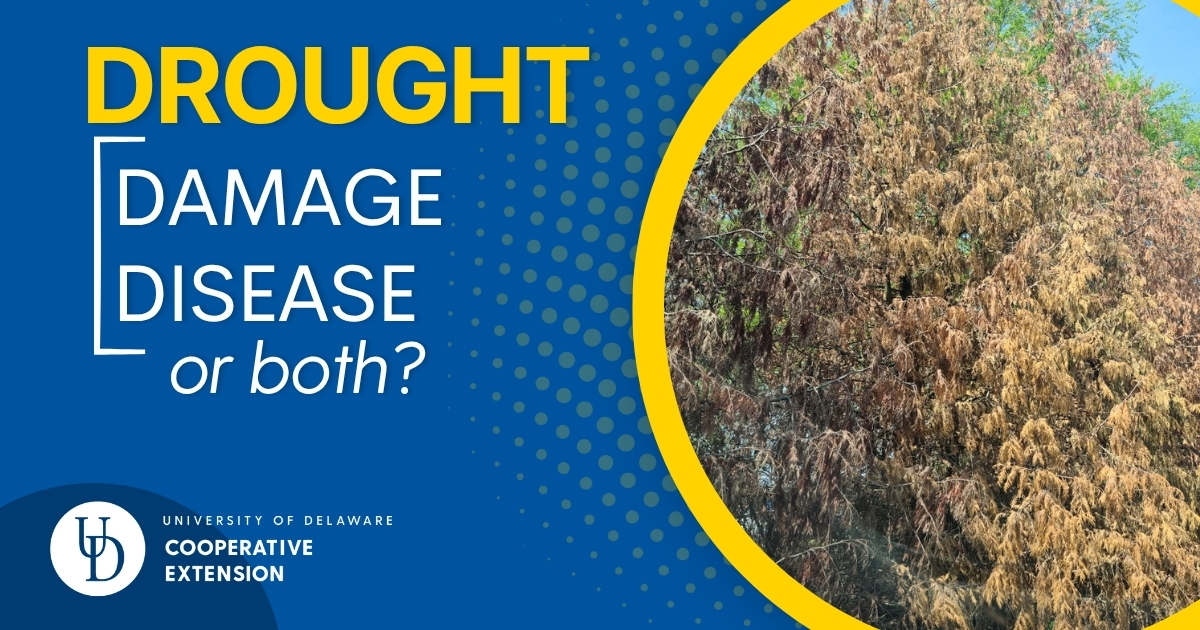
Drought Damage, Disease, or Both?
June 11, 2025 Written by: Tracy Wootten, Sussex County Horticulture Agent and Jill Pollok, UD Plant Diagnostician with Delaware Cooperative Extension
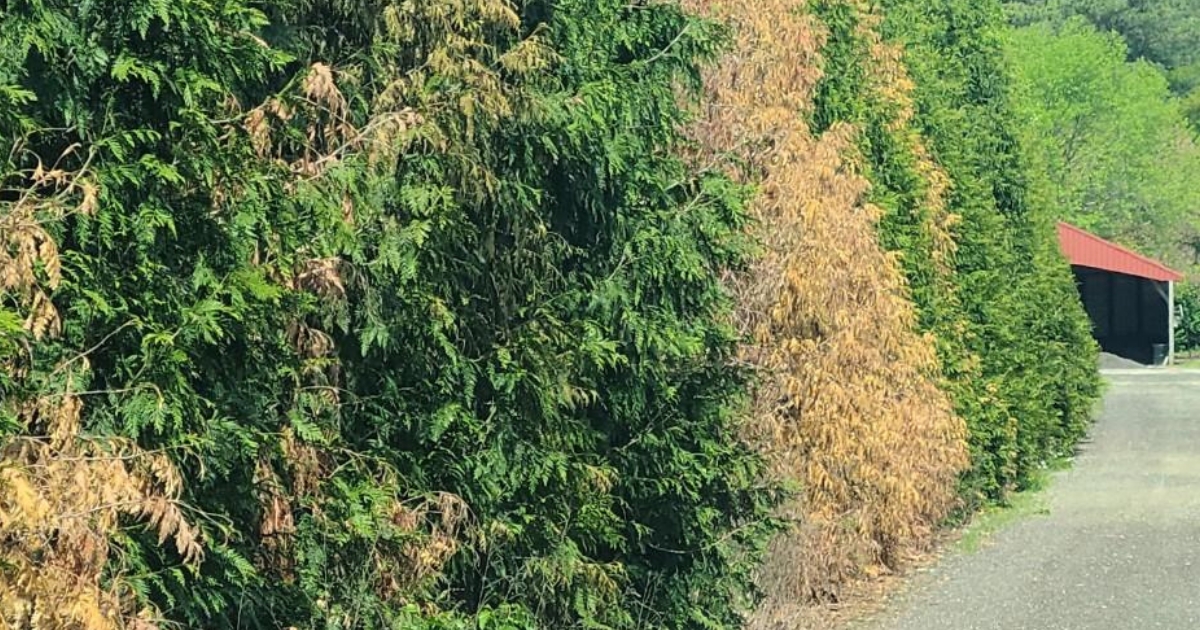
Many on Delmarva are seeing damage to trees and shrubs from the severe drought we experienced in 2024. Evergreens used for windbreaks and screening on poultry farms are no exception. Jill Pollok, University of Delaware Plant Diagnostician, shares items that we can expect in 2025 after the drought:
This year (2025), plants will have issues derived from the drought in 2024. The primary effect of drought is direct damage to the roots, especially fine feeder roots, which are responsible for water and nutrient absorption.
Long-term effects of drought include branch dieback and plant death as root systems and photosynthetic machinery are damaged.
Secondary effects of drought include increased disease susceptibility: root rot, cankers, wilt, and tip blights can take advantage of the stressed plants. Drought-stressed trees and shrubs are also more vulnerable to wood-boring insects.
What do you do now?
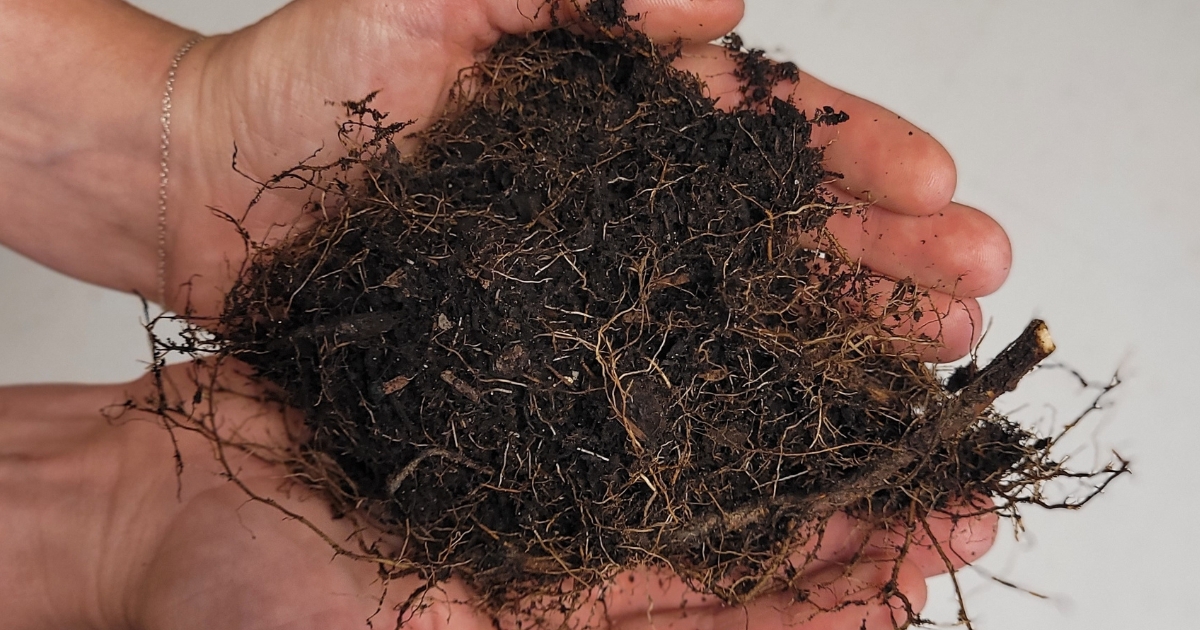
Try to determine why the tree is in decline or may have died. Was it a lack of water? Are there healthy fine feeder roots present on those trees still living? If you are not sure, take a look! Fine feeder (hair-like) roots take up 80% of the water and minerals in trees. If they die from too much water, too little water or disease, the tree must expend energy to regenerate these roots. This is even more problematic during an extended drought period. In Delaware, we were in a moderate to severe drought in October 2024. Although it was improving in December, parts of Sussex County were still in severe and even extreme drought.
Calls are coming in about Green Giant Arborvitae. Do all you can to provide optimum growing conditions. They need full sun, but can tolerate some shade. A pH of 6.0 – 8.0 is preferred. Our soils tend to be acidic. If you haven’t done a soil test in the last 3 years, you are encouraged to do one. Fertilize, if needed, according to a soil test - don’t guess. Water deeply during dry spells. Newly planted evergreens should be watered every week through fall. Established evergreens should be watered every 2 weeks all year (this includes rain events). When needed, prune out any broken or dead branches.
If you suspect root rot, take root samples from the tree to be tested (especially if it is in an area that tends to be wet). Submit a root sample to our UD Plant Clinic for testing. The UD Plant Clinic has a great video on how to do this - https://youtu.be/I21JIIjrw6k. You can drop samples off at any county extension office in Delaware. Plant and soil samples are transported to campus on Tuesday mornings at 9 a.m., but can be dropped off any time during the week. Locations of offices and contact information can be accessed at https://www.udel.edu/academics/colleges/canr/cooperative-extension/directory-contacts/
Resources:
Dealing with Drought in the Landscape
https://www.udel.edu/content/dam/udelImages/canr/pdfs/extension/environmental-stewardship/DroughtBrochure-updated.pdf
UD Plant Clinic:
https://www.udel.edu/academics/colleges/canr/cooperative-extension/sustainable-production/plant-diagnostic-clinic/
UMD Plant Clinic:
https://extension.umd.edu/programs/agriculture-food-systems/program-areas/fruit-vegetable-production/plant-diagnostic-laboratory/
UD Soil Testing Lab:
https://www.udel.edu/canr/cooperative-extension/environmental-stewardship/soil-testing