



Category: Cooperative Extension
Fall is for planting
August 31, 2023 Written by Sue Barton, Professor and Extension Specialist in Ornamental Horticulture
Lots of people think the only time to plant trees and shrubs is in the spring. At this point in the year, we tend to start thinking about garden cleanup and enjoying fall foliage but forget about planting. In fact, fall is the ideal time to plant many trees, shrubs, perennials and lawns because it is when plants primarily grow roots!
Why fall?
Think about it: A newly planted tree, shrub or lawn must grow roots in order to become established in the landscape. While root growth isn’t visible, it is essential. Plants get water and nutrients from their roots. Roots stabilize plants. When we plant in the spring, we give up root growth for top growth, and it takes longer for our plants to become established.
There are a few exceptions to this rule—evergreens do not tend to grow roots in the fall and, therefore, are best planted in the spring. But most plants will grow well when planted in the fall.
Lawns
Let’s start with the lawn. Fall is the proper time to seed or reseed a lawn. Grass seed germinates when the soil is warm, and cool-season grasses (the kind we primarily grow in Delaware) grow best in cooler temperatures. Fall is perfect—the soil is warm in August and September when we sow grass seed, and when the grass germinates and starts to grow in a few weeks, the weather is turning cooler, promoting good grass establishment.
Another benefit of fall lawn planting is less weed competition. There are many summer annual weeds competing with grass in a spring-seeded lawn, and fewer weeds that come up in the fall. By adding fertilizer after the lawn has sprouted, you also promote great root growth, which helps a lawn make it through tough conditions like drought.
We can usually successfully seed a lawn in Delaware through mid-October (maybe even until the end of October). But the later we get in the fall, even when temperatures stay warm, we run into shorter day lengths that are not conducive to good lawn growth. So, get out there now and seed or reseed your lawn!
Trees, shrubs and perennials
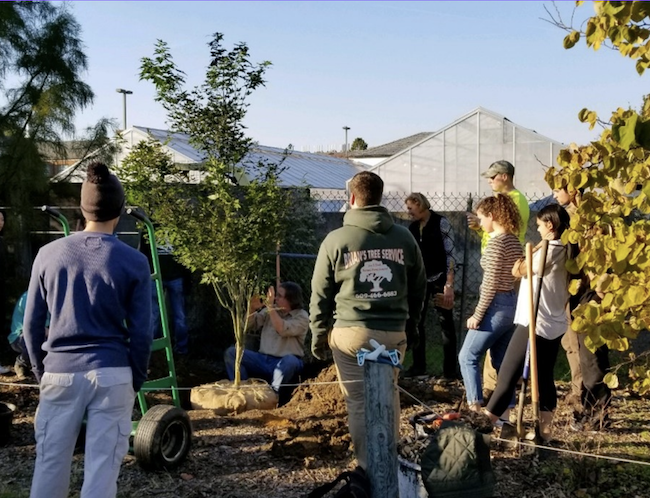
It is also the time to visit your local garden center and buy trees, shrubs and large perennials to plant. In the fall, we tend to have good regular rainfall and, of course, cooler temperatures, so there is less need for watering newly planted trees and shrubs. If we do have a dry fall, you will need to provide supplemental water.
Stay away from planting small perennials that don’t have a large enough root system. When they are planted in the fall (especially late fall), they will not have time to grow enough roots and will easily heave out of the soil during the winter when the ground freezes and thaws. My daughter received some free lobelia last fall and planted them outside her Washington, DC apartment in a small plot only to find most of them heaved the following spring. Lesson learned!