




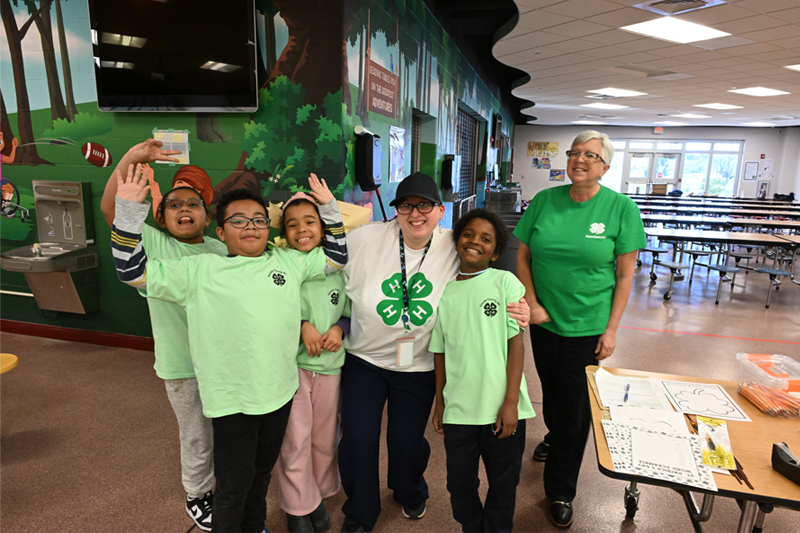
Afterschool engagement
Photos by Michele Walfred May 04, 2026
UD’s 4-H afterschool programs build confidence, creativity and community
When many people think of 4-H, they think of showing animals at a county fair. But as the saying is often echoed, 4-H is more than just cows, sows and plows.
The largest nationwide youth development program for children and teens ages 5 to 19 values head, heart, hands and health (the four H’s). It’s all about hands-on learning and helping children and teens gain social and critical thinking skills.
The University of Delaware’s 4-H afterschool programs cover all of those values. And they’re not just a huge help to children, but to their families as well.
On a March afternoon, Miranda Aleksandrowicz, a staff member with the afterschool program, taught her group at Mispillion Elementary School in Milford about how people can hold in their emotions and erupt, just like volcanoes. Each time she asked a question, she gently tossed a bright green squishy ball to a student for their turn to answer.
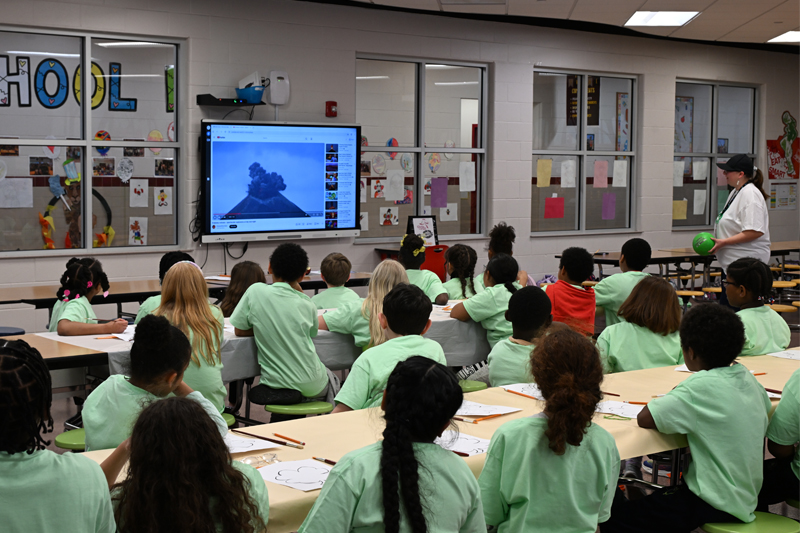
“What does a volcano do?” Aleksandrowicz asked.
“Spits out lava,” said one student, after catching the ball.
“Spits out lava — so what does it do? Erupts!” said Aleksandrowicz, throwing her hands enthusiastically into the air.
The students were excited to share their thoughts about the afterschool program.
Kaiden Smith-Burris, a third grade student in his third year of the program, said he had a lot of fun that day.
“Ms. A is a great person,” Smith-Burris said. “I’ve learned a lot. I learned how to make hot chocolate. We learned how to get our exercise. We learned how to get our energy out — that’s a big one.”

The program at Mispillion Elementary is one of five 4-H afterschool programs run by University of Delaware Cooperative Extension in elementary and middle schools across the state. Funded through state and federal grants, 4-H afterschool programs give the more than 150 enrolled children homework help, nutritious snacks and hands-on learning activities in an environment that keeps them engaged and sets them up for academic success. At a time when future funding for federal funding for the program that serves nearly 1.4 million children nationwide is uncertain, recognizing the program’s impact is more important than ever.
“Because we are a 4-H afterschool program, of course our focus is around the 4-H motto: ‘Learn by doing,’” said Kendra Harrold, the director of the 4-H afterschool program for Sussex County Cooperative Extension. “We keep them engaged. We’re reducing any kind of time that they might be unsupervised.”
For four days a week from the school dismissal bell until 6 p.m. (for elementary school children) or 5:30 p.m. (for middle school children), and for six weeks in the summer, students remain in a trusted and secure environment.
The program is free — providing relief to many families facing economic pressure. Ernie Lopez, 4-H state program leader, said it’s essential for working parents.

“The need and demand for parents to be working full-time is strong out there in the economy right now,” Lopez said. “We’re able to provide that safe space in afterschool hours, but still in the work hours of parents and guardians. So we’re meeting the demand in providing safe spaces for learning for kids, while their parents are meeting the demand to continue working.”
Fontella Taylor, the statewide 4-H youth development grant manager and interim director of the New Castle County 4-H afterschool program, said the program allocates time for students to do homework and for 4-H staff to help them if they need it.
“Almost all the students have a Chromebook issued by their school,” Taylor said. “We’re able to have them log into their account and see what is due, what is incomplete, or what tests they fail, what their grades are, and we are able to help them in that aspect.”
According to Delaware 4-H staff, children who attend the afterschool program ultimately improve their grades in school, with certified teachers serving on staff to support their academic growth.
Multiple parents say the program is helpful for them. Jasmine Smith, a parent of second-grader Kennedi Sylvester, works full-time from home. After she finishes work, she is able to start preparing dinner for her family before she picks up Kennedi from the afterschool program.
“By the time I pick her up, everything flows into the evening really smoothly,” she said.
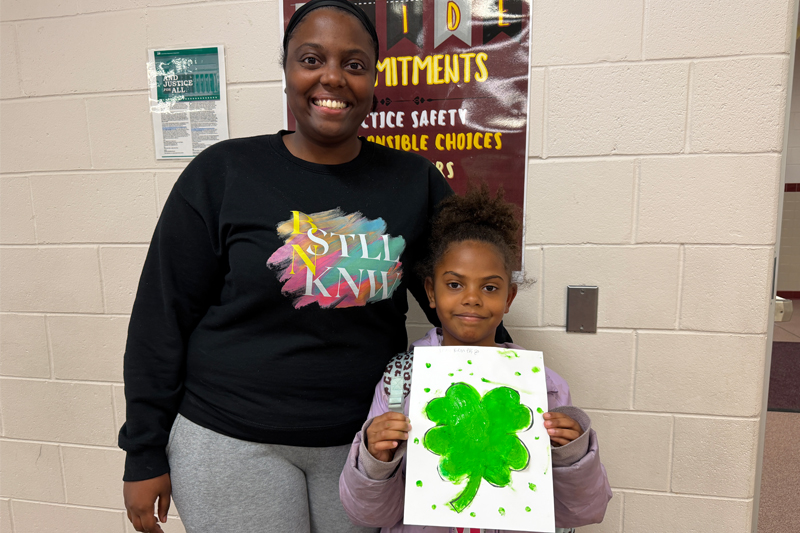
Jasmine has noticed Kennedi improving academically and excelling in other life skills. She attributes that to the afterschool program.
“She’s really been accelerating in her reading, and she’s feeling more comfortable engaging with other kids,” she said. “She also has more curiosity and wants to explore things, and she wants to incorporate activities at home.”
In February, the program did a favorite foods contest where students prepared their favorite appetizers, bread or dessert. Smith said Kennedi came home excited to cook.
“It’s been really transformative as far as her personality and her really coming out of her shell,” she said.
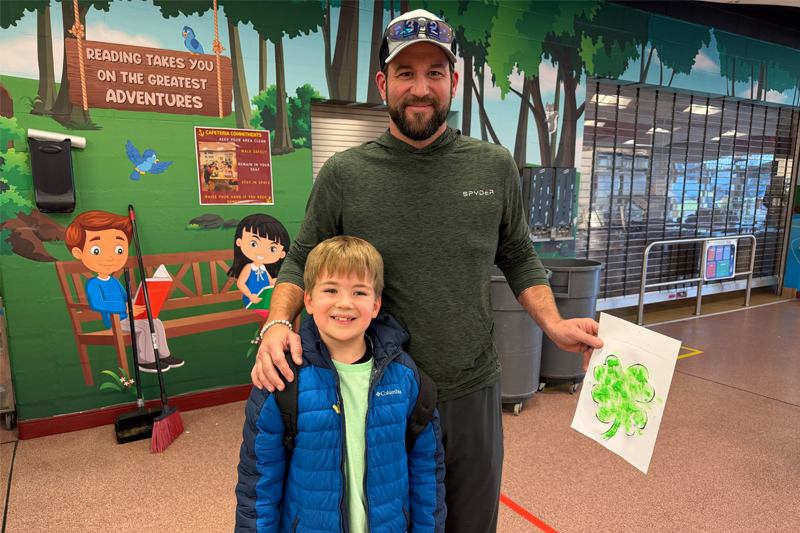
That enrichment is why Todd Smith said his son Dylan keeps going back. Even though he could pick Dylan up from the bus stop when school gets out, Dylan wants to stay with 4-H.
“He’s always having a good time,” he said. “He's talking about the projects and the friends that he makes here.”
Zuri Jewell boasted about her new friends and showed off a bracelet she made at the Mispillion Elementary afterschool location. Jewell and her friend, Aniyah Pritchett, were happy to model their pink and white bracelets. The friends are what keep Jewell coming back.
“I like 4-H because I get to meet a lot of new people who go to my school,” Jewell said.
Some students can’t wait for the last bell of the school day. But for 4-H afterschoolers, it marks the start of a space where they can explore their interests, turn their energy into creativity and connection, and, most importantly, have fun.

Contact Us
Have a UDaily story idea?
Contact us at ocm@udel.edu
Members of the press
Contact us at mediarelations@udel.edu or visit the Media Relations website