



Category: Cooperative Extension
Ten Worksite Wellness Strategies for the New Year
December 06, 2022 Written by Nancy Mears, Health and Wellbeing Agent
Employee health and well-being are an essential part of any successful organization or business. A coordinated approach to workplace health is the result of a well-planned and organized set of policies, systems, and environmental change strategies, coordinated with educational programs designed to meet the health needs of employees.
Here are ten strategies to consider:
1) Worksite Wellness Committees
Effective wellness committees consist of representatives from different levels within an organization who provide valuable feedback on what is important in a wellness program. Program participation will be much higher when employees feel they are heard. Additionally, wellness committees can assist with many worksite wellness program tasks, including program design, program implementation, promotions, surveys, event planning, etc.
2) Healthy and Productive Meetings
Adopting a Healthy Meeting Policy at your worksite can help you offer healthy choices during events and be more intentional about scheduling physical activity and/or mindfulness activities. By doing so, you will be supporting employee health. Policies can also include the exclusive use of vendors who prepare healthier menu items.
3) Dining and Menu Guidelines
For worksites that have onsite cafeterias, the implementation of healthy dining/menu standards can be essential to employee health. Farm-to-work is an example of a dining and menu strategy where local produce is incorporated into cafeteria meals.
4) Healthy Vending
Healthy vending and beverage standards for onsite vending machines can be adopted by organizations to create an environment that supports healthy food choices within a worksite.
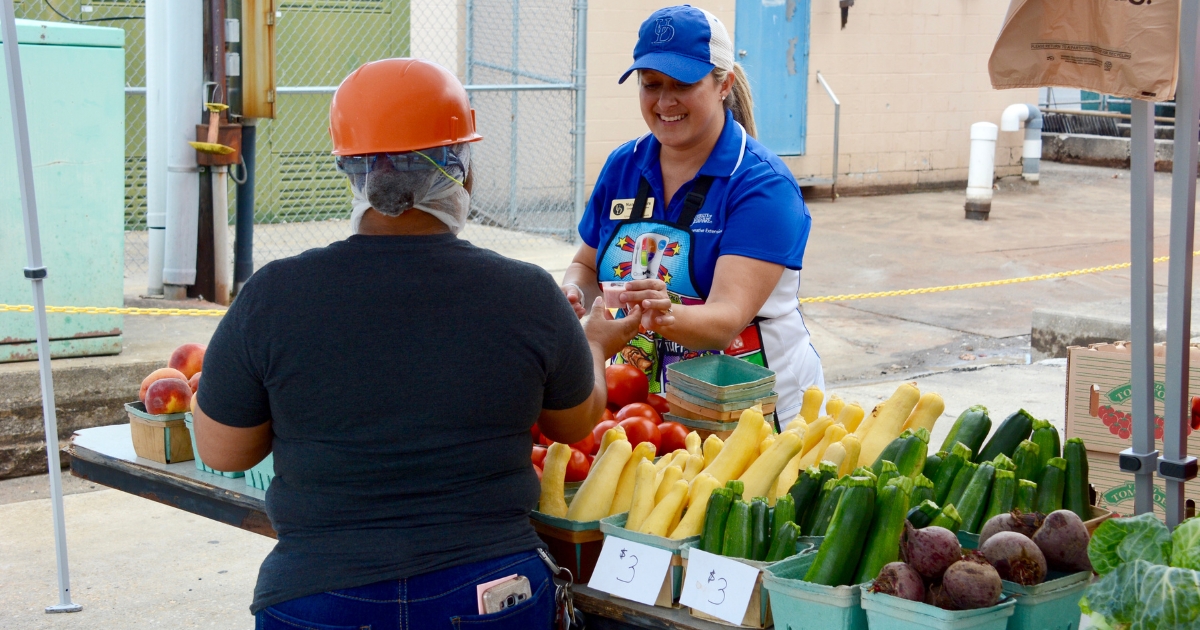
5) Worksite Farmers Markets
Offering a worksite farmers market provides employees a covenant way to shop for fresh fruits and vegetables every week while supporting the local economy. Markets that accept SNAP and WIC benefits further support access to healthy foods for employees who have limited resources.
6) Worksite CSAs or Weekly Produce Box Programs
If a weekly farmers market isn’t an option for your worksite, maybe a Community Supported Agriculture Program (CSA), or a weekly produce box program is. A CSA or weekly produce box program is a subscription program that provides each employee with a share of the farmer’s harvest for the week. It’s a great way to encourage employees to try new fruits and vegetables!

7) Breastfeeding-Friendly Worksites
Employers can support breastfeeding by providing support to new moms and families. Before the baby is born, employers can partner with their local WIC office and/or breastfeeding coalition to provide education about the benefits of breastfeeding, which can help families develop a plan for return to work. In addition, providing a clean, designated, private, relaxing space for breastfeeding/pumping with refrigerated storage, allowing flexible scheduling to support lactating moms, giving new moms options for returning to work, such as working from home and/or part-time options, providing onsite childcare, providing access to hospital grade breast pumps and providing access to professional lactation counseling to moms and families.
8) Physical Activity Programs and Clubs
Incorporating physical activity into the workday doesn’t have to be complicated. Encouraging employees to take the stairs is a simple and inexpensive way to increase physical activity during the workday. Worksite walking clubs and sports clubs are another great way to build comradery while energizing your staff!
9) Stress Management
The workplace can be a fast-paced, ever-changing environment, which for some of us, can be stressful. Many worksites have greatly benefitted from interactive, group-based stress management classes taught through practical and interactive mindfulness-based activities for employees.
10) Hydration
Your body needs water! Drinking enough water every day is important to maintain your body’s daily natural processes. Joint and eye lubrication, proper digestion and body temperature regulation are just a few of the important reasons to stay properly hydrated. Signs of dehydration can include feeling tired or confused, having a rapid heart rate, and having dark-colored urine. Water is a better beverage choice than a sugar-sweetened beverage when trying to stay hydrated. Providing employees with easily accessible access to free drinking water will not only encourage hydration at the workplace but will also improve productivity.
--
To learn how you can kick off the new year with some simple, low-cost workplace strategies that will improve employee health and well-being, contact Nancy Mears at mears@udel.edu, 302-856-7303. Wishing you and your employees a happy, safe and healthy new year!