


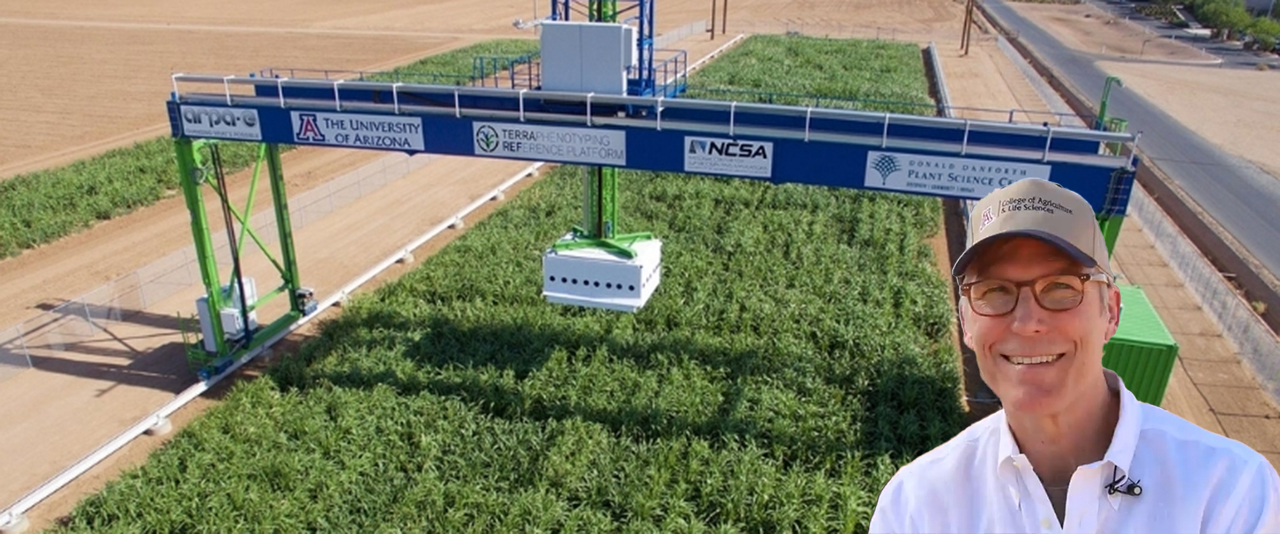
Science in service to society
Alumnus accelerates agricultural innovation for smallholder farmers across Africa and Asia
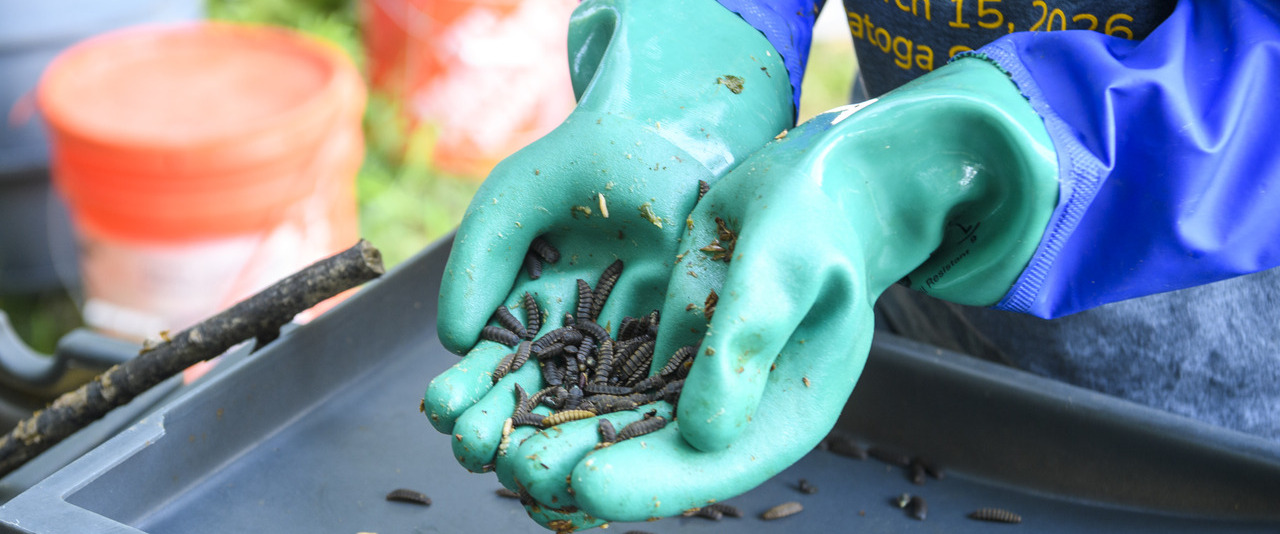
Fighting food waste
University of Delaware researchers use black soldier fly larvae
to keep food scraps out of landfills

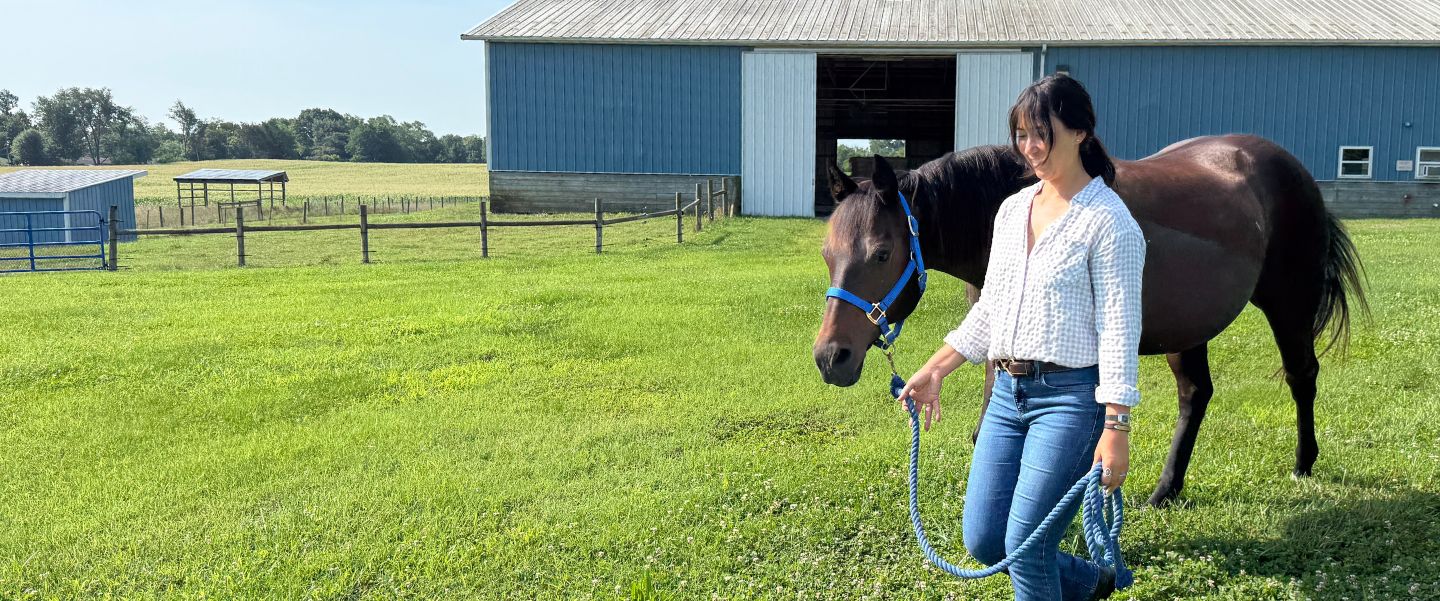
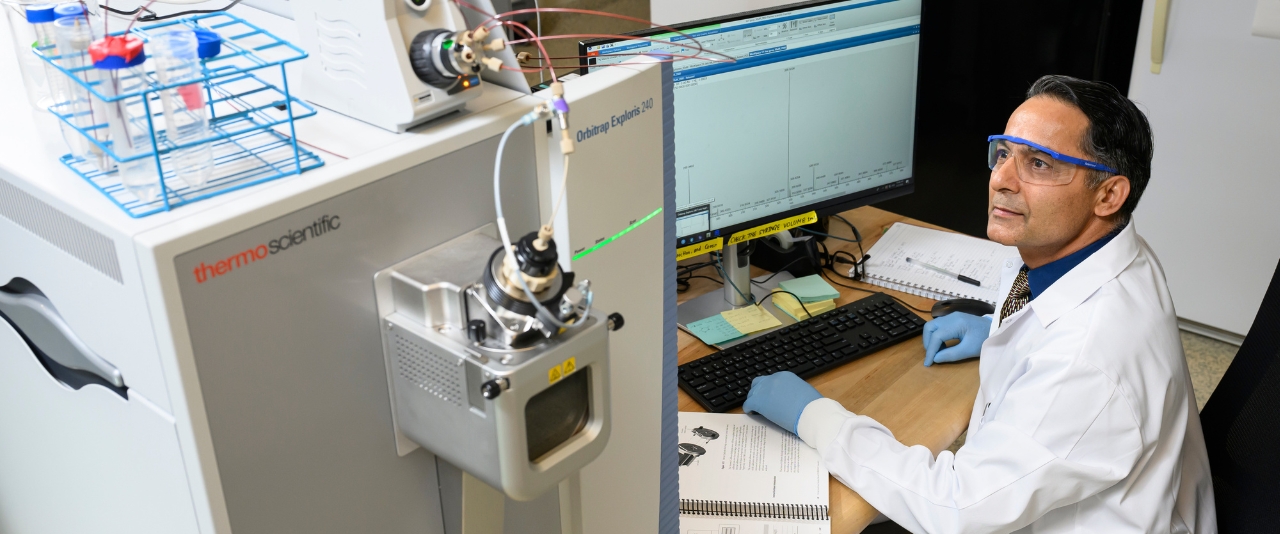
Meet our new faculty: Alexa Johnson
Just like people, animals need good gut health, too.
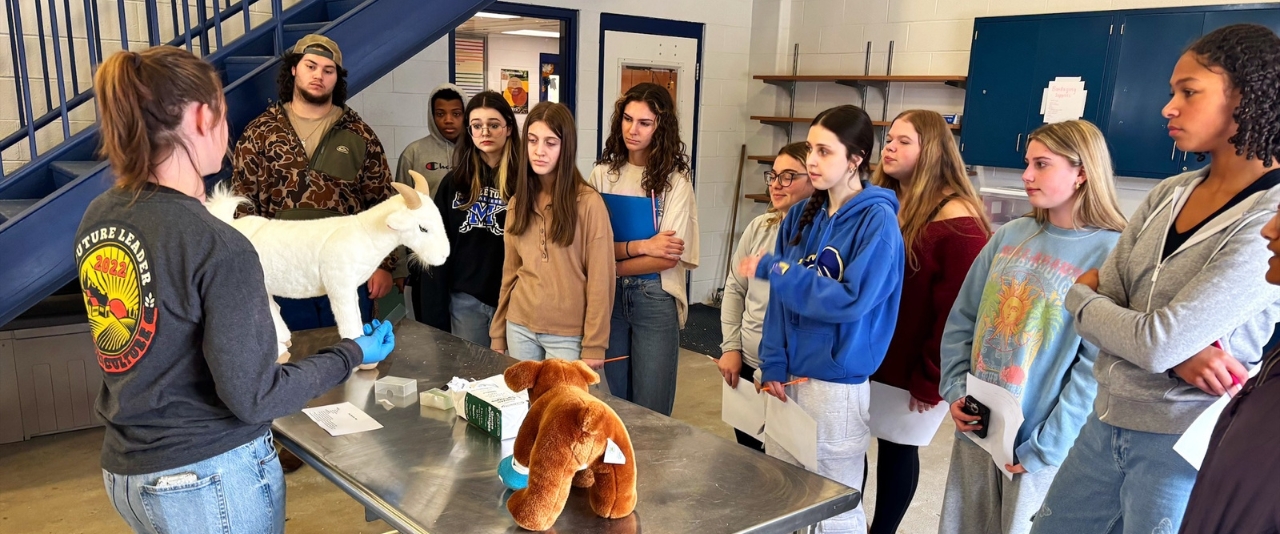
Accelerating STEM education
Animal science students fill a critical need for secondary STEM educators
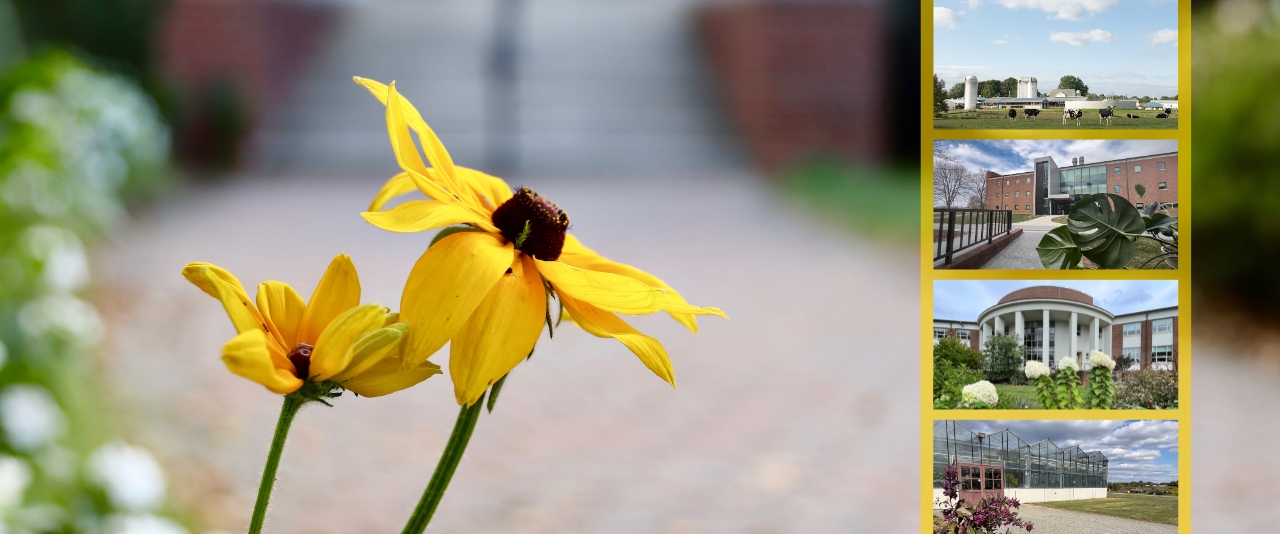
Feed the world.
Protect the planet.
The College of Agriculture and Natural Resources is a unified community of leaders addressing the grand challenges that define our relationship with the natural world and the future of global agriculture through rigorous and engaged research, innovative and discovery-based teaching, and impact-driven outreach and engagement.
Recent news
-
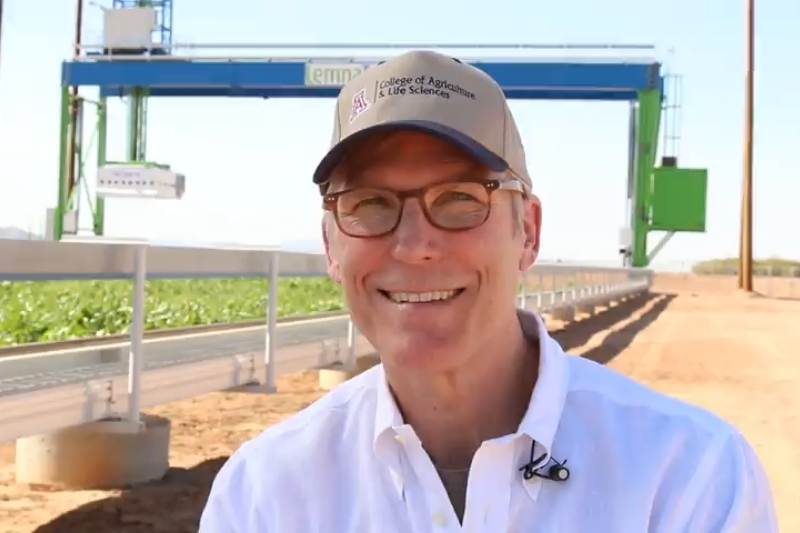
Science in service to society
October 22, 2026 | Article by Molly Schafer | Photos courtesy of Joe CorneliusAlumnus Joe Cornelius accelerates agricultural innovation for smallholder farmers across Africa and Asia as CEO of Gates Ag One. -
Downed Milton pecan tree determined to be 109 years old
October 22, 2026 | Ryan Mavity | Cape GazetteResearchers from the University of Delaware and the U.S. Forest Service determined a pecan tree that formerly stood at the corner of Union Street Extended and Route 16 in Milton was about 109 years old when it was cut down in January. -
Fighting food waste
October 15, 2026 | Written by Katie PeikesUniversity of Delaware researchers use black soldier fly larvae to keep food waste out of landfills and turn scraps into compost and potential livestock feed. -
Can you live with a wild groundhog?
October 13, 2026 | Video by Gardener JeffAs part of 50x50: Science Across America, creator Chunk The Groundhog visited the University of Delaware College of Agriculture and Natural Resources to learn from Kyle McCarthy, professor of wildlife ecology.
Upcoming events

Extending education to the public
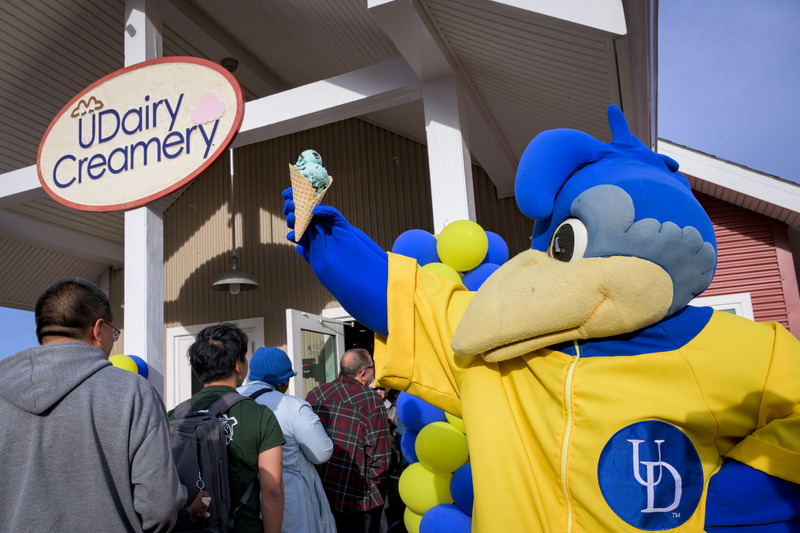
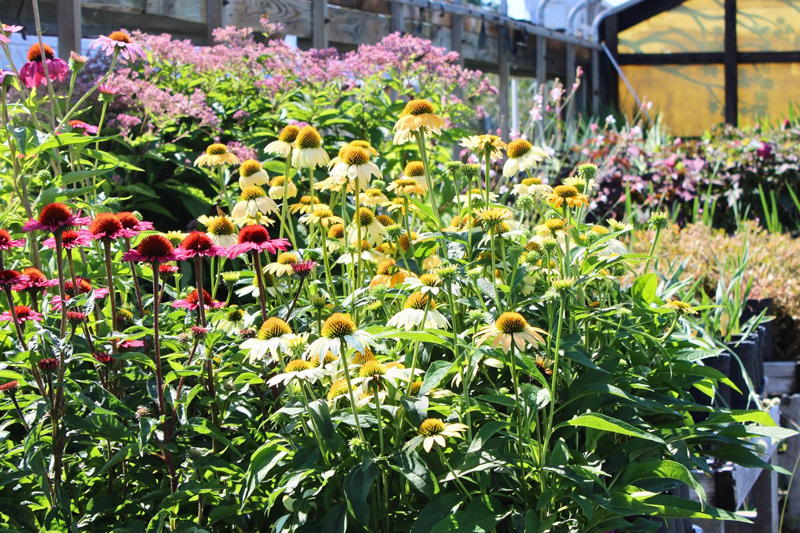
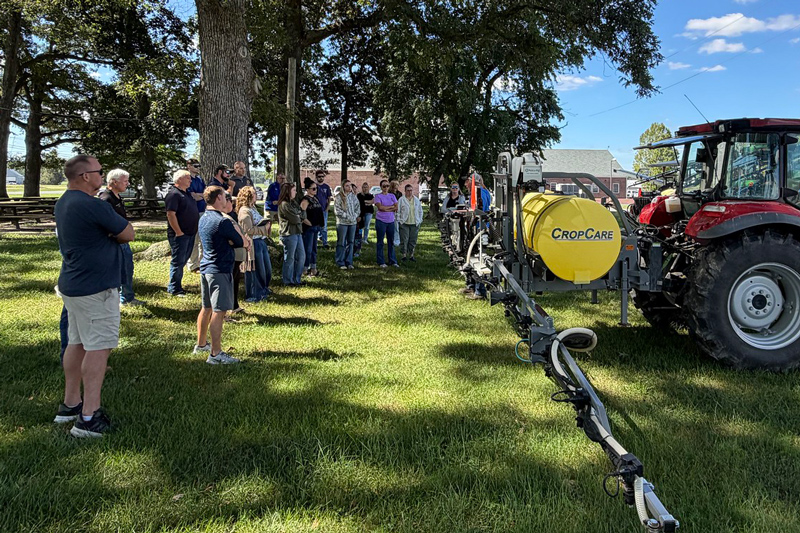
Land-Grant Institution
In 1869, the University of Delaware (UD) College of Agriculture and Natural Resources was established as the state’s land-grant university with a mission consisting of three elements: teaching, research and “extension”. Cooperative Extension fulfills the third part of this mission: bringing knowledge to the people of Delaware. Today, we offer university knowledge, research and resources — just for you!
College graduates with expertise in food, agriculture, renewable natural resources and the environment are essential to our ability to address the U.S. priorities of food security, sustainable energy and environmental quality.
 Featured video
Supporting the Townsend East Lawn and Garden
Valann Budischak sees Townsend East Lawn and Garden as the missing piece of the puzzle. The former director of the UD Botanic Gardens shares how the project will transform a UD campus parking lot into an ecologically-minded space for student engagement, experiential learning, and community connections.
Supporting the Townsend East Lawn and Garden: Valann Budischak: youtube.com/watch?v=CMG3VE3EowM
CANR's Commitment
The College of Agriculture and Natural Resources (CANR) is committed to fostering an inclusive and supportive community where everyone is welcome. Learn more about these efforts.
Notice of Nondiscrimination and Equal Opportunity
The University of Delaware does not discriminate against any person on the basis of race, color, national origin, sex, gender identity or expression, sexual orientation, genetic information, marital status, disability, religion, age, veteran status or any other characteristic protected by applicable law in its employment, educational programs and activities, admissions, and scholarship and loan programs as required by Title IX of the Educational Amendments of 1972, the Americans with Disabilities Act of 1990, Section 504 of the Rehabilitation Act of 1973, Title VI and VII of the Civil Rights Act of 1964, and other applicable statutes and University policies. The University of Delaware also prohibits unlawful harassment, including sexual harassment and sexual violence.
 @UDCANR on Instagram