



Category: Cooperative Extension
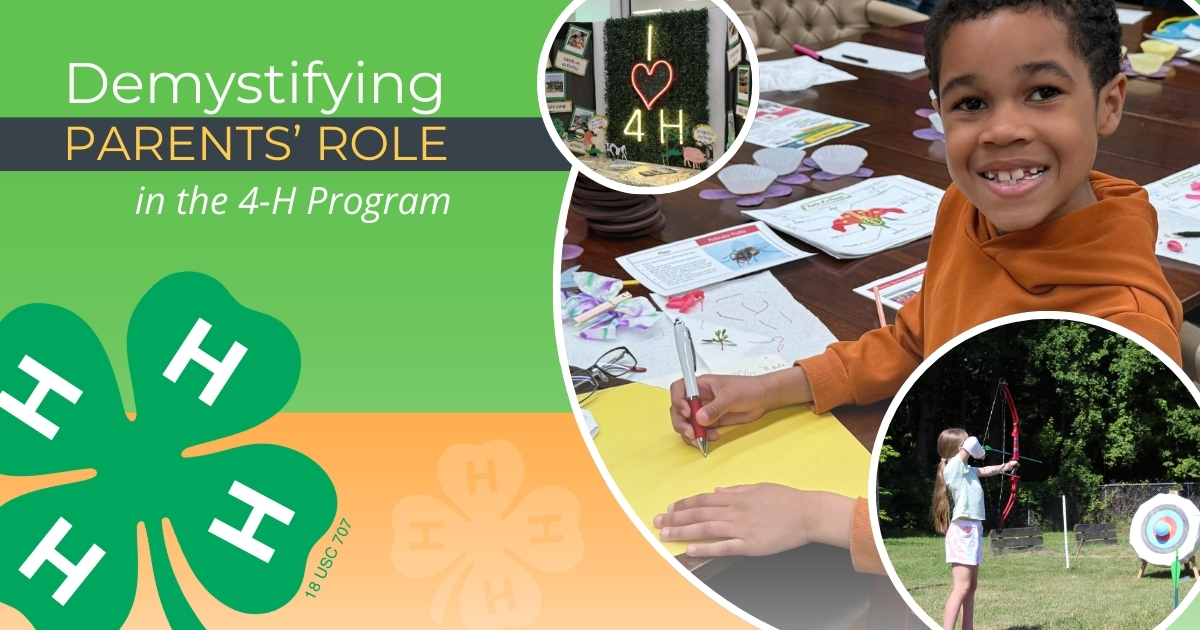
Demystifying Parents’ Role in the 4-H Program
May 19, 2025 Written by Kendra Harrold, Sussex County Director of 4H Afterschool Programs
A frequent source of confusion for parents regarding 4-H is recognizing the program's wide-ranging opportunities and its emphasis on experiential learning instead of just academic results. Many parents first view 4-H as primarily centered on agriculture or animal-related projects, but the program actually includes a vast array of activities such as science, health, civic responsibility, and leadership skills. The focus on practical, hands-on experiences and mentorship, as opposed to conventional classroom teaching, can also lead to misunderstandings. Let’s consider things that parents often don’t realize about the 4-H programs, but should be aware of.
The first is overlooking the variety of 4-H programs offered. Parents often do not realize that 4-H encompasses much more than traditional farming activities like animal husbandry or gardening. The program features a broad spectrum of project areas, including science, health, technology, and community engagement, catering to various interests. It may be beneficial for parents to investigate their local 4-H offerings to fully appreciate the range of possibilities available to their child.
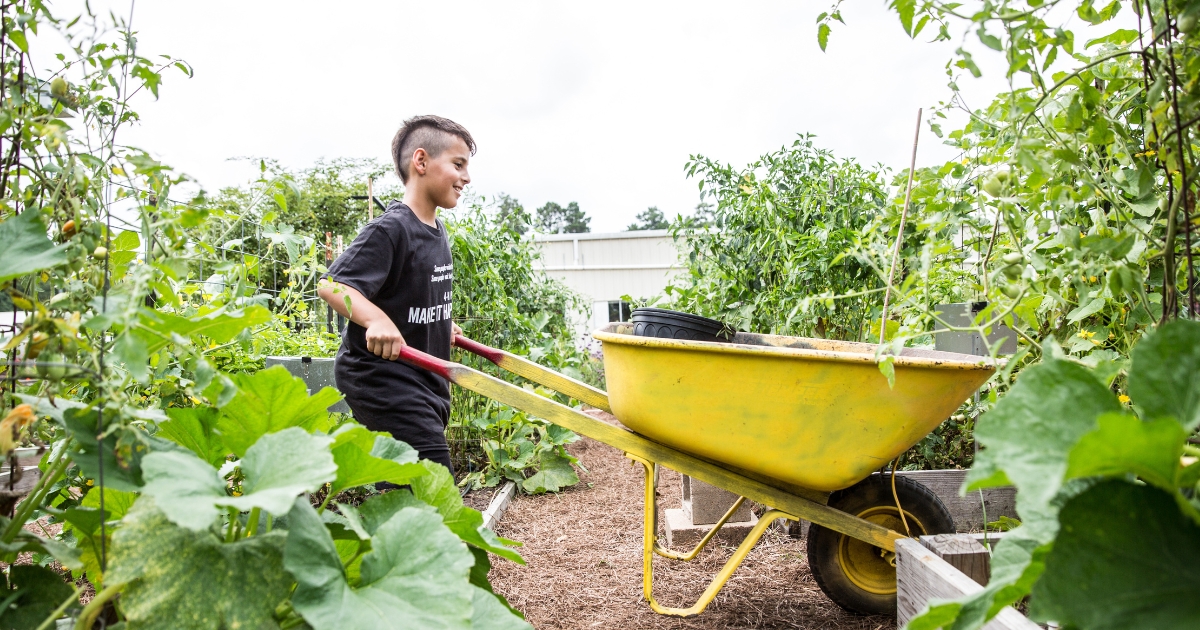
The next area that parents may not fully understand is a misinterpretation of the 4-H learning model. 4-H is based on experiential learning, where young people actively participate in hands-on projects with guidance from mentors. This method prioritizes skill acquisition, leadership, and personal development rather than concentrating solely on academic success. Some parents might be more familiar with traditional educational techniques, making it essential for them to recognize that 4-H follows a distinct educational approach.
Another area where parents struggle with the 4-H mission is the lack of awareness about 4-H's Objectives. The goal of 4-H is to nurture young individuals into leaders and engaged community members while fostering responsible citizenship. This comprehensive approach involves building essential life skills such as confidence, independence, and empathy through experiences rather than formal instruction. Parents should understand that 4-H's ambitions go beyond academic success, incorporating a broader vision of personal and social growth.
Additionally, parent involvement and support are among the most important aspects of a child’s participation in the 4-H program. Although 4-H focuses on mentorship and youth leadership, the involvement and encouragement of parents are vital for a positive experience in the program. Parents can significantly contribute by supporting their child’s projects, attending meetings, and volunteering within the organization. The value of including parents in the 4-H community is to enhance the overall engagement of the children.
Finally, parents should understand that the structure of the 4-H youth program is organized by age in order to provide the most age-appropriate experiences, which will help lead them to be successful in the 4-H program. These age categories include the “Cloverbuds”, ages 5 to 8 years old. This concentrates on early skill development and positive experiences. Parents should recognize that this program is not designed to prepare children for formal projects, but rather to nurture their curiosity, social abilities, and overall well-being. The next age group is the “Juniors”, ages 8-10, where they begin to participate in more structured projects as well as participate in some competitions. The next level is the “Intermediate” level, ages 11-13, where children take on more complex projects as well as begin to take on leadership roles within their 4-H group. The last age group consists of the “Seniors” age group of 14-18 year olds. By the time children are in the “Senior” division, they are actively involved in leadership opportunities, along with participating in more advanced competitions.
By grasping these fundamental aspects, parents can gain a clearer understanding of the diverse offerings, educational methodology, and overarching objectives of 4-H, leading to a more enriching and supportive experience for their children.