



Category: Cooperative Extension
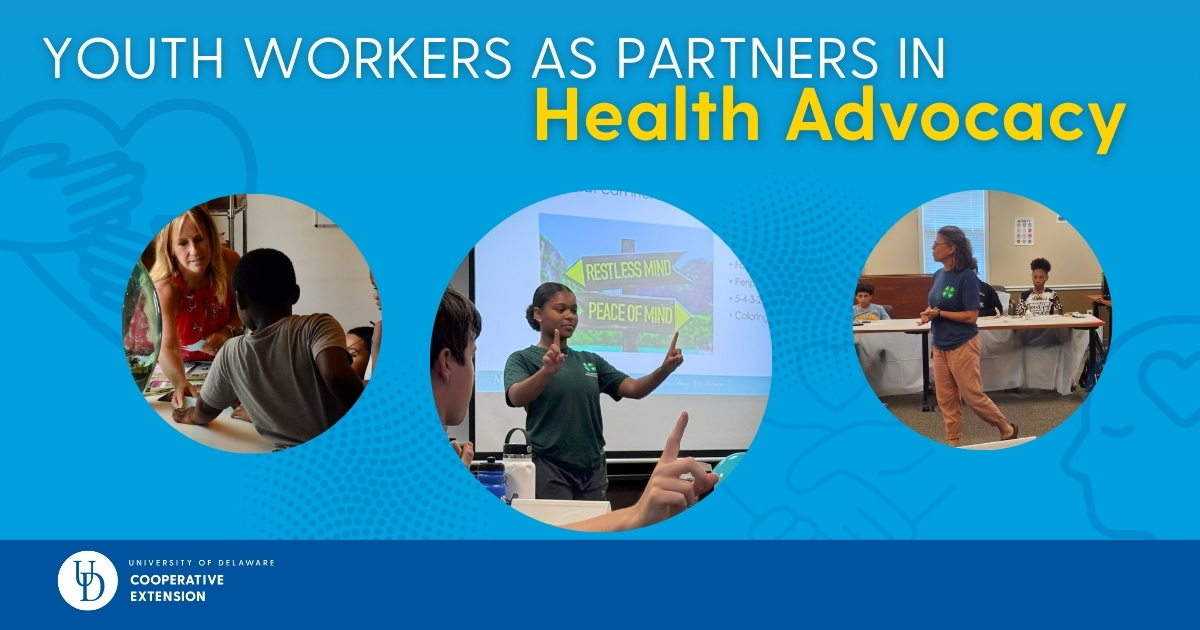
Youth Workers as Partners in Health Advocacy
December 01, 2025 Written By: Karen Johnston, 4-H Extension Agent
Addressing our nation's health challenges is not easy, and multiple strategies are needed. Situations leading to chronic diseases, such as lack of physical activity, poor mental health status, obesity, lack of water, housing and lack of food, are just a few of the challenges. People who work with youth, hereafter known as youth workers, play a vital role in preparing young people to become effective advocates and change agents for healthier communities. Health advocacy involves being informed with fact-based information, raising awareness, influencing decisions, and taking action to improve community well-being. When youth are actively engaged, they inevitably bring fresh perspectives, creativity, and energy that can lead to meaningful change. To support them, youth workers can use several key strategies.
First, youth workers need a strong understanding of how health and community systems are connected, and the model of Vital Conditions for Health and Well-being that is part of Healthy Communities Delaware is an excellent resource to build understanding. This model includes recognizing how schools, neighborhoods, and local policies affect access to healthy food, safe spaces, and opportunities for wellness. With this knowledge, youth workers can help young people design projects that target real community needs. It is also essential to treat youth as partners, not simply helpers. When young people are given genuine leadership roles, they gain confidence, take ownership, and contribute in ways that feel authentic. Leadership programs such as 4-H, FFA, Scouting, Youth in Government, and others provide valuable resources for youth and adults.
Second, advocacy should connect to young people’s interests, passions and sparks. Whether through art, sports, science, or digital media, allowing youth to choose keeps them engaged and motivated. Building trust is equally important. Youth workers serve as mentors who encourage and guide, while also giving young people the freedom to lead. Connecting youth directly with community leaders, such as school board members or health officials, helps them see that their voices have power and can influence decision-making.
Third, youth workers should teach advocacy skills step by step. Skills such as public speaking, letter writing, and social media campaigns make young people more confident in expressing their ideas. Celebrating small wins along the way—like hosting a health event or publishing a youth-made video—reinforces their efforts and shows that progress is worth recognizing. These celebrations sustain momentum and build pride.
Finally, creating safe and supportive spaces for belonging is essential. Working in teams with other teens and caring adults allows young people to collaborate, share ideas, and experience mutual support. A welcoming environment encourages positive risk-taking and creativity, while respect and inclusion help youth feel secure enough to lead. By combining knowledge, opportunities, and encouragement, youth workers empower the next generation to become leaders in community health.
In the long run, engaging youth in health advocacy is about more than addressing today’s challenges. It is about preparing young people to recognize their own ability to create change and to strengthen their communities for the future. With the right guidance, they can grow into capable leaders who not only improve health but also build a more equitable and hopeful society.
Adapted from: Toomey, M., Smather, C., Iaccopucci, A., Johnston, K., Johannes, E. (2018). Youth Workers’ Role in Engaging Youth in Health Advocacy for Community-Level Change Journal of Youth Development, 13(3), Retrieved from http://jyd.pitt.edu/ojs/jyd/article/view/18-13-03-TLC-01