



Category: Cooperative Extension
Caterpillar Season is Here!
August 19, 2025 Written by: David Owens, UD Cooperative Extension Agricultural Entomology Extension Specialist
There are several caterpillar species whose populations tend to peak about this time of year. While some, such as Monarchs, are celebrated and others are oohed and ahhed over like the silk worms, several are major agricultural pests that require vigilance. I once heard a colleague lament why insects seem to get more attention than weeds, even though weeds are a greater yield robber. In many crops, insects are less critical than weeds, nematodes, and diseases. I think of it this way: weeds are a slow-moving train wreck that gradually becomes a bigger and bigger problem as the season progresses. You see them from the last frost until you are done with the crop. Diseases rain out of the sky and invade from the soil. They seem to be such a given that perhaps we can excuse medieval thinkers who believed in spontaneous generation. But insects are much more sporadic, come in, and quickly damage a crop and leave after scarcely two weeks have passed.
Fall armyworm is among the most notorious because when they are little, they eat very little, but in the last 3-4 days of their development, they turbocharge their eating. Many of our worm pests are now going on their third or even fourth generation of the year, and their populations are peaking. I suspect that part of the reason it's so large may also lie with birds. Doug Tallamy points out in his books that caterpillars are critical for songbird chick development, and this time of year, they are not raising chicks. Whatever the reasons may be, we need to know who to look for and where if we are going to manage a good crop. So let’s get a bit more acquainted with the especially damaging critters.
Corn Earworm
Corn Earworm is a major pest of soybean, sorghum, snap bean, lima bean, tomato, cabbage, pepper, and, of course, sweet corn. Caterpillars may be green, yellow, black, or pink and may have either a green head (if the body is green) or an orange head. It's got little bristles and tends to have a little bit of a last abdominal segment hump. It is resistant to pyrethroid insecticides. We trap for corn earworm to give farmers and consultants management advice. The adult moth is flying now; any crop that is early in its reproductive stage is at risk.
Fall Armyworm
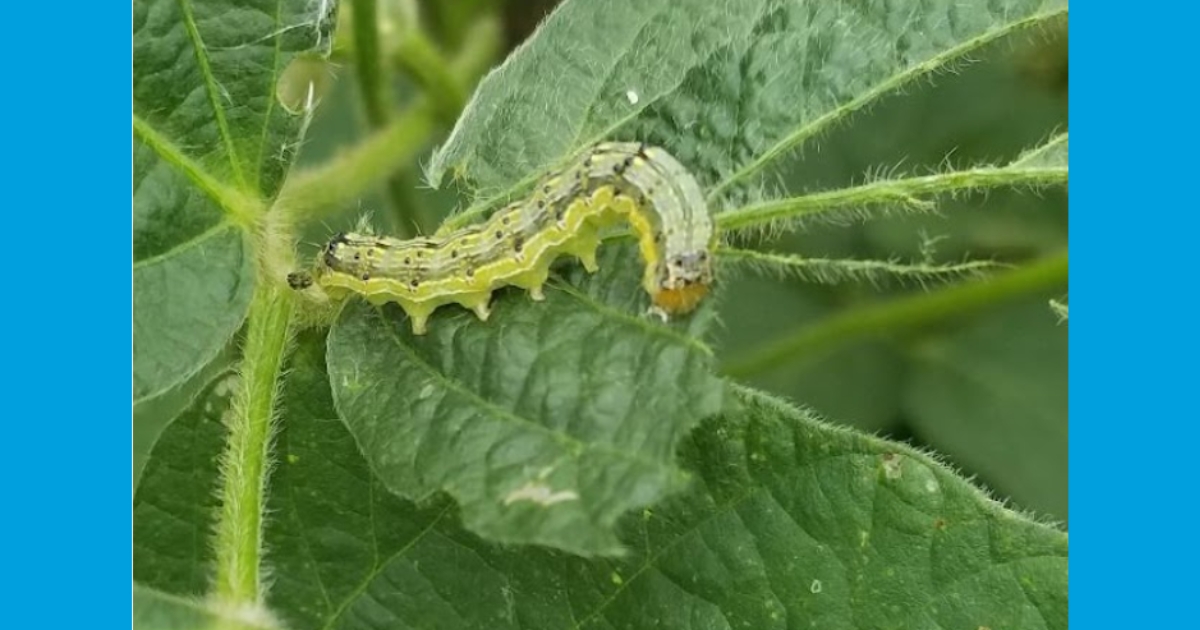
Fall armyworm is a major sweet corn pest, and an occasional pest in lawn turf, sod, soybean, small grains, and cole crops. This one requires constant watch. Females lay egg masses, leading to localized spots in fields with intense damage. Larvae tend to be a grayish brown with black spots. The last abdominal segment has 4 such spots arranged in a square pattern. In sweet corn, look for plants with windowpaned leaves going down to the whorl.
Beet Armyworm
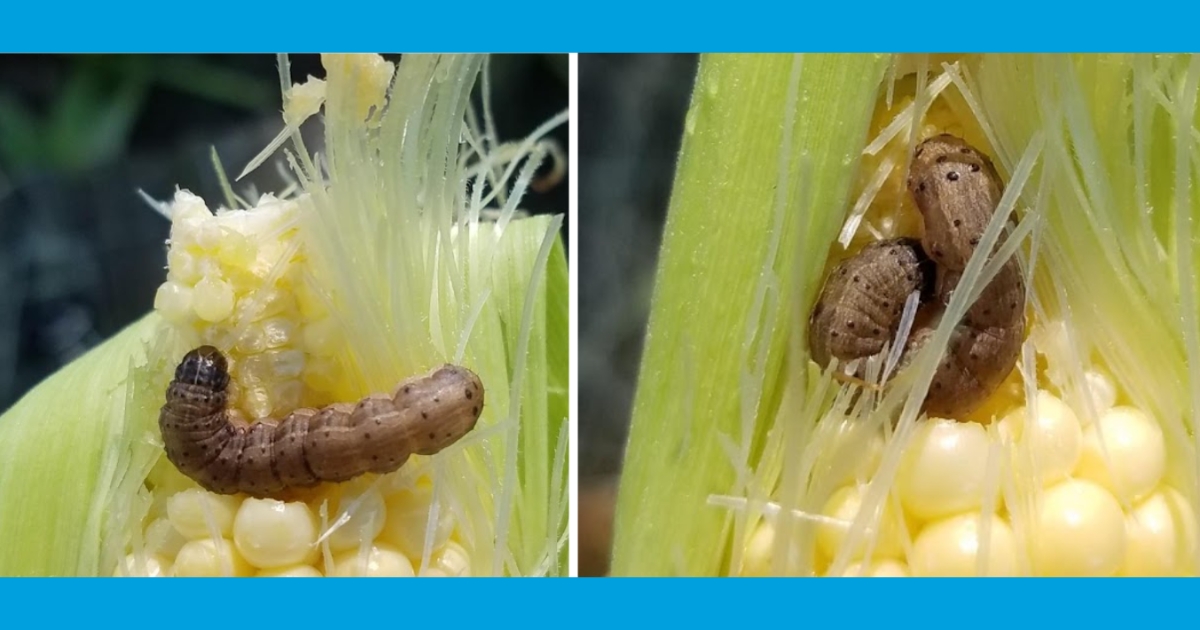
Beet armyworm is a major pepper, spinach, beet, and cabbage pest, but will get into many other crops. It tends to be olive green on the top, lighter green on the bottom. In other crops, it is light green with a pink or white stripe on the side. No matter the color, they all have a small black spot just behind the head. It is resistant to pyrethroids, and some populations in the country are resistant to other insecticide classes. It loves pigweeds.
Squash Vine Borer
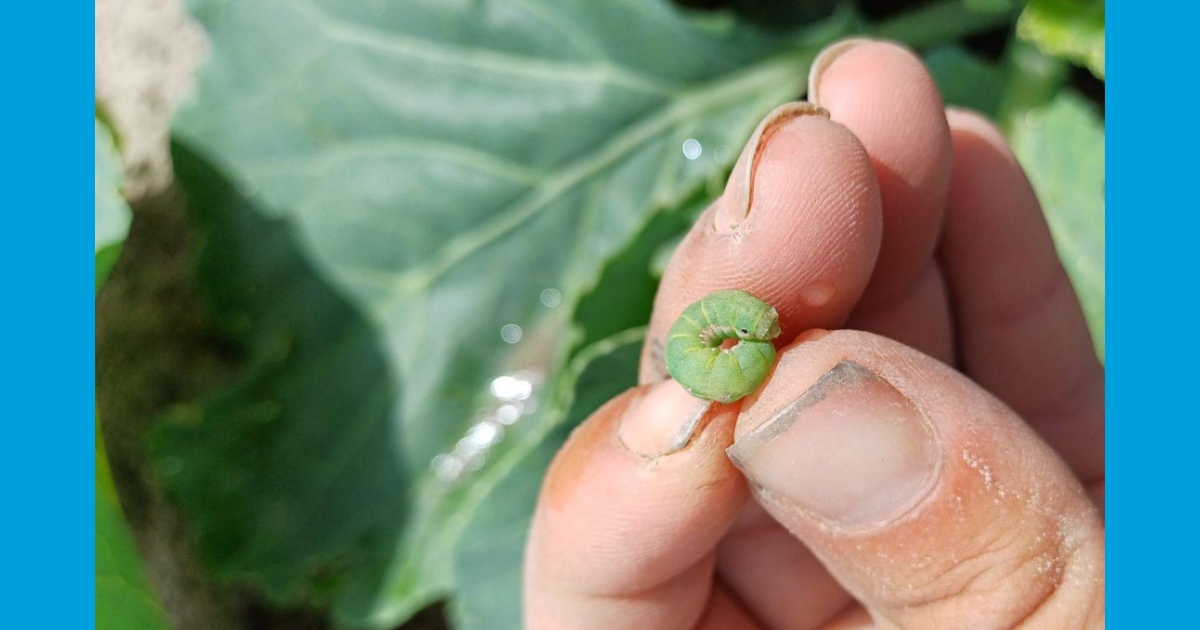
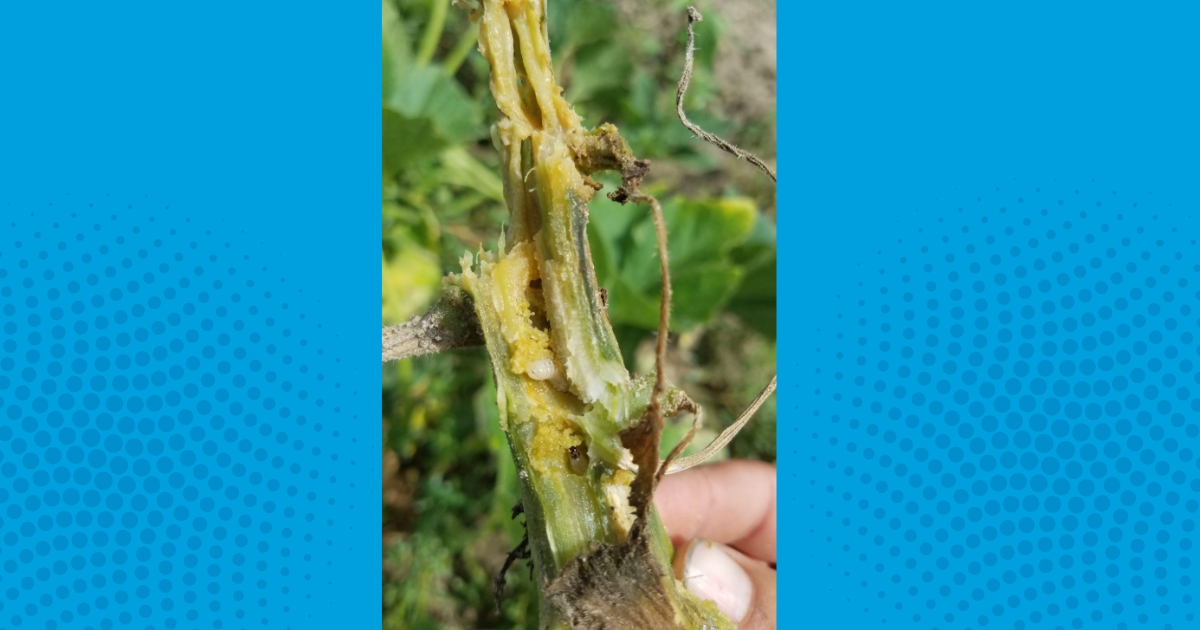
Squash vine borer is the bane of every zucchini grower that we are blessed to see twice a year. Prevention is the solution here; once a very small caterpillar bores into the plant, it's very difficult to rescue. The surest sign of a vine borer problem is a plant that wilts during the day, might recover in the evening, and wilts some more the following day. No amount of watering helps. The base of the stem might have goopy pellets coming out of holes, and if you break it open, a large white caterpillar with a black head wiggles out.
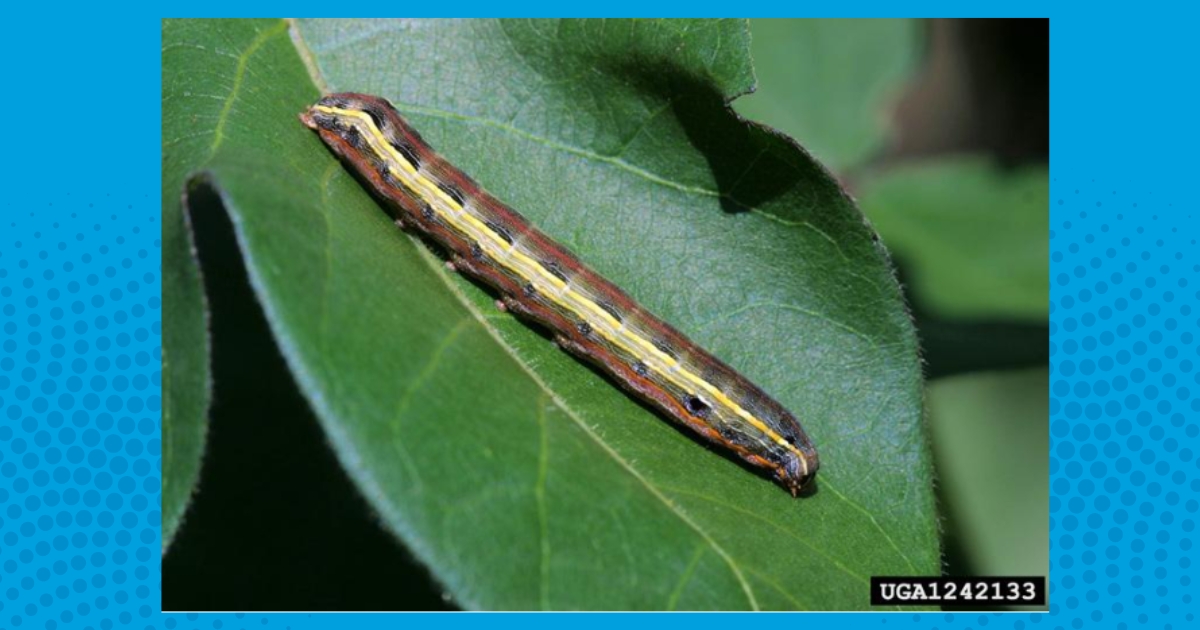
Yellow Striped Armyworm
Yellow Striped armyworm is a fairly pretty, dark caterpillar with yellow stripes. Feeds on numerous crops and weeds. The problem with these is that they are voracious but fortunately tend not to be extremely abundant. However, if you put cabbage transplants outside, it doesn’t take long to turn them into sticks.
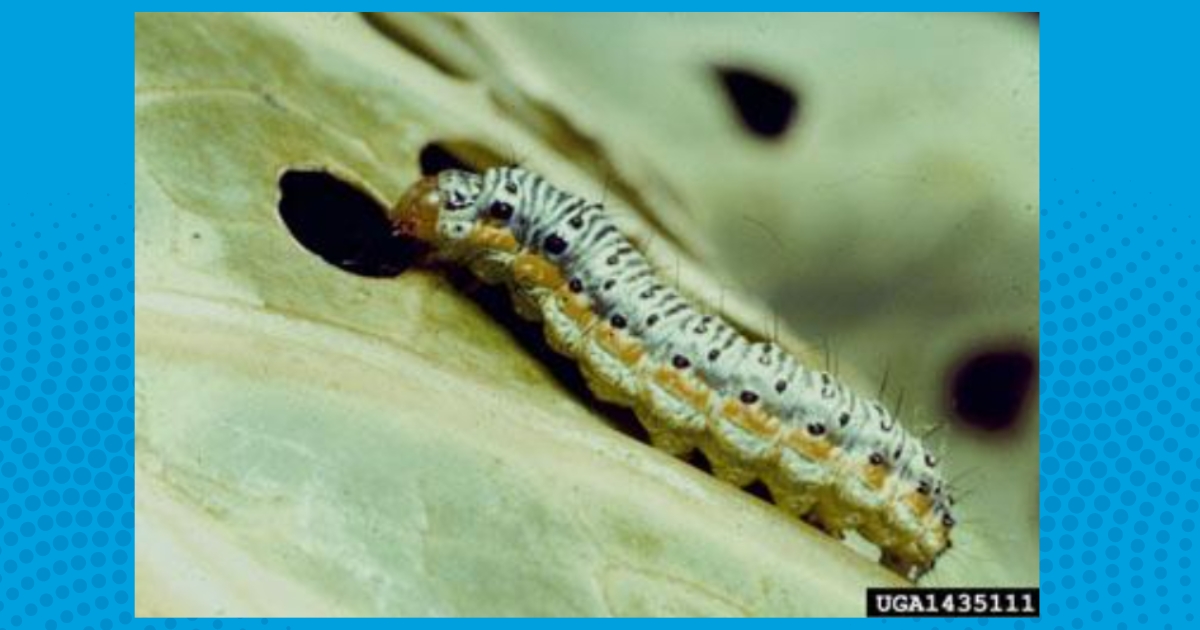
Cross Striped Worms
Cross striped worms are among our prettiest pests. They are specialists on the cole crops. The female lays egg masses, so you get these hot spots with intense damage from these blue, white and black striped caterpillars. They tend to be a bit flatter and more rectangular than other worms, and very quickly turn a head of cabbage into something more akin to swiss cheese.
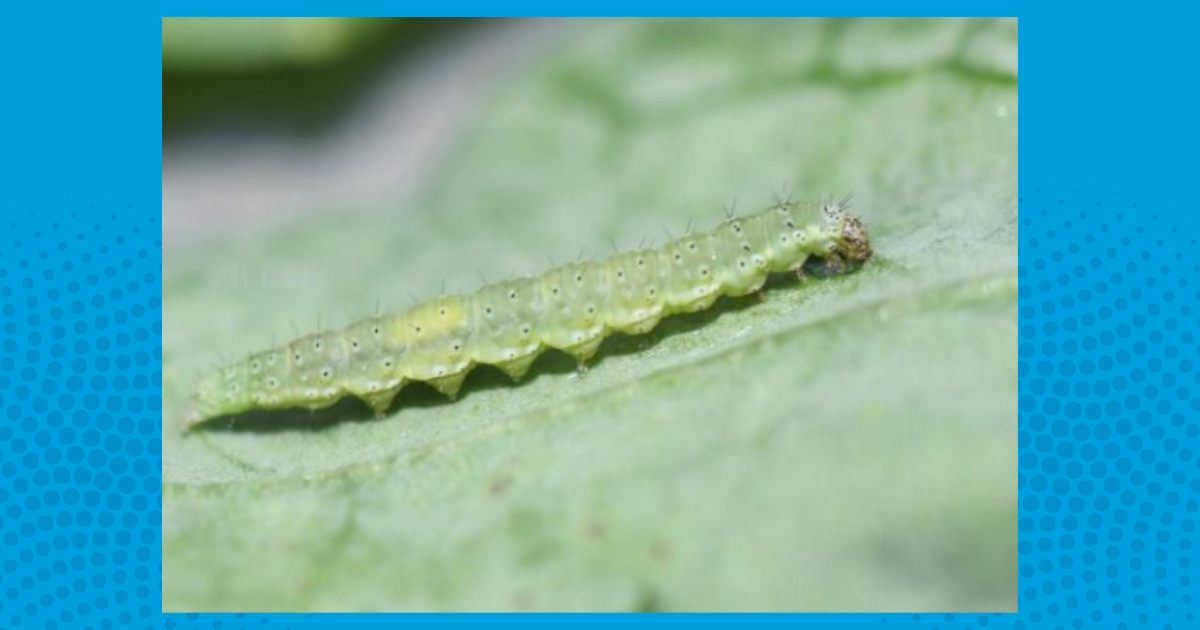
Diamondback Moth
Diamondback moth is very small and tends not to eat nearly as much as the other worms that get into cole crops (like cross-striped worms and imported cabbage worms). It can be hard to get rid of and can get into heads and not be noticed until that broccoli goes into the steamer. It's small, green, somewhat bumpy, and holds its back legs out in a V. If you poke it with a blade of grass, it will wiggle violently. It tends to leave window paned leaves – that is, it only eats the lower surface out of a leaf and leaves the upper surface. It is notoriously difficult to control.
Soybean Looper
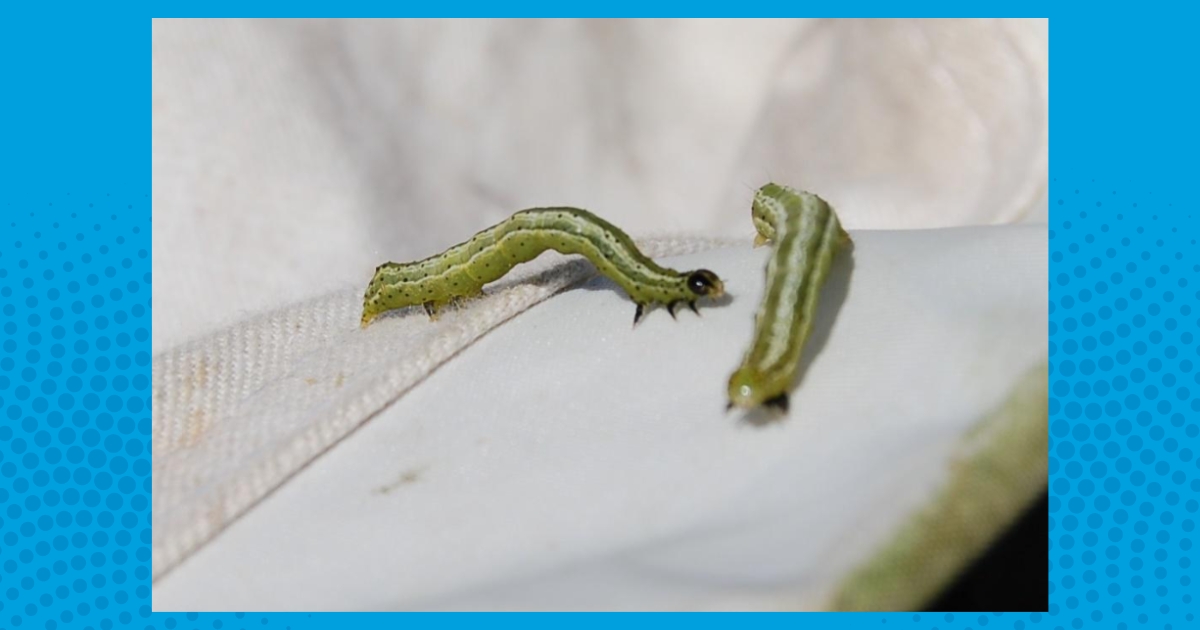
Soybean Looper is an occasional defoliator pest of soybean, a pod feeding pest of lima bean, and every now and then shows up in large numbers in other crops. Last year, we had them get into our late tomatoes. They do not like cool nights in the 50s. They overwinter in the South. They are resistant to pyrethroids and other chemical classes. They can be all green, green with a black head, or green with a black head and black legs. They ‘loop’ because they are missing two sets of abdominal prolegs that most other caterpillars have.
There are many other late-season worm pests of the field, orchard, and garden. There are also many wonderful critters that are active now that turn into stunning butterflies and moths. Some of these overwinter as caterpillars and are important food for other creatures during winter. Remember, all caterpillars fulfill a role in their environment. If you have concerns about any in particular or wish to know more about some neat critter you come across, feel free to contact your extension entomology team any time.