



Category: Cooperative Extension

What are the four dimensions of mental wellness?
May 17, 2023 Written by Jennifer Seabrook-Scott, Health and Wellness Cooperative Extension Agent
Mental wellness is an internal resource that helps us think, feel, connect, and function, an active process that helps us to build resilience, grow and flourish. Because this resource is dynamic, renewable, and positive, it is a process that we must engage in proactively—not a static state of being.
It is also connected to the four dimensions of who we are. As body-having, soul-housing, spirit-possessing, and thought-making beings, it's imperative that each dimension is fed, protected, healed, and utilized.
1) Thinking — The Mental Dimension
Your thoughts will affect your mood, which will affect your mental state. It's important that you have positive thoughts about yourself and take the time to evaluate what your thought processes are like.
Do you think more negatively about people, places, and things? If so, how is that making you feel?
Practicing positive thinking helps to breed good mental health. In those times when negative things are happening, this is where we need to develop the skill of forceful positive thinking. This requires that you look for the silver lining in life, you may not find a silver lining in your present circumstance, but you can break up those negative thoughts by practicing redirecting your mind to things that have made you laugh, smile, and feel connected.

2) Connecting — The Social Dimension
Social interaction is a key aspect of mental wellness. Because we are social beings, it's important that we are connected to people, have meaningful exchanges, and build and foster healthy relationships.
Dr. Craig Sawchuk, a Mayo Clinic psychologist, agrees that socializing is key to good health: "We are social animals by nature, so we tend to function better when we're in a community and being around others…people who spend a lot of time alone, such as the elderly or new moms, may have an increased risk of depression and lower quality of life.
You don't have to be super social to experience the benefits of interacting with others. Just being able to shoot the breeze with someone can have a positive effect on the mind. In fact, studies have shown that those who are engaged in strong interpersonal relationships have lower rates of anxiety and depression, higher self-esteem, greater empathy, and more trusting and cooperative relationships!
3) Feelings — The Emotional Dimension
Our emotions play a big part in our mental well-being; feelings can affect your ability to carry out everyday activities, your relationships, and your overall mental health. When we are not feeling our best or have to suppress our feelings, it can drain us mentally, but when we are able to express our feelings freely and find healthy ways to channel our thoughts, it keeps us mentally sharp.
Emotional wellness is not the absence of negative feelings but the coping skills that we employ to channel and address those feelings and the ability to successfully handle life's stresses and adapt to change and difficult times. Being able to identify what you are feeling, saying what that feeling is out loud, and expressing them in a healthy manner (running, walking, painting, focusing on a hobby, talking to a friend, etc.) are all great tactics to employ when dealing with your emotions.
4) Functioning — The Psychological Dimension
Psychological well-being is associated with a person's overall mental well-being. It includes rational thinking, good decision-making, and managing difficult situations. It is also associated with more logical decision-making, and psychological well-being also affects behaviors.
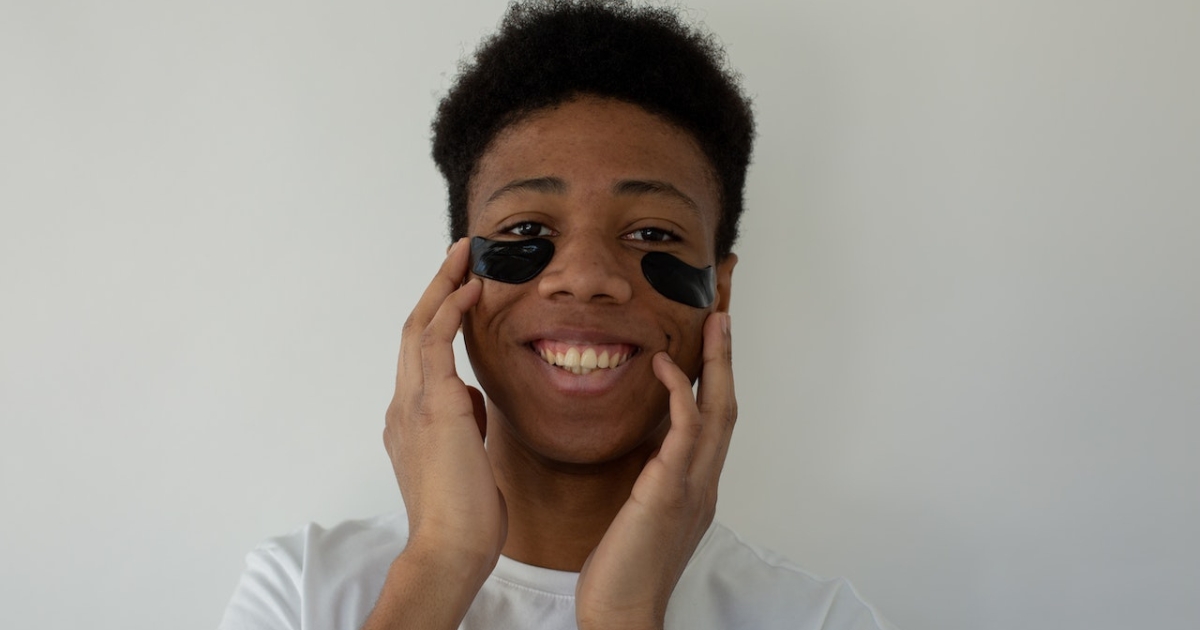
Mental health conditions can often cause people to behave in ways that are irrational and out of character, such as engaging in risky or harmful behaviors. When it comes to improving the psychological dimension of who we are, we should practice self-care. And while this self-care can take on many forms, remember, it's all about "YOURself."
What is it that YOU like to do for yourself?
The thought of SELF-CARE is that no one else is responsible for it but YOU. Self-care can take on many forms, such as (resting, reading a book, mindfulness activities, watching your favorite show, a spa day, woodworking, exercising, food prep, meditating, dancing, fishing, etc.) the possibilities are endless. By reducing stress, you can foster a sense of well-being.
Interested in learning more?
Check out these excellent resources:
- Emotional Wellbeing: Social Connectedness (CDC)
- Mental Wellness: What is mental wellness? (Global Wellness Institute)
- Your healthiest self: Emotional wellness toolkit (National Institute of Health)
- Caring for Your Mental Health (National Institute of Health)
- How Do Thoughts and Emotions Affect Health? (University of Minnesota)
- The benefits of being socially connected (Mayo Clinic Minute)