
For Residential Gardeners

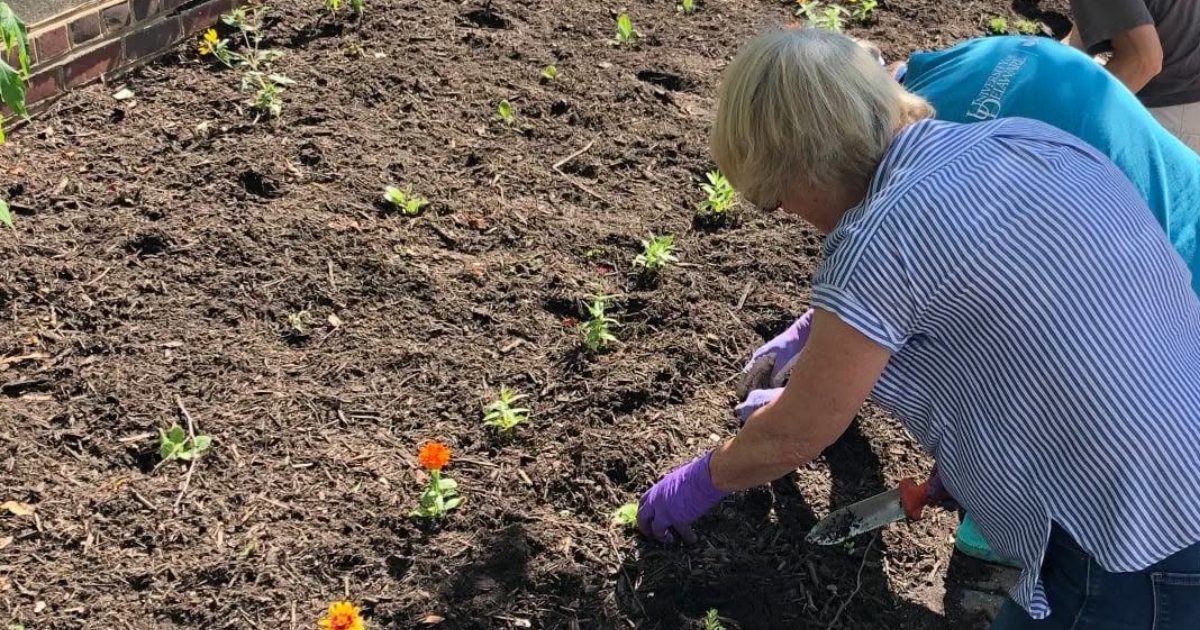
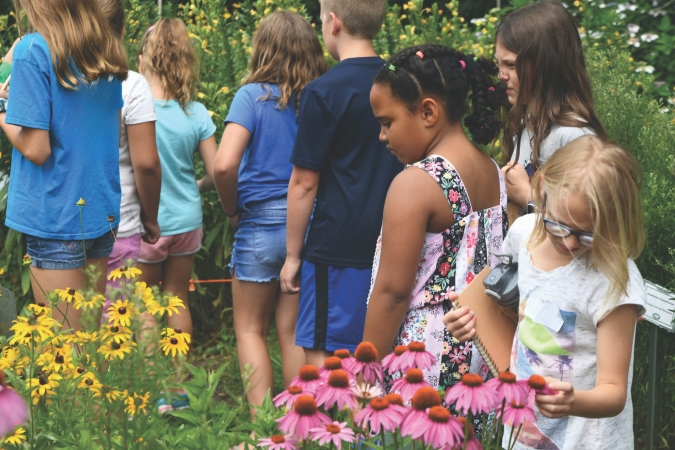
Ladies planting flowers.

Sustainable Landscapes

A sustainable landscape is a stable and productive ecosystem that conserves the physical and biological processes occurring on that landscape. Designers and managers of sustainable landscapes minimize site disturbances and work with existing site elements to the extent possible.
 

What are the benefits of sustainable landscapes?

Designed and managed sustainable landscapes maintain soil integrity, hydrological function, plant and animal diversity and biomass, and contribute to human wellness.

Explore the topics below for more information on the goals and strategies for creating sustainable landscapes.


Soils

Soils

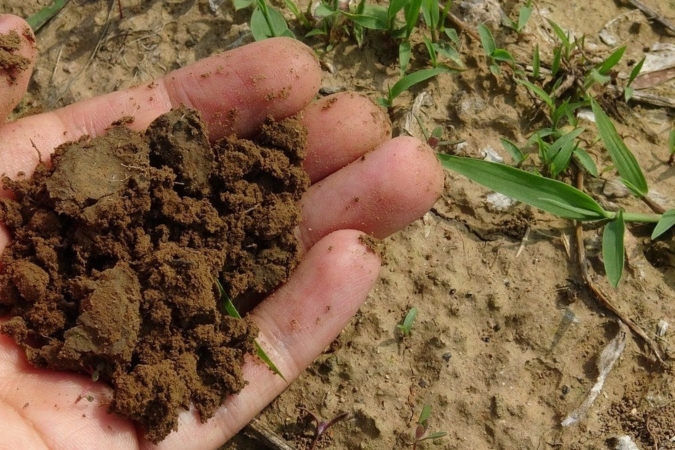
Goal: Create or maintain a functioning soil ecosystem.

Use a soil test to determine existing nutrient levels on site. 

University of Delaware Soil Testing Program >

Provide nutrients based on soil test recommendations.

Fertilizer Basics >

Use locally-generated compost to improve soil structure and reduce runoff.

Yard Waste and Composting >

Limit soil compaction whenever possible.

Combating Soil Compaction >

Use pesticides only when benefits outweigh the environmental risk.

Integrated Pest Management Resources for Homeowners >


Hydrology

Hydrology

Goal: Maximize water infiltration and maintain integrity of the watershed.

Select plants to fit existing soil moisture conditions.

Livable Plants for the Home Landscape >

Provide irrigation only when required for plant establishment or management during extended drought.

Landscape Management for Water Conservation >

Use captured and treated rainwater, grey-water, and wastewater for on-site water needs such as when landscape irrigation is necessary.

Harvesting Water >

Reduce or limit impervious surfaces to improve water infiltration.

Permeable vs. Impermeable Surfaces >

Reduce stormwater discharge by installing gardens to slow water movement and encourage infiltration (rain gardens, green roofs) rather than relying on stormwater collection and removal from the site.

Rain Gardens >

Green Roofs >

Prevent sediment runoff with well-developed plant cover and by using appropriate sediment-control practices during site construction.

Preventing Erosion >


Vegetation

Vegetation

Goal: Develop plant communities that serve as a foundation for a healthy ecosystem.

Use lawn only when it performs a specific function such as a play surface, pathway, or foreground for plant display, thus reducing extra inputs of chemicals, energy and time.

Turf Grass Madness: Reasons to Reduce the Lawn in Your Landscape >

Groundcover Alternatives to Turf Grass >

Planting and Maintaining a Bee Lawn >

South Greenhouse Garden (A no-lawn garden at UDBG) >

Groundcovers with Wildlife Benefits >

Use Integrated Pest Management (IPM) strategies (i.e. scouting, life-cycle knowledge and decision-making based on that information).

Protecting Pollinators at Home: Smart Pest Management >

Organic Approved Pesticides >

Organic Approved Pesticides Overview >

Penn State Extension Weed Identification >

Univ Mass Amherst Weed Herbarium >

Preserve as many important (mature, healthy, native) plants as possible.

Checklist for Plant Removal Decisions >


Materials

Materials

Goal: Manage resources and materials efficiently by reducing material needs, reusing materials generated onsite, and recycling materials as much as possible.

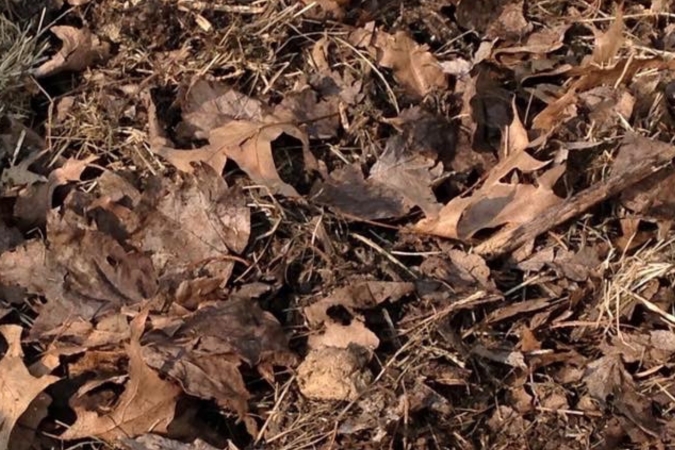
Keep and reuse landscape by-products. For example, collect and shred leaves to use as mulch, and compost vegetative debris to mix into the soil and improve its structure.

Recycling Leaves >

Yard Waste and Composting >

Select and use renewable, local, and/or low-energy input landscape materials. Avoid materials, products, and practices that are harmful to the environment.

Sustainable Landscape Materials and Practices >


Human Wellness

HUman Wellness

Goal: Reconnect people to nature.

Create spaces that are inviting and useful.

Designing a Sustainable Landscape to Serve Your Needs >

Value the human component of landscapes and social benefits gained by interaction with gardens and natural spaces.

Human Benefits of Green Spaces >

This website is based on the document “Sustainable Landscapes Practices,” created by the University of Delaware Botanic Gardens Advisory Board’s Green Initiatives Subcommittee. It is based on “Sustainable Sites Initiative Guidelines and Performance Benchmarks,” an evolving document available at www.sustainablesites.org.

For more information about sustainability at the University of Delaware, visit www.udel.edu/sustainability.