



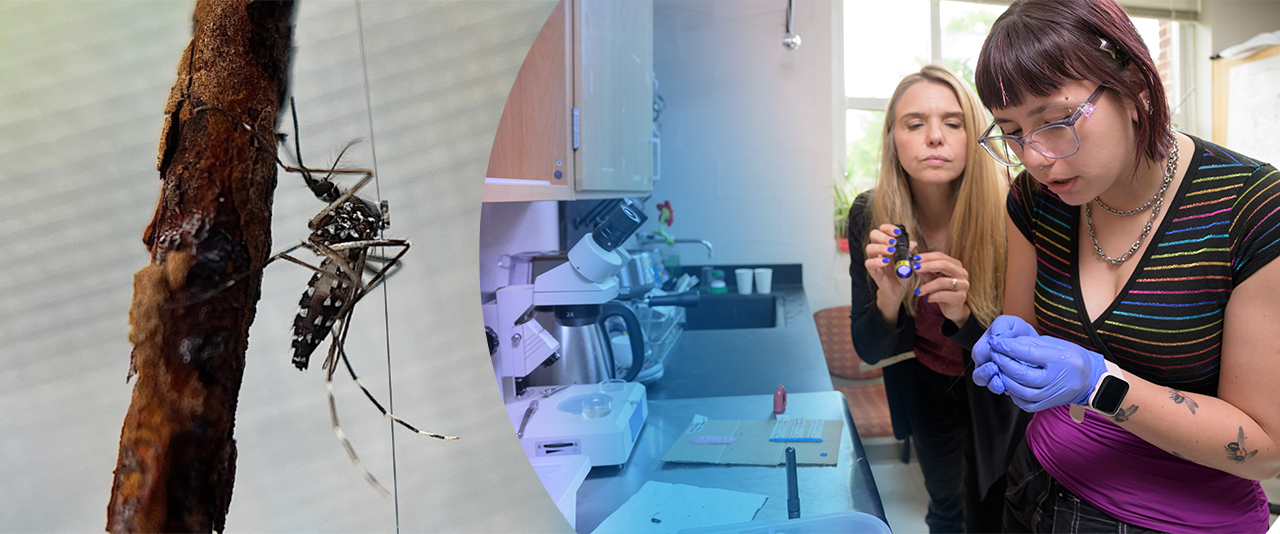
The path of a pest
UD and USDA researchers use lightweight, inexpensive tag method to track mosquitoes to prevent mosquito-borne diseases
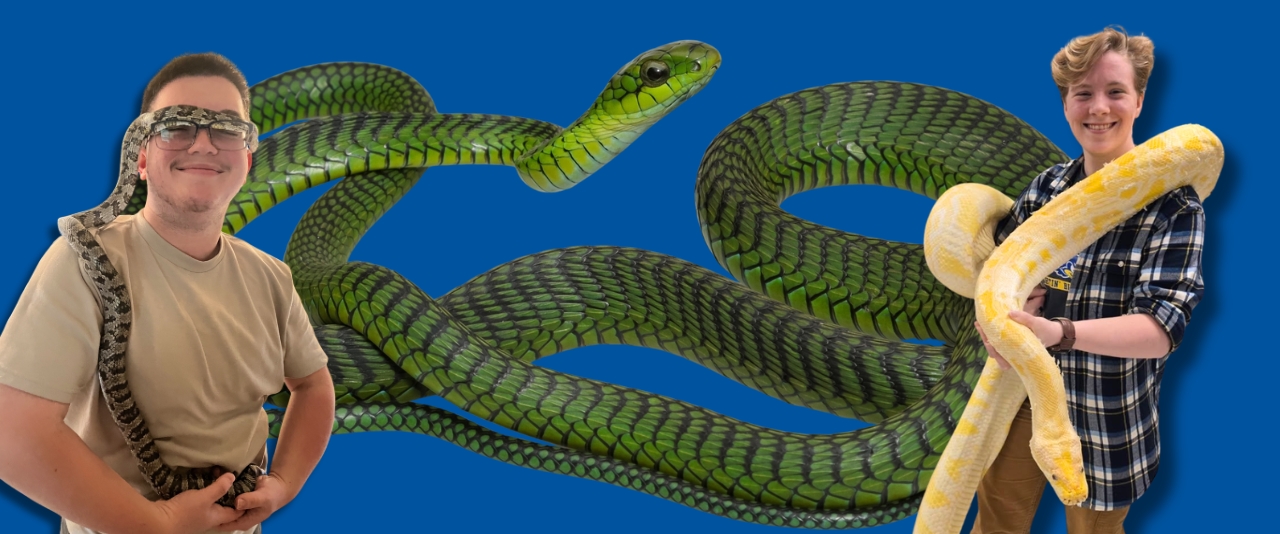
Cold-Blooded Club
UD students form Delaware Herpetology Club to protect reptiles and amphibians

The green superheroes of UD
Blue Hens are tackling environmental foes in the ultimate fight for planet Earth
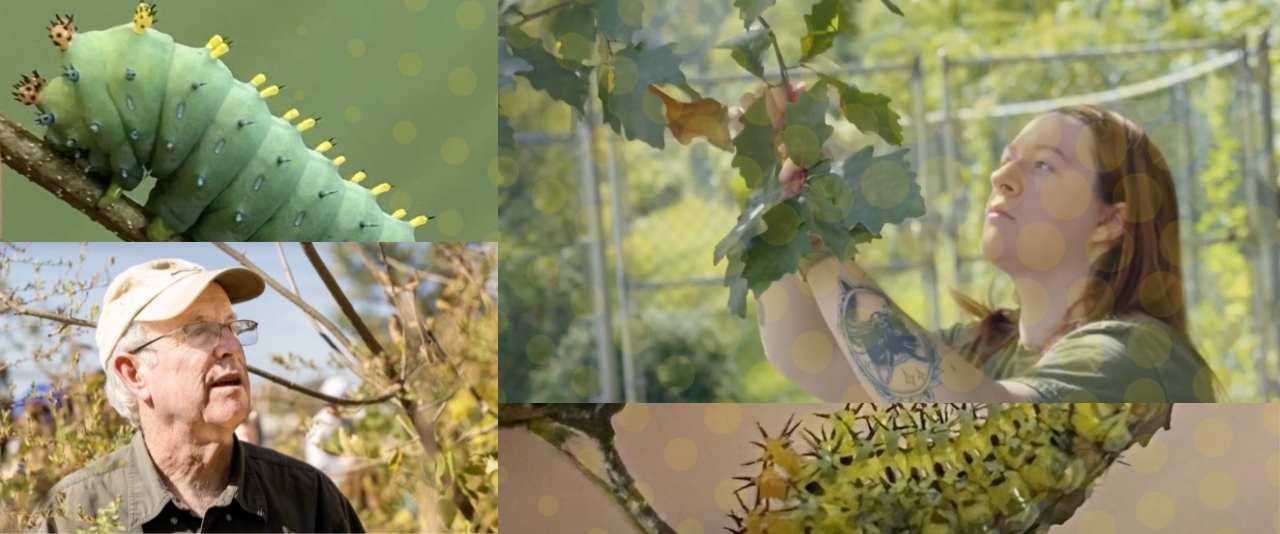
The Moth Defender
Em Beauchamp looks at how mosquito control methods threaten caterpillars
WELCOME TO ENTOMOLOGY AND WILDLIFE ECOLOGY
Our department offers outstanding academic programs for undergraduate and graduate students preparing for research, teaching, and extension careers in entomology, ecology and wildlife conservation.
Our teaching, research, and extension efforts emphasize whole-organism biology, conservation biology, and the interactions between humans and other species.
Our undergraduate programs


Our graduate programs


Ecology Woods FUND
Ecology Woods is a 35-acre forest on the southern edge of UD’s Newark Farm, adjacent to Route 4 and the UD Athletics Complex. This location has been a unique site for ecological research, conservation, and student learning since the 1960s.
It was Dr. Roland Roth, a faculty member in the Department of Entomology and Wildlife Ecology, who protected and nurtured this space for nearly 35 years.
Find out how you can help preserve Dr. Roth's work with a contribution to the Ecology Woods Fund.
What's new?
Featured video
UD student makes a splash at Stroud Water Research Center: youtube.com/watch?v=NgGDlweKVMs
UD student makes a splash at Stroud Water Research Center
Meet Cory Feaster, a UD Class of 2027 wildlife ecology and conservation major. With a passion for wildlife and the natural world, Cory spends his time at UD learning about the importance of conservation and developing the skills needed to protect the planet. Cory shares what makes his time at UD meaningful. Learn about UD’s wildlife ecology and conservation major.
Latest news
-
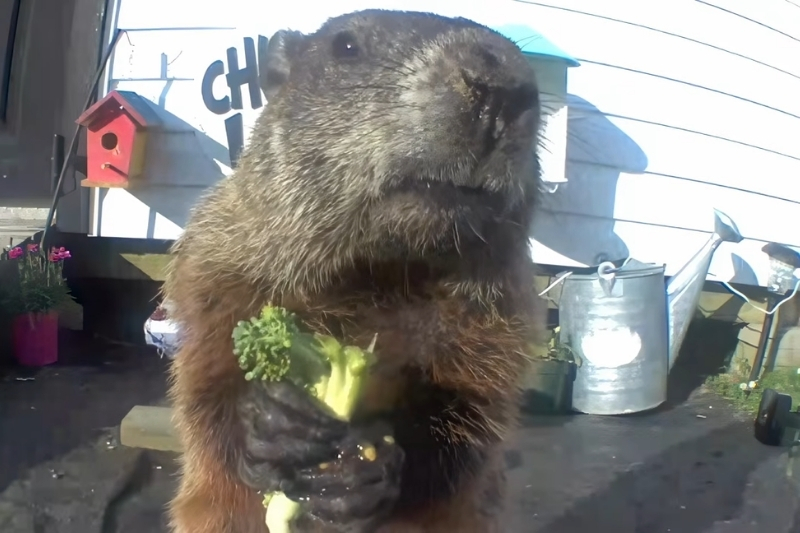
Can you live with a wild groundhog?
October 13, 2026 | Video by Gardener JeffAs part of 50x50: Science Across America, creator Chunk The Groundhog visited the University of Delaware College of Agriculture and Natural Resources to learn from Kyle McCarthy, professor of wildlife ecology. -
Grow Keystone Plants: The Best Way to Help Wildlife
September 29, 2026 | Written by Lauren David | Birds & BloomsAdding keystone plants to your garden creates biodiversity and supports local ecosystems. According to research by Doug Tallamy, an entomologist at the University of Delaware, about 14% of native keystone plants support 90% of butterfly and moth species, and 96% of terrestrial birds depend on insects and caterpillars as food sources for their babies. -
The mystery of a well-traveled kissing bug
August 28, 2026 | Written by Katie Peikes | Photos by Kathy F. Atkinson and courtesy of Jennifer K. PetersonUniversity of Delaware entomologists published new research in the journal, Parasites and Vectors, detailing the August 2025 case of the first live kissing bug found in Europe. A couple visiting Lisbon found a kissing bug in their hotel room and they believed that one of them was bitten. After returning to the U.S. they contacted medical entomologist and professor Jennifer K. Peterson at the University of Delaware, who brought the story to her Medical Entomology class and assigned her students to write a case report.
 Upcoming events