



Category: Cooperative Extension
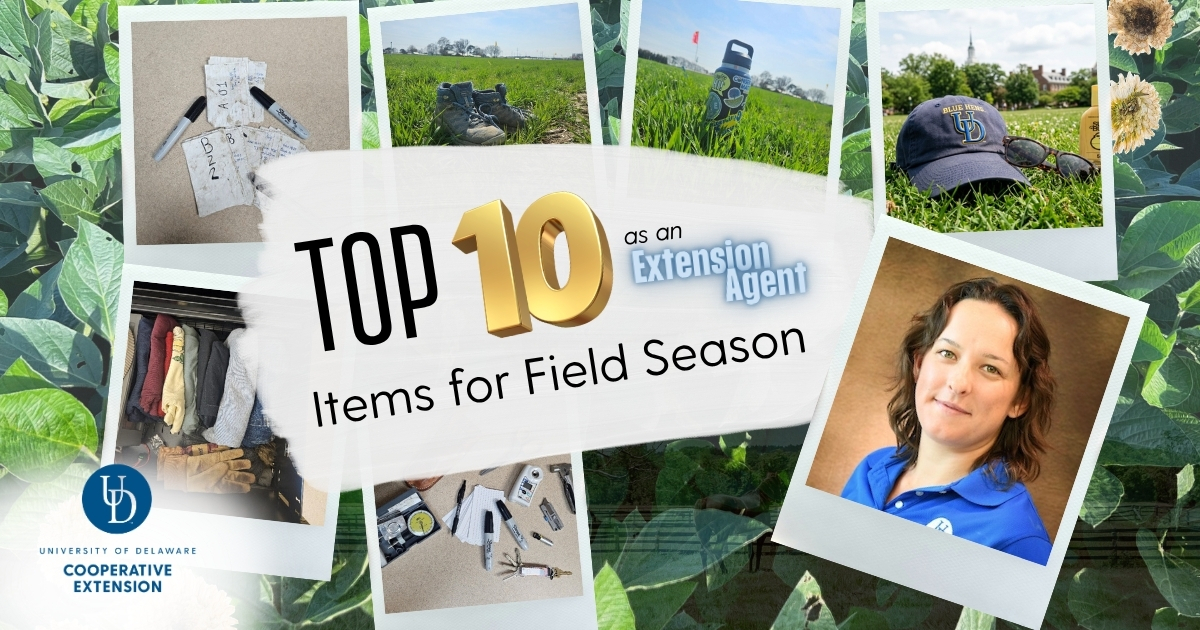
My Top Ten Items for Field Season as an Extension Agent
April 23, 2026 Written by: Lyndsie Mikkelsen, Fruit and Vegetable Extension Agent
Delaware farmers dedicate nearly 60,000 acres to vegetable production, with 60% of the acreage devoted to processing vegetables and the remaining 40% for fresh market use. Choosing the best varieties for Delaware’s climate and the target market of the produce is an important decision that vegetable growers make each year.
Over the years, the Extension vegetable team has conducted variety trials for many different fresh markets and processing vegetables at UD’s Carvel Research and Education Center and Thurman Adams Jr. Agricultural Research Farm. These trials help us recommend the best varieties based on yield, stress tolerance, quality traits and maturity window. We also use the trial information to update the varieties listed in the Mid-Atlantic Commercial Vegetable Production Recommendations.
Field season is an important time for extension and research; we get one shot a season to produce results for farmers and stakeholders, creating long-lasting impacts on the state. As the Fruit and Vegetable Extension Agent, I’m fortunate to call the research station my office. During the field season, my office walls dissolve into sunshine, test plots, data sheets, and baskets of produce. So here are a few items I find to be a necessity for a great field season:
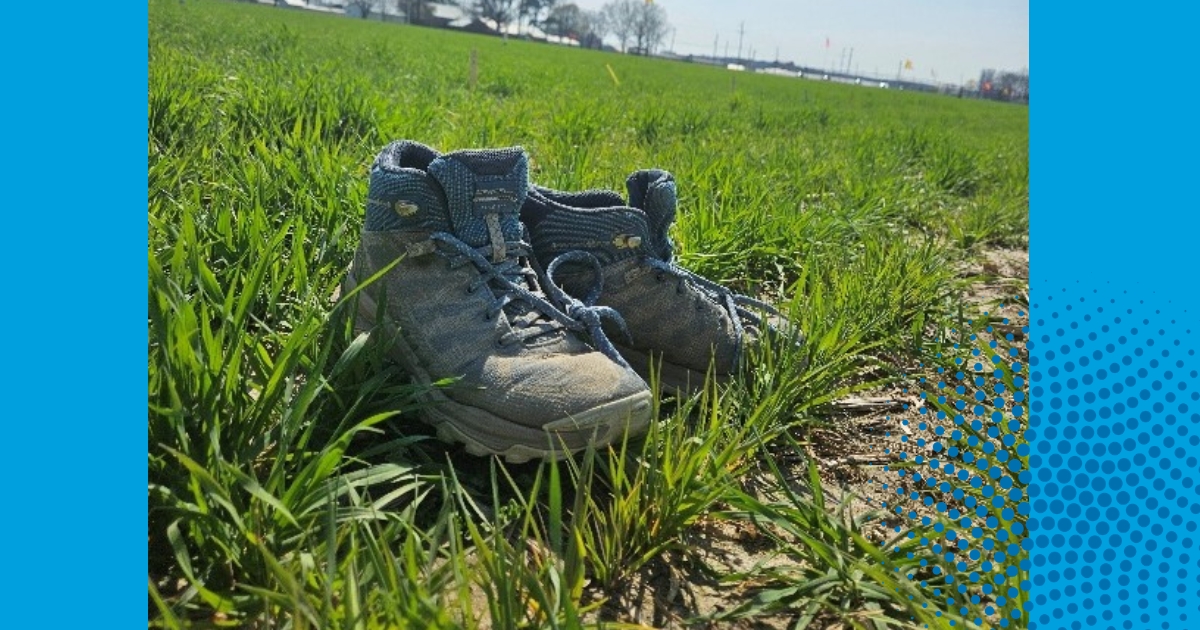
1. A good pair of boots, or two:
Something to stand the wear and tear of mud, dirt, sand, and sweat every day for at least five months straight.
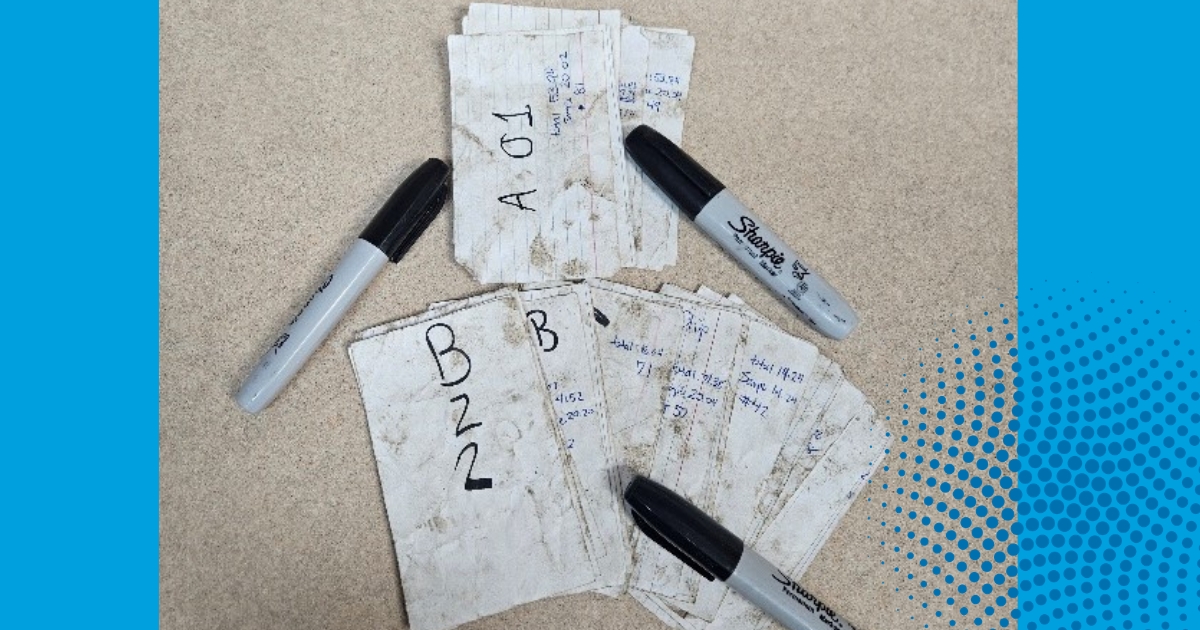
2. Sharpie and Note Cards:
When in the field harvesting and collecting data, it’s very important to keep plots annotated for analyzing data later. The best way to do this is by putting marked note cards in the harvest baskets
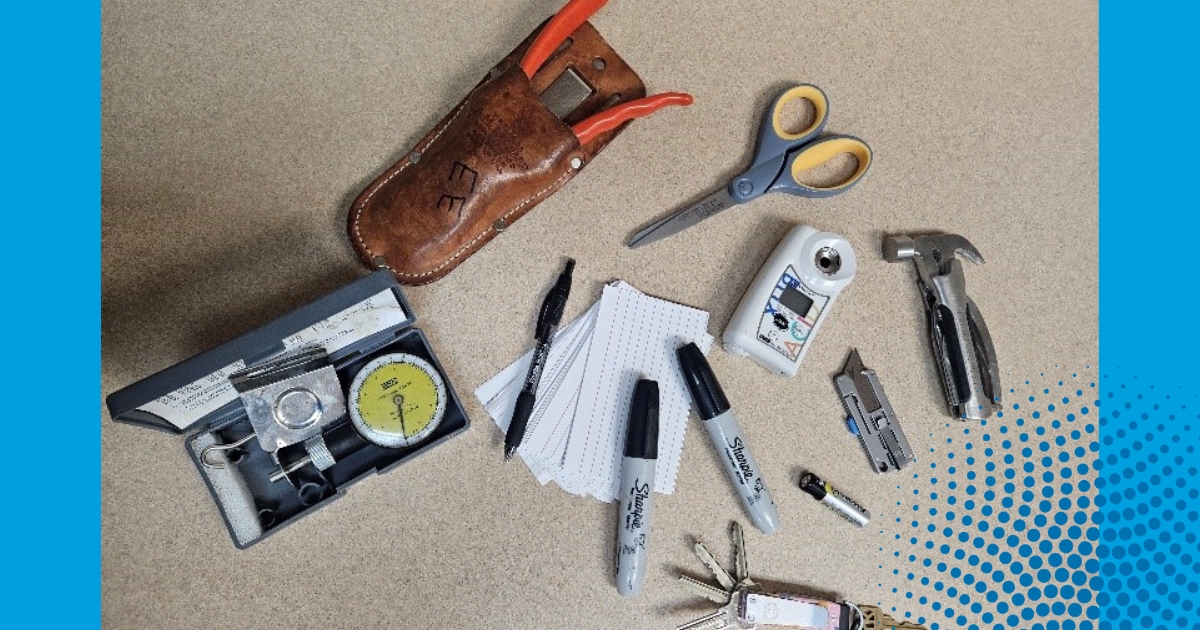
3. Pockets, a Bag, or a Toolbox:
You never know what you’ll need, whether it’s extra tools, batteries, sharpies and note cards (see #2) or plot stakes
4. A Hat and Sunglasses + Sunscreen:

5. Building Keys:
Must be able to access the pesticide and equipment storage rooms.

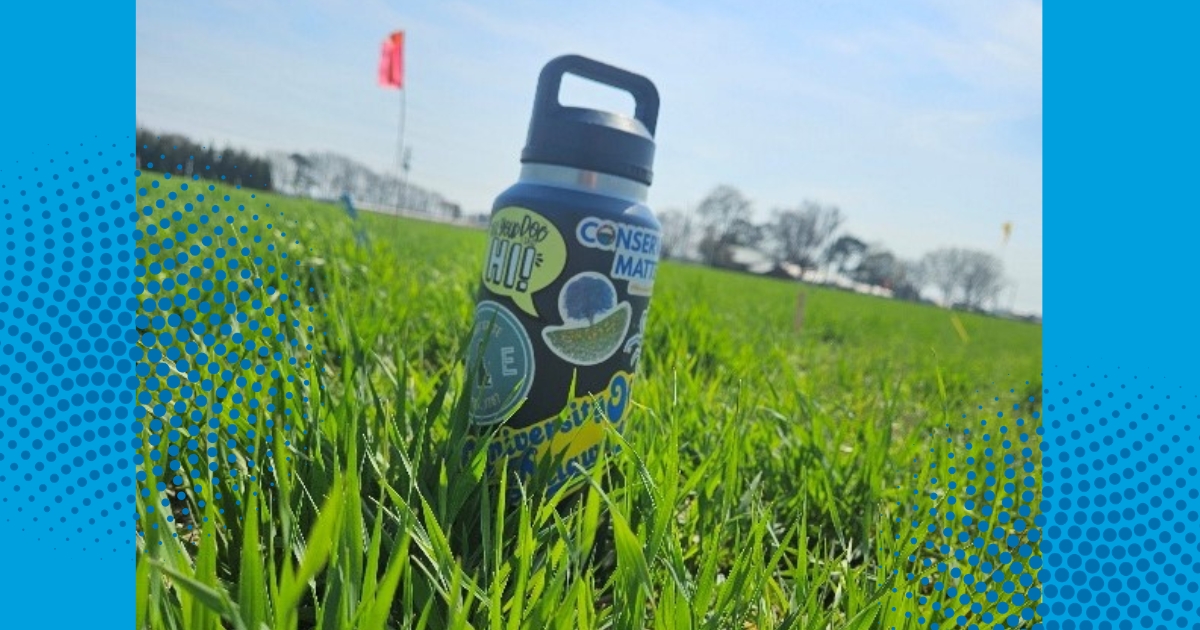
6. A Highly Durable, Preferably Insulated, Water Bottle
7. Extra Clothes:
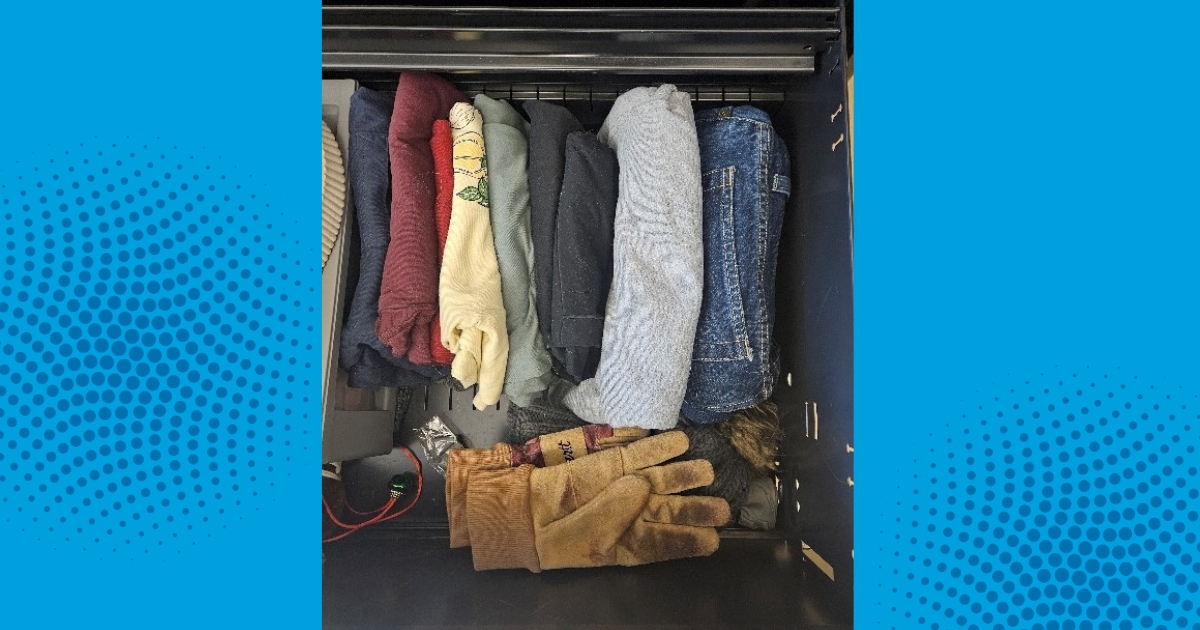
Some tasks must be done, even if it’s in the rain
8. A Hearty Lunch:
After sweating and physically working off calories, there’s nothing better than a good lunch to fuel you for the rest of the day. I also keep plenty of snacks and treats for an extra pick-me-up on especially hot days
9. Mandatory First-Aid Kit & Emergency Wash Water
To be kept in the field truck.
10. Work Phone:
Questions and phone calls from farmers don’t stop just because the field season has started. This is the time farmers tend to talk to Extension more! Plus, having access to quickly take pictures of the good, the bad, and the ugly allows making presentations easier by being able to provide examples.
Of course, field season would not be possible without the amazing farm crew: Brian Hearn, Ward Harris, Chad Messick, Kyler Lecates, and Justin Jamison. Plus, every summer we hire numerous local student summer interns tasked to help us with the more laborious aspects of field maintenance, produce harvesting, and data collection.