



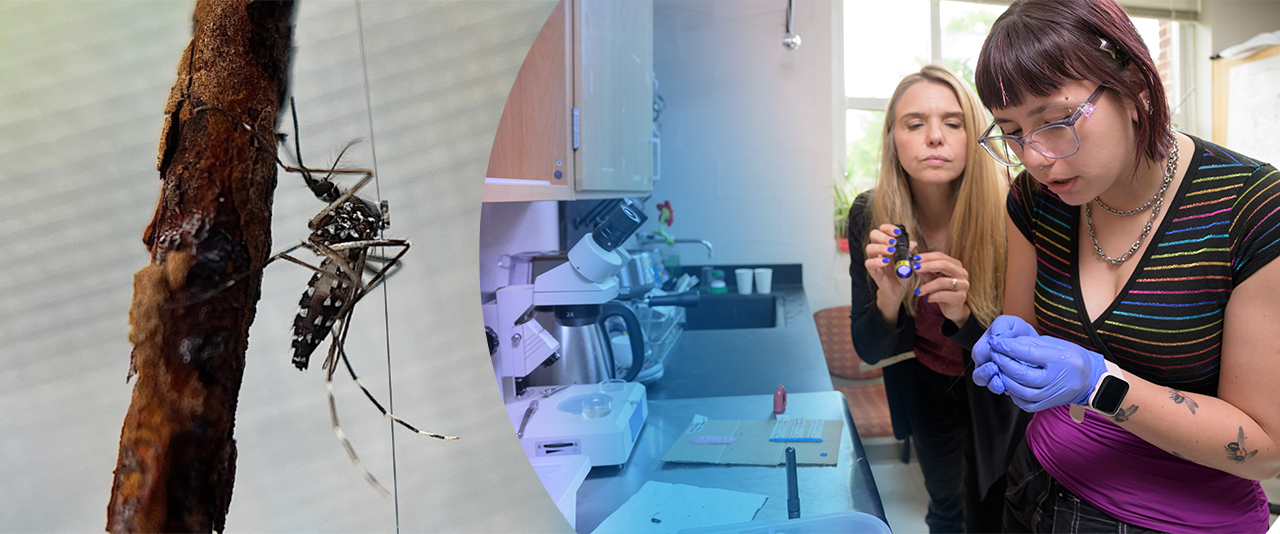
The path of a pest
UD and USDA researchers use lightweight, inexpensive tag method to track mosquitoes to prevent mosquito-borne diseases
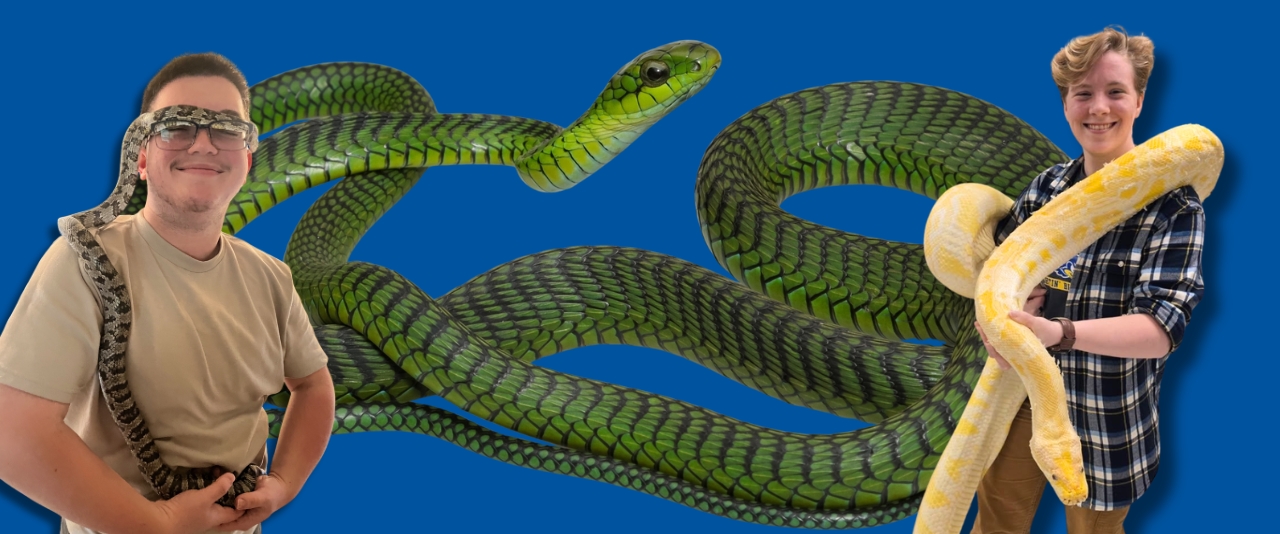
Cold-Blooded Club
UD students form Delaware Herpetology Club to protect reptiles and amphibians

The green superheroes of UD
Blue Hens are tackling environmental foes in the ultimate fight for planet Earth
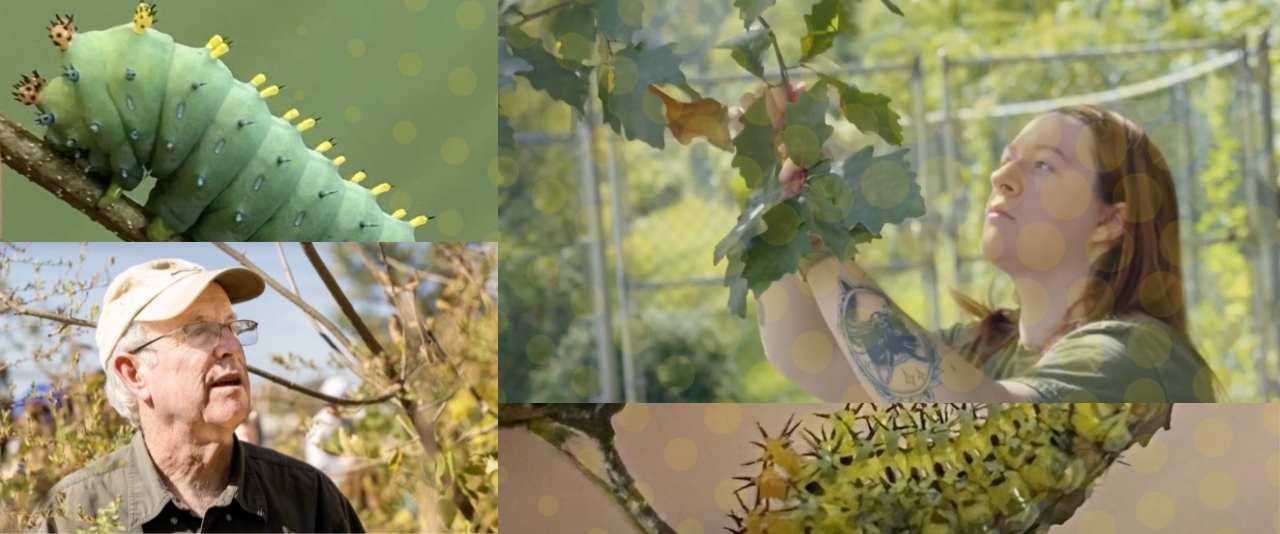
The Moth Defender
Em Beauchamp looks at how mosquito control methods threaten caterpillars
WELCOME TO ENTOMOLOGY AND WILDLIFE ECOLOGY
Our department offers outstanding academic programs for undergraduate and graduate students preparing for research, teaching, and extension careers in entomology, ecology and wildlife conservation.
Our teaching, research, and extension efforts emphasize whole-organism biology, conservation biology, and the interactions between humans and other species.
Our undergraduate programs


Our graduate programs


Ecology Woods FUND
Ecology Woods is a 35-acre forest on the southern edge of UD’s Newark Farm, adjacent to Route 4 and the UD Athletics Complex. This location has been a unique site for ecological research, conservation, and student learning since the 1960s.
It was Dr. Roland Roth, a faculty member in the Department of Entomology and Wildlife Ecology, who protected and nurtured this space for nearly 35 years.
Find out how you can help preserve Dr. Roth's work with a contribution to the Ecology Woods Fund.
What's new?
Featured video
UD wildlife ecology and conservation students go hands-on with birds: youtube.com/watch?v=fSBjptqCWYI
UD wildlife ecology and conservation students go hands-on with birds
In our undergraduate level Ornithology course, University of Delaware students love spending time both in the field and in the lab. Department of Entomology and Wildlife Ecology faculty members teach taxonomy, take students out into nature, explain field techniques, and foster an appreciation for birds. Learn about UD’s wildlife ecology and conservation major.
Latest news
-
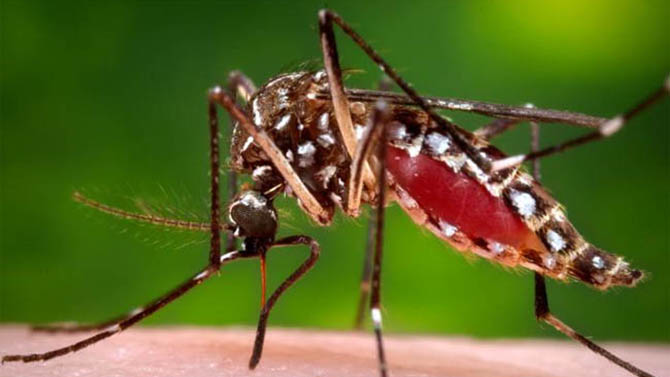
Camden County mosquito spraying draws questions over pesticides
August 21, 2026 | Written by Liz Kilpatrick | The RetrospectDoug Tallamy, University of Delaware entomologist and TA Baker Professor of Agriculture and Natural Resources, is quoted in this article about mosquito spraying. Tallamy says mosquito control should be focused on the larval stage rather than adults. -
5 things to know about ticks this summer
August 21, 2026 | Written by UDaily StaffBlue Hen faculty, students and alumni in the College of Agriculture and Natural Resources (CANR) work to advance our understanding of ticks and Lyme disease. Here are five things they want everyone to know before heading outdoors. -
Delaware's climate plan has strong UD connections
August 14, 2026 | Written by Molly Schafer | Photos courtesy of the Department of Natural Resources and Environmental ControlEarlier this year, the Delaware Department of Natural Resources and Environmental Control (DNREC) released the 2025 Delaware Climate Action Plan, a sweeping plan to protect the state’s homes, infrastructure and economy. The plan also addresses public health concerns and the conservation of Delaware’s unique natural environment. More than 20 UD alumni — including hydrologists, engineers, environmental scientists, transportation policy specialists and state planners — played active roles in its development and implementation.
 Upcoming events