



Epidemiology research
The faculty of the Department of Epidemiology are dedicated to advancing population health research using a variety of methodological approaches. Our research, from applied public health to pharmacoepidemiology, is supported by the National Institutes of Health, the National Science Foundation, the U.S. Centers for Disease Control and Prevention, the Delaware Division of Health and Social Services, and other funders and collaborators.
Our faculty collaborate with researchers across the University of Delaware campus as well as in public health and healthcare institutions locally and globally. Graduate students in the University’s Master of Public Health Program and PhD in Epidemiology are active collaborators with faculty on research, regularly presenting at academic conferences and professional meetings. Our faculty are also actively engaged in the University’s extensive Research Program’s including SOURCE, which places undergraduates with faculty mentors for summer research experiences. Examples of our ongoing work are provided below.
Our Focus Areas

Applied, Field, and Disaster Epidemiology
Applied, field, and disaster epidemiology are primarily characterized by the setting in which studies are conducted. While they use the same study designs, methods, and statistical analyses as other types of epidemiology studies, field-based studies typically face challenges that may include limited access to study sites or populations and a relatively short time frame in which to gather, analyze, and report data so that rapid public health interventions can be implemented to protect population health and safety. For example, field epidemiology studies of outbreaks may include case-control or cohort studies that look for a commonality among cases or those who have been exposed and lead to a product being recalled or a restaurant being closed down. Disaster epidemiology studies typically occur during the disaster response or as part of the disaster recovery, and may include rapid needs assessments, the development and implementation of novel surveillance or tracking systems, or evaluations of interventions such as evacuation orders or other non-pharmaceutical or pharmaceutical control measures.
Faculty Researchers
Jennifer Horney, PhD, MPH, CPH
Projects
COVID-19 Impacts on Domestic Violence Services
Dr. Horney is a founding member of the Public Health Extreme Events Research (PHEER) network. PHEER is a public health researcher-led network that can mobilize rapidly, inform evolving disaster research agendas and funding decisions, and advance the field of public health disaster science.
Pharmacoepidemiology
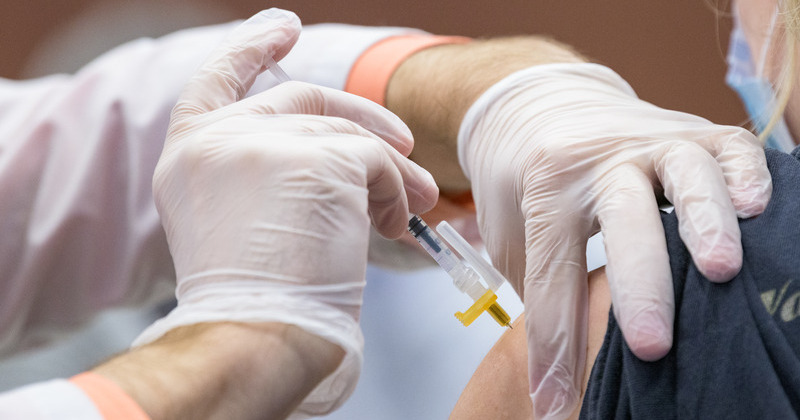
Pharmacoepidemiology is the study of the use, safety, efficacy, and effectiveness of drugs, vaccines, and medical devices to generate important clinical guidance and health policy recommendations. With funding from the National Institutes of Health and pharmaceutical industry partners, pharmacoepidemiologic research at UD explores a range of questions related to the effectiveness of vaccines in older age; adherence to chronic disease medications; and distribution of “street drugs” and unregulated substances on health outcomes in the state. The website linked below includes additional information about the research actively taking place in the Department, our approach to teaching and training in pharmacoepidemiology, and our current doctoral students.
Faculty Researchers
Matthew Loiacono, PhD, MS, Affiliated Faculty, Sanofi
Projects
Infectious Disease Epidemiology
Addressing a range of challenges, infectious disease epidemiology at UD tackles teaching and research in topics including the impact of infectious diseases such as HIV or COVID on chronic conditions, optimal vaccine use in special populations, and critical population level factors in disease prevention, transmission, surveillance, and control.
Faculty Researchers
Jennifer Horney, PhD, MPH, CPH
Wayne Duffus, MD, PhD, Affiliated Faculty, ChristianaCare
Chronic Disease Epidemiology
Chronic conditions such as cardiovascular disease, diabetes, hypertension, and obesity remain among the leading causes of death and disability in the United States. Addressing chronic disease at the population health level is critical to identifying disparities, understanding the broader social and structural determinants of health, and designing interventions that are equitable, evidence-based, and sustainable.
Researchers in the Department of Epidemiology are leading this work through innovative, population health focused studies. Faculty investigate the prevention, management, and policy implications of chronic disease across diverse communities. Their research covers a wide range of focus areas, including chronic disease burden and disparities, particularly among individuals living with disabilities and age-related health conditions (e.g., Alzheimer’s disease and related dementias, frailty, and multimorbidity); HIV as a chronic infectious disease; nutritional epidemiology and health behaviors; and racial and ethnic disparities in cardiovascular outcomes and treatment adherence.
Using a combination of mixed methods, large-scale data analysis, and community-engaged approaches, these researchers work collaboratively to generate actionable insights. Their findings support the development of public health programs, inform clinical practice, and shape health policy at both the state and national levels. Through interdisciplinary partnerships, UD’s chronic disease research aims to improve population health outcomes and reduce persistent gaps in care.
Faculty Researchers
Scott Seigel, PhD, MHCDS, Affiliated Faculty, ChristianaCare
Aging and Disability
Advancements in public health and medicine have contributed to local and global increases in life expectancy. As the U.S. population ages and the number of individuals living with disabilities continues to rise, there is a growing need to understand how these intersecting experiences impact public health. Disability and aging are critical, yet often overlooked, lenses through which to study disparities in healthcare access, quality, and outcomes. At a population health scale, research in these areas helps uncover systemic barriers and guides the development of inclusive policies and interventions that address the needs of older adults and people with disabilities across diverse communities.
Department of Epidemiology faculty are at the forefront of this work, leading efforts to examine the complex relationships between disability, aging, and public health using large datasets, policy analysis, and community-based approaches. Their work specifically focuses on disparities in chronic disease management, preventive care, long-term care services, treatments for Alzheimer’s disease and related dementias, and social determinants of health in disability and aging populations. The department's commitment to health equity drives research that informs accessible, age-friendly health systems and inclusive public health planning. Through interdisciplinary collaboration and real-world application, the Department of Epidemiology is generating actionable evidence to support healthier, more equitable futures for disability and aging populations.
Faculty Researchers
Research Briefs
With funding from the National Science Foundation, an interdisciplinary team of researchers from the Department of Epidemiology and the Center for the Study and Prevention of Gender-Based Violence examined the effects of the COVID-19 pandemic on the provision of services to victims and survivors of domestic violence (DV). Using key informant interviews with state domestic violence coalitions and a survey of community-based domestic violence service providers, the study documented the impacts to DV services through the lens of public health disaster preparedness and response. A series of research briefs have been developed to highlight key findings and recommendations for system improvements for disaster planning and preparedness.
-

Cannabis Users in Focus
September 10, 2026 | Written by Amy CherryUD epidemiology study takes closer look at medicinal, recreational use -
Reducing dementia risk
August 10, 2026 | Written by Amy CherryUD epidemiology study, led by Assistant Professor Daniel Harris, finds shingles vaccination is linked to lower dementia risk in older adults. -
June and July College of Health Sciences For the Record
August 04, 2026 | Written by CHS StaffCollege of Health Science community reports appointments, exhibitions, publications, and honors for June and July. -
Domestic violence systems tested
July 06, 2026 | Written by Amy Cherry and Jessica HendersonNew interdisciplinary research led by UD's Epidemiology Department explores how domestic violence systems adapted during COVID-19 disruptions. -
Recognizing outstanding staff
June 24, 2026 | Written by Amy CherryThe University of Delaware celebrates the 2025–2026 Staff Excellence Award winners, including several from the College of Health Sciences.
ADDITIONAL LINKS
Connect


Tower at STAR: 100 Discovery Blvd, Newark, DE 19713 | Health Sciences Complex: 540 S. College Ave, Newark, DE 19713 chs-info@udel.edu Phone: 302-831-1060
Social Epidemiology
Social epidemiology examines the role of social structures, behavioral factors, and policy and the impact on health and wellness across populations. Specifically, social epidemiology examines linkages between social determinants of health including socioeconomic status, environmental hazards, social capital, and quality of care with health outcomes. Social epidemiologists in the Department of Epidemiology explore social drivers of health including resilience, social support and cohesion, optimism and happiness, and coping mechanisms, as well as psychosocial factors such as discrimination and depression.
Faculty Researchers
Yendelela Cuffee, PhD, MPH
Jee Won Park, PhD, MPH