




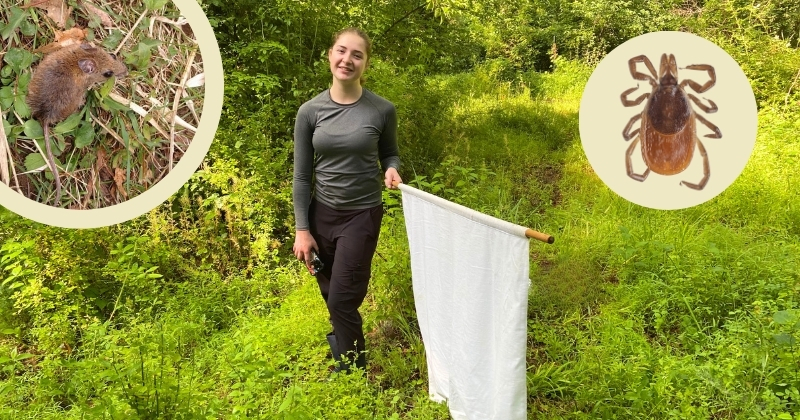
5 things to know about ticks this summer
Photos by Solomon Hendrix and courtesy of Madeline Brown and the Department of Natural Resources and Environmental Control Division of Parks and Recreation August 27, 2026
UD researchers explain how to avoid bites — and what to do if you find one
If it feels like everyone is talking about ticks this summer, there’s a good reason. Delaware ranks among the nation’s highest-risk states for several tick-borne illnesses, according to research co-authored by University of Delaware alumna and tick biologist Ashley Kennedy.
Blue Hen faculty, students and alumni in the College of Agriculture and Natural Resources (CANR) work to advance our understanding of ticks and Lyme disease.
Here are five things they want everyone to know before heading outdoors.
1. Not every tick is the same
Part vampire, part spider, ticks are blood-sucking, eight-legged arachnids that can transmit bacteria, viruses and parasites. But not every species carries the same health risks.
Delaware’s five most common species are the lone star tick, blacklegged (deer) tick, American dog tick, Gulf Coast tick and Asian longhorned tick.
“Not all ticks are equally dangerous,” said Kennedy, who works for the Delaware Department of Natural Resources and Environmental Control. “There are different recommended next steps following a tick bite depending on the species and life stage.”
That makes identification important. If you’re bitten, remove the tick promptly with tweezers, grasping it as close to the skin as possible and pulling it straight out. Save the tick in a sealed container if you can — or take a clear photo to help identify it later.
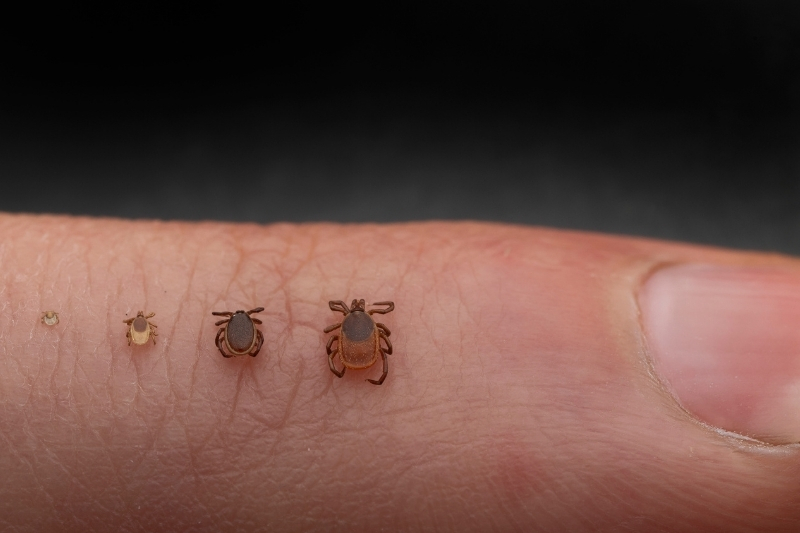
Ticks might be smaller than you’d think.
“Larvae are smaller than a poppy seed,” said Madeline Brown, a graduate student and a member of UD's Disease Ecology Lab, led by Vincenzo Ellis, assistant professor in the Department of Entomology and Wildlife Ecology.
2. Ticks don't jump out of trees
Kennedy and Brown both stressed that this widely held misconception is simply untrue.
“They don’t fly, jump or fall out of trees,” Kennedy said.
Instead, ticks wait in grasses, leaf litter and low vegetation — generally less than three feet high — until a person or animal brushes past. In a behavior called “questing,” ticks wait with their legs outstretched, ready to grab hold of passersby. They then climb upward looking for a place to attach.
Knowing that behavior makes prevention easier. To avoid encountering ticks:
- Stay in the center of trails.
- Avoid brushing against tall grass and shrubs.
- Wear EPA-approved tick repellent.
- Tuck pants into socks and shirts into pants to make it harder for ticks to reach your skin.
- Wear light-colored clothing so ticks are easier to spot.
3. Check yourself — and your pets — as soon as you get home
The simplest way to reduce your risk of illness is also one of the most effective.
Brown recommends showering soon after spending time outdoors and performing a thorough tick check. Pay particular attention to:
- Scalp
- Behind the ears
- Armpits
- Waistline
- Behind the knees
Pets should receive tick preventatives and be checked over before coming inside.
“The goal is to find and remove the ticks as soon as possible because the longer they’re attached, the higher the risk of infection,” Kennedy said.
4. Lyme disease isn't the only concern
Blacklegged ticks can transmit Borrelia burgdorferi, the bacterium that causes Lyme disease, but they’re not born carrying it. Ticks can become infected after feeding on wildlife.
Other tick-borne bacterial illnesses include ehrlichiosis and spotted fever rickettsioses.
Lone star ticks present another concern: alpha-gal syndrome, a potentially serious allergy that can develop after a bite and cause reactions to red meat and other mammal-derived products.
5. Mice, not deer, are bigger drivers of Lyme disease
Despite the nickname “deer tick,” deer aren’t the primary source of Lyme disease.
Most blacklegged ticks become infected after feeding on white-footed mice.
“Mice are a really big part of a tick’s life cycle,” Brown said.
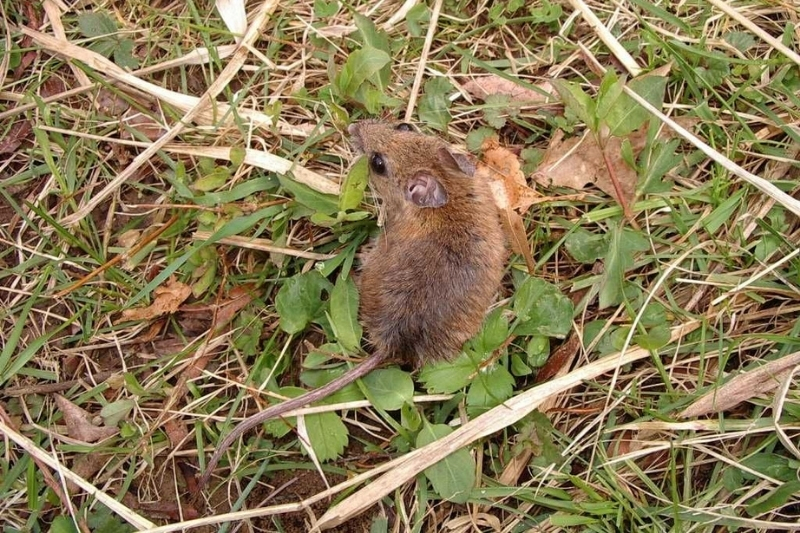
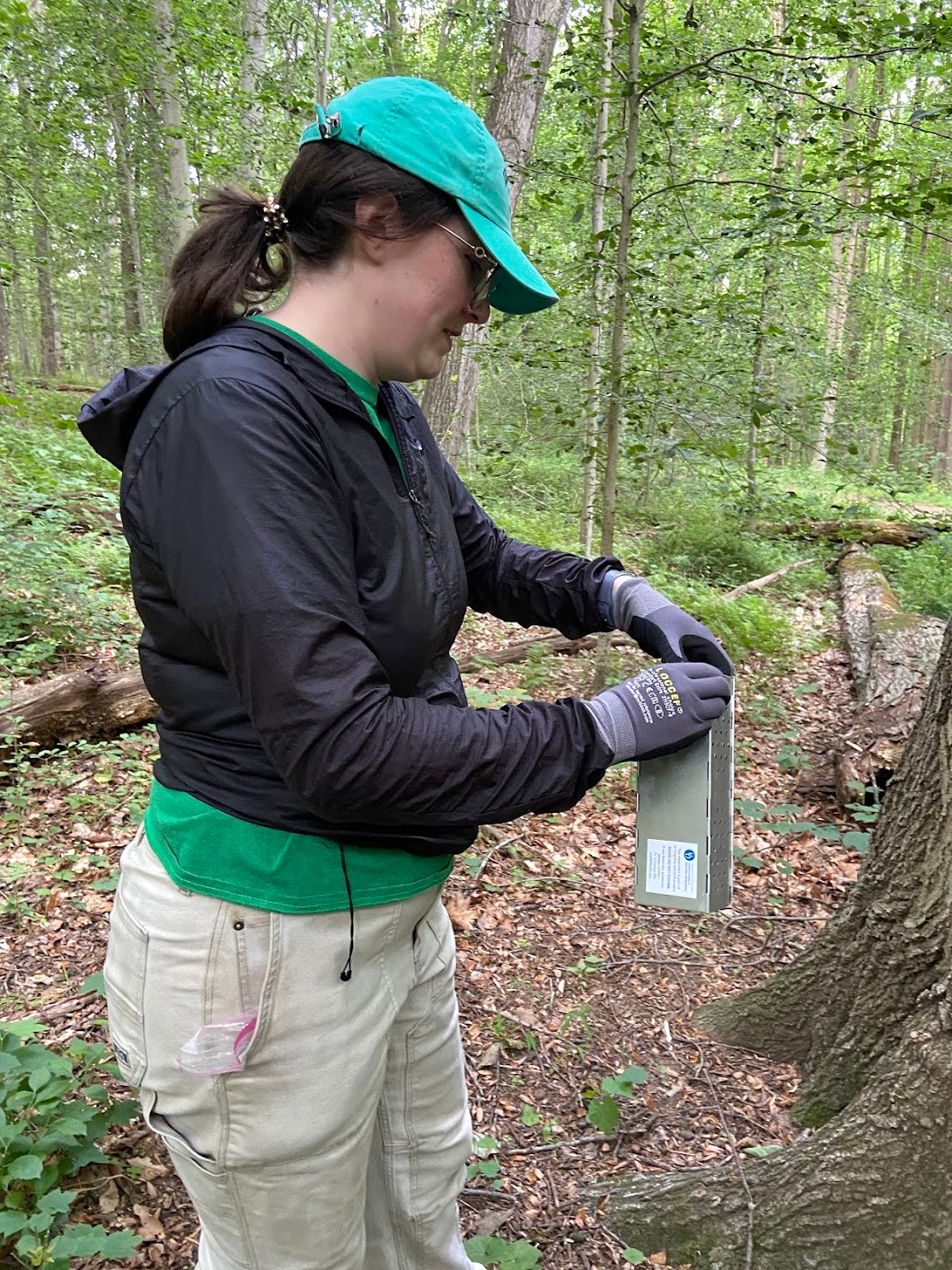
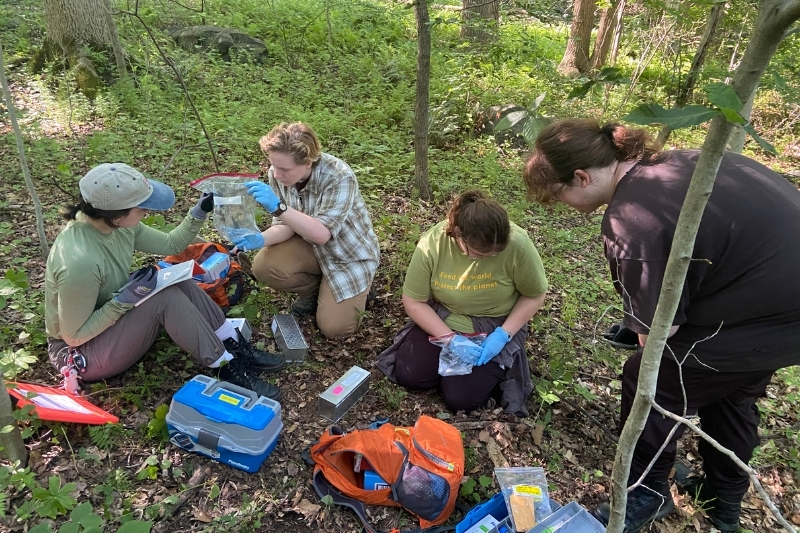
Brown’s research involves evaluating the efficiency of Tick Tubes: cardboard tubes filled with insecticide-treated cotton. Mice use the cotton to build nests, the insecticide kills ticks on the mice, helping reduce the spread of Lyme disease.
Her research is part of the VectorED Network, funded by the Centers for Disease Control (CDC), the Vector-borne Disease Training and Evaluation Center serving the Mid-Atlantic and Ohio River Valley.
Deer still play an important role in proliferating ticks, but researchers consider them “dead-end hosts” for Borrelia burgdorferi because the bacterium doesn’t survive in deer.

Why Delaware matters
Delaware ranks among the nation’s highest-incidence states for several tick-associated illnesses, according to the study co-authored by Kennedy and published in the Journal of Medical Entomology.
Kennedy says surveillance also shows that tick densities have generally increased over the past several years, particularly in wooded suburban “edge habitats” where forests meet lawns.
The good news? Ticks don't have to keep you indoors.
“Being armed with knowledge about ticks can go a long way in keeping you safe,” Kennedy said. “Once you understand how ticks find a host, you can avoid them more easily.”
For help identifying a tick, visit the Disease Ecology Lab’s Ticks of Delaware webpage or share details and photos with the Department of Natural Resources and Environmental Control (DNREC) via its Get Your Tick Identified form.
Contact Us
Have a UDaily story idea?
Contact us at ocm@udel.edu
Members of the press
Contact us at mediarelations@udel.edu or visit the Media Relations website