




Public health in action
Photos by Ashley Barnas Larrimore and courtesy of Partnership for Healthy Communities April 07, 2026
How UD is shaping the future of public health
Public health is at a turning point, with a shrinking workforce, outdated data systems and growing demands on the field. During National Public Health Week, April 6-12, this year’s theme, “Ready. Set. Action!” reflects that urgency, and at the University of Delaware, faculty and students are stepping up to the challenge.
Here are three ways UD’s College of Health Sciences is working to shape the future of public health:
Fueling the public health pipeline
The public health workforce faces serious challenges. It’s no secret that the workforce has seen significant turnover since the COVID-19 pandemic, driven by burnout, and many professionals are nearing retirement.
“At UD CHS, our faculty are preparing the next generation to step in, with an emphasis on hands-on experience from day one,” said Jennifer Horney, professor and founding chair of the Department of Epidemiology.
UD’s Public Health program is nationally accredited by the Council on Education for Public Health (CEPH), a recognition that the program meets the highest standards for public health education. Students gain field experience early on in their studies.
“Whether it’s conducting surveys for the state’s Community Health Assessment or working on HEALTH for All’s mobile health unit, interacting with community members, the focus is always on applying what students learn in the classroom in real-world settings,” Horney said.
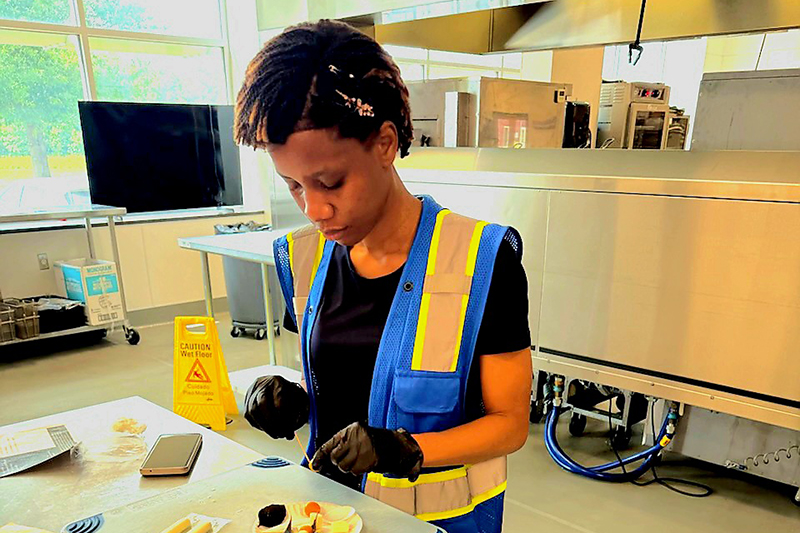
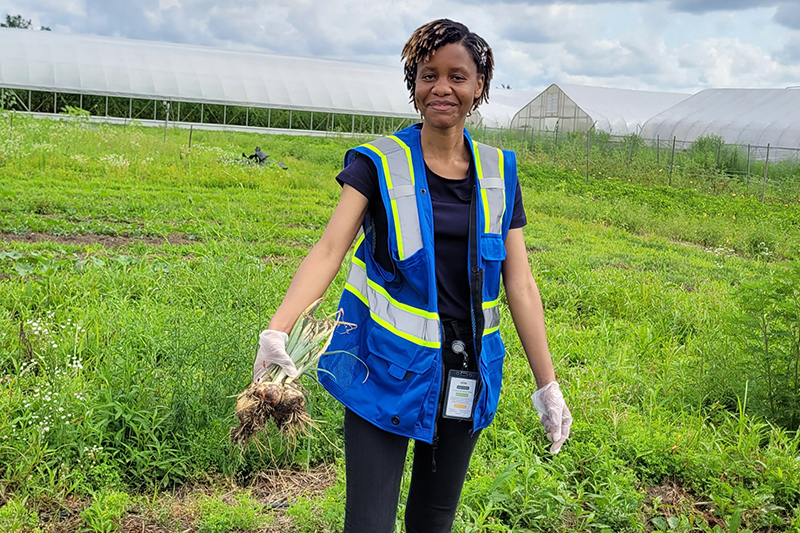
For her Partnership for Healthy Communities practicum, Fadzai Dube, a master of public health in epidemiology student, developed a nutrition education training program for the Food Bank of Delaware and partner agencies.
“One of my career goals is to find ways to ensure that everyone has a fair shot at living a healthier lifestyle,” Dube said. “This practicum grounded me, improved my confidence and deepened my commitment to addressing food insecurity and health equity.”
Restoring trust
Restoring trust in public health in a post-pandemic world has been an uphill battle. As mis- and disinformation spread, building confidence in reliable science has never been more crucial.
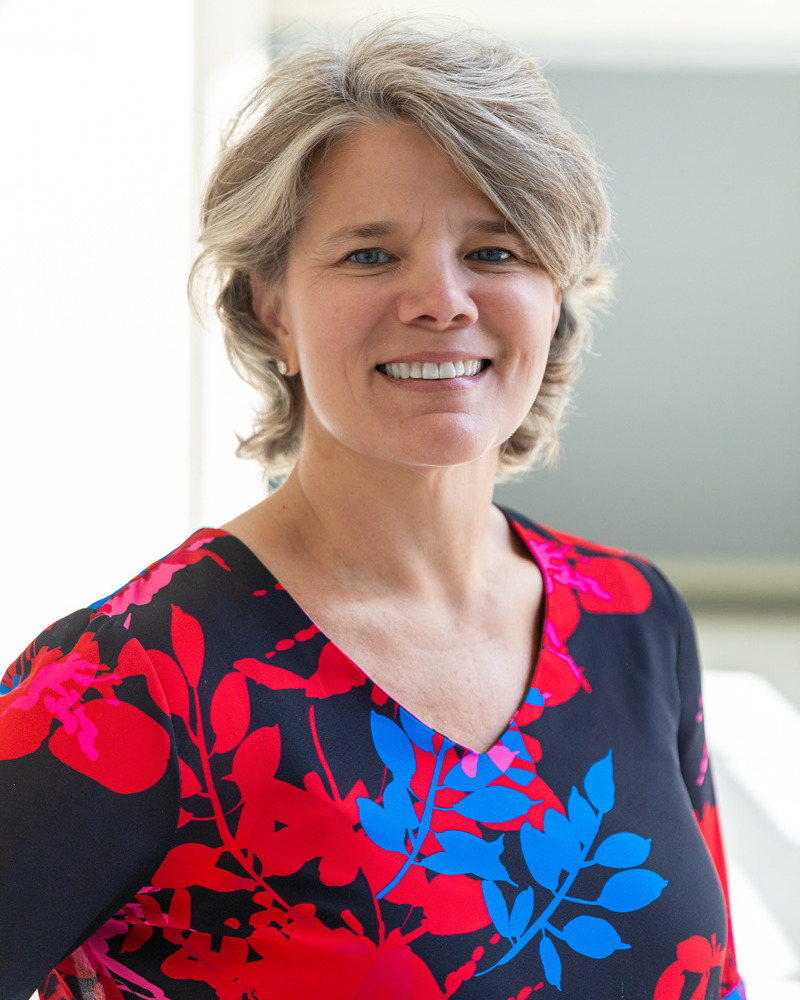
The renowned faculty in UD’s Epidemiology Department contribute to that effort through research on vaccine efficacy, blood pressure management in aging adults, and the health impacts of natural disasters.
“Our faculty publish reliable, evidence-based information that helps people make important decisions about their health,” Horney said.
Horney adds annual events like UD’s School Nurse Professional Development Day and partnerships with community hubs like the Route 9 Library and Innovation Center also help build confidence in public health.
“People trust their pediatricians, school nurses, and community centers, so if we can get information into the hands of trusted individuals and meet people where they are, we can make a big difference,” Horney said.
Training for disaster
Preparing for the next public health emergency is another key area of focus.
Last year, UD was awarded $700,000 from the Centers for Disease Control (CDC) to develop Regional Centers for Public Health Preparedness and Response. The initiative, which marked the first substantial investment in public health emergency preparedness in a decade, aims to improve workforce capacity in the region during a disaster.
“In a large-scale outbreak tied to a major event like the World Cup, for example, that kind of regional collaboration could be critical if federal resources are limited,” Horney said.
Rebuilding public health
Beyond immediate challenges, there’s also a need to rebuild systems that track the nation’s health.
“From vaccination rates to maternal health data, longstanding datasets are becoming less accessible,” Horney said. “Without reliable data, we can’t identify trends, respond to emerging issues or measure the impact of policy changes.”
UD’s students are being trained with that reality in mind.
“For new public health professionals to help build back programs in more sustainable and resilient ways, it is vital that they have a comprehensive understanding of the policies that were dismantled, as well as their strengths and weaknesses,” Horney wrote in an editorial published in April in the American Journal of Public Health.
“UD graduates entering the public health workforce will have opportunities to modernize systems and drive policy changes that improve health and advance equity.”
As part of Public Health Week, UD will celebrate the Public Health program’s accreditation on Monday, April 13, in the atrium of the Health Sciences Complex. During the event, Professor of Practice and Distinguished Health and Social Services Administrator Rita Landgraf and Professor Emeritus and former CHS Dean Kathy Matt will be inducted into CEPH’s Delta Omega Public Health Honor Society for their roles in helping to found the Department of Epidemiology.
Contact Us
Have a UDaily story idea?
Contact us at ocm@udel.edu
Members of the press
Contact us at mediarelations@udel.edu or visit the Media Relations website