




Memorable health messaging
Illustration by Jaynell Keely October 22, 2026
UD study shows young adults remember health information from influencers, strangers on social media
Think about the information you know about your health. Now consider who that information came from. Was it a family member? A friend? Your doctor?
Historically, the information people remember the most comes from people in their interpersonal networks. But that seems to be changing — at least when it comes to young adults and the health-related information they receive on social media.
For college students, the health-related information they remember most comes from influencers and strangers, according to new research by Emily Pfender, assistant professor of communication at the University of Delaware.
In work published recently in the journal Health Communication, Pfender and her team surveyed nearly 300 college students about health information they received on social media, and the messages that have stuck with them the longest. For the students, the information mainly came from TikTok and Instagram, with the majority from accounts the students didn’t follow.
It’s a surprising — and concerning — finding that upends the communication field’s theory of memorable messages, which traditionally says the information people recall the longest comes from trusted individuals in their networks.
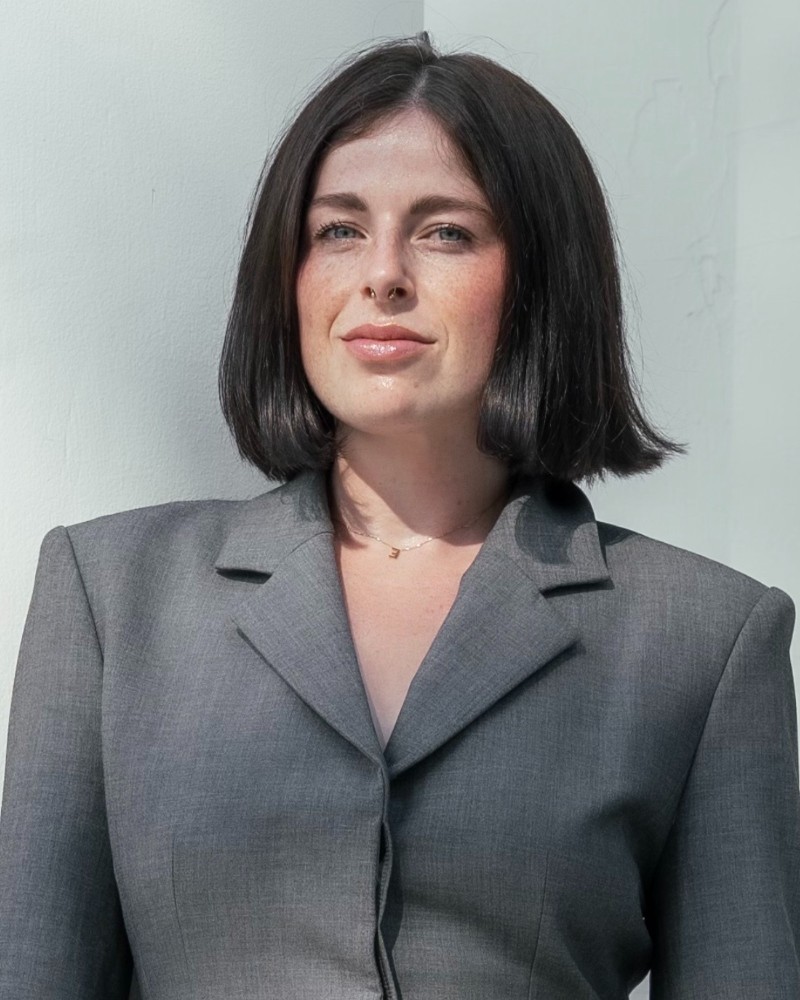
“This changes everything we know about how memorable messages work,” Pfender said. “The fact that a student’s most memorable health message comes from a stranger or influencer who likely has a financial stake in people following their health recommendations and buying their products is alarming.”
It also points to a growing need for educational digital health content and platforms dedicated to teaching how to evaluate health-related content on social media. For example, nearly three-quarters of the messages in the study were from influencers. Since the students did not follow the person who posted the messages, they weren’t familiar with the person’s background or credentials.
“The key distinction is that they were taking advice from people they had no previous exposure to,” Pfender said. “This also pushes back against parasocial relationships, which say we’re influenced by strangers we feel close to through repeated exposure.”
Verification and misinformation
The messages fell into two categories. Health prescriptions pushed viewers both toward and away from a product or a behavior, like using mouth tape to change the shape of your jaw, or drinking two cups of spearmint tea per day to help women with a condition called polycystic ovarian syndrome.
Health encouragement messages urged viewers to have more autonomy over their health, including viewing health holistically and seeing mental health as part of overall wellbeing.
The researchers also asked students how the messages impacted their health beliefs and behaviors. It’s an important question because the students may have been influenced by information with what Pfender called “an ulterior motive” behind the posting, like selling a product or building a following, or information that was misleading.
For example, one of the recalled messages was about the carnivore diet, which was a hot trend based on eating a lot of meat and very few vegetables. But research has come out that links the diet to higher cholesterol, especially low-density lipoprotein (LDL), the type of cholesterol that’s been linked to heart disease.
“We didn’t label these things as misinformation in the study, but if you read between the lines, people are remembering messages that are misinformation,” Pfender said.
Many of the impacts were positive, especially from the encouragement messages. Pfender said students reported having a greater understanding that health is more than just physical health; it also includes mental health l.
“This is particularly important for young people and college students. So the messages can do a lot of good,” Pfender said.
Some students skeptical of messages they saw took additional steps to verify information they felt was suspicious, either by doing independent research online or checking other sources. One student read a research journal to understand the science behind a particular claim.
Those actions are increasingly important as AI continues to advance and become part of everyday life, particularly if people accept what they see online without question.
Pfender believes digital health literacy interventions, including the creation of social media content and platforms dedicated to teaching digital health literacy, are crucial to fostering a healthy skepticism among social media users. She also encourages other scientists to join the conversation on popular channels like TikTok and Instagram.
“As a content creator myself, I actively share my research findings in this space with a following of more than 34,000 followers,” she said. “We need more scientists online.”
Contact Us
Have a UDaily story idea?
Contact us at ocm@udel.edu
Members of the press
Contact us at mediarelations@udel.edu or visit the Media Relations website