



Faculty
The Climate Change Hub catalyzes interdisciplinary research among University of Delaware climate scholars and facilitates collaborations with external institutions.
The Climate Change Hub includes representatives across disciplines to understand and address climate change and its effects on ecosystems and people. We include climate science, engineering, social sciences, health sciences, environmental humanities, the arts and more.
-
Faculty spotlight
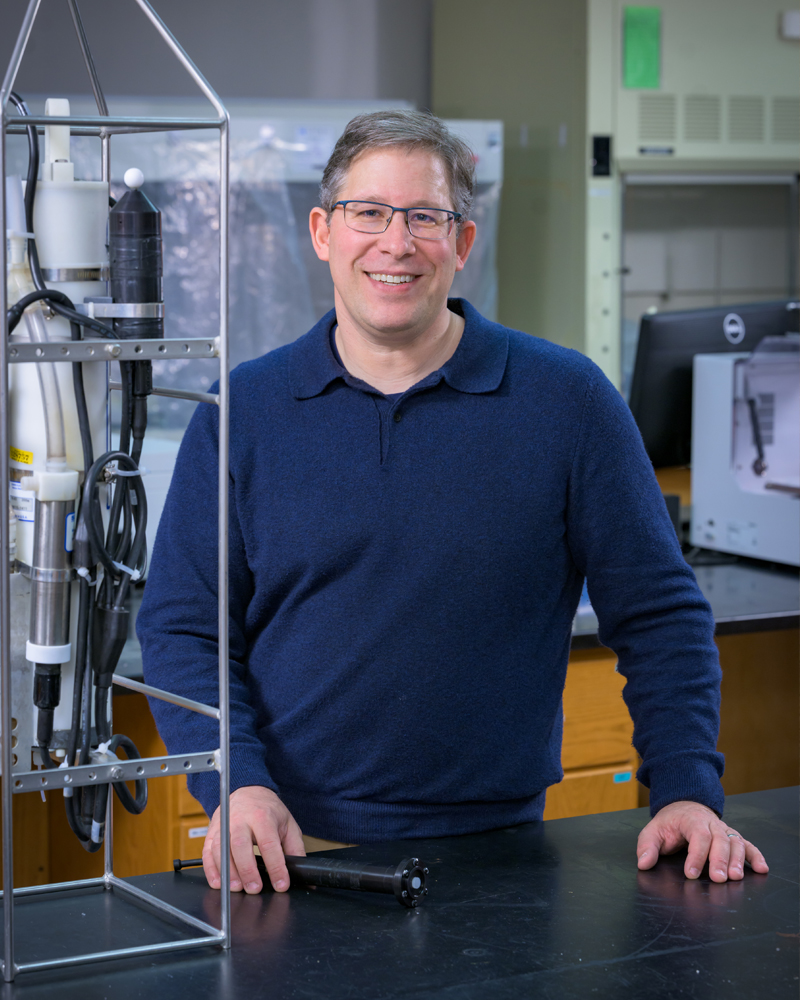
DR. JONATHAN COHEN
Dr. Jonathan Cohen studies how light shapes life in the ocean—particularly how marine organisms detect and respond to extreme Arctic light cycles. He is a professor in the School of Marine Science & Policy and a 2024–2025 Fulbright Distinguished Arctic Scholar.During a three-month residency at the University of Tromsø in Norway, Cohen studied seasonal changes in light availability and the sensory biology of polar animals. This work contributed to multiple publications on Arctic ecosystems, spanning both marine and terrestrial species.
Beyond research, Cohen mentors early-career scientists and contributes to international collaborations, including presentations at Arctic Frontiers. He is also exploring opportunities to develop a study abroad program focused on marine science in the Arctic, offering students hands-on experience in one of the world’s most rapidly changing environments.
-
Faculty spotlight
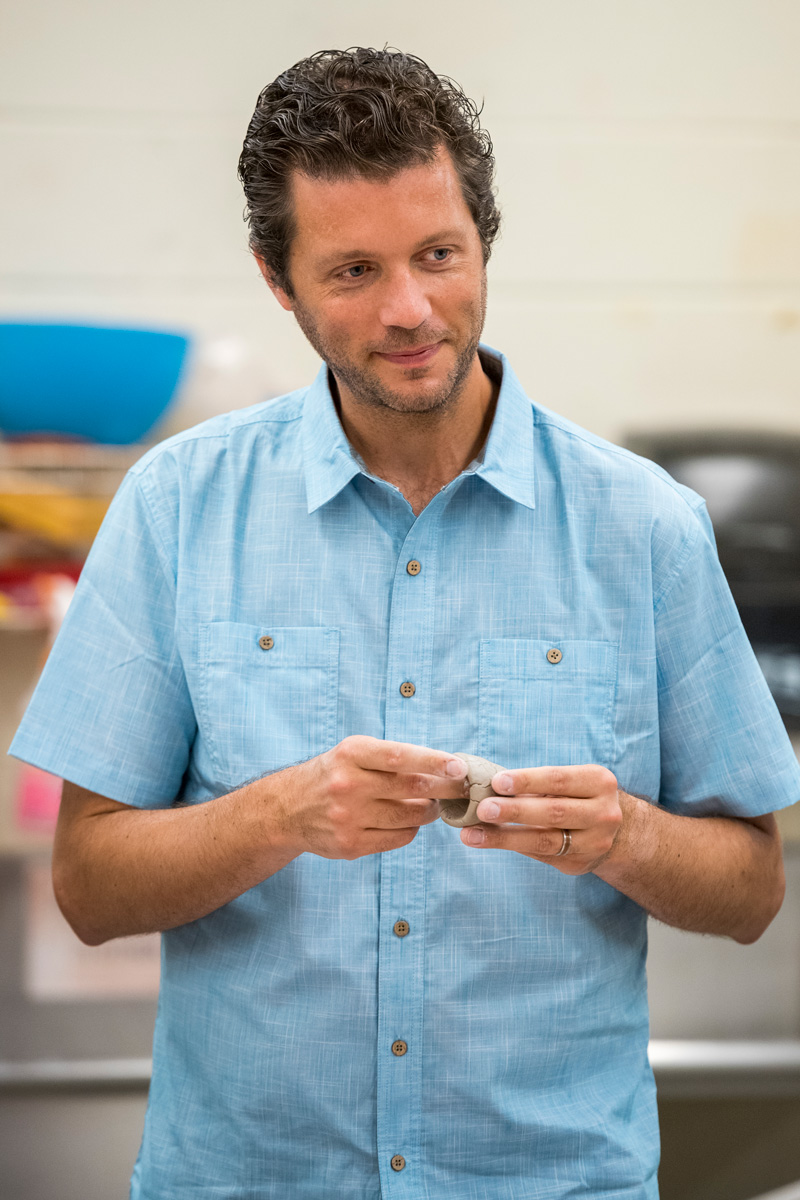
DR. LOWELL DUCKERT
Dr. Lowell Duckert studies how literature, media, and culture shape the way we understand and experience environmental change—especially through the lens of the “blue humanities,” which explores human relationships with oceans and waterways. He is an associate professor of English and affiliated with the Center for Environmental Humanities.Duckert’s most recent book, Arcticologies, explores how early modern European texts represent frigidity and ice and how they have contributed to historical understandings of climate and to contemporary debates on climate change. His ongoing projects extend this blue humanities perspective to video games, where he explores how interactive worlds shape environmental awareness and imagination.
He is currently teaching a course on eco-games and has presented research on Shakespeare and video games, with plans to develop a broader series on blue humanities in gaming. By connecting literary scholarship with emerging media, Duckert’s work expands how we think about climate, culture, and the environments we inhabit—both real and virtual.
-
Faculty spotlight
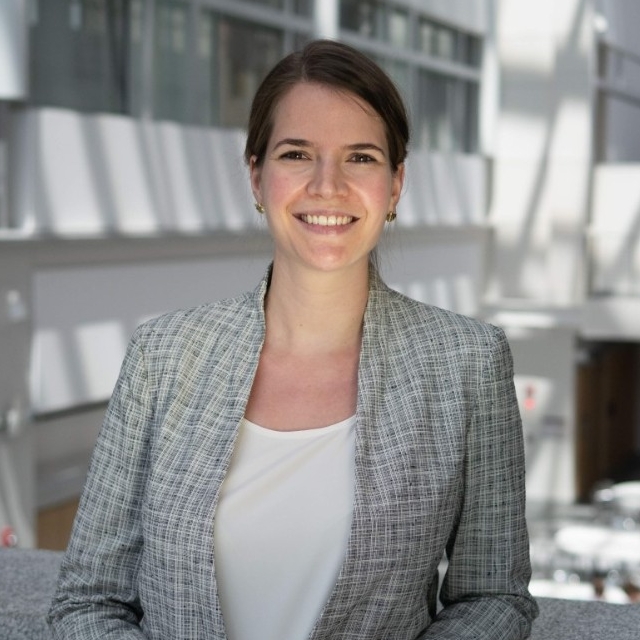
DR. CHRISTINA MCGRANAGHAN
Dr. Christina McGranaghan studies how individuals and markets respond to environmental and energy challenges, with a focus on the economic and behavioral drivers of climate-related decision-making. She is an assistant professor in the Department of Applied Economics & Statistics in the College of Agriculture and Natural Resources.Her research spans environmental and energy economics, behavioral economics, and experimental methods, using data and experiments to understand how policies and incentives shape real-world outcomes. She examines questions such as how markets adapt to changing environmental conditions and how individuals respond to policy signals related to energy use and climate risk. She is part of the multi-university research team RISCC - Risks, Impacts, and Strategies for Coastal Communities, where she studies how communities perceive changing flood risks and strategies for increased resilience.
By combining economic modeling with experimental approaches, McGranaghan’s work provides insight into how climate policies function in practice—not just in theory—helping to inform more effective and realistic approaches to environmental decision-making.
-
Faculty spotlight
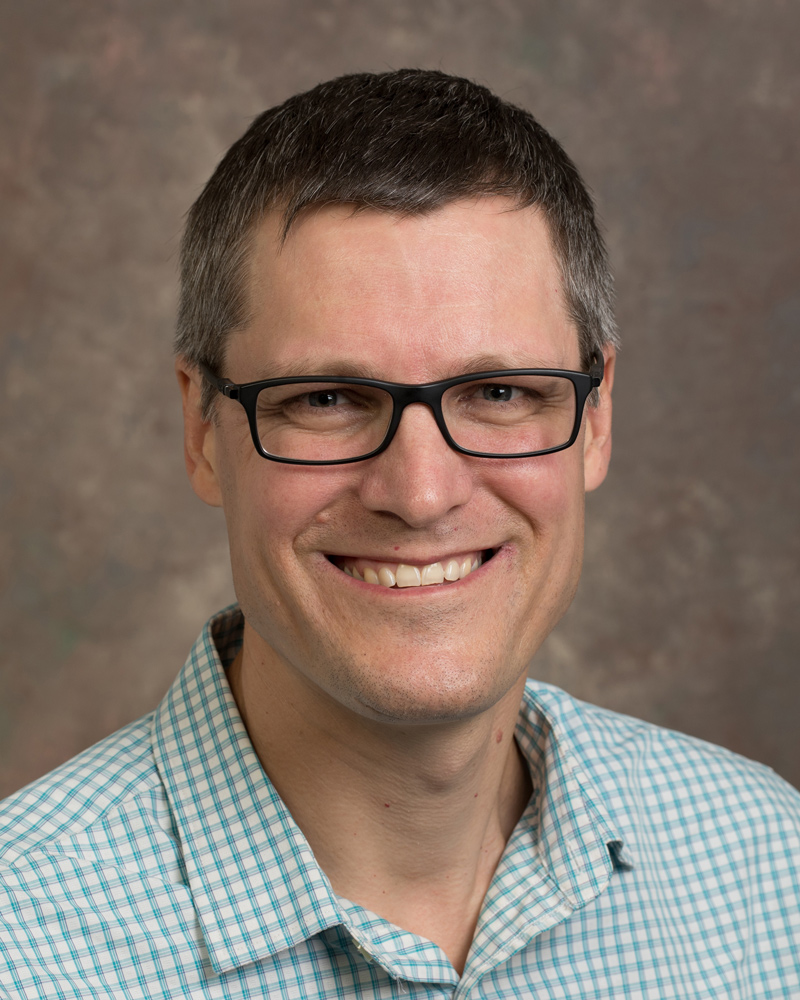
DR. PHILIP BARNES
Dr. Philip Barnes works with state and local governments to plan for and respond to climate change—particularly flooding and sea level rise. He is an assistant professor in the Biden School of Public Policy & Administration and a lead policy scientist with the Institute for Public Administration.Barnes collaborates with municipalities across Delaware to integrate climate adaptation into decision-making processes. His projects include supporting the City of Lewes in developing sea level rise resilience policies and working with municipalities to address climate risks in their comprehensive development plans.
More broadly, his research explores how planning systems, governance structures, and policy tools shape communities’ ability to adapt to changing environmental conditions. By bridging research and practice, Barnes helps local governments move from recognizing climate risks to embedding resilience into everyday planning decisions.
Looking for experts?
Experts at UD, including those affiliated with climate and sustainability, are available to respond to qualified inquiries from journalists, conference organizers and more.
Visit the link below and use the search bar to refine your search by name, expertise or affiliation. Each profile includes detailed biographical information, media files and a contact button.