



Category: School of Nursing
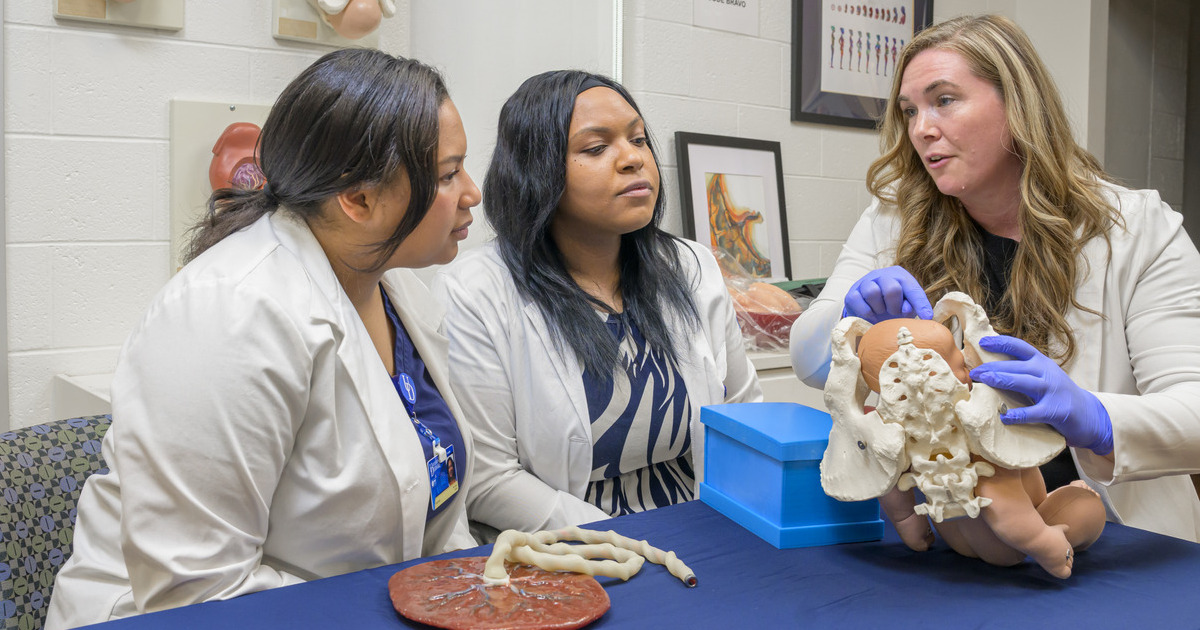
School of Nursing welcomes new faculty
August 24, 2026 Written by Amy Cherry | Photos by Kathy F. Atkison and courtesy
The School of Nursing (SON) welcomed several new faculty members for the 2026-27 school year. Learn more about them and what inspired them to pursue careers as nurse educators.
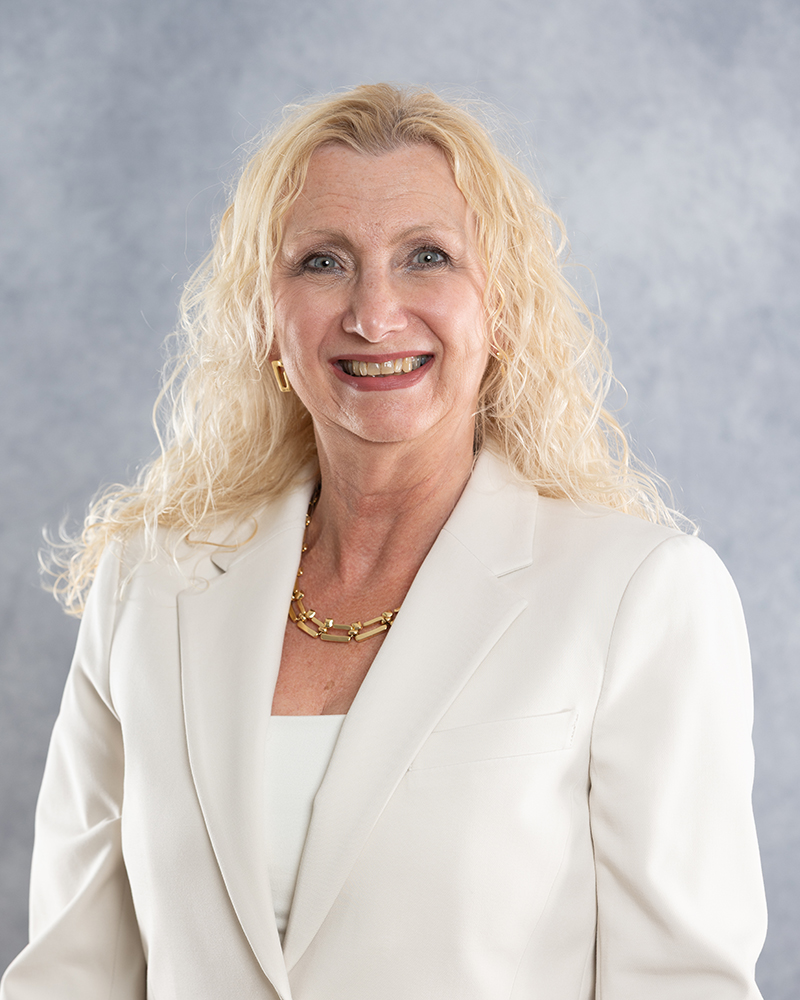
Brenda Douglass
Assistant Professor
What are you teaching this fall?
NURS 692 Primary Care Practicum 1, NURS 881 Advanced Population Health and NURS 873 DNP Project 1.
Where did you previously work?:
I came to UD from the Johns Hopkins University School of Nursing, where I was an assistant professor and associate director of the DNP-Advanced Practice program, Project Focus. Before that, I worked at Drexel University's College of Nursing and Health Professions as an associate clinical professor and DNP program director. Alongside my academic work, I practiced for two decades as a board-certified family nurse practitioner in primary care and specialty practice, most recently in endocrinology and metabolic disorders.
What inspired you to work in nursing?
Nursing was a calling, and it started young. I was the little girl who picked flowers for the neighbor who was sick, who looked after her grandparents, who noticed the child left out of the group. I had the instincts long before I had a word for them.
It took someone else to name it. A nursing supervisor hired me as a unit clerk and told me she thought I should be a nurse. Working alongside those units confirmed she was right, so I went to nursing school, and I came back to that emergency department as a registered nurse. I spent 18 years there, caring for patients across the lifespan and through trauma, in moments of illness, crisis, birth and death. You learn to think clearly when it counts, and clear thinking is what changes outcomes. That has never left me, and it is what I teach now.
I was able to thank that supervisor before she passed away. I have also had my mother, my husband, and my family believing in me at every stage of my career, which is its own kind of foundation. What I took from all of it is simple, and I hope my students take it too: believe in what you are capable of, set the goal and go after it.
What inspired you to transition from practice to academia?
Education was part of my work long before it was part of my title. As a nurse and then a nurse practitioner, some of the most valuable minutes of a visit were spent teaching: explaining a diagnosis, walking through a medication and showing someone what to watch for at home. I have always been curious and always wanted to know more, and teaching is what curiosity looks like when you hand it to someone else. Precepting students in clinic made the next step obvious. I started teaching while I was still practicing, and both have been integral to my career ever since.
What drew you to UD?:
UD's School of Nursing considers engagement with local communities one of its core values, and the College places real weight behind it. The Partnership for Healthy Communities builds trusted relationships with community organizations and state agencies that serve Delawareans facing the greatest health and social inequities. I have spent my career at the Jersey Shore caring for individuals in my own community, so that commitment resonates deeply. In Delaware, that work is unusually visible and interconnected. I was also drawn to a School of Nursing housed within a College of Health Sciences, where collaboration across disciplines happens naturally, and to a program with a clear commitment to preparing advanced practice nurses for the realities of contemporary healthcare.
What are you most looking forward to in your new position?
Preparing the next generation of the nursing workforce for a healthcare landscape that grows more complex every year. Nursing education is not about memorization. It is about critical thinking, diagnostic reasoning and management decisions that hold up in real practice. Whether the course is population health, a didactic or clinical practicum course, or a DNP project, the goal is the same: graduates who can think, adapt, and lead. My favorite moment in teaching is when a student stops searching for the right answer and starts reasoning toward it, and I look forward to many of those. I am equally looking forward to collaborating with colleagues here and to the shared work of supporting and growing the nursing leaders who come next.
Tell us about your research program and how it became your passion.
My scholarship sits at the intersection of advanced practice education and chronic disease management. The underlying question is always the same: how do we prepare advanced practice nurses to deliver evidence-based, patient-centered care to people living with complex chronic conditions? That work takes several forms: competency-based education, competency frameworks, and clinical reasoning pedagogy. One example is national work integrating Patient Priorities Care, an approach that begins by asking patients what matters most to them and aligning care accordingly, into nurse practitioner curricula.
It became a passion in clinic rather than in a library. Early in my nurse practitioner career, I worked in an innovative medical home model built for high-acuity patients with chronic conditions, most of them uncontrolled, and many of whom had gone years without access to care. What I saw was that patients were rarely overwhelmed by a lack of motivation. They were overwhelmed by care plans that made clinical sense and no practical sense in their actual lives. Everything I have worked on since has been some version of centering what matters most to the patient while improving health outcomes.
What is your proudest accomplishment?:
Watching people grow into something they were not sure they could become. I have precepted, mentored, and advised students and junior colleagues through transitions that were genuinely hard at the time, and years later some of them still write to tell me what it meant. I keep those notes.
A good deal of that comes back to how I teach. I believe in reflective practice, that we learn as much from examining an encounter afterward as we do from the encounter itself, and that a student who can honestly assess their own reasoning will keep getting better long after they leave my course. Curricula and programs are the vehicle. The people are the accomplishment, and they go on to care for thousands of patients I will never meet.
What do you hope your students learn from you, and what have you learned from them?
I hope they learn to think through ambiguity rather than around it. Excellent advanced practice care is not only about diagnosing correctly. It is listening to your patient, building trust, keeping care centered on what matters to them, recognizing when the system is the barrier, translating evidence into a life already facing competing demands, and speaking up when the structures are not working. I also hope they carry with them how much difference one clinician can make in a single person’s life. That is the privilege of this profession.
What I have learned from them is that the questions students ask are the best diagnostic tool I have for my own teaching. When a whole cohort stumbles in the same place, that is not a student problem; it is a curriculum problem. Two decades in, they still keep me curious, and that is a wonderful problem to have.
What do you like to do for fun?
The simple things are usually the best ones. I live at the Jersey Shore, and a sunset over the water still stops me every time. Long walks on the beach, bike rides, any excuse to be outside. I am happiest in the kitchen cooking and baking, and I will always say yes to dancing. Mostly, though, it is family. My husband, children, grandchildren, the people I love, and the time we spend together, whether that is around a table at home or together somewhere.
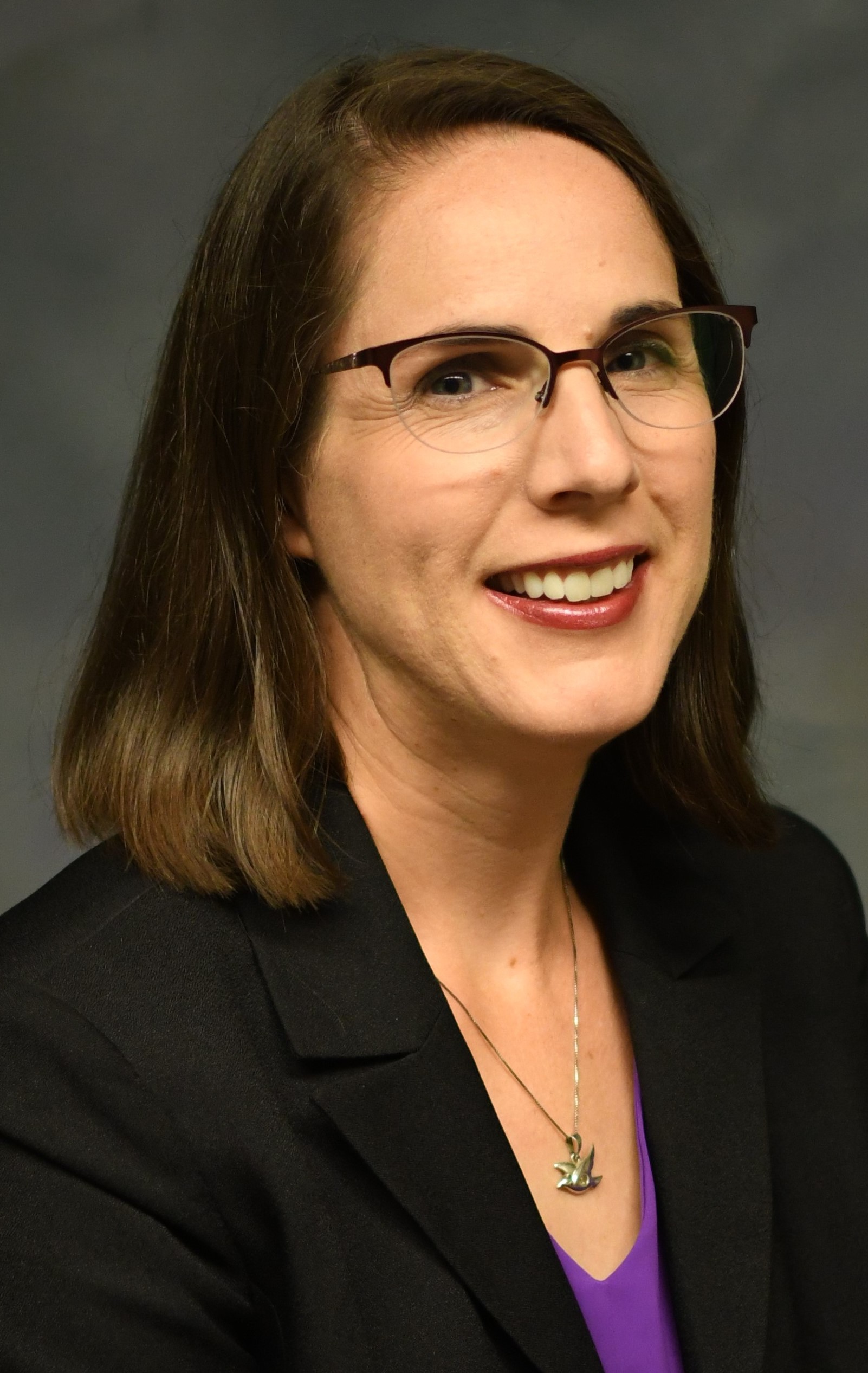
Ruth Myers
Assistant Professor
What are you teaching this fall?
NURS 362 Healthcare Research and Evidence-based Practice; NURS 692 Primary Care Practicum 1; and NURS/HLTH 813 Leadership and Innovation in Population Health
Where did you previously work?
Most recently, I served as the director of nursing and assistant professor at Bluffton University. I also worked one day a week as a palliative care nurse practitioner at Hospice of Northwest Ohio.
I began my nursing career in oncology, and have served as a registered nurse for 20 years and a board-certified family nurse practitioner for the past 13 years.
What inspired you to work in your chosen profession?
Nursing was an area where my gifts and the world’s needs intersected, so I followed in the footsteps of my grandmother and namesake to become a nurse.
What inspired you to transition from pratice into academia?
During the COVID-19 pandemic, I worked as a family nurse practitioner in a clinic and wanted to become better equipped to improve the broken healthcare system. Doors opened for me to earn my Doctor of Nursing Practice degree. During my doctoral studies at Indiana University, I gained experience teaching through the Emerging Scholars of Instruction program. My faculty mentors were phenomenal. The timing was right for me to transition into academia. I’m grateful for the opportunity to make an even greater impact improving the health of individuals, families and communities through teaching the next generation of nurses.
What drew you to UD?
I was drawn to the University of Delaware for both professional and personal reasons. First, the School of Nursing’s mission, vision and values align with my philosophy. I appreciate the University of Delaware’s commitment to advancing healthcare through education, scholarship and practice. Secondly, my family and I were relocating from northwest Ohio, so I was looking for a teaching position in a strong nursing program in an area where I would be close to my extended family in Pennsylvania.
What are you most looking forward to in your new position?
I am looking forward to collaborating with both faculty and students in our teaching and learning. I’m also excited to enjoy ice cream at the UDairy Creamery!
Tell us about your research program and how it became your passion.
My current area of scholarship interest is community-based advance care planning education. Increasing access to and awareness of advance care planning became a passion during my doctoral studies, when I completed a fellowship in end-of-life healthcare communication; this laid the groundwork for my Doctor of Nursing Practice scholarly project. Additionally, I'm interested in areas like nursing workforce wellbeing, social determinants of health and the intersection of healthcare and ministry.
What is your proudest accomplishment?
I’m extremely proud to be a mother of three lively school-aged children: Josie, 12, Henry, 10 and, Alice, 6, and I’m honored to raise them with my husband Luke and watch them grow up and leave their mark on the world. I’m also proud to have qualified and raced in the Boston Marathon in 2008.
What do you hope your students learn from you, and what have you learned from them?
I hope my students learn to be attentive to caring for the whole person – physically, emotionally and spiritually. Providing whole-person care can be one of our greatest contributions to society and the nursing profession.
Over the years, I continue to learn from my students that nurses can do anything!
What do you like to do for fun?
In my free time, I enjoy my family, running, the outdoors and playing viola as a freelance musician.
Jacquelin Sunkler
Assistant Professor
What are you teaching this fall?
Health Assessment and Clinical Practicum II simulation, Nursing Care of Adults II clinical
Where did you previously work?
Thomas Jefferson University
What inspired you to become a nurse educator?
I became a nurse educator because I am passionate about empowering future nurses with the knowledge and confidence needed to provide good patient care.
What inspired you to transition from the field/practice into academia?
Teaching allows me to extend my impact beyond the bedside by helping develop the next generation of compassionate, intelligent nurses. My first teaching position as an adjunct clinical instructor at UD helped me realize this. My passion, however, is teaching in the classroom.
What drew you to UD?
I went to UD for my undergrad 18 years ago. This institution has always felt like home to me—not only did I go to UD, but so did my husband, my mother, my father, my sister, my mother-in-law and my sister-in-law. Once a Blue Hen, always a Blue Hen!
What are you most looking forward to in your new position?
I am excited to have students for longer than one year; my previous position was with a one-year accelerated BSN program. I am also excited to be a lot closer to home!
Tell us about your research program and how it became your passion.
My most recent research was a quantitative experimental study with empathy training. I created empathy modules aligned with Peplau’s interpersonal relations theory, then had a control group and an experimental group complete a pretest and posttest empathy survey. The group with intervention improved empathy scores by a landslide! I am passionate about teaching empathy, and I am excited to branch out and conduct more research, perhaps in the neuro field since I worked in the Neuro ICU at Christiana for nine years. My passion in neuro is with aneurysmal subarachnoid hemorrhage patients and researching nurse-sensitive indicators to prevent cerebral vasospasm.
What is your proudest accomplishment?
Finishing my Ph.D. while raising a young family.
What do you hope your students learn from you, and what have you learned from them?
I hope my students learn that hard work pays off, but at the same time to always prioritize some time for yourself. I hope to teach them in fun, unique ways that foster knowledge retention. I have learned from students over the years the importance of resilience and lifelong learning. Also, my students have taught me that every learner brings unique experiences, perspectives and strengths, and that teaching is most effective when it's rooted in mutual respect.
What do you like to do for fun?
For fun, I like to do triathlons. I also like to spend time with my family, including my husband, two daughters, aged 8 and 5, and two dogs, and going to the beach in New Jersey.


