





Stop the summer slide
Photos by Kathy F. Atkinson July 20, 2026
College of Education and Human Development experts share activities and guidance for keeping children learning this summer
With relaxed schedules, trips to the swimming pool and long days spent outside, summer brings a welcome break from the harried pace of the school year. But it may also bring about the summer slide, or learning loss.
College of Education and Human Development (CEHD) faculty and staff members Roberta Michnick Golinkoff, Andrea Glowatz and Sara Goldstein are here to help. Together, they share advice for keeping preschoolers, school-age children and teens engaged as we approach the halfway point of summer.
What is the “summer slide?”
Golinkoff: Summer slide refers to the regression of skills that we often see in children during the summer months. School-age children may lose about a quarter of the learning gained during the school year. And children from under-resourced families experience a far more profound drop than those from middle class families who can afford to sign their children up for camps or other activities.
Do families need to send their children to camp or hire a summer tutor?
Golinkoff: Absolutely not! There are so many free, family-oriented activities that give kids rich opportunities to practice these skills. It’s tempting to sit your kid in front of an “educational” app, but it’s best to prioritize real-world stimulation and skill development. Puzzles, scavenger hunts outdoors and even trips to the supermarket are all great learning opportunities, especially for preschoolers. Hiring a responsible teen for a few kids can also make for great fun — especially if you plan out the group’s “agenda” together.
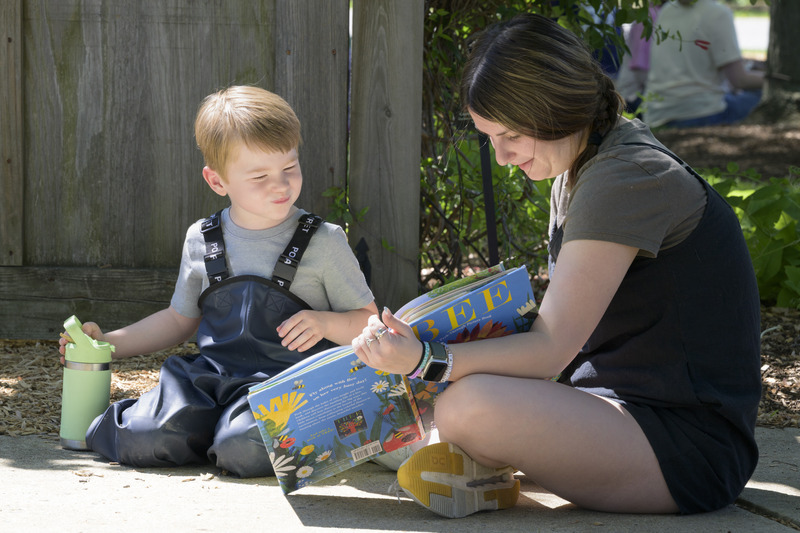
And read every day to your kids. Read aloud with funny voices, ask silly questions and make it a blast. Read to your elementary school children, too. Kids love it!
Fun is right! But what about mid-summer boredom, now that the novelty of the season has worn off? What’s the remedy for summer boredom?
Glowatz: Boredom is actually a good thing. Boredom strengthens creativity, problem solving, independence and self-awareness. It’s the space where imagination stretches its legs — but kids don’t see it that way. Taking a cue from my colleague Laurie Drumm, I encourage families to create a ‘boredom jar” and fill it with a range of activities — some fun, and some not so fun! The Drumm children soon turned to problem-solving and creativity after they picked "scrub the toilet” out of the jar.
That brings up a good question: How do you handle chores during the summertime?
Glowatz: Keep it up! We often talk about summer slide in terms of academic skills, but executive functioning — goal setting, planning and managing emotions — can also start to regress. To practice these skills, parents can have their children make their beds every day, plan to complete any required summer reading incrementally, keep a calendar and write postcards to friends or family members.
It sounds like you’re in favor of creating a summer routine for kids. Why?
Glowatz: I am! Summer is hopefully a time when children pack less into their days, but their days still need structure. Children with learning differences may also rely more heavily on predictability, structure and supportive relationships to help them navigate summertime. But this doesn’t mean that summer should feel like school in disguise. Neurodivergent children tend to thrive when their summers include a healthy balance of clarity, structure and joy.

What does a balanced summer routine for children look like?
Glowatz: Families might begin their day with morning chores and breakfast. Children could then spend time outside in the backyard or at the park, followed by art projects, reading or quiet activities at home in the afternoon. In the evenings, children can help their parents cook and clean up from dinner, and then families could come together for movie nights — which are one of my favorite things to do with my son.
Older adolescents and teens might already have routines in place with summer jobs as camp counselors or interns. Do we still see the “summer slide” among older children?
Goldstein: Teens are not immune to learning loss. For teens, the summer marks increases in screen time, sleep disruption and sedentary behavior. In addition to modeling healthy screen use, parents can help their teens apply for summer employment, participate in sports or other types of community activities and travel — if their budget allows. Spending time in nature is also a wonderful idea, such as a family trip to a national, state or local park to hike, climb or engage in water-based activities.
What if your teen just wants to stay home?
Goldstein: This can be a valuable learning opportunity, too. Parents can provide a safe space for their teens to relax at home with their friends. This is a wonderful way to pass time, and in many ways, adolescents are still learning during this time — they’re just learning about social behavior and non-academic activities or interests, rather than math or science.
How can parents “make the most” of the rest of the summer before their teen leaves for college?
Goldstein: Parents can encourage gradual transitions in autonomous, “adulting” behavior. For example, parents should teach their teens how to manage their own money and offer tips about healthy eating, substance use and safe romantic behavior. But most importantly, they should use the summer to build positive relationships. Research from my lab shows that positive parent-youth relationships through emerging adulthood are associated with well-being for both youth and parents. Parents can plan more activities that their teen enjoys — like going to the pool or to the movies — and use the college planning process as a way to spend time together. Shop together, make a diagram of their dorm room or take a daytrip to the college campus.
Contact Us
Have a UDaily story idea?
Contact us at ocm@udel.edu
Members of the press
Contact us at mediarelations@udel.edu or visit the Media Relations website