




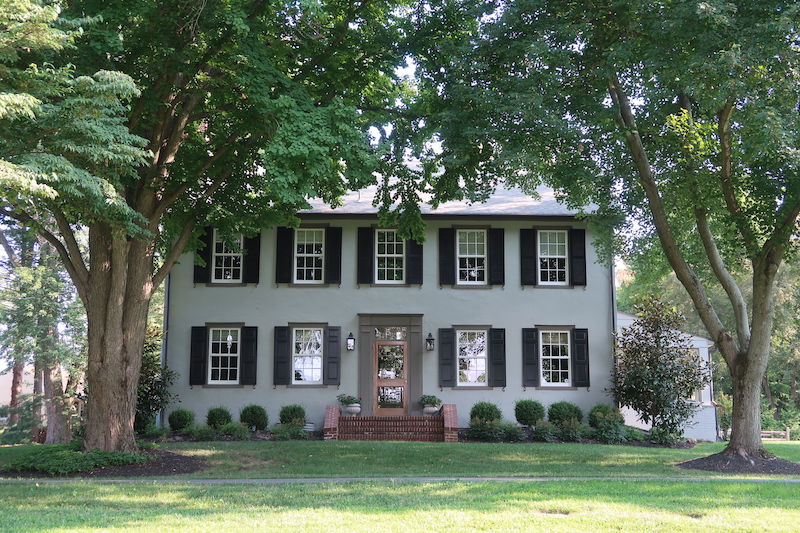
A landmark home
Photos courtesy of UD’s Center for Historic Architecture and Design January 08, 2026
A multi-year research effort brings historic recognition to Delaware residence with presidential connection
It can be a hard job, watching history fade.
“A lot of what we do is document houses before they’re torn down,” said Catherine Morrissey, interim director for the University of Delaware’s Center for Historic Architecture and Design (CHAD).
Last year, the Center celebrated a rare opposite — what Morrissey calls “a real feel-good moment in preservation” — when a Newark, Delaware, home was added to the National Register of Historic Places following years of research and statewide collaboration.
This wasn’t just any home. The Mitchell-Biden home offers a layered look at 19th century Delaware through the lens of the state’s most famous resident.
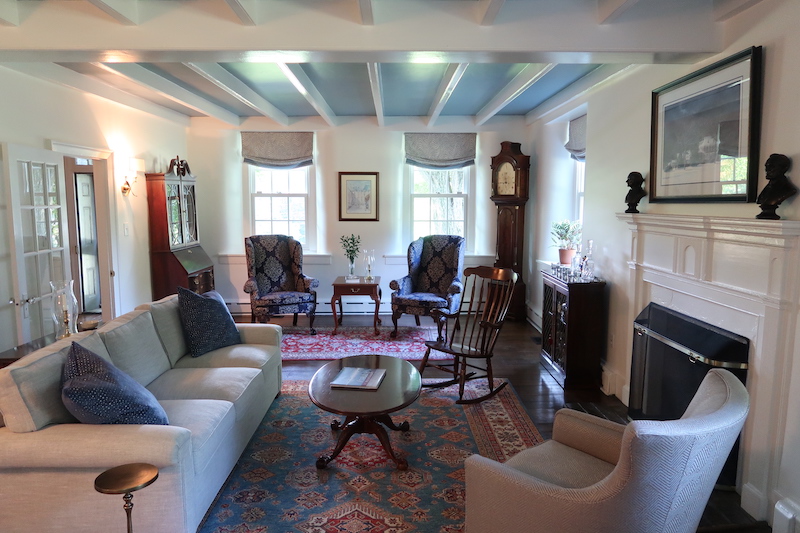
As Joe Biden’s home during the earliest years of his political career, the stone building marks the four-year chapter when his Senate journey began and where a tragic car crash nearby claimed the lives of his wife and infant daughter.
“We’re not talking politics or policy,” Morrissey said of the nomination process. “Our justification was that the house represented a brief but consequential period, for better and worse.”
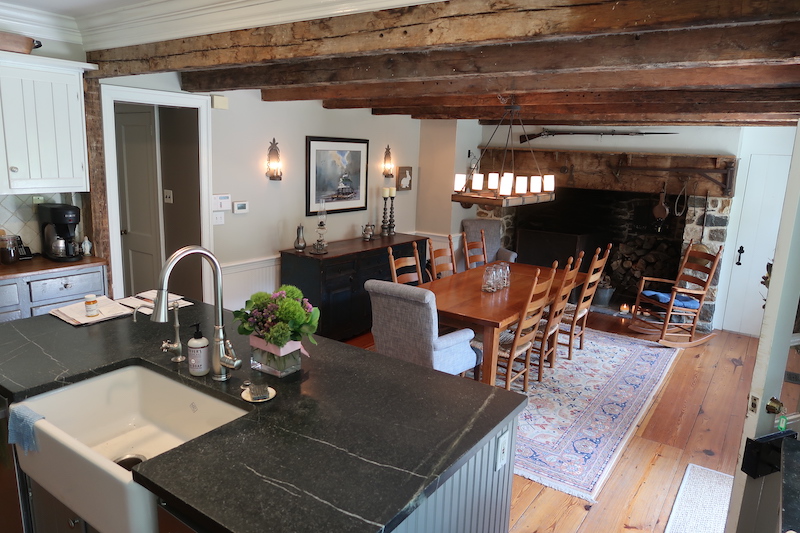
But the home’s importance stretches back long before Biden. Originally purchased in 1823 by a man named Joseph Mitchell, the property reflects the agricultural tenancy system common in New Castle County, where landowners built or acquired farms and installed family members or tenants to work them. Mitchell followed this pattern for his sons, establishing familial tenancy and creating generational wealth at a time when land access was shrinking.
“There are similarities to home ownership today,” Morrissey said, citing early 1800s economic uncertainty, population growth and rental rates approaching 90%. “It becomes much harder to access things than it was just a generation before.”
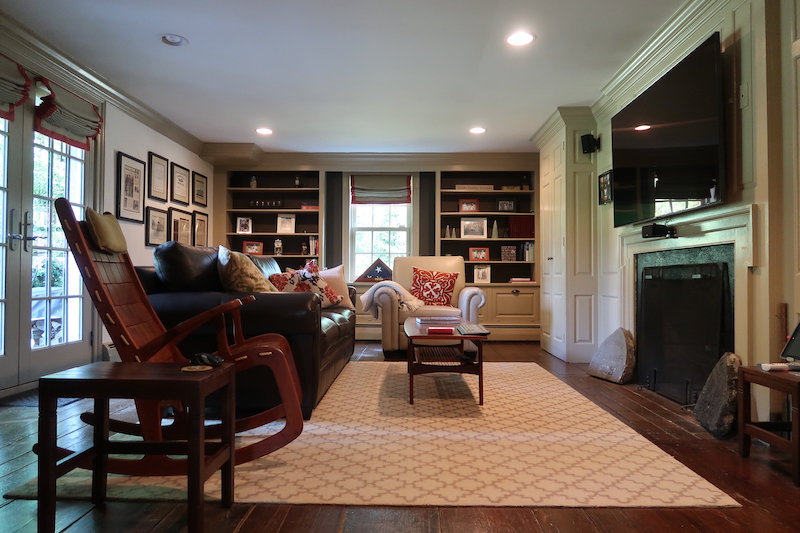
When Biden purchased the house almost 150 years later, he hired the late restoration carpenter Robert Mitchell (no relation to the original owners) to install a library. Mitchell’s craftsmanship blended reclaimed materials like brick, heavy timber and barn boards to create a space that felt both historic and contemporary.
“He was so good, it was frustrating,” Morrissey joked. “He had such a strong reputation that he never needed to advertise.”
Mitchell’s involvement was one thread that led UD researchers back to the house. In 2021, CHAD, supported by New Castle County’s Department of Land Use and the Delaware Division of Historical and Cultural Affairs, began formally evaluating the property for the National Register. The multi-year process included archival research, fieldwork and interviews with the current owners. A highlight, Morrissey said, was a Zoom conversation with Valerie Biden Owens, who shared family memories from her brother’s first Senate campaign.
“The National Register program always feels rewarding,” added Morrissey. “It honors the stewards doing the hard work of maintaining the property. Their efforts are just as valuable as our own.”

Each year, CHAD leads historic nominations and has researched and documented thousands of buildings and structures. Students play a hands-on role, assisting with photography, documentation and field research.
Now in its 41st year, CHAD continues to prioritize underrepresented sites across Delaware — from post-World War II neighborhoods that welcomed Black residents before the Fair Housing Act to a current National Register nomination for the Jewish Community Center Garden on Concord Pike, which would be the first listing recognizing Jewish history in the state.
“We’re a mix of public and academic historians who love telling history through places,” said Morrissey. “Delaware’s architecture is rich. We have so many stories to tell.”
About the Center for Historic Architecture and Design
The Center for Historic Architecture and Design (CHAD) helps communities preserve their heritage in the face of rapid development and change. CHAD ensures that preservation and historic resources are part of planning and policy development and local, state, national and international levels. The center excels at research and documentation of historic properties and traditional technologies, National Register nominations and cultural resource surveys that contribute to the creation of historic districts, heritage tourism and similar efforts.
Contact Us
Have a UDaily story idea?
Contact us at ocm@udel.edu
Members of the press
Contact us at mediarelations@udel.edu or visit the Media Relations website