





Holiday Support for Loved Ones
Illustration by Jeffrey C. Chase / Photos by Maria Errico and courtesy of Raphael Travis. December 12, 2025
UD faculty share guidance for supporting family members with substance use disorders this holiday season
One of the hallmarks of the holidays is gathering with family, often for special meals with festive foods and drinks. But these traditions can be challenging for those struggling with substance use, especially if they plan to attend celebrations that involve alcohol or have previously used substances to cope with difficult family relationships.
Valerie Earnshaw and Raphael Travis, professors who study health and wellbeing in University of Delaware’s College of Education and Human Development (CEHD), offer support for those individuals and their families this holiday season. Drawing from their research and clinical practice, they discuss some of the challenges of the season and ways to support loved ones.
Navigating holiday events and expectations

“People who are actively struggling with substance use disorder symptoms or who are newly in recovery—that is, within about the first year of recovery—may have a more difficult time with holiday events that involve substance use,” said Earnshaw, who studies stigma associated with substance use disorders. “This might include wine at Hanukkah, mimosas on Christmas morning or champagne on New Year’s Eve.”
Travis also notes that reuniting with family members can be stressful for a number of reasons. Individuals may turn to substances to cope with difficult family relationships, grief or other mental health challenges like depression or anxiety.
“Gathering with family is an enormous trigger for people who have lost dearly loved family members, and the memories, places and things that serve as reminders of those people can instigate unhealthy substance use as a form of coping,” said Travis, who serves as the faculty director of CEHD’s master of social work (MSW) program. “The holidays may also remind people of historically unpleasant family experiences due to financial strain, other difficult stressors or even trauma. This, too, can be a substantial trigger for unhealthy coping.”
Returning to one’s hometown during the holidays—especially if an individual has since started their journey to recovery—can also be difficult to navigate.
“Returning home can be a challenge for people who may have turned over a new leaf and may not engage in the same types of substance use behaviors that they did prior to leaving their hometown,” Travis said. “They may feel pressure to be the same person or a need to live up to a certain expectation so that friends don’t feel ‘they have changed’ or are ‘better than them.’”
Supporting loved ones
Earnshaw and Travis emphasize that there are many ways for individuals with substance use disorders and their families to prepare for these holiday challenges. For those struggling or in recovery, Travis suggests practicing difficult conversations with family and friends, especially if they pressure you to use substances.
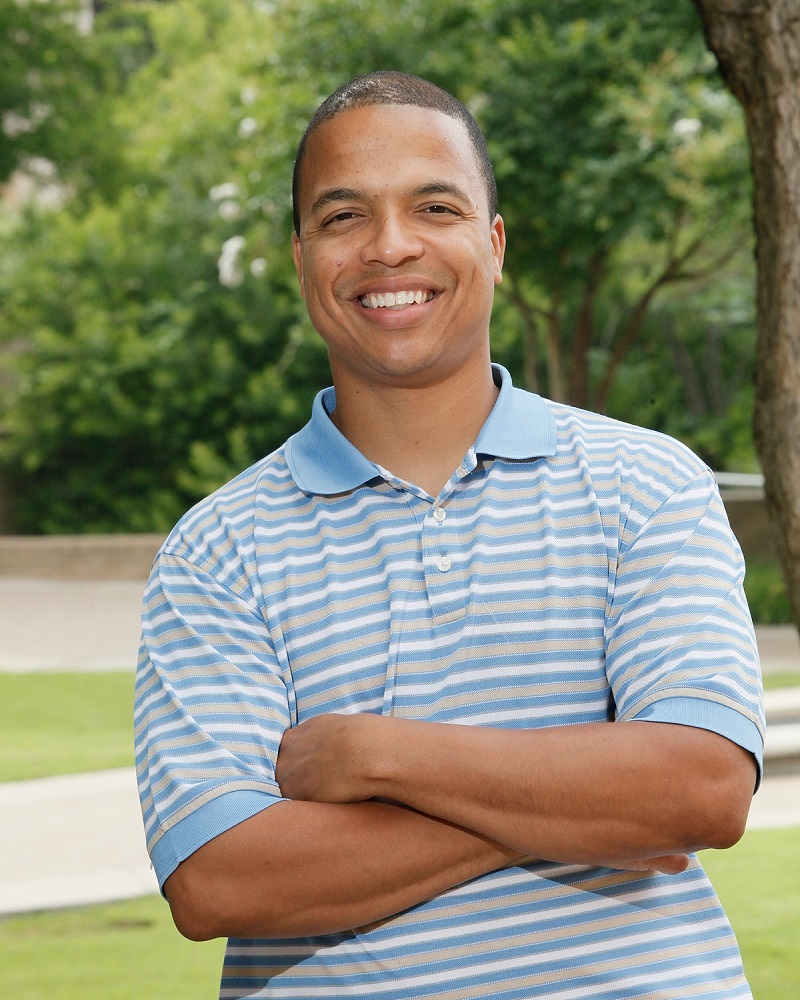
“Actually rehearsing how you will respond when challenged on healthy behaviors can be very helpful,” Travis said. “Acting on the spot during highly stressful and emotional experiences can be enormously difficult in those moments, so you don’t want to leave it up to just making good choices. Be prepared, and also be confident about your reasons for wanting to make healthier choices.”
Earnshaw encourages family members to reach out to their loved ones, asking what they may need or prefer during holiday activities. Family members can make an event more comfortable with small adjustments to the menu or help their loved ones access resources during the holiday season.
“In our research, we’ve seen lovely examples of family members simply asking the individual struggling with substance use or in recovery what they need,” Earnshaw said. “This is a great place to start because everyone’s needs are different.”
“Support might look like replacing cocktails with mocktails for the whole family,” Earnshaw said. “Families might also think about scheduling events earlier or later so that their loved one can make it to an AA meeting, connect with their sponsor or pick up their medications. And families can talk with their loved ones about creating an exit plan in case they have a difficult time at a holiday event.”
In addition to resources like Alcoholics Anonymous (AA) and other social services, Earnshaw also encourages families to explore aTAcK addiction, a Delaware organization dedicated to supporting individuals and families impacted by substance use disorder.
“They have resources for people actively engaged in substance use (like harm reduction resources including Narcan kits), people in recovery from substance use disorder (like recovery housing) and families who have lost loved ones to overdose (like support group meetings),” Earnshaw said. “Their annual E-Racing the Stigma 5K, scheduled for March 7, 2026, has become a powerful community event for individuals and families impacted by addiction.”
Healing with music
As a researcher who studies the benefits of arts engagement, Travis also reminds individuals struggling with substance use and their families that music can be a powerful way to forge a new or different identity, cope with difficult emotions or manage stress and anxiety.
“Creative arts experiences can help directly and immediately with emotional regulation and expressivity, which can be very empowering during stressful and anxious times,” Travis said. “This can occur through more commonly known things like playing relaxing music, listening to your favorite playlist during exercise or somewhat lesser known strategies like lyric writing, beat-making and other forms of digital music creation.”
Free resources like Bandlab can help individuals and their families explore some of these forms of expression—especially if they are growing weary of holiday music.
To learn more about CEHD research in family policy and services or the social determinants of health, visit its research webpage. To learn more about the MSW program, visit the program webpage.
Contact Us
Have a UDaily story idea?
Contact us at ocm@udel.edu
Members of the press
Contact us at mediarelations@udel.edu or visit the Media Relations website