



Spring 2026 Newsletter
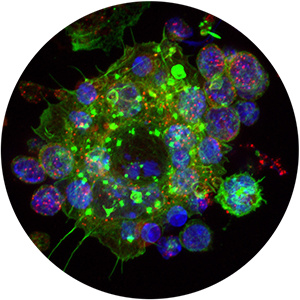
Spring 2026 Newsletter
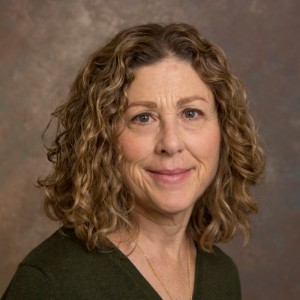
Greetings from the Department of Biological Sciences at University of Delaware!
As chair, I am pleased to share highlights from a year of accomplishments in teaching, research and outreach. Our faculty and students pursue a wide range of research across the life sciences. Interests include microbiology, cell and molecular biology, developmental biology and neuroscience—advancing our understanding of human health and disease.
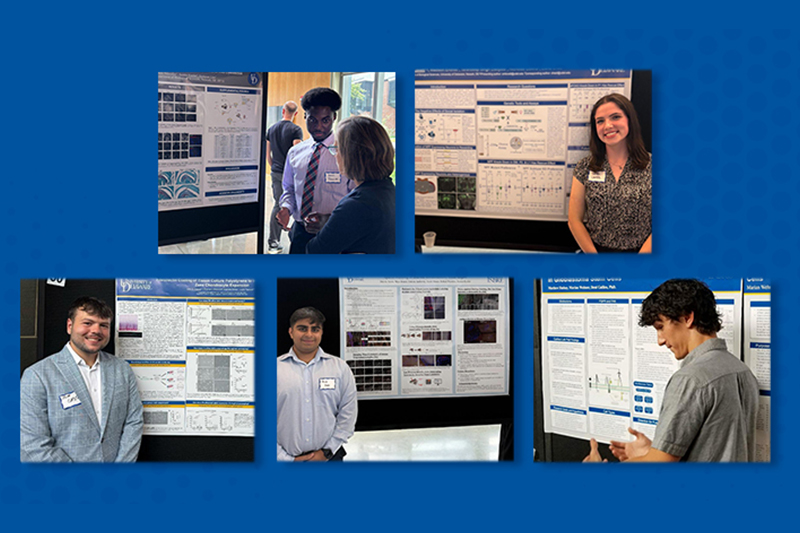
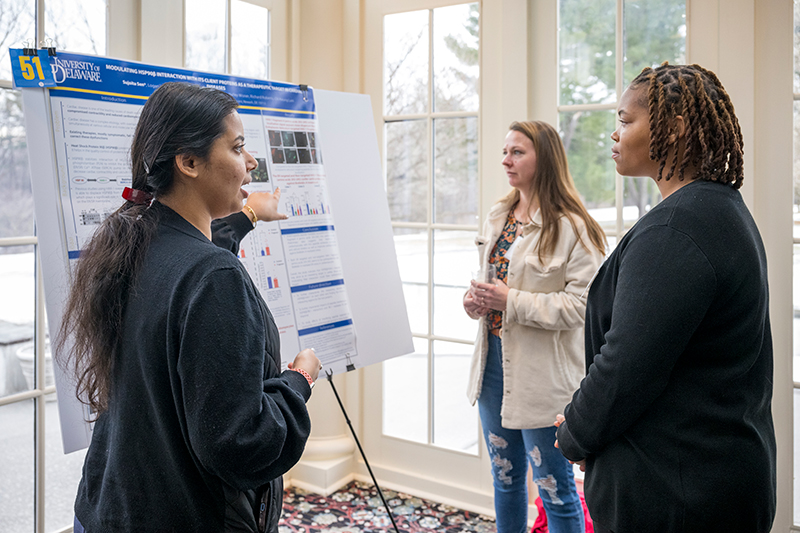
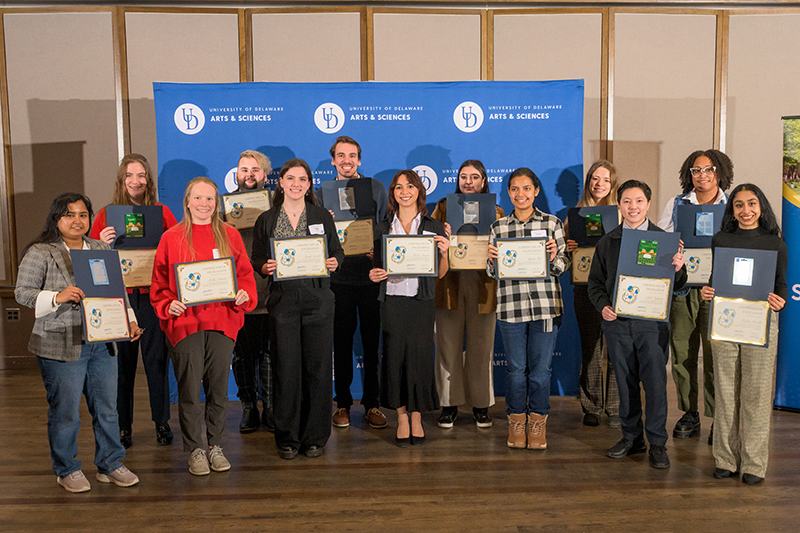
The year began with our annual “Biology Research Day” in January, when graduate and undergraduate students presented their exciting research findings. In the past year, faculty and trainees authored numerous scientific publications presented their work in regional, national and international conferences.
Several faculty members secured major research funding. The department launched new courses, masters and study abroad programs, and expanded research opportunities for undergraduate students. Faculty and students won acclaim for their teaching and scholarship.
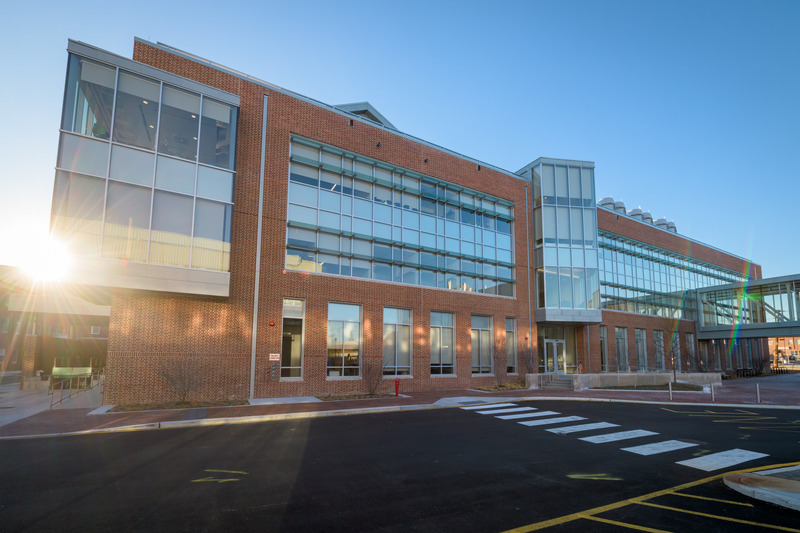
In summer 2025, the department moved into a brand-new building (Building X), featuring state-of-the-art facilities for research and teaching.
Below, please find more news about these achievements. As always, we deeply appreciate your support—it is a truly exciting time to pursue biology at UD.
Velia M. Fowler
Professor and Chair, Department of Biological Sciences
Feature Story
UD Biological Sciences faculty secure millions in new research funding
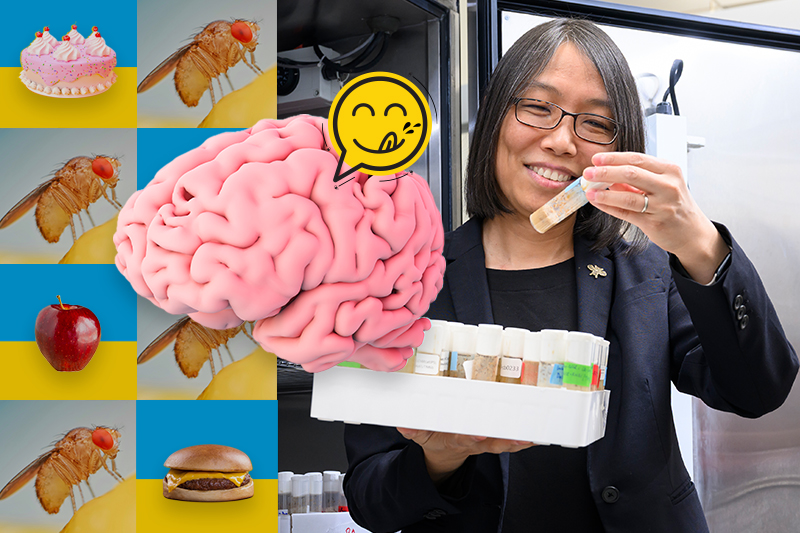
How does the eye let you read this sentence? How do brain cells interpret sensations like taste—or trigger a yawn when you’re tired? What protects the heart from failure, and how are the molecules that power our cells regulated? Biological Sciences researchers are exploring these fundamental questions to better understand human health and disease.
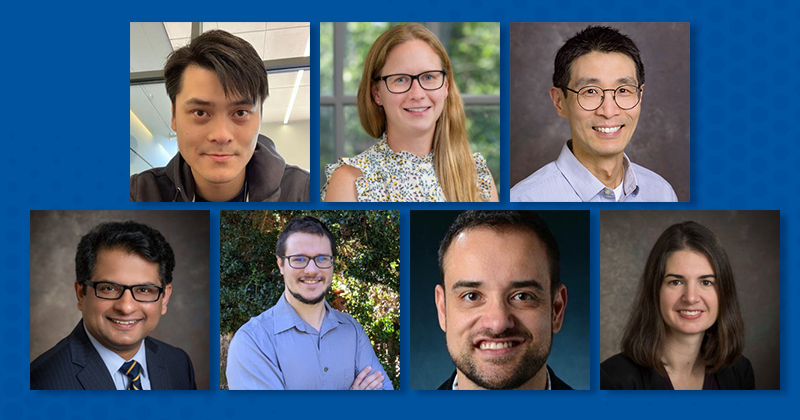
Unlocking the mysteries of human health and disease
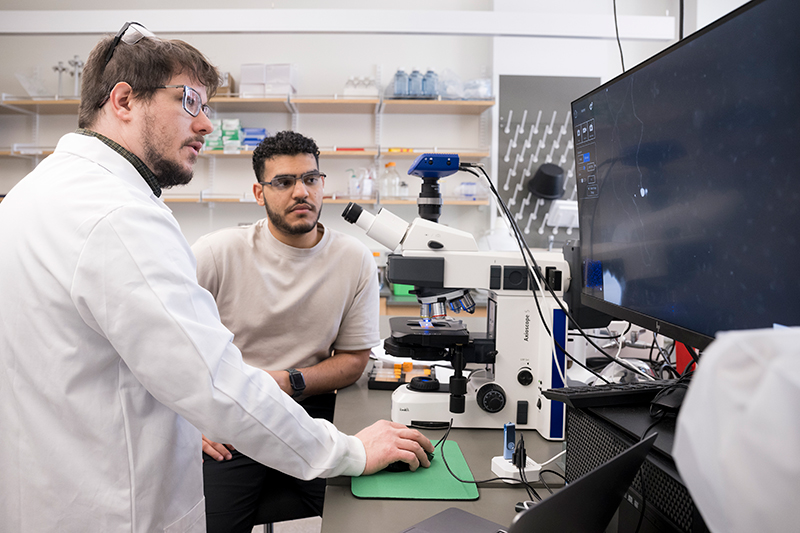
UD biologists are advancing discoveries that deepen our understanding of human health and disease. From the biology of pain and jaw disorders to bacterial proteins and the neural circuits that shape food preferences, faculty are earning major research support and publishing new findings that push the frontiers of science.
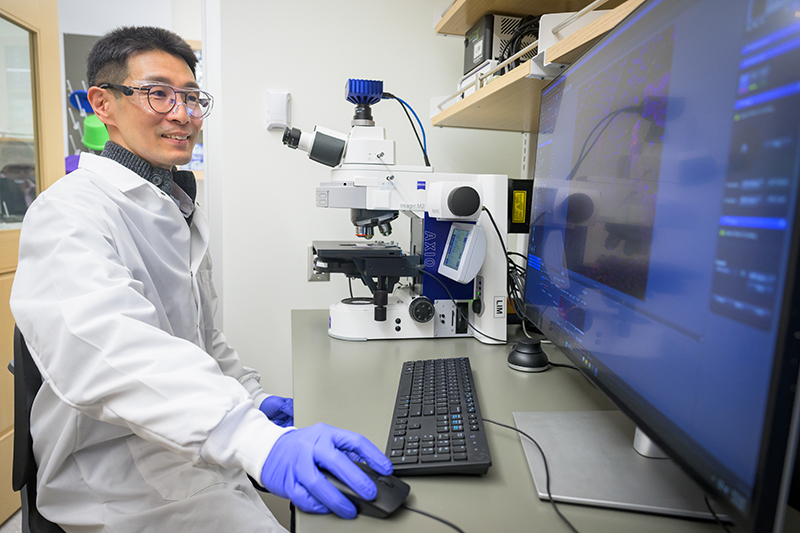

Forging new opportunities
Our 761 majors and 125 minors are exploring new opportunities on and off campus.
36 majors headed out to study abroad during Winter Session in January, with 19 students in programs led by department faculty.
Approximately 30 students continue to serve as peer mentors, and 25 as teaching assistants.
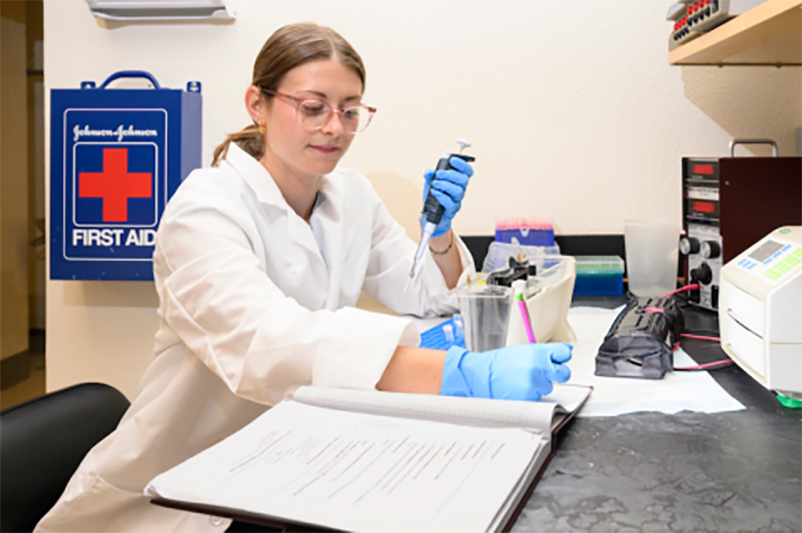
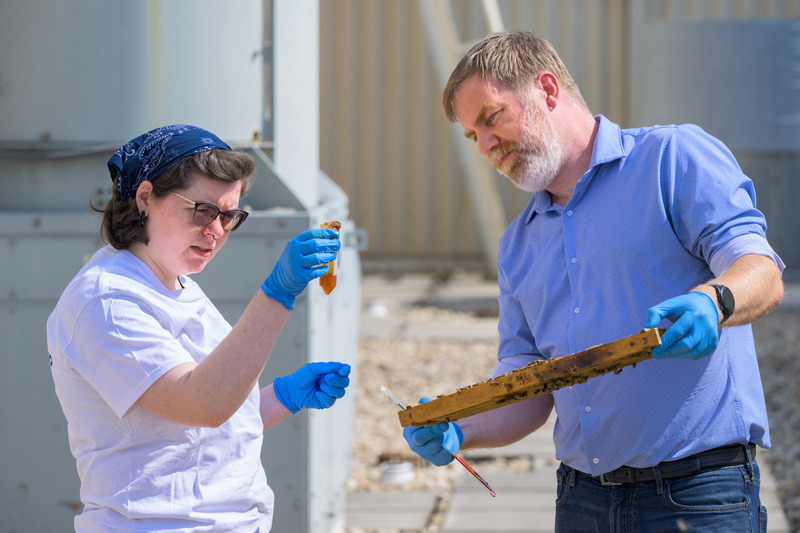
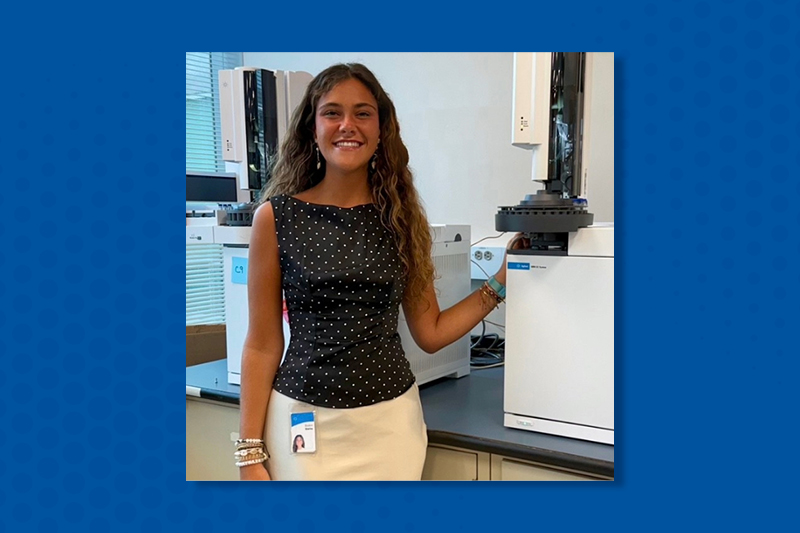
Many participate in research projects in a wide variety of locations including senior theses.


Continuing our academic excellence
The UD Biological Sciences graduate program has earned national and international recognition for years, attracting a high volume of master’s and doctoral applications from around the world. This success reflects our strong track record of consistently training highly accomplished graduate scholars. This year alone, seven M.S. students and nine Ph.D. students successfully defended their theses and dissertations.

Welcoming back our alumni
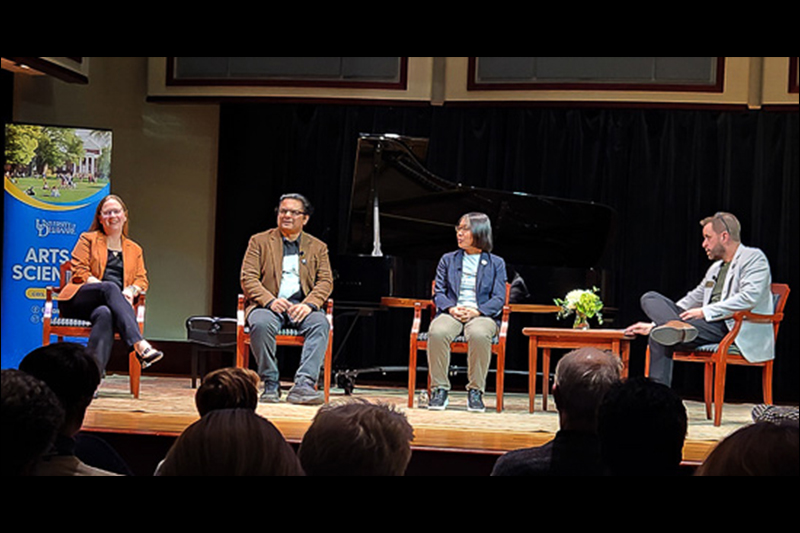
We welcomed back Mike Karch, a 1991 graduate, who spoke to our Tri-Beta group and participated in a robotics panel discussion. Multiple alumni, both BISC majors and non-BISC, have been tapped for guest lectures and career panels for our undergraduates and graduate students.
We are always looking to include alumni in our student experience — If you're interested, email bio-questions@udel.edu.
For Biological Sciences Alumni
We are always looking to include alumni to enhance our student experience. Share your news by sending us a short update for the next newsletter. Also learn more about opportunities to get involved, such as guest lectures and career panels. Email us at bio-questions@udel.edu.
Support Us
Thank you for being part of UD’s Biological Sciences community. Your support makes it possible for us to support student travel, recognize student achievement and expand research opportunities. Together, we are enriching academic journeys and preparing the next generation of biologists, researchers and educators.


