


Category: Psychological and Brain Sciences
A Decade of Discovery
November 05, 2026 Written by J-P Laurenceau | Photo courtesy of the UD Center for Biomedical and Brain Imaging
Center for Biomedical and Brain Imaging celebrates 10 years
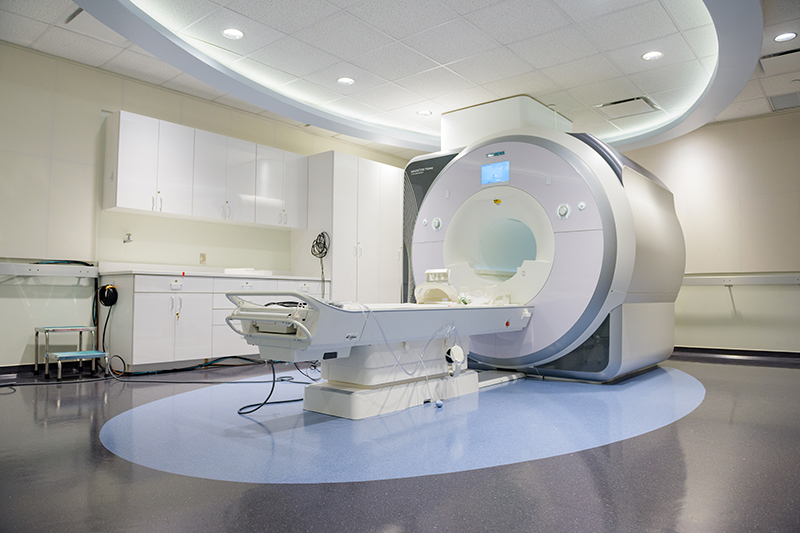
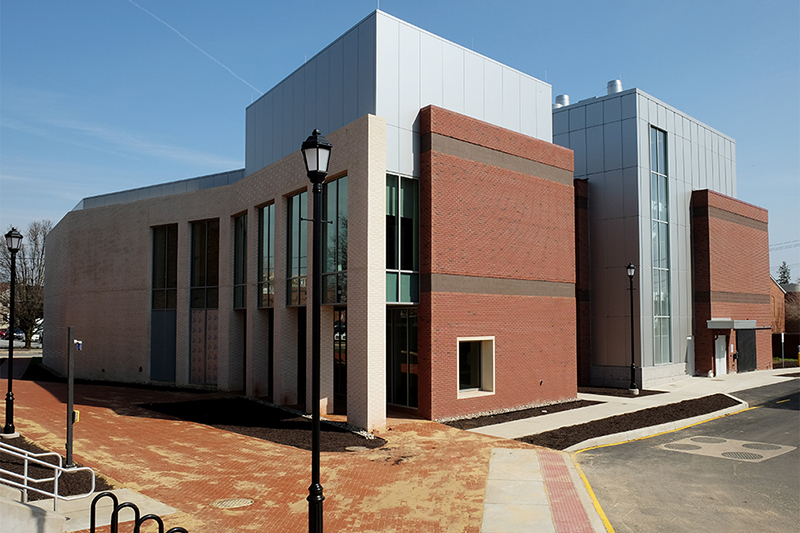
Ten years ago, the opening of the Center for Biomedical and Brain Imaging (CBBI) marked a major turning point for neuroscience research at the University of Delaware. Bringing the state’s first research-dedicated fMRI scanner to campus was a huge lift, championed from the start by Robert Simons, former chair of the Department of Psychological and Brain Sciences, whose vision and sustained advocacy were essential in bringing the center to fruition.
In the decade since, the CBBI has served as a powerful engine for discovery, advancing our understanding of cognitive processes, human development, psychopathology and brain health. It has also acted as a vital collaborative bridge across campus, connecting researchers in psychological and brain sciences with colleagues in engineering, health sciences and beyond.
This decade of impact was built on a strong foundation of leadership, beginning with inaugural director James Hoffman, professor emeritus of psychological and brain sciences, followed by Keith Schneider, professor of psychological and brain sciences. Now, as the center marks its 10-year milestone, it enters an exciting new chapter under the leadership of Curtis Johnson as CBBI director. The momentum continues to build this winter as a new, state-of-the-art scanner comes online, expanding our capacity for groundbreaking neuroimaging for years to come.
To commemorate this landmark achievement, the department will join CBBI leadership for a special gathering this December, bringing together colleagues, long-time champions and researchers who helped shape the center's history.
Whether you were around for the initial efforts to get CBBI off the ground back in 2016 or have benefitted from the research generated since, we hope you will join us in celebrating this milestone. Here’s to 10 years of impact—and to the next decade of discovery.