


Category: Languages, Literatures and Cultures

Spanish Teacher's Program: What I Gained as a Prospective Math Teacher in Cáceres
August 20, 2026 Written by Rebecca Crump, DLLC Student Ambassador | Photos courtesy of Rebecca Crump
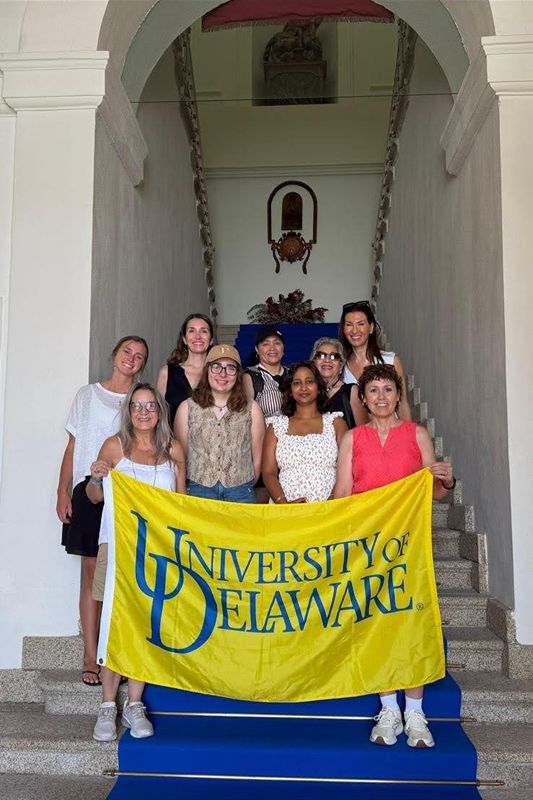
In Spanish, the adjective único changes meaning depending on whether it appears before or after a noun. I experienced one of those meanings firsthand as the only undergraduate student and the only future math teacher in this year’s program. A change of position, simply put, can yield a change of meaning. I spent two weeks in Cáceres, Spain, alongside dedicated Spanish educators, learning how to teach Spanish culture through guest lectures, school visits and daily life with an incredible host mother who kept both my heart and belly full.
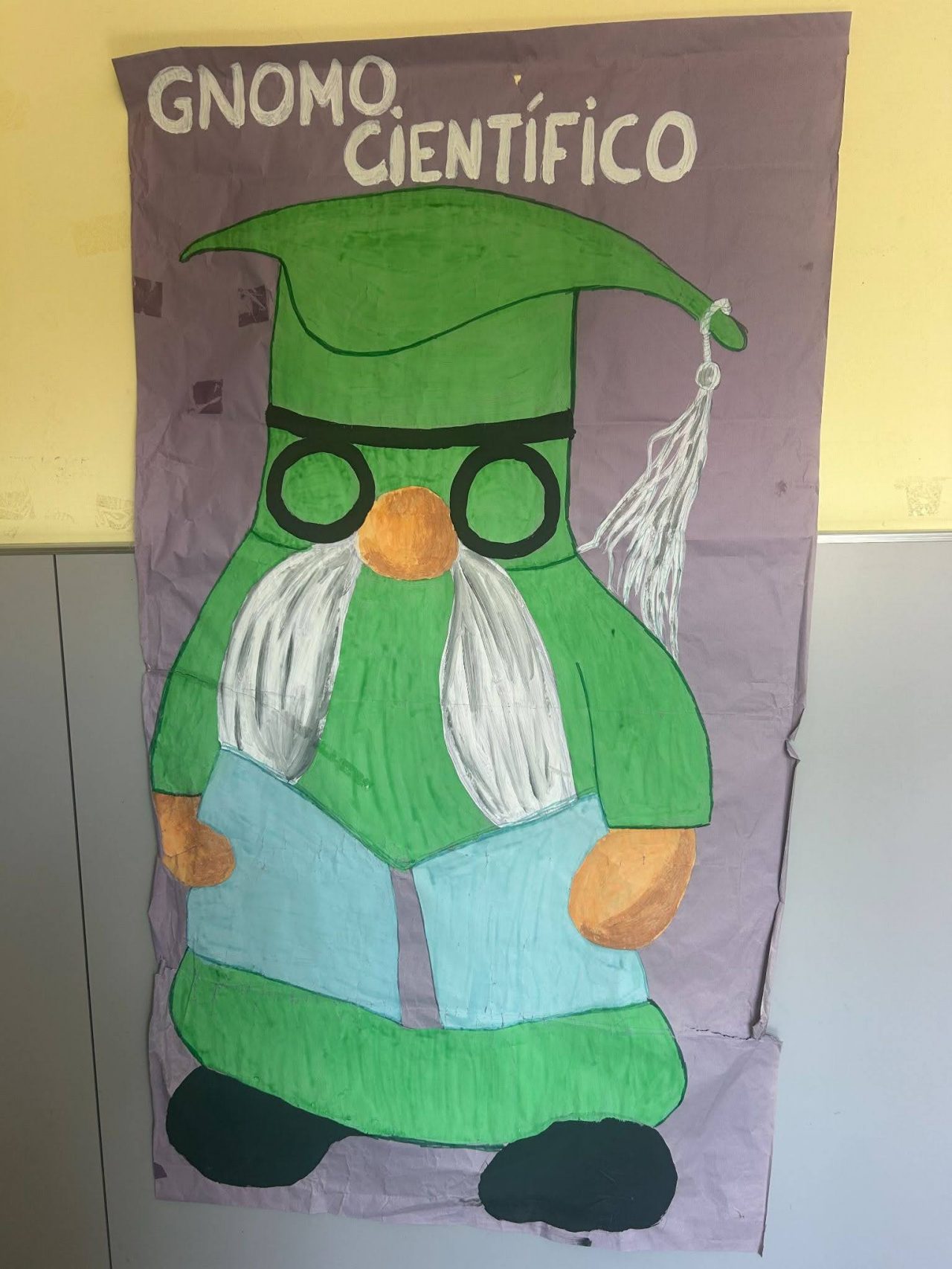
Our program began on the last day of school at two local primary schools. At Colegio de Prácticas, we watched a class performance—a song and dance—alongside students’ parents and guardians. We then joined teachers for a broad presentation about the school, including schoolwide initiatives, future plans and special education programs. We toured a dedicated classroom for students with autism and a multisensory classroom. As I walked the hallways, I photographed bulletin boards that stood out to me, drawn to the kinds of messages that would have resonated with me as a child. One, naturally, featured a scientific gnome.
After a taxi ride to Colegio Dulce Chacón, we were welcomed with a presentation about Cáceres from students in an English class. The three students radiated anticipation and understandable nervousness, but as a language learner myself, I found it meaningful to watch them push through the discomfort of speaking a new language at such a young age. Later, other students gave oral presentations about their research on Delaware, leading to an informative Q&A about what everyday life is like in our state.
Throughout the program, guest lectures covered topics ranging from children’s literature and bullfighting to Picasso’s “El Guernica” and local music. Our excursions and conversations took us to a local English club and even introduced us to a member of Cáceres’ local government. Just as important were our homestays: a crate of cherries in the fridge, the stillness of siesta time, Telemundo’s World Cup coverage and my ever-eager host mother gave my roommate and me an invaluable glimpse into everyday life in Spain.
Together, these experiences gave me what I needed to teach an often underappreciated part of language learning: culture. Culture offers an analysis of humanity and a context that can introduce words or deepen their meaning. Language content and culture, I came to see, can work together to create a more meaningful experience for students.
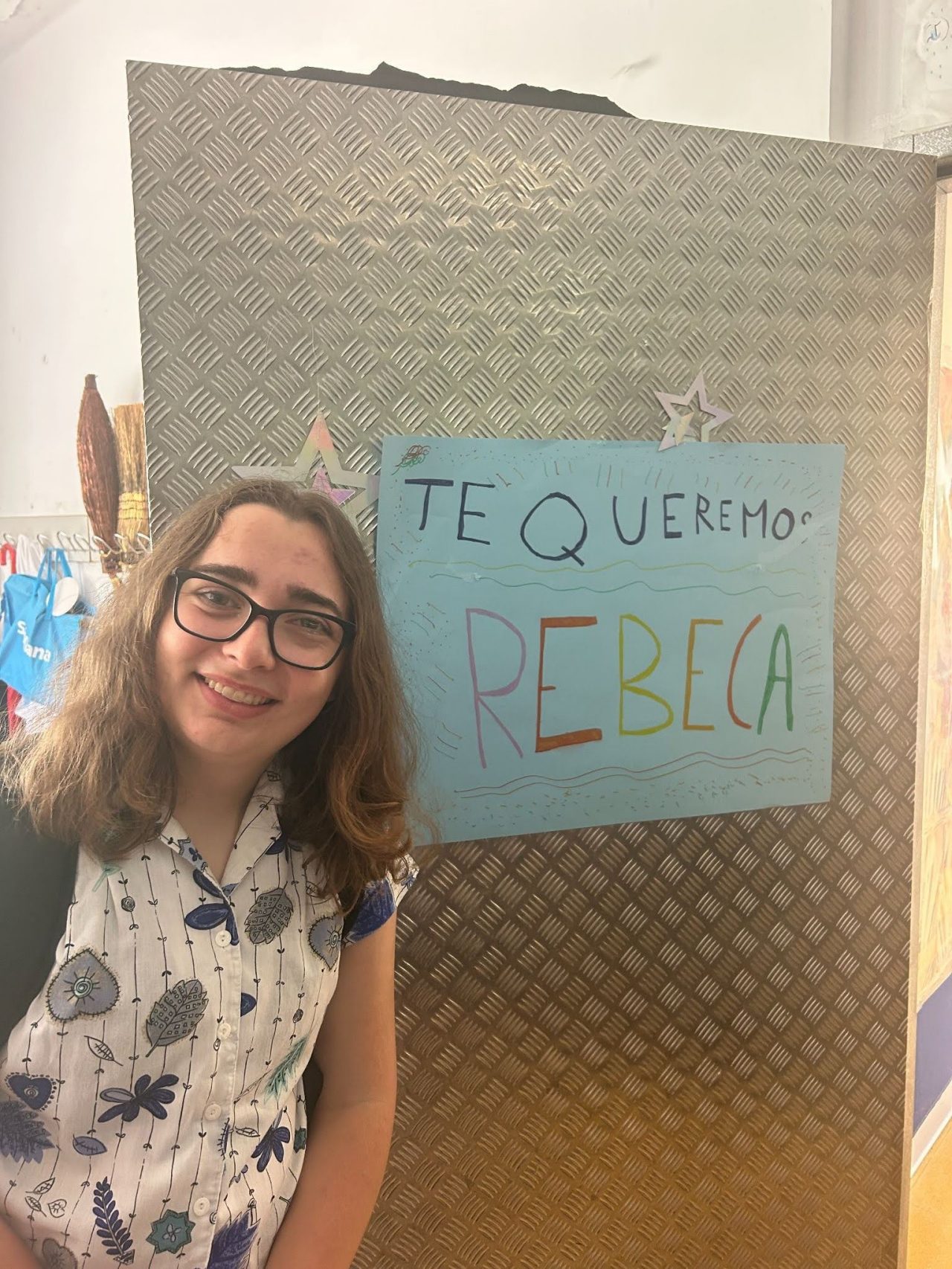
I left Cáceres with a deeper understanding of Spanish culture and pedagogy and new context for my own pursuit of fluency. I met the learning objectives of the courses I completed, but I also returned feeling changed and, admittedly, a little wistful that I could never experience those moments for the first time again. Yet that is only part of the story. I still had to consider the meaning of único after the noun: what made these two weeks in Cáceres unique to me.
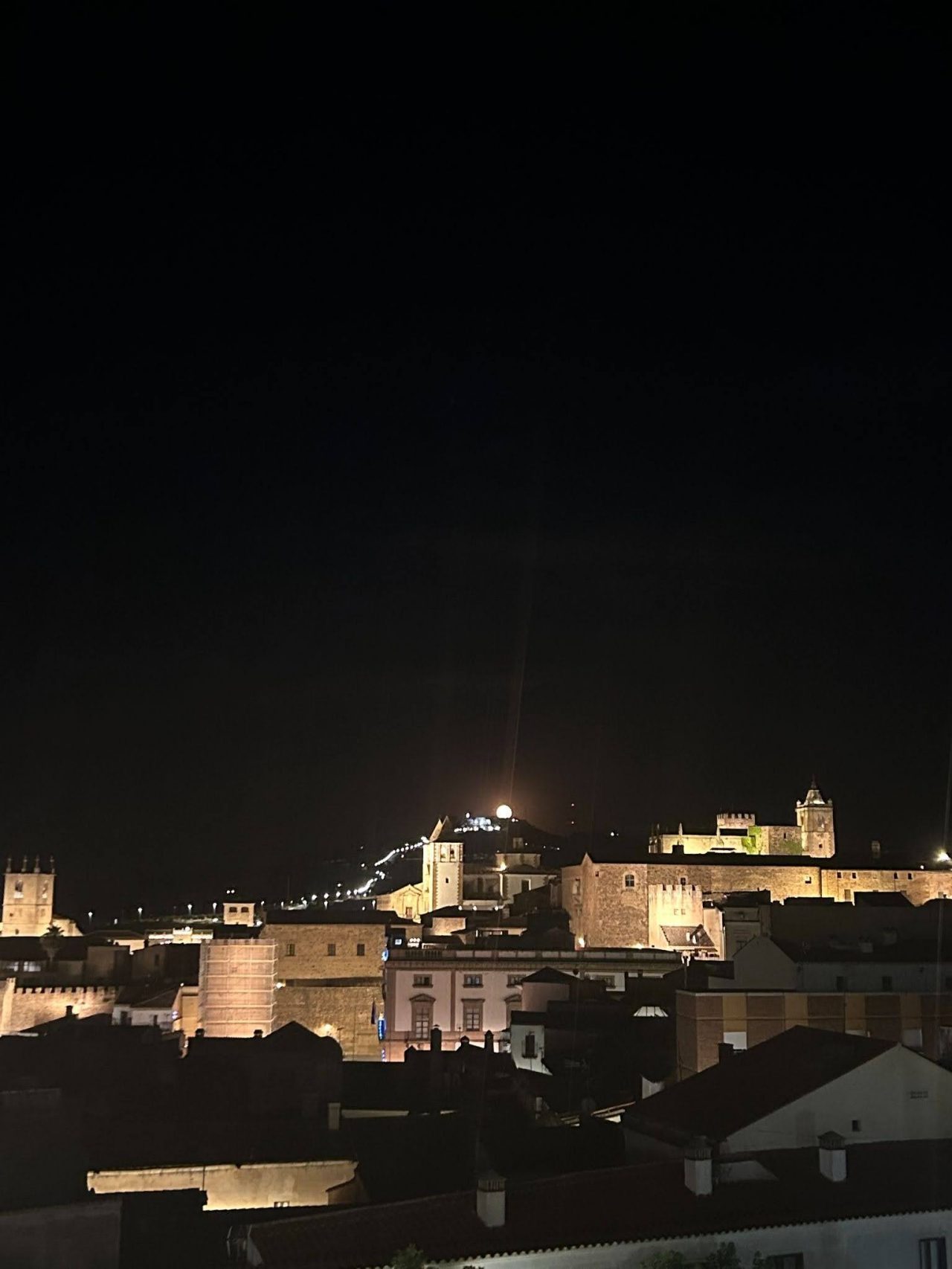
In Cáceres, a mountain overlooks the city and is home to a beautiful religious sanctuary, El Santuario de Nuestra Señora la Virgen de la Montaña. One evening, I began my ascent from the center of the city—an hour-long, entirely uphill walk in brutal heat. Eventually, dripping with sweat and clutching a nearly empty water bottle, I reached the top and looked down at the city.
From where I stood, the medieval towers below and my position above the city could be modeled by a right triangle. In fact, I could derive a few very niche word problems from the scene, and I can imagine students skimming past the flowery details to hunt for the numerical information. For a long time, that was how I viewed language learning.
If you use math to represent the expansiveness and depth of a language, fluency can feel like an unfathomable task, no matter how you define it. Math can show you the big picture, but at that scale, you lose sight of all the small causes and effects within it.
Albóndiga means meatball, but zoom in: It was the word you kept forgetting until the forgetting became an inside joke and an inevitable laugh between you and your host mother. A favorite among Spanish learners, madrugar means to wake up early, but zoom in: It was the word that brought a smile to your host mother’s face when you used it.
Zoom in further. You smile at the math posters hanging in classrooms. You remember the young boy who found his composure during the English-language presentation about Cáceres. You watch the World Cup in a local bar. You tell your host mother about your many years playing softball. In those moments, you redefine fluency. You make it your own. Everything you do not know becomes something you have yet to experience—something exciting rather than dreadful.
As someone deeply passionate about education, learning Spanish through a pedagogical lens in Cáceres was incredibly meaningful. Thinking about how I might interpret and apply what I learned in my own classroom reinforced that my pursuit of Spanish fluency is profoundly my own, just as each person’s language-learning journey is unique and each student brings a different understanding of what math means to them.
Two weeks in Cáceres made one thing clear: My Spanish journey will make me a better math teacher. A change of position may yield a change of meaning.


