Lecture Series
Art History Lecture Series
Every year a committee, comprised of graduate students and one faculty member, organizes a yearlong series of lectures by prominent scholars, curators and visual artists on various topics in art history.
Programs are free and open to the public. The location for each event is Old College 212, with the exception of the William I. Homer Lecture which will take place only on Zoom.
Please contact arth-gsls@udel.edu with additional questions. To arrange disability accommodations for in-person events, please call (302) 831-8415 at least 10 business days in advance of the event.
Special thanks to Carol A. Nigro (Ph.D. 2009) and Charles Isaacs for their sponsorship of the William I. Homer Lecture.
This lecture series is organized by the 2025–2026 Graduate Student Lecture Series Committee: Carolyn Hauk and Izunna Ugwu (co-chairs), Victoria Kenyon, Gabrielle Clement, Tiziana Capizzi, Rebecca Stasiunas, and Qiaria Riley.
Upcoming Events

PAST EVENTS
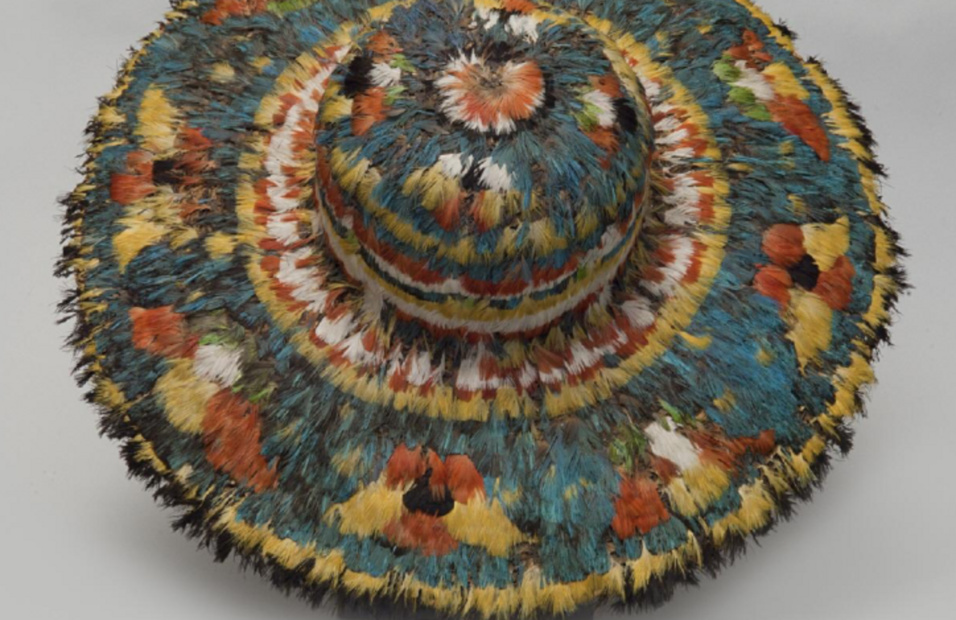
April 15, 2026: Maya Stanfield-Mazzi, “The Sign of the Feather: Seeking Presence out of Absence Between the Historical Andes and Amazon
Wayne Craven Lecture
Dr. Maya Stanfield-Mazzi, Professor of Art History at the University of Florida, examined a set of eighteenth-century feather-covered hats from the Huallaga River Valley of Peru and now in the Museo de América in Madrid, Spain. The hats provide important insights on western South American featherwork and dress of the Spanish colonial era and help breach the Andes-Amazonia divide. They also call attention to the agency and artistry of the Cholón people, who from their homelands in the cloud forest (montaña) served as important intermediaries between members of different ethnic groups in the dynamic colonial setting.
The 2025–2026 art history doctoral class presented the following papers:
- Victoria Kenyon,“Gender, Race, and Love in Nineteenth-Century Floral Fortunes”
- Foluke Oyawole, “When Originals Migrate: The Ori Olokun and the Colonial Intervention of Authenticity”
- Lauren Teresi, “The Art and Science of Monjas Coronadas: Indigenous Knowledge and Catholic Devotion in the Age of Scientific Reconquest”
- Lucy Li, “The Forensic Analysis of Lacquer Surfaces: Negotiation of Authenticity in the Conservation and Material Intervention of Chinese Export Lacquer”
- Deniz Martinez, “Seeing Red: Reconsidering Carpaccio’s ’Symbolic’ Red Parrot”
- Xiaomeng Sun,“Ethnography on the Wall: Travelogues and Export Art in the Chinese Parlor”
February 11, 2026: Juanita Solano Roa, "Photographic Negatives in Early Colombian Photography"
William I. Homer Lecture
Dr. Juanita Solano Roa, Associate Professor in the Department of Art History at the Universidad de los Andes, Bogotá, presented the work of two pivotal photographic studios—Fotografía Rodríguez and Benjamín de la Calle—in late nineteenth-century Medellín, Colombia. Drawing from her book Negative Originals: Race and Early Photography in Colombia, she examined how photography was used both to construct and contest racial ideologies during a critical period in Colombian history. Through a close reading of photographic negatives and prints, she highlighted how visual culture shaped regional and national discourses linking race to progress. In her analysis, she juxtaposed conventional portraiture—often reinforcing dominant racial narratives—with subversive images of marginalized subjects, including cross-dressers, peasants, Black individuals, and the poor.

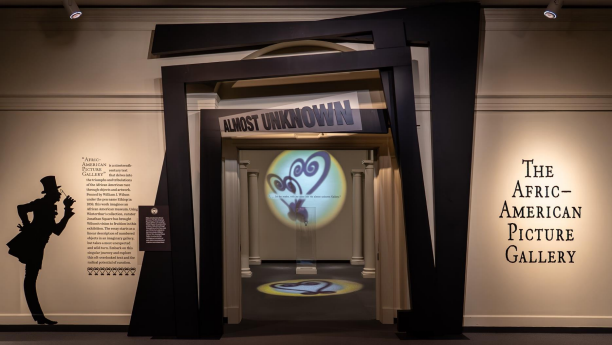
November 5, 2025: Jonathan Michael Square, “Envisioning An Afric-American Picture Gallery”
Andrew C. Mellon Curatorial Lecture
This lecture provided background and contextual information on the Winterthur exhibition Almost Unknown, Afric-American Picture Gallery, which was curated by guest Dr. Jonathan Michael Square Assistant Professor of Black Visual Culture, Parsons School of Design, the New School.
September 16, 2025: Ikem Okoye, “Art, Matriliny, and a Rebirth for (T)reason”
Faculty Lecture
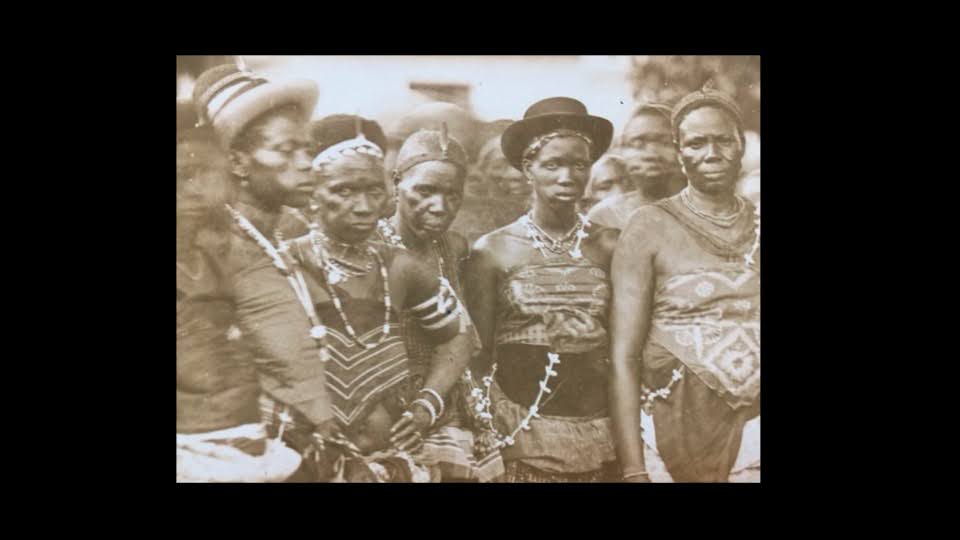
What did citizenship—and its constitutive other, treachery—mean within African contexts, particularly under colonial rule? Can art history illuminate the shaping of these notions here too? This talk focuses on Southern Nigeria’s Niger Delta, now an ecologically ravaged region of extraction, to argue that art and architecture played a critical, if unexpected role in shaping concepts of sedition. It examines how iconoclasm, initially sparked by art’s entanglement with slavery and capture, generated new figures of refusal whose situations were also contradictory and fraught. The web of anxieties of which this was part included threats to indigenous relations to land and to water, but more provocatively, the European incredulity at and response to African matrilineal systems in which art and architecture (both) were often implicated. What to do when local women could own property, inherit wealth, hold leadership roles, and even “vote”?—rights for which the compromised metropolitan women of the 19th and early 20th centuries still fought. Who, but also what, were at risk of “deportation” or exile, and where or where to?
April 7, 2025: Anna Arabindan-Kesson, “Looking with Edward Mitchell Bannister”
Wayne Craven Lecture
Dr. Anna Arabindan-Kesson, Associate Professor of African American Studies, Art, and Archeology at Princeton University, discussed the landscapes of Edward Mitchell Bannister through the lens of his words and through the traces compiled in his scrapbook. Her talk considered what landscape representation meant to him, and how his work has appeared, or disappeared, in accounts of Black diaspora art.
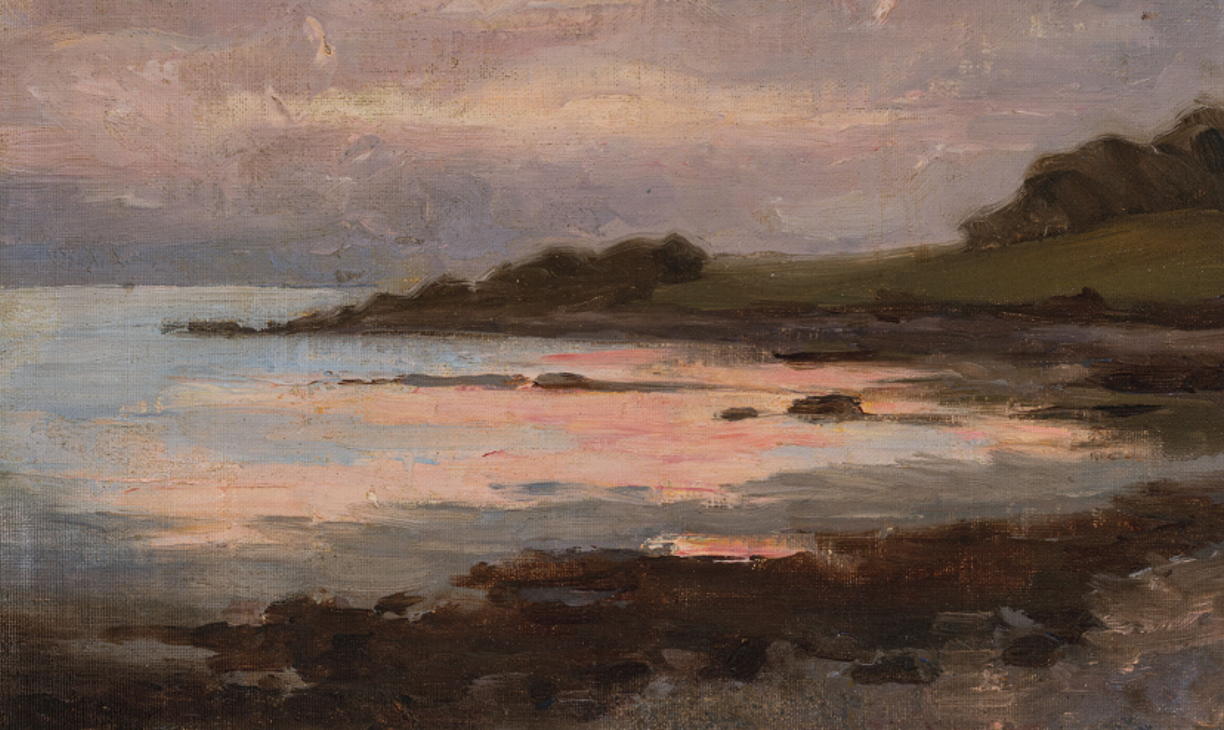
February 11, 2025: Sarah Greenough, “Building the Photography Collection and Program at the National Gallery of Art”
William I. Homer Lecture
Sarah Greenough, Senior Curator and Head, Department of Photographs, at the National Gallery of Art, Washington, D.C., discussed her work founding the photography program at the National Gallery of Art, including establishing and growing the collection of photographs and the museum’s program for photography exhibitions and publications. She also talked about her creation of its donor support group and the challenges and rewards of establishing a program for photography at an institution that is committed to serving as the nation’s art museum.
November 20, 2024: Emmanuel Ortega, “Franciscan Imagery and the Ideology of Domestication in Colonial Mexico”
Dr. Emmanuel Ortega, Assistant Professor, Art of the Spanish Americas, University of Illinois at Chicago, presented a chapter from his upcoming book in progress, Visualizing Franciscan Anxiety and the Distortion of Native Resistance: The Domesticating Mission. He argues that the project of Christian missionizing in the Americas during the Spanish colonial period carried at its innermost ideological base European ideas of domestication. Imperial visual creators connected episodes from the life of St. Francis and their enterprise in the Americas, as this talk explored.
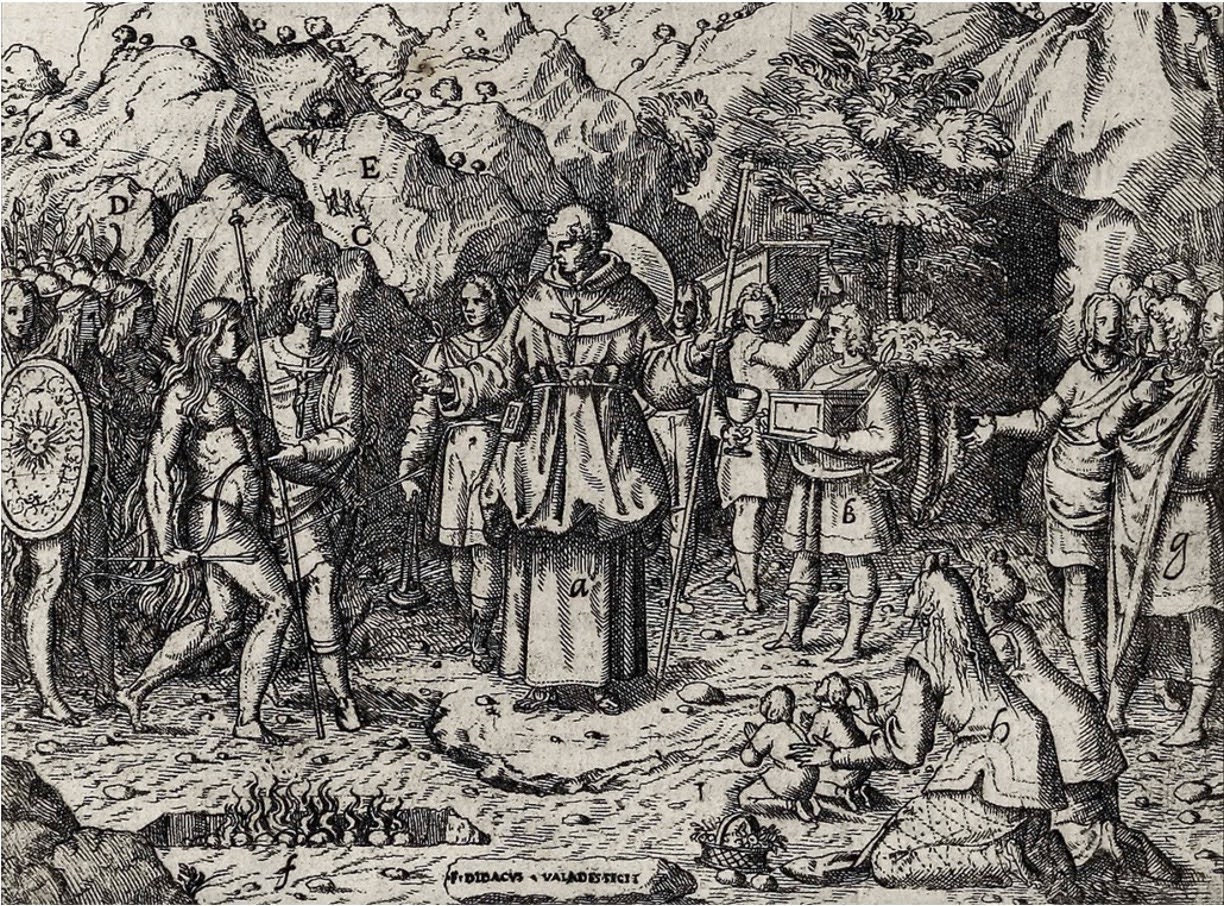
October 23, 2024: Andaleeb Banta, “The Making of a Curatorial Generalist”
Andrew W. Mellon Curatorial Track Ph.D. Lecture
Dr. Andaleeb Badiee Banta, Senior Curator and Department Head, Prints, Drawings & Photographs at the Baltimore Museum of Art, shared her perspective on how concepts of empathy and social relevance have shaped her curatorial practice.
September 4, 2024: Lauren H. Petersen, “A Pompeian Fullery and its Faded Fresco”
Faculty Lecture
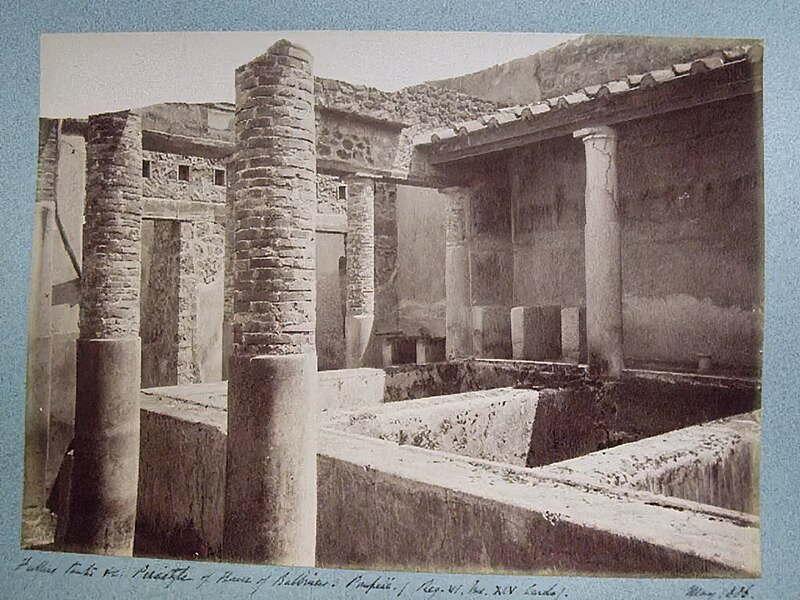
Dr. Lauren Hackworth Petersen, Professor of Art History and Women and Gender Studies, examined an ancient fresco that decorated the walls of a Roman laundry, forming the background scenery for workers laboring in strenuous, water-logged, and foul-smelling tasks. While the fresco includes symbols and tools of fulling, its scenes also feature workmen engaged in various other seemingly-unconnected activities, such as dancing (?), standing trial, and hunting. Dr. Petersen's consideration embraces the fresco's complex heterogeneity and examines its entanglements to make a kind of "sense" of its idiosyncratic clustering of images.
April 4, 2024: Emilie Boone, “A Nimble Arc: James Van Der Zee and Photography”
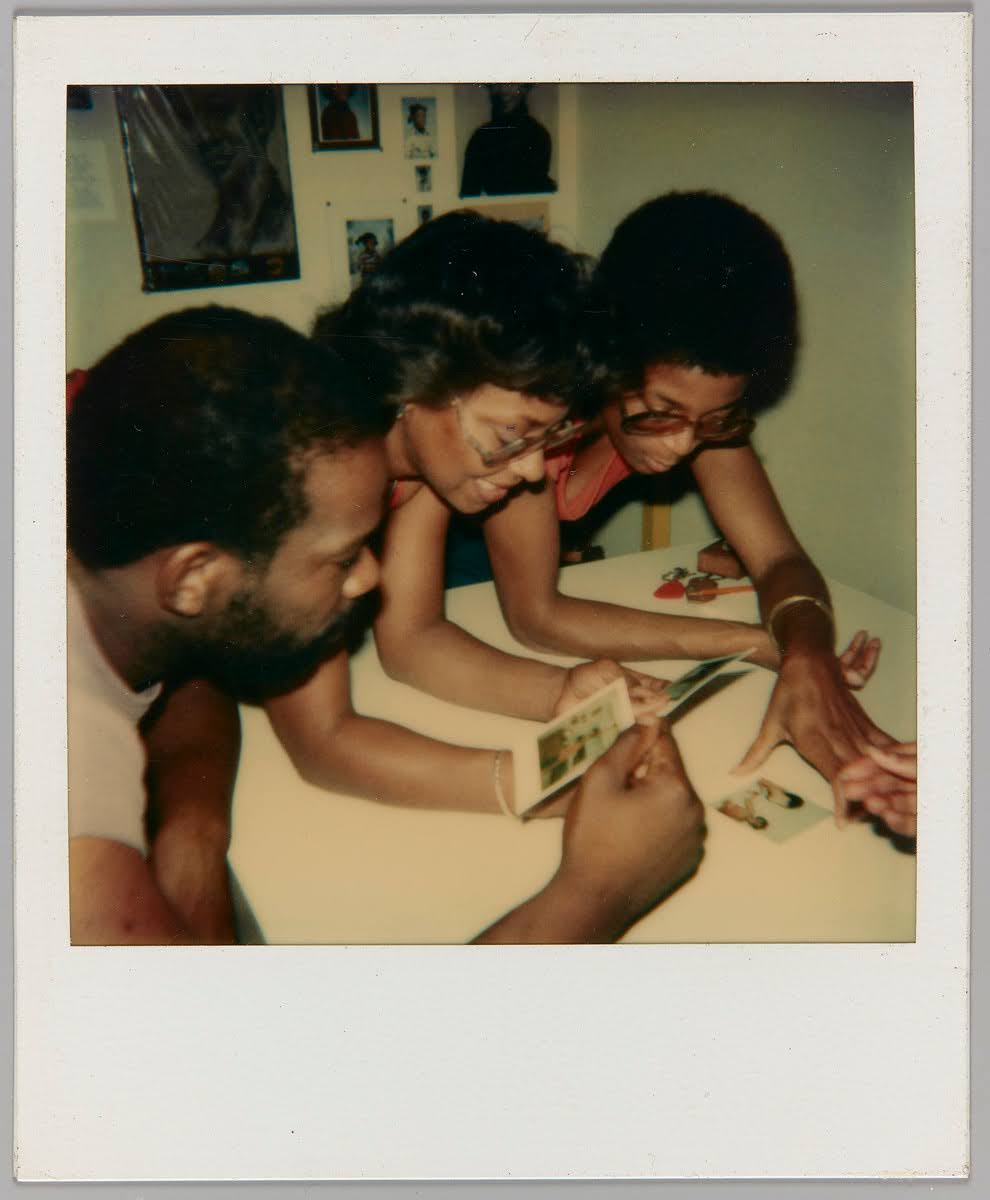
This lecture dovetailed with the recent publication of A Nimble Arc: James Van Der Zee and Photography, the first book on the celebrated twentieth century African American photographer in more than thirty years. Through a reconsideration of Van Der Zee’s expansive oeuvre, Dr. Emilie Boone, Assistant Professor in the Department of Art History at New York University, challenges distinctions between art photography and the kind of output common to commercial photography studios.
March 6, 2024: Aimee Ng,”Curating the Art Museum for the Past, Present, and Future”
Andrew W. Mellon Curatorial Track Ph.D. Lecture
Dr. Aimee Ng (Curator, The Frick Collection) explored the recent transformation of The Frick Collection, including the temporary move of the historic European art collection into a Brutalist building and the renovation of the Gilded Age Frick house, and the wide range of curatorial implications required and inspired by these changes.
February 13, 2024: Sophie Hackett, “‘Objects Made for Emotional Experience’: Histories, Expressions, and Engagements with Vernacular Photographs at the Art Gallery of Ontario”
William I. Homer Lecture
Sophie Hackett, Curator of Photography at the Art Gallery of Ontario, discussed a lineage of exhibitions of and about vernacular photographs at the AGO.
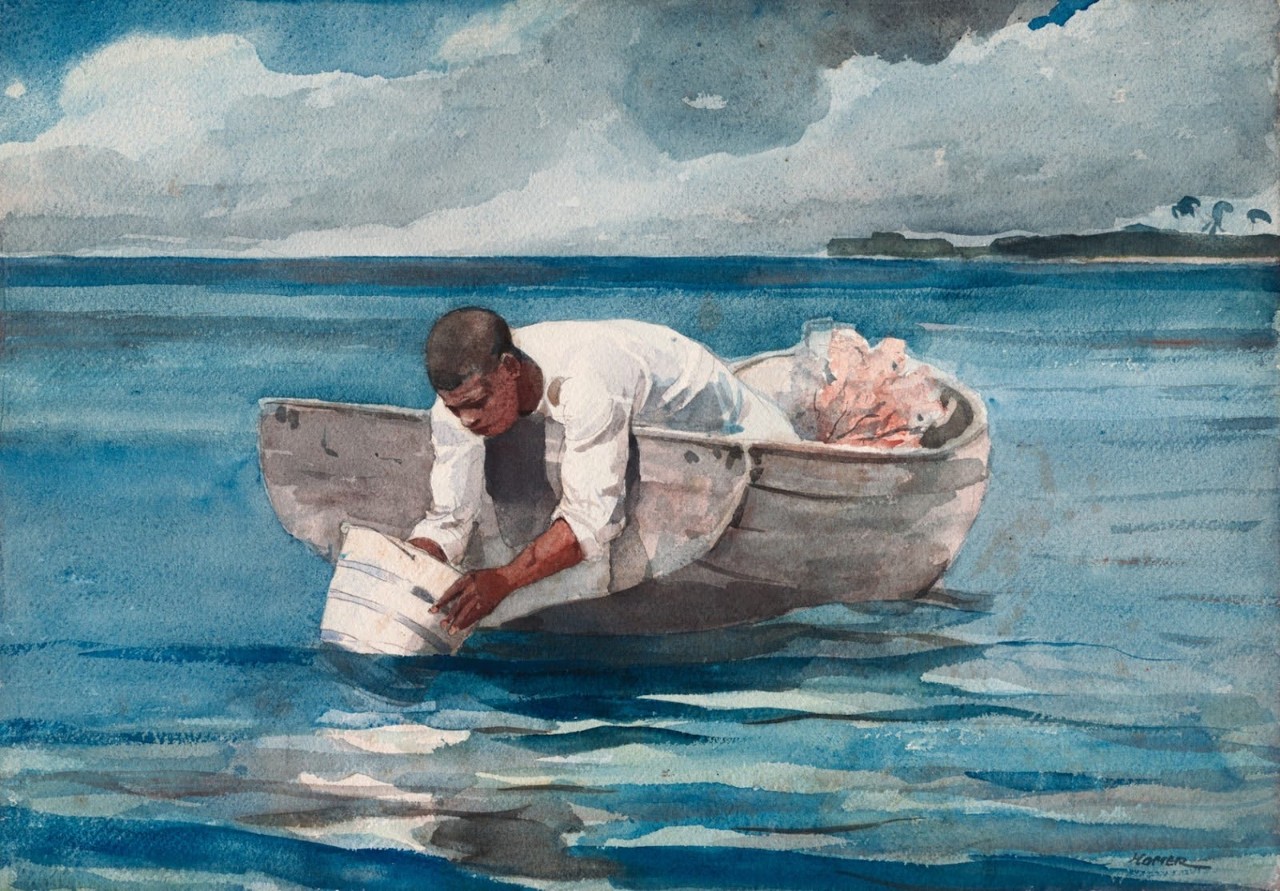
October 5, 2023: Maggie Cao, “Looking Undersea: Winslow Homer and the Black Caribbean”
Wayne Craven Lecture
Dr. Maggie Cao (David G. Frey Associate Professor, Department of Art and Art History at the University of North Carolina, Chapel Hill) examined the racial and environmental politics of Winslow Homer’s paintings of black mariners in the Caribbean.
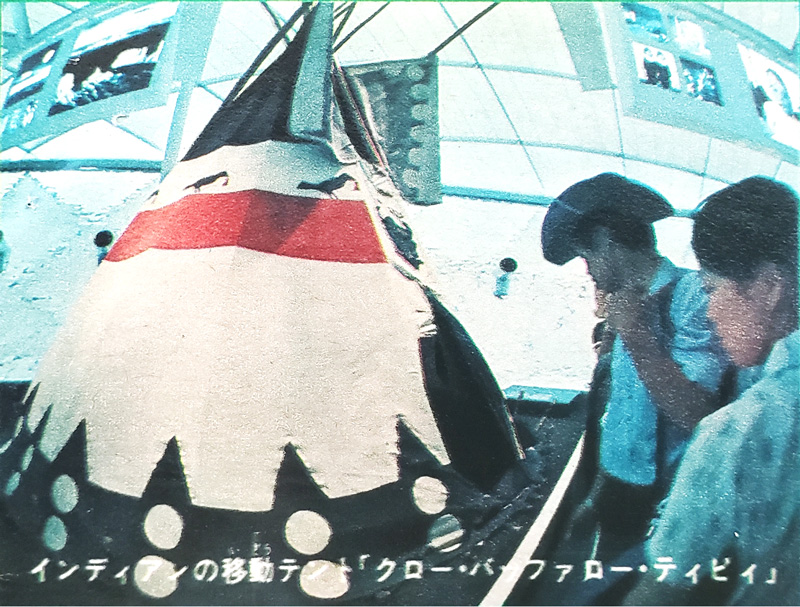
September 14, 2023: Jessica Horton, “Tipi and Dome: Blackfeet Earth Diplomacy at Expo 70”
Faculty Lecture
In the 1960s and 1970s, tipis circulated alongside domes as emblems of environmental sustainability and countercultural cool. Yet these architectures advanced radically different visions of the future. Professor Horton told the story of a Blackfeet painted lodge commissioned for the United States Pavilion at Expo 70 in Osaka, Japan. This iconic artform translated an Indigenous practice of diplomacy into Cold War international relations, offering an alternative to the fair's bifurcated predictions of technocratic progress and worldwide environmental collapse.
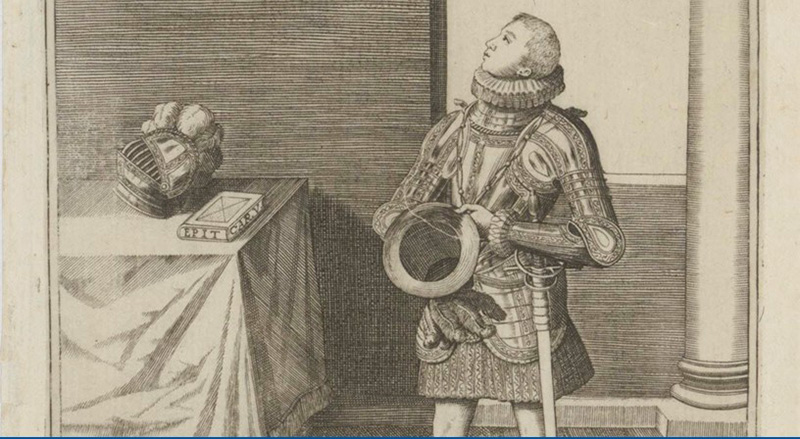
April 19, 2023: Adam Jasienski, “Looking at Portraits in the Early Modern Hispanic World: A Speculative History”
This talk considered an inquisitorial trial from central Mexico, which focused on the popular cult surrounding the portraits of a local bishop. Given the multi-ethnic and multilingual witnesses interviewed in the trial, Dr. Adam Jasienski (Associate Professor of Art History, Southern Methodist University and 2022-23 Marilynn Thoma Post-Doctoral Fellow) expanded seemingly straightforward terms like “portraiture” in order to nuance the culturally bound forms of seeing present in the diverse Spanish monarchy. What did it mean to call something a portrait, and what kinds of behaviors became acceptable once one did so?
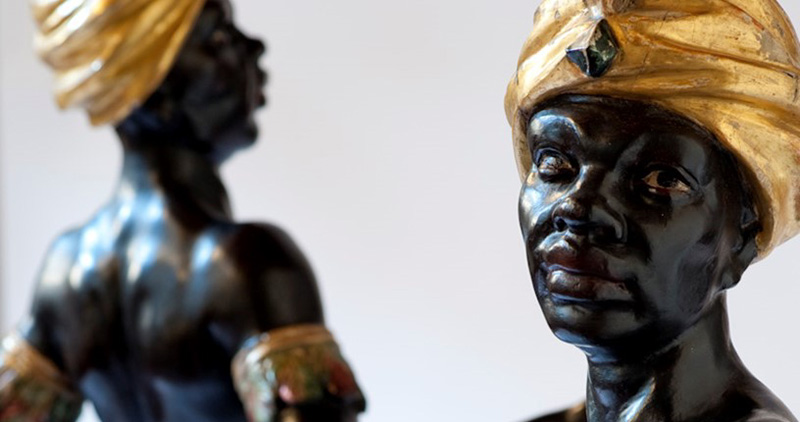
April 6, 2023: Adrienne Childs, “Finding Ornamental Blackness: Shaping the Field One “Blackamoor” at a Time”
Independent scholar and curator Dr. Adrienne Childs discussed her book project Ornamental Blackness, which critically engages and reframes the “blackamoor” in the decorative arts, a now-antiquated term that refers to an object depicting a Black man. Her lecture will reflect on the challenges of this project and the process of defining the parameters of a field with no precedent. She will explore how she came to choose certain objects above others, how she shaped periodization, what theories she engaged, and how she limited a seemingly limitless pool of material.
March 15, 2023: Thy Phu, “Reenactment and Remembrance: Warring Visions of Vietnam”
William I. Homer Lecture
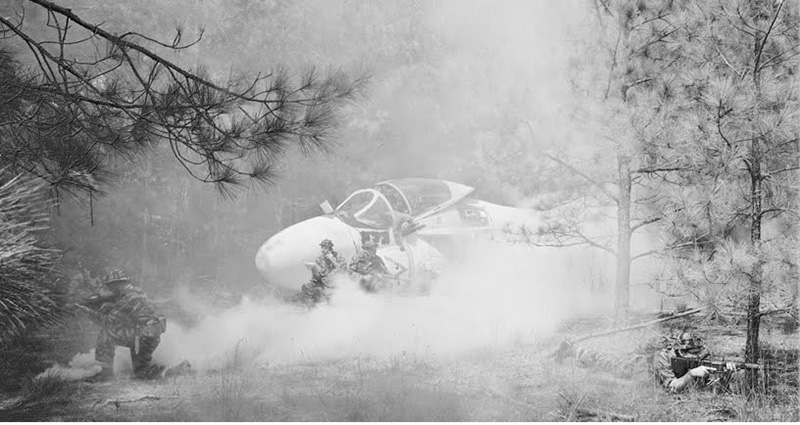
Histories of war photography seldom take seriously the category of images that are manifestly staged or reenacted. However, such images are an important resource in understanding warring visions-how conflicts are mediated and how they are remembered. Through a consideration of the work of South Vietnamese colonel and veteran photographer, Nguyễn Ngọc Hạnh, and diasporic artist An-My Lê, this presentation from Professor Thy Phu (Media Studies, University of Toronto, Scarborough) considered how reenactment challenges historical interpretation, illuminating parallels between American and Vietnamese worldviews and the disjunctions between them.
November 17, 2022: Julia Bryan-Wilson, “Embellishing Art Histories”
Wayne Craven Lecture
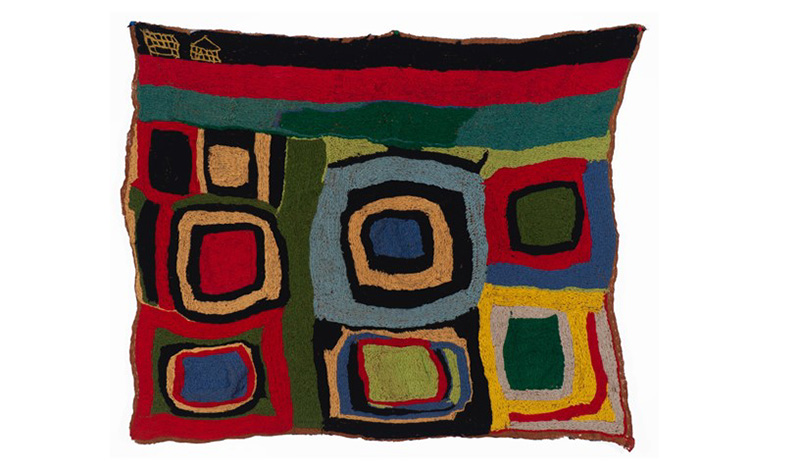
This talk from Dr. Julia Bryan-Wilson, Professor of Contemporary Art and LGBTQ+ Studies at Columbia University, examined the needle-based work of three women—Pacita Abad Madalena Reinbolt, and Rosie Lee Tompkins—to argue for an expanded field of study that includes the embellished objects of everyday life.
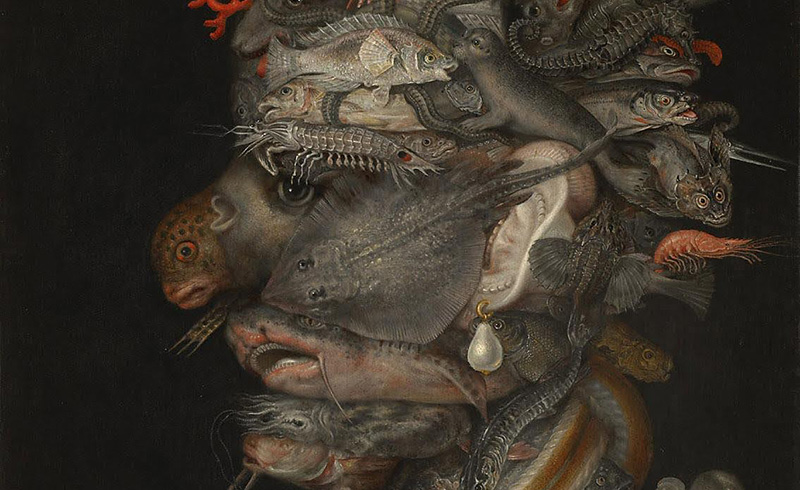
September 22, 2022: Mónica Domínguez Torres, “Precious Critters: Pearls, Natural History, and Artistic Practice in the Early Modern Spanish World”
Faculty Lecture
Focusing on a Spanish pendant that showcases a baroque pearl as the body of a frog, this lecture examines how early modern collectibles, usually overlooked as innocuous decorative pieces, advanced the Western ideal of human mastery over nature, and in the process addressed larger ideas about exploration and colonization. Iberian incursions into overseas territories allowed for the acquisition of knowledge and natural resources from Native American communities, which had an important impact on European notions about art and nature. Specifically in jewelry, the sixteenth-century fashion of framing large, irregular pearls with naturalistic representations of strange animals aligned with contemporary scientific attempts to collect and comprehend the natural world.