


1976
Starting Honors
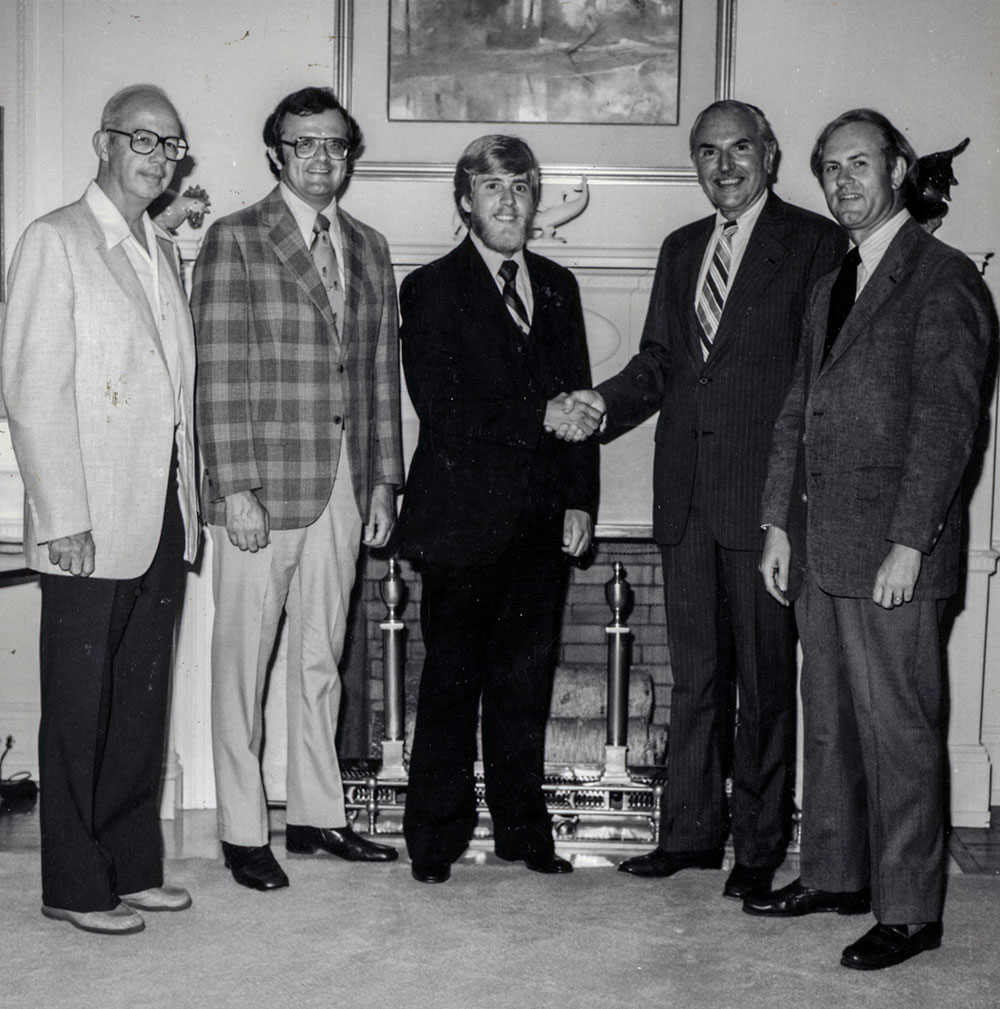

What began in 1976 as an innovative program for academically talented high school students has grown into the University of Delaware Honors College. Over five decades, Honors has expanded its academic offerings, created distinctive learning and living experiences, and built a community of students, faculty and alumni committed to curiosity, discovery and achievement. Explore the milestones, people and ideas that shaped Honors at UD.
Explore University of Delaware Honors milestones. Explore the milestones, people and moments that shaped Honors at the University of Delaware.
1976
1977
1978
1979
1980
1981
1983
1984
Beginning of Faculty Fellows Program and Faculty Fireside Seminars
1985
Burnaby Munson takes his place as Acting Director
1986
1989
1990
1993
First class of Alison Scholars has 17 freshmen.
1995
1996
Honors Congress has a goal of becoming the voice for Honors students in student government; all Honors students are members and are encouraged to attend weekly meetings at Brown Lab under the advisement of Stuart Sharkey
1997
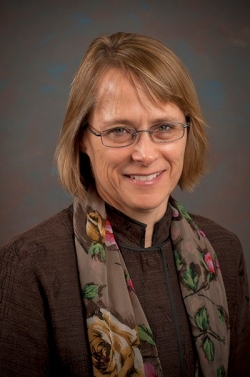
Brown had introduced the First Year Honors Certificate and the Advanced Honors Certificate.
1998
2000
Honors Degree no longer requires a thesis for completion
2001
These renovations include adding a wheelchair ramp, putting in computers for students, and tearing down walls.
2002
Writing Fellows program expanded from 20 student tutors to 38; Russell Fellow positions become paid, rather than volunteer (with increase in responsibilities)
Dr. John Courtright appointed interim director of the UDHP to replace Ann Ardis
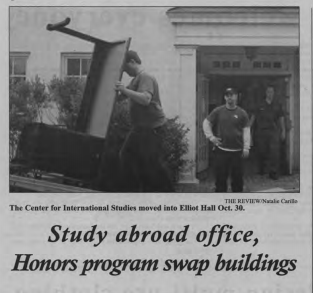
The Honors Program offices are relocated over the summer to the second and third floors of Elliot Hall at 26 East Main Street
2008
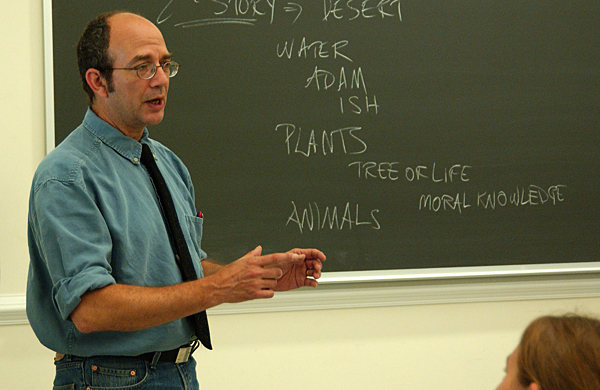
The Faculty Senate makes budget adjustments. This results in Honors classes of 20 students being given the budgeting equivalent of a class of 60 students; Alan Fox is named director, replacing John Courtright.
2009
2010
2013
2014

2016
The GPA required at the end of freshman year moves from 3.0 to 3.2, and the requirement at the end of sophomore year moves from 3.2 to 3.3.
2017
2018
2019
July 2020
Aug. 13, 2020
The University of Delaware Honors Program began in 1976 with a bold idea: Give academically talented high school seniors the opportunity to begin college coursework while completing their high school education.
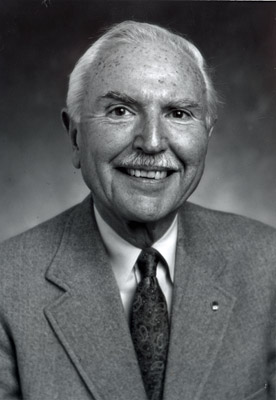
Founded by philosophy professor Donald Harward, the First Year Honors Program initially operated at Wesley College in Dover, Delaware. Students took challenging courses taught by University of Delaware faculty, including interdisciplinary colloquia that emphasized discussion, critical thinking and writing.
The program combined the intellectual opportunities of a major university with the close-knit environment of a smaller college. Students lived and learned together, establishing an early version of the academic and residential community that remains central to the Honors experience.
In 1979, the program moved to UD's main campus in Newark and developed into a four-year undergraduate experience. That transition laid the foundation for the Honors College of today.

For more than 50 years, the Honors experience at the University of Delaware has evolved through academic innovation, growing opportunities and a strong sense of community. Explore the developments that helped shape the Honors College of today.
The Honors experience at the University of Delaware has evolved significantly since its founding in 1976.
An important milestone came in 1979, when the University's Faculty Senate approved the Honors Degree. The degree gave students an opportunity to pursue advanced coursework, seminars and research within their undergraduate programs.
As Honors grew, new academic pathways expanded opportunities for students with different interests and goals. In 2000, the University introduced separate options for the Honors Degree and Honors Degree with Distinction, creating additional ways for students to pursue advanced academic experiences.
The General Honors Award also became part of the Honors experience, recognizing students for their academic achievements during their first two years.
From its earliest days, Honors emphasized the importance of learning beyond the classroom.
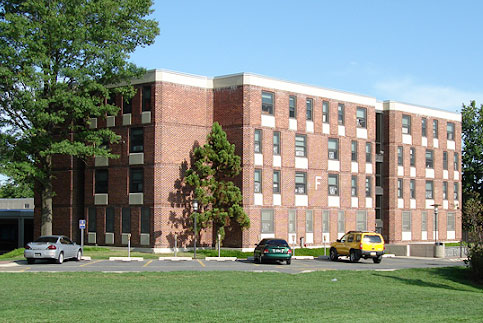
The program's original residential experience at Wesley College established a tradition of bringing students together in a shared academic community. After moving to Newark, Honors students lived in residence halls across campus, including Dickinson and Russell.
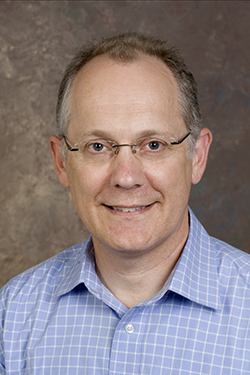
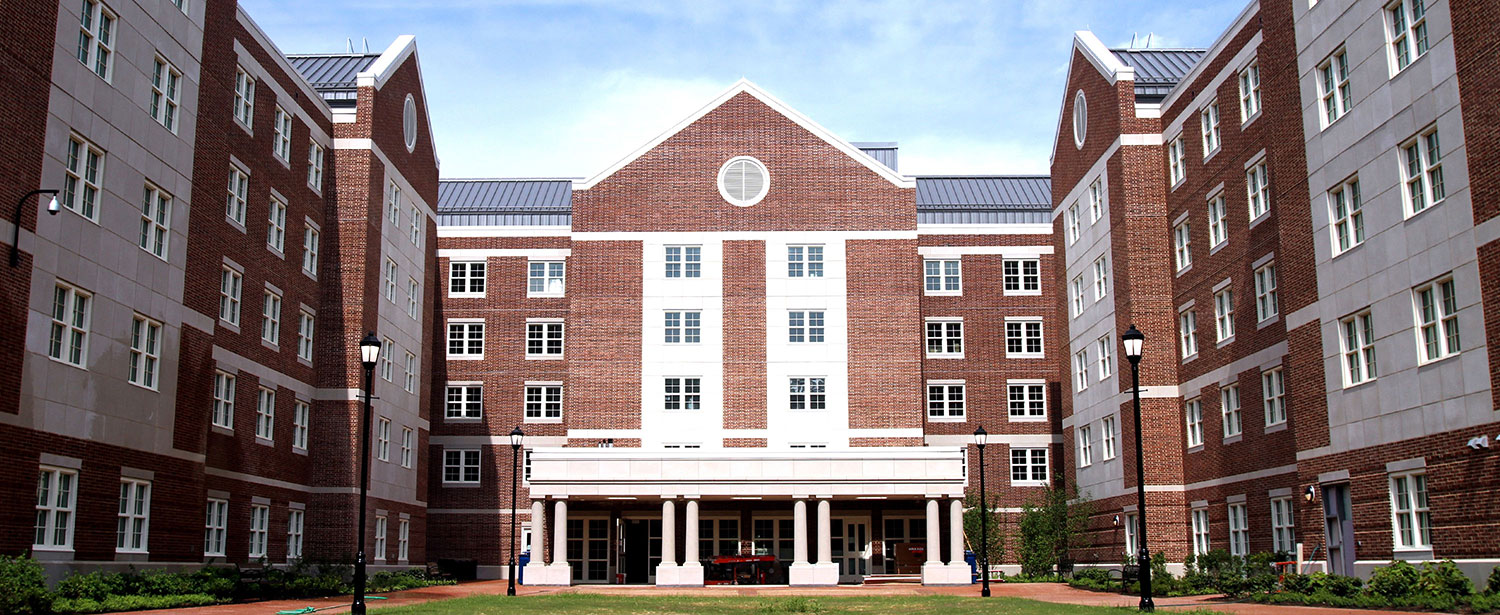
In 2013, Louis L. Redding Hall became home to the first-year Honors community. Named for the Delaware attorney and civil rights leader, the residence hall marked another chapter in the evolution of Honors living and learning at UD.
Peer mentors have also played an important role in the residential experience. These student leaders have helped generations of first-year Honors students adjust to college life, form friendships and become involved in the University community.
In 1986, the Honors Program established the Writing Fellows Program to strengthen students' writing and provide additional support in Honors courses. The program has continued to connect trained student tutors with fellow students.
Over time, Honors also expanded opportunities for undergraduate research, prestigious scholarship preparation, study abroad, student leadership and community engagement.
Student-led organizations and initiatives have contributed to that growth, giving Honors students opportunities to connect with one another, pursue their interests and make an impact beyond the classroom.
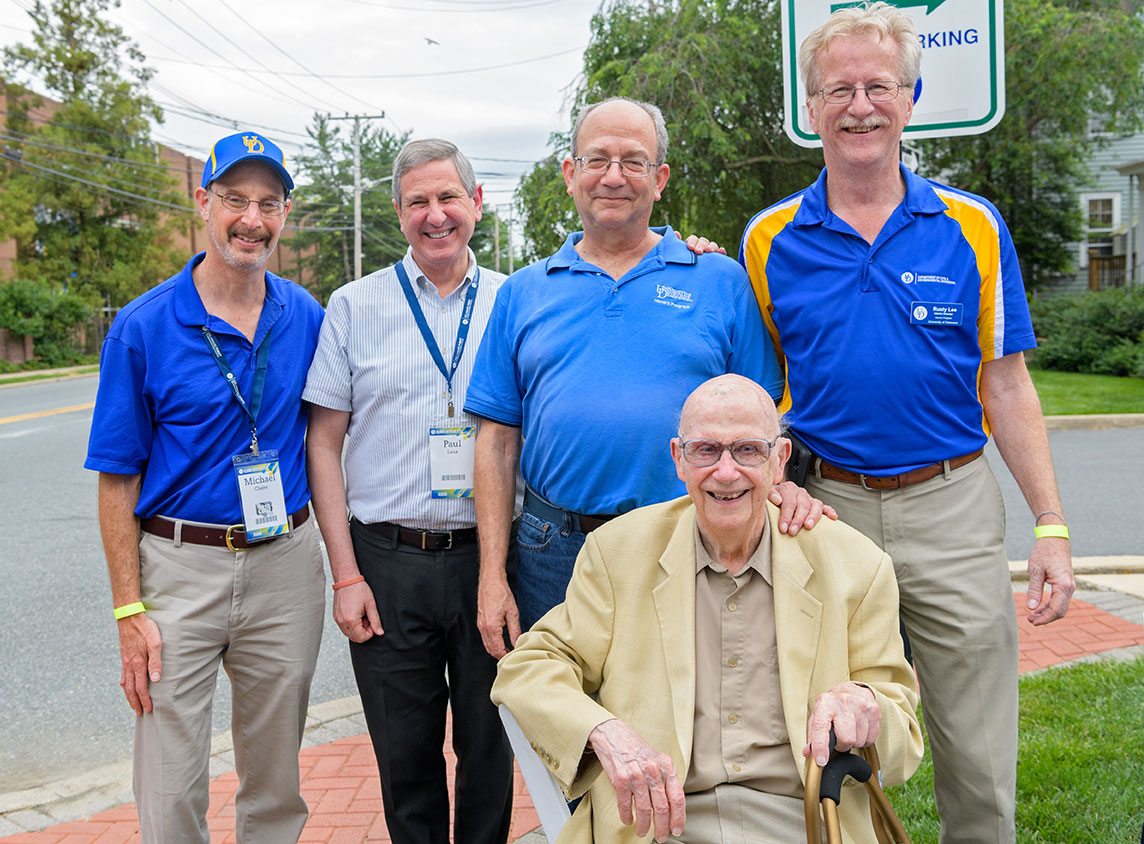
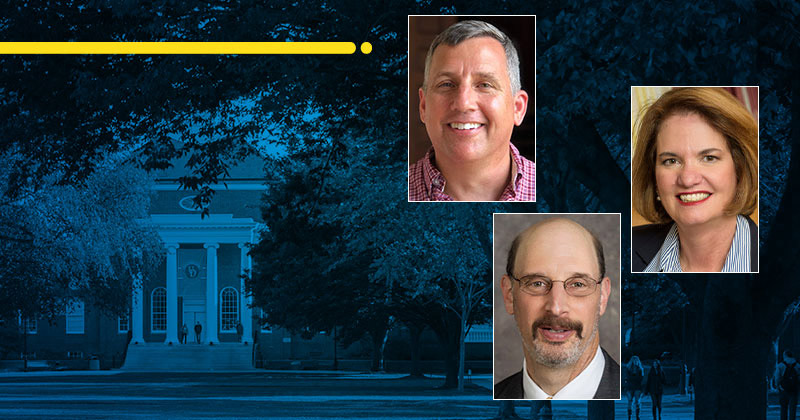
In April 2020, the University of Delaware Faculty Senate approved the creation of the Honors College. The change officially took effect July 1, 2020, with Michael Chajes becoming the college's founding dean.
The transition recognized decades of growth in the Honors Program and established a new chapter in its history.
In 2026, the Honors College celebrates its 50th anniversary, honoring the students, faculty, staff and alumni who helped shape its first five decades while looking ahead to the opportunities still to come.
The Honors College has been shaped by generations of faculty leaders, administrators and professional staff whose work supported its academic programs, residential communities and student opportunities.
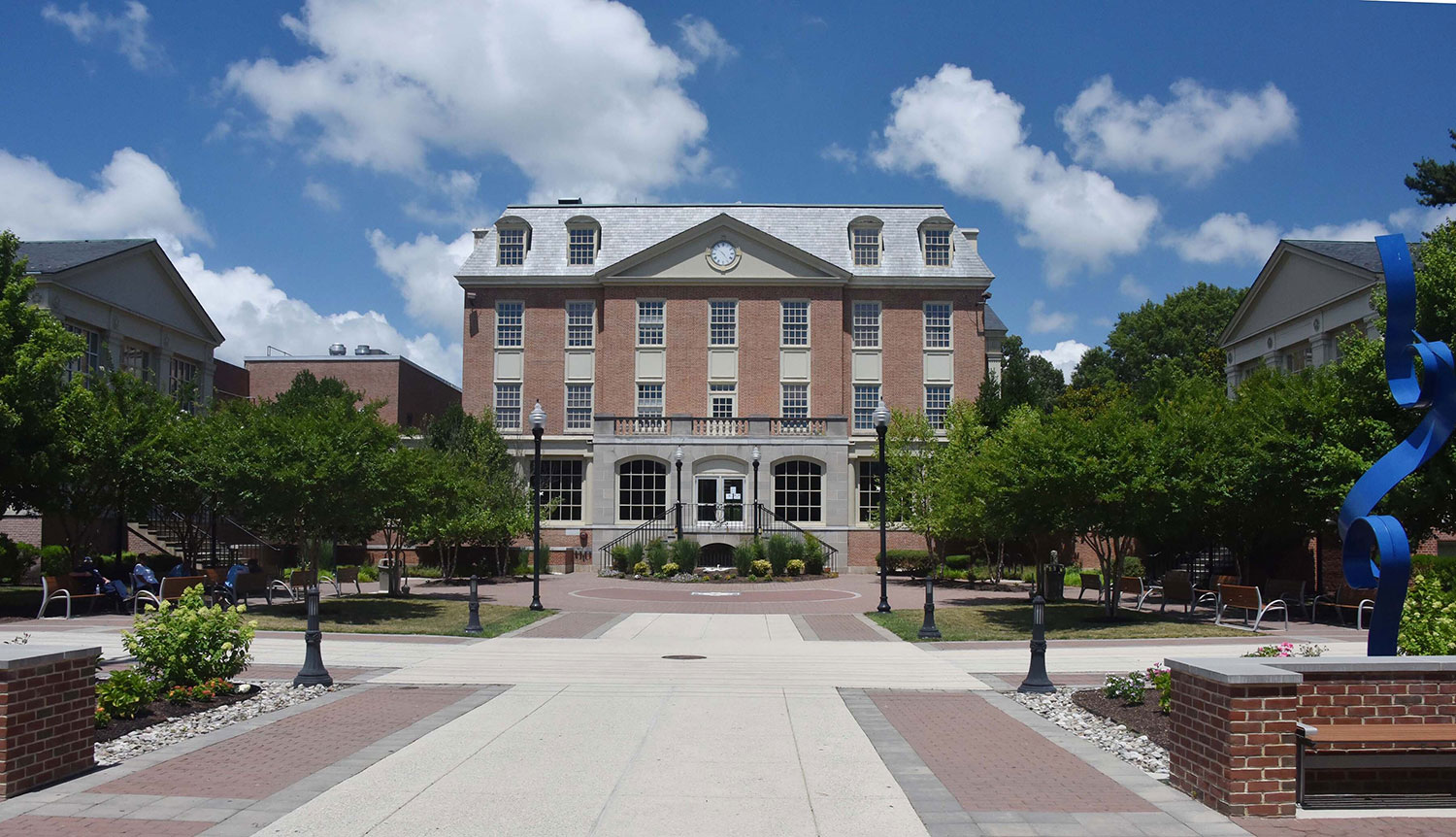
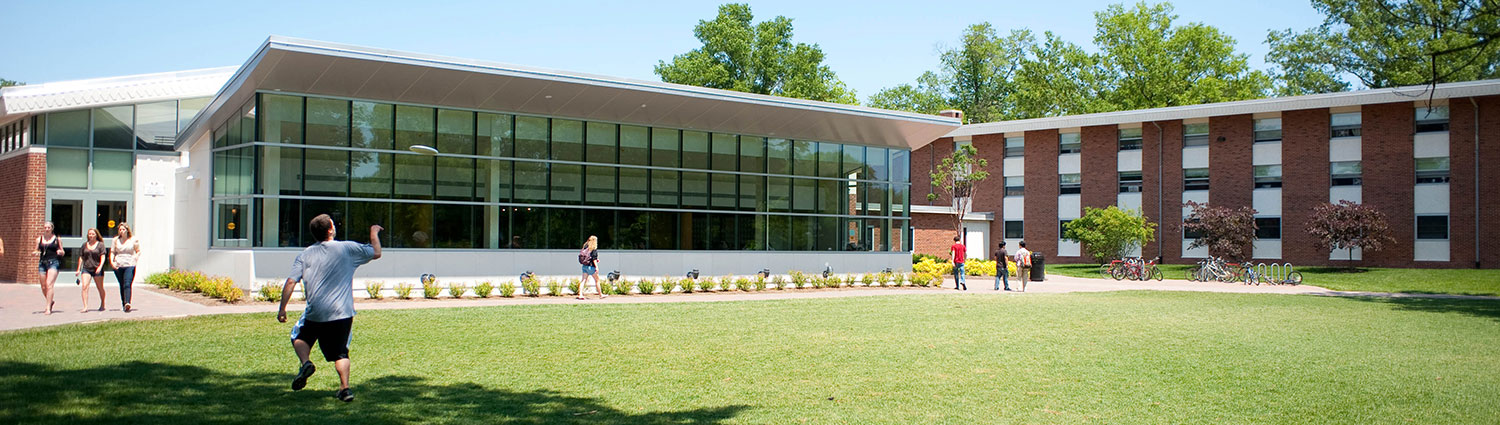
Today, the college operates from Hullihen Hall on UD's Newark campus.
Meet the people supporting the current Honors experience on the Honors College Staff page.

