



College of Health Sciences Butterfly Fund

IDEAS, INNOVATION AND IMPACT
Connecting to the theme of the Tower at STAR, the College of Health Science is creating a Butterfly Fund to celebrate the innovation, energy and collaboration of the faculty, staff, students and clinicians.
The Tower at STAR is designed to enhance collisions and collaboration referred to as the butterfly effect from chaos theory. The Tower design reflects the idea that the smallest change or interaction in one location can prompt dramatic change in another. Similarly, the Butterfly Fund exists to support and invest in collisions that generate spontaneous ideas and foster innovation and impact.
Furthermore, the Butterfly Fund celebrates the belief that even a small investment can prompt dramatic changes, making the CHS community stronger and more impactful.
SUPPORT TO SPUR GROWTH
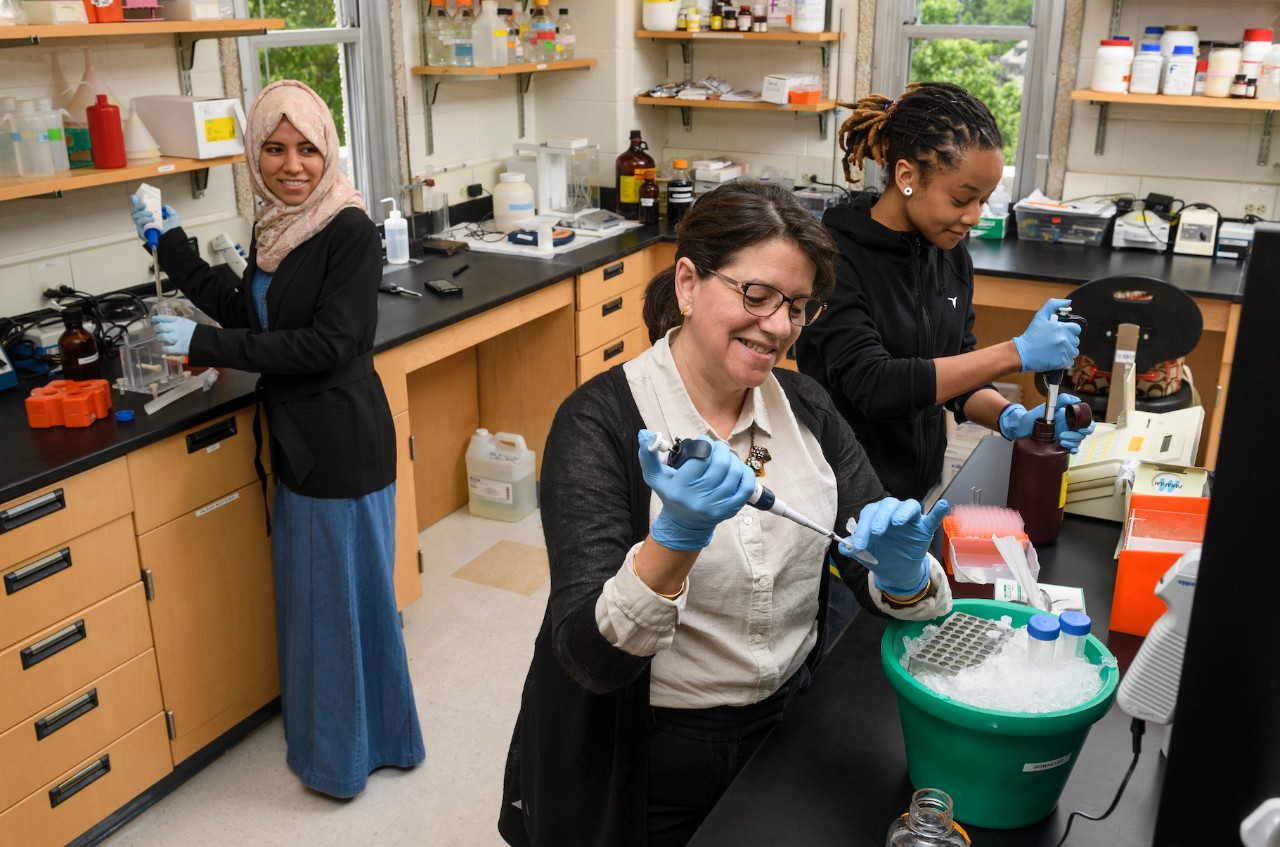
Under the direction of the dean of the College of Health Sciences, along with chairs of the departments, the Butterfly Fund exists to seed and support innovative interdisciplinary and translational research, teaching, clinical and community programs through annual awards.
The goal of these awards is to trigger a metamorphosis that will spawn new learning opportunities for students and grow cutting- edge research and collaboration.
For example, the Butterfly Fund will be used for:
• Pilot research projects and/or working groups focused on answering healthcare challenges and designing healthcare solutions
• Equipment and resources needed to help support promising cutting-edge research
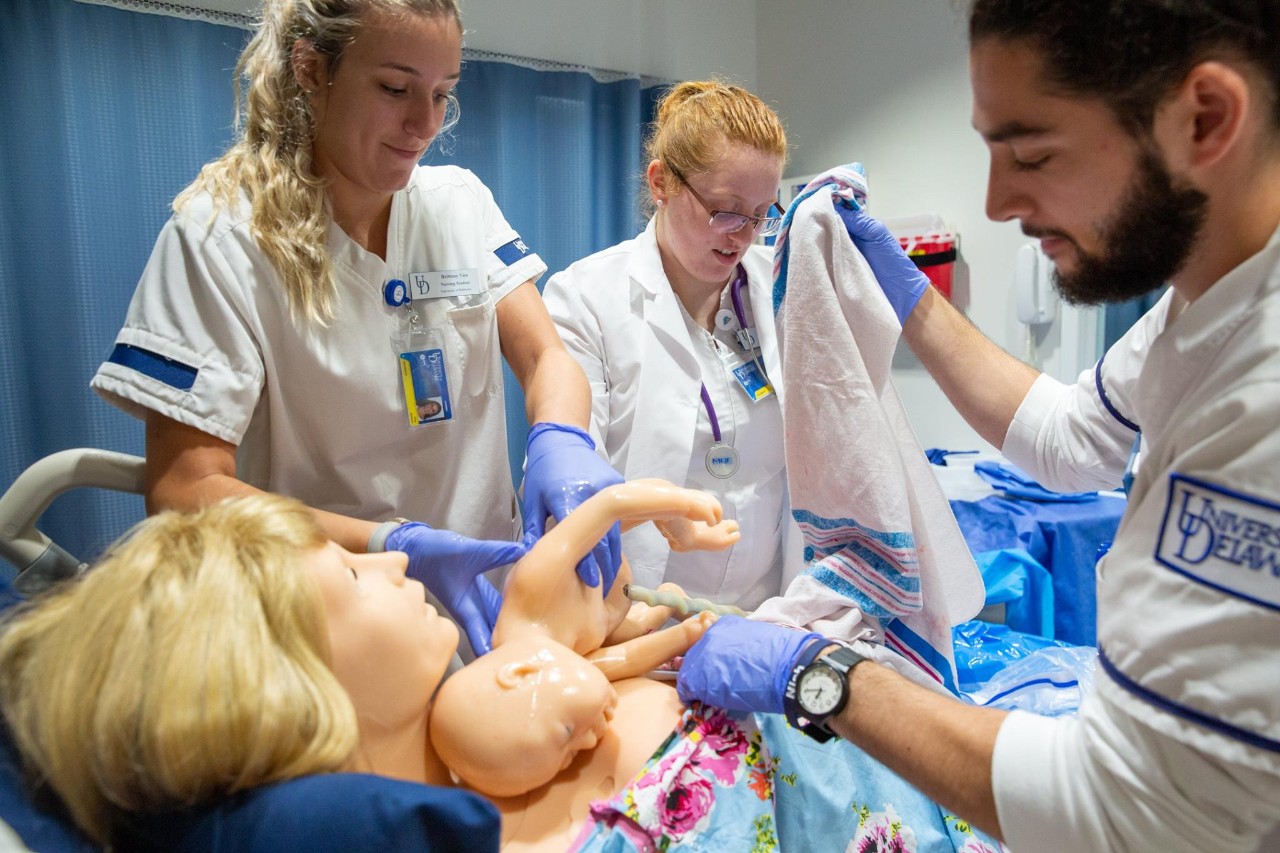
• Teaching and training programs to meet the many healthcare workforce demands
• Collaborations with community partners throughout the State of Delaware and surrounding area
• Graduate and undergraduate student recruitment in new research and teaching areas, as well as recruitment of a more diverse student body
• Innovative outreach programs to inform and inspire the next generation of healthcare students
-

Cutting through complexity
August 14, 2026 | Written by Amy CherryA UD interdisciplinary study found an AI chatbot could help people with disabilities and their caregivers better navigate service information. -
Reducing dementia risk
August 10, 2026 | Written by Amy CherryUD epidemiology study, led by Assistant Professor Daniel Harris, finds shingles vaccination is linked to lower dementia risk in older adults. -
Targeting antibiotic resistance
August 07, 2026 | Written by Amy CherryUD medical and molecular sciences researchers have identified a molecular switch that could make antibiotics more effective against drug-resistant bacteria. -
June and July College of Health Sciences For the Record
August 04, 2026 | Written by CHS StaffCollege of Health Science community reports appointments, exhibitions, publications, and honors for June and July. -
UD to lead $21.5 million NSF National AI Institute
July 29, 2026 | Written by Tracey BryantThe U.S. National Science Foundation (NSF) has issued a $21.5 million, five-year award to establish the NSF AI Institute for Human-AI Cooperation (HAIC), headquartered at UD’s Data Science Institute. HAIC will bring together experts in artificial intelligence and machine learning, physical therapy and rehabilitation, ethics, engineering and robotics, neuroscience and biomechanics, education and workforce development to advance human- AI cooperation.
ADDITIONAL LINKS
Connect


Tower at STAR: 100 Discovery Blvd, Newark, DE 19713 | Health Sciences Complex: 540 S. College Ave, Newark, DE 19713 chs-info@udel.edu Phone: 302-831-1060