



Graduate Programs
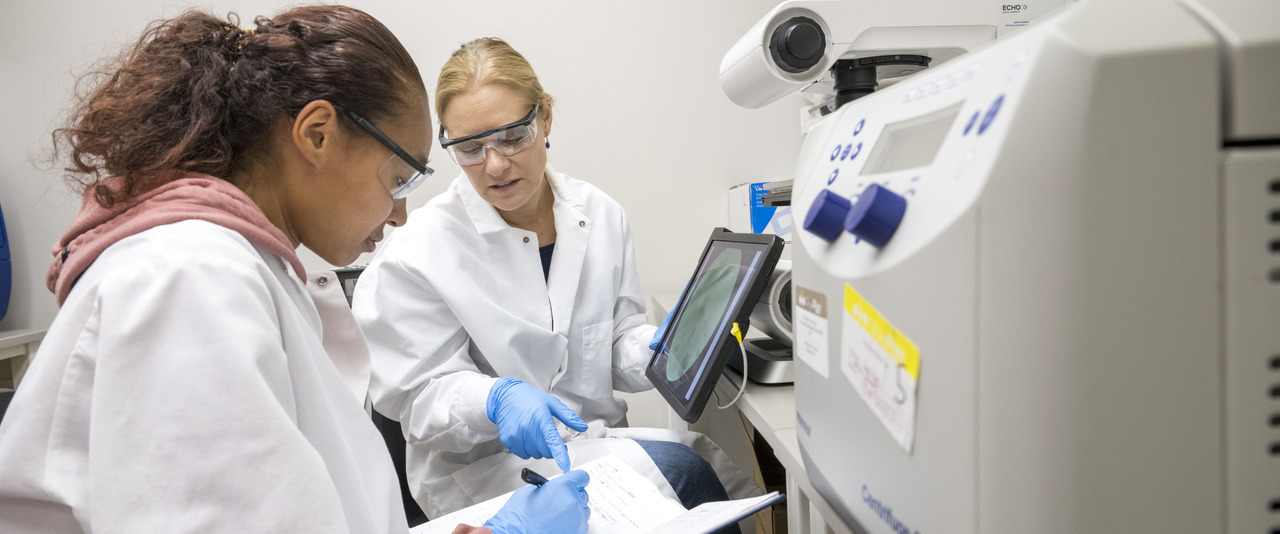
Push your success to the next level
The College of Agriculture and Natural Resources' graduate programs, which include both funded and self-paying, are characterized by individualized advising, engaging coursework, and faculty who are personally committed to the success of their graduate students. Our campus includes newly renovated laboratories, a state-of-the-art greenhouse complex, modern computing facilities, wetlands and ecology woods, farm animal facilities, and agronomic field plots.
Funded M.S. and Ph.D. programs are characterized by highly competitive graduate stipends, cutting-edge research in basic and applied disciplines, and travel opportunities for participation in professional meetings. Our self-paying master's programs are coursework-based, offer more flexibility, and excellent student-to-faculty ratios.
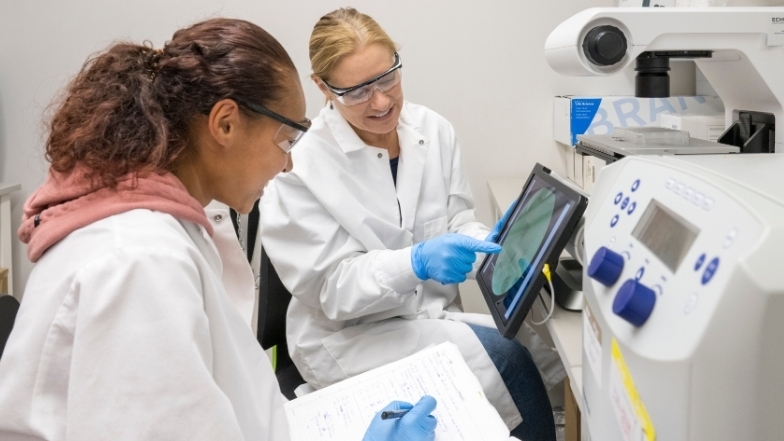
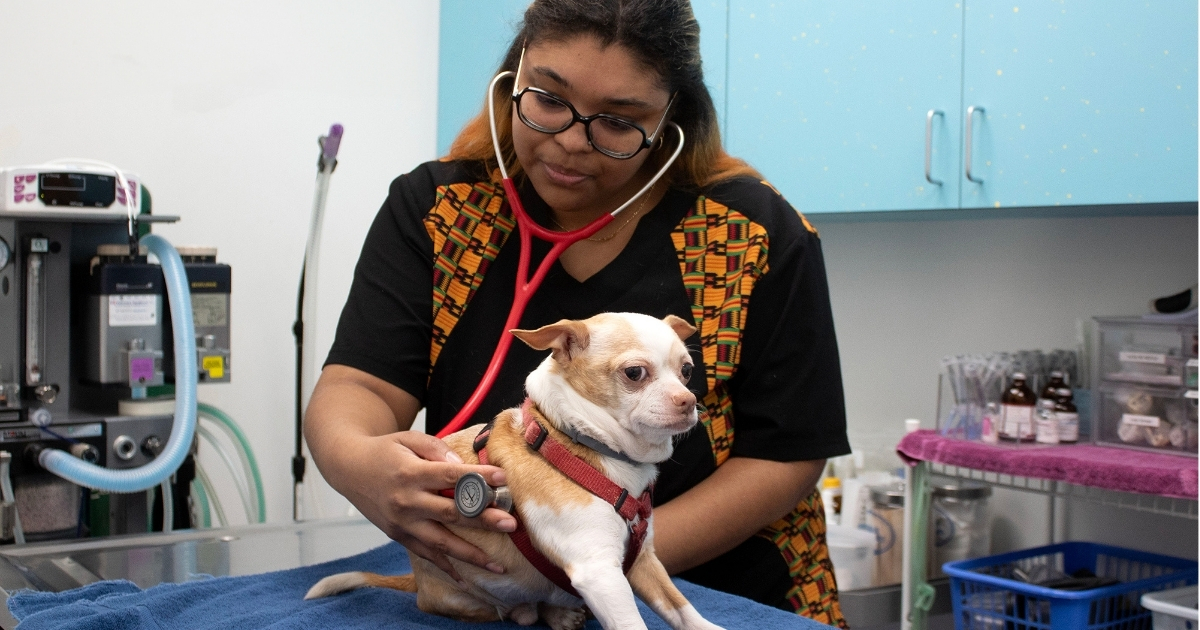

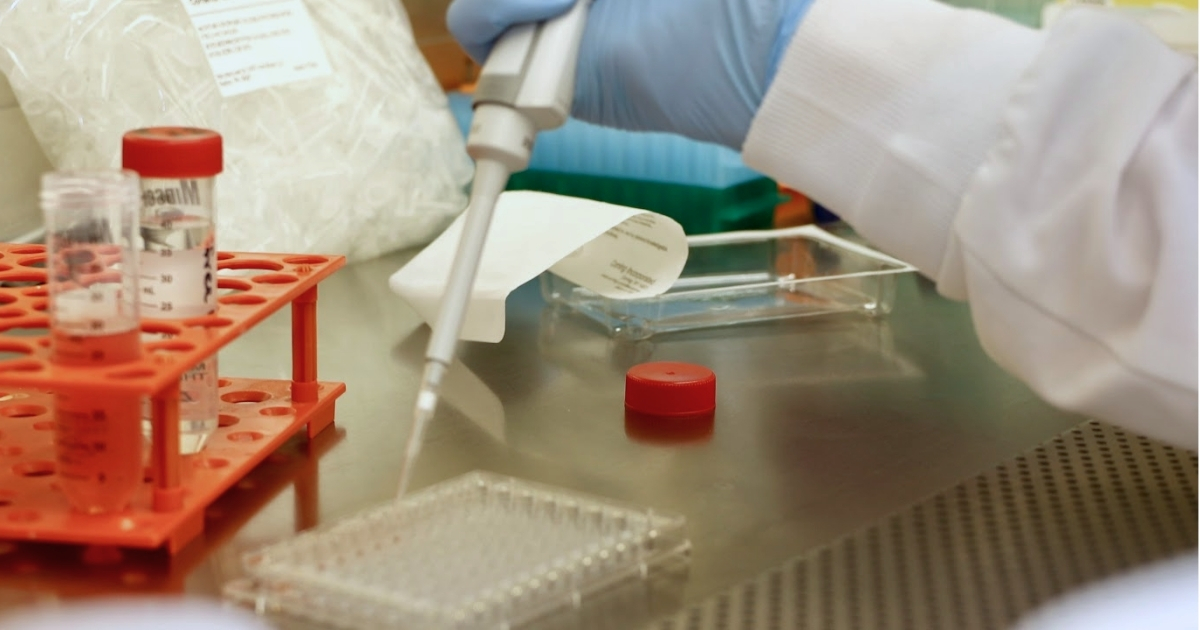
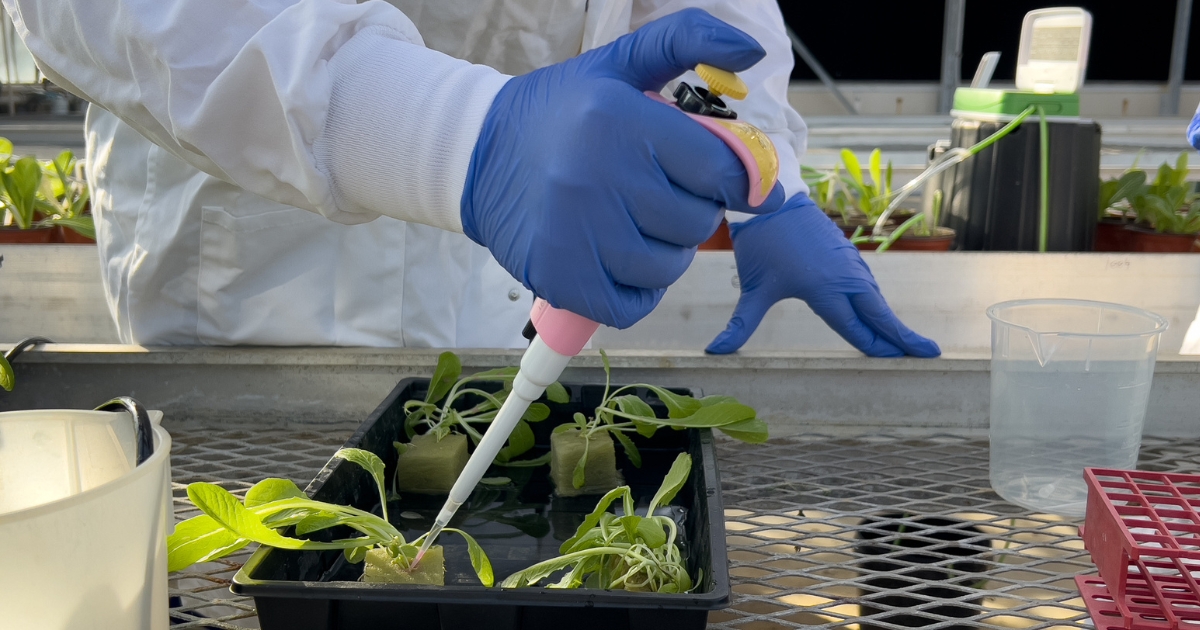
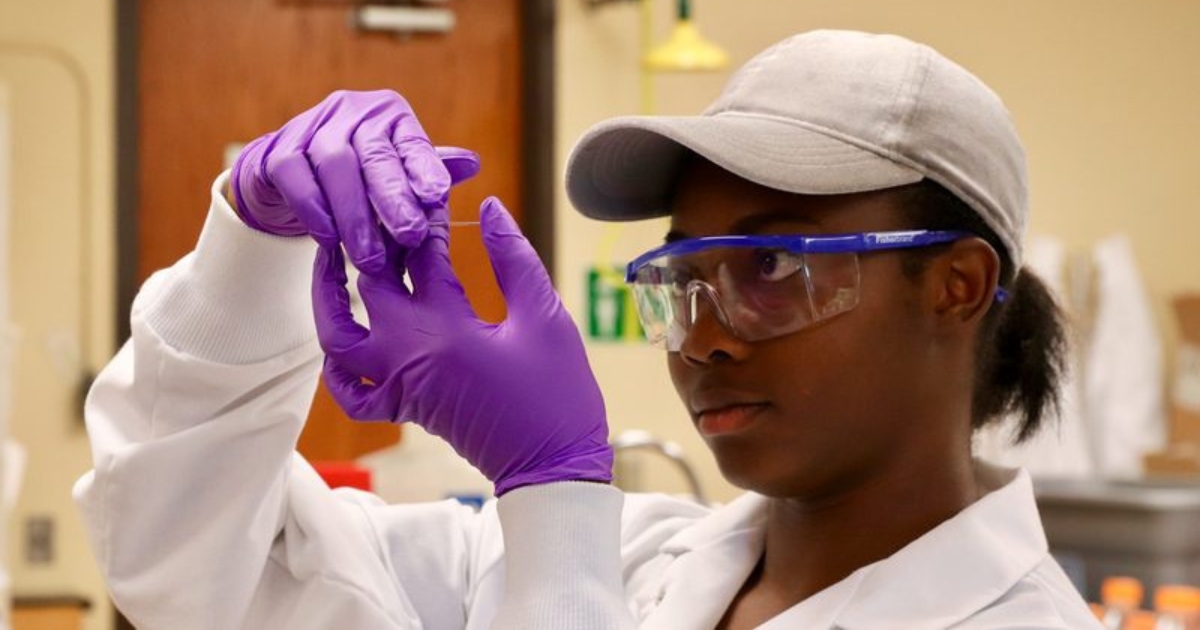
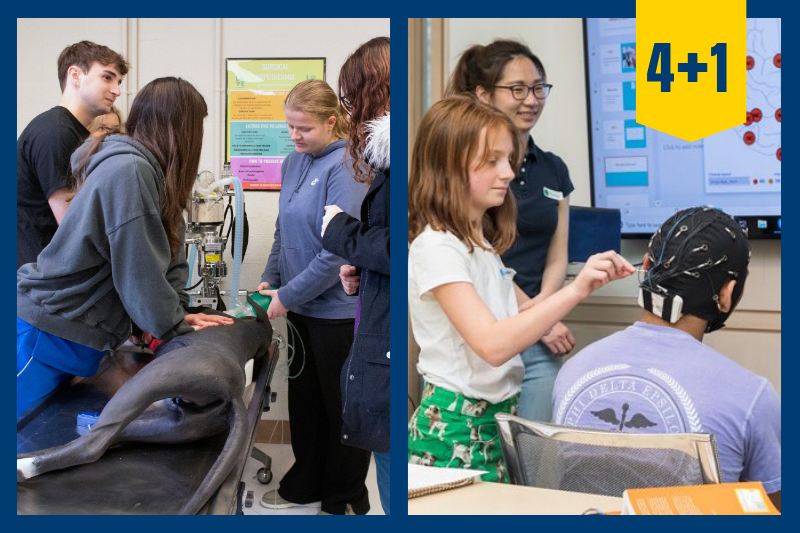
Animal and Food Sciences 4+1 Programs
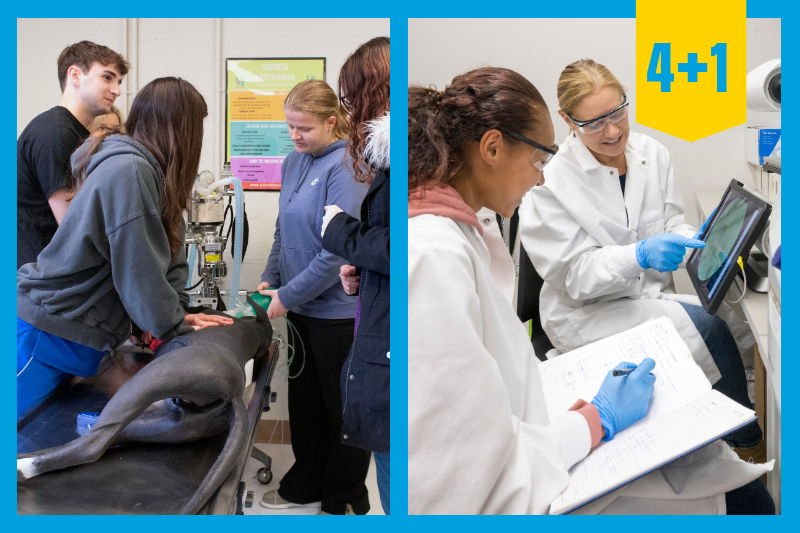
Bachelor's + Animal Health
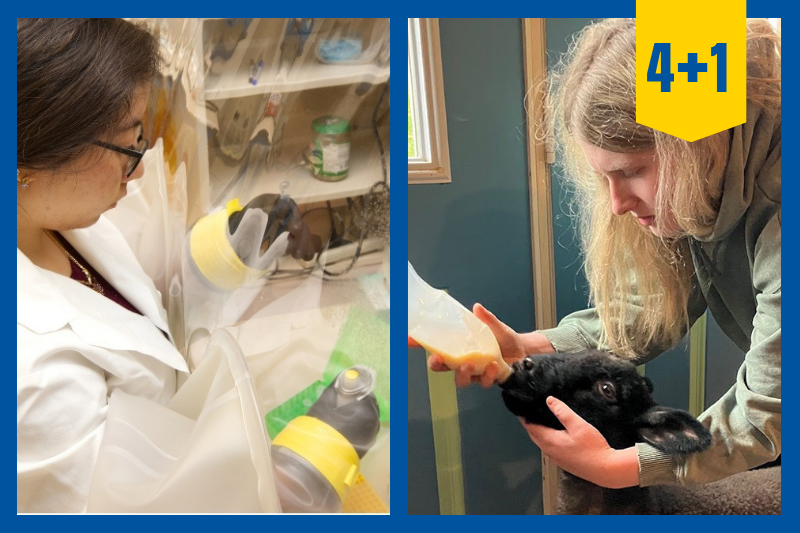
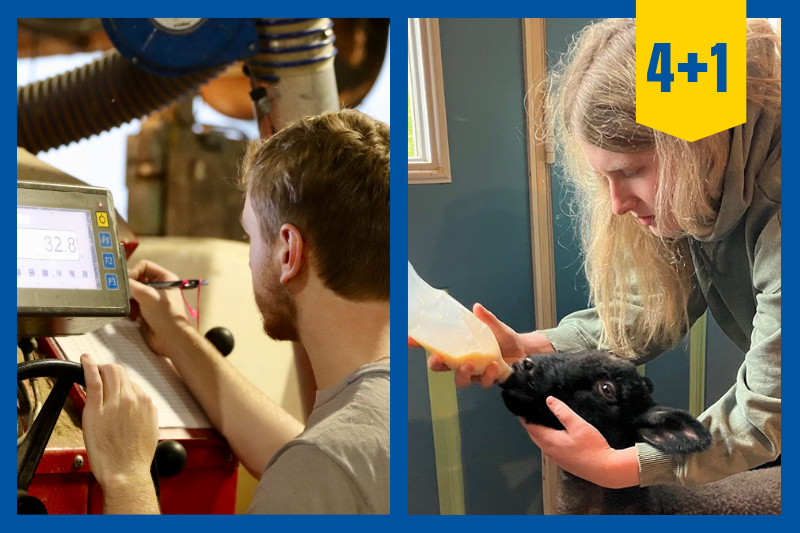
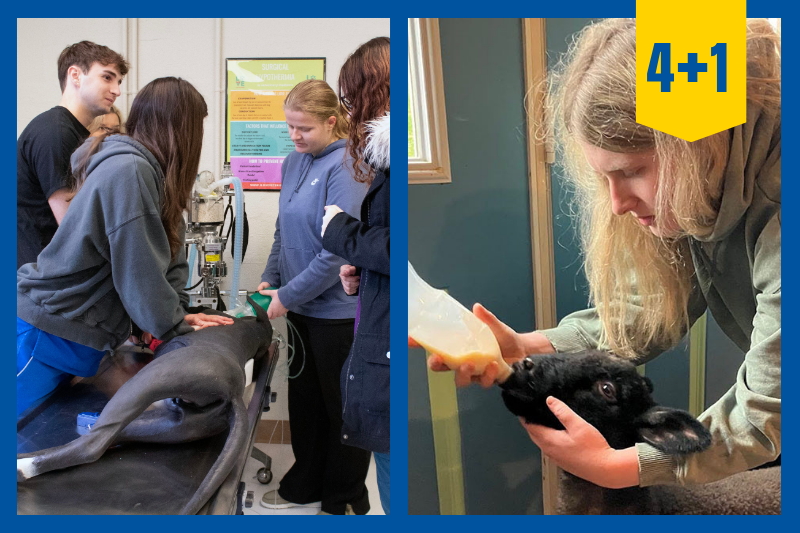
Bachelor's + Applied Animal Science
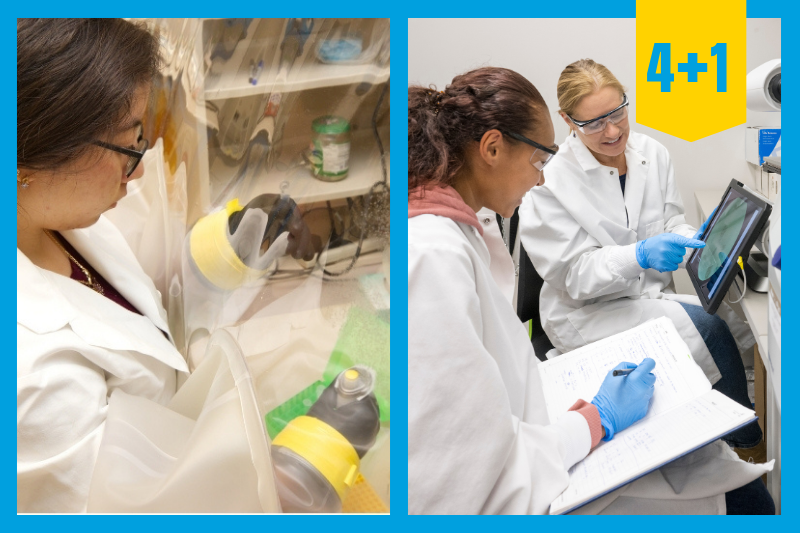
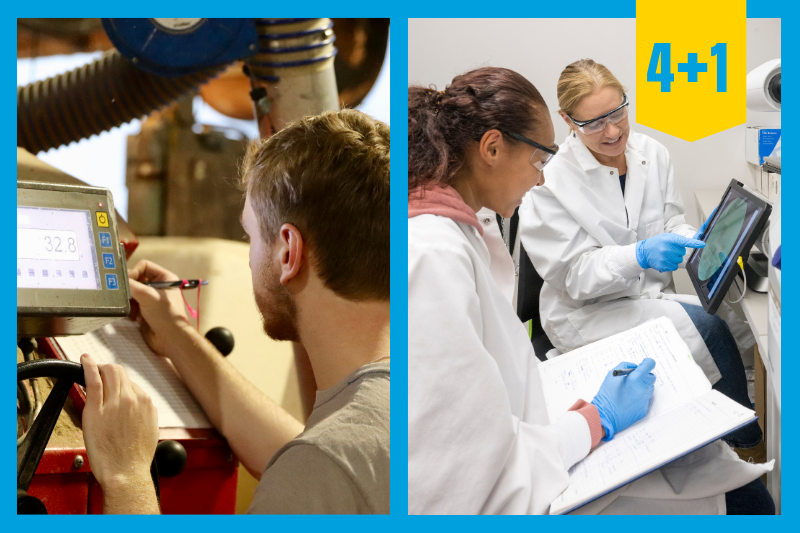
Bachelor's + Secondary STEM Education
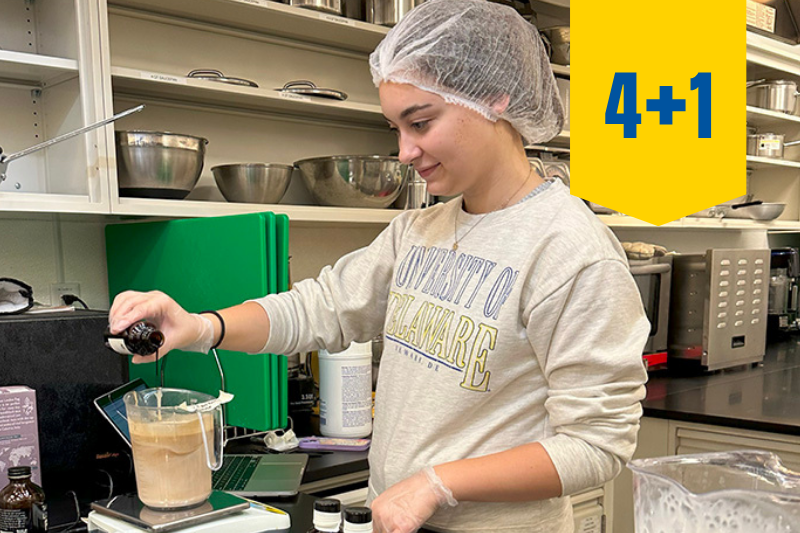
Food Science + Food Technology




Applied Economics and Statistics 4+1 Programs

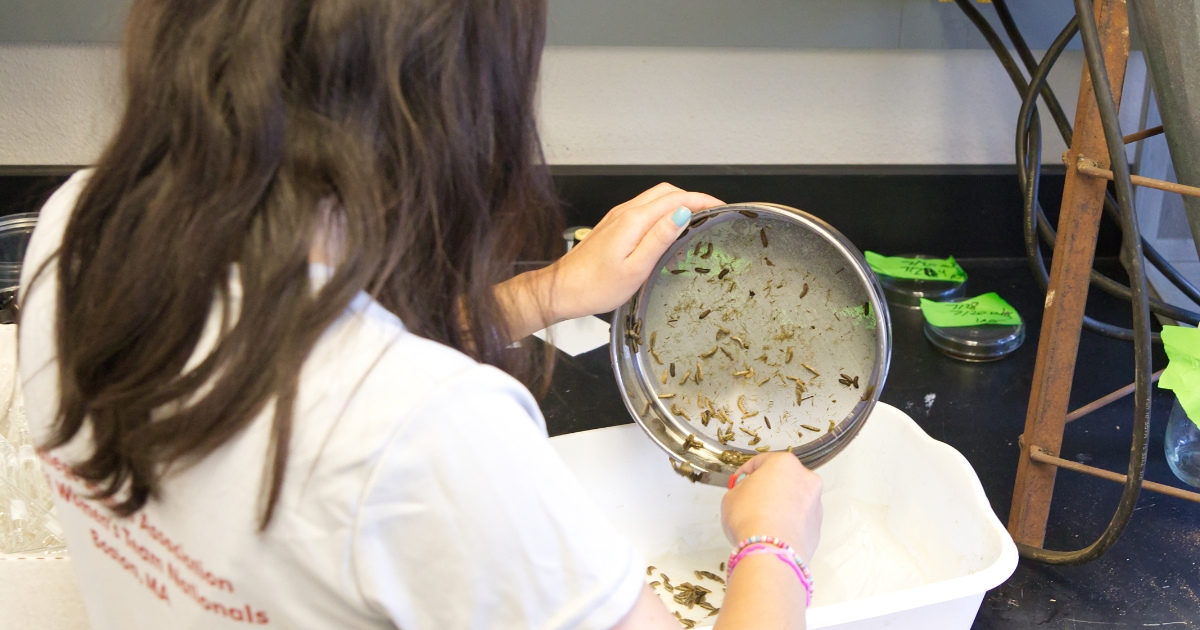
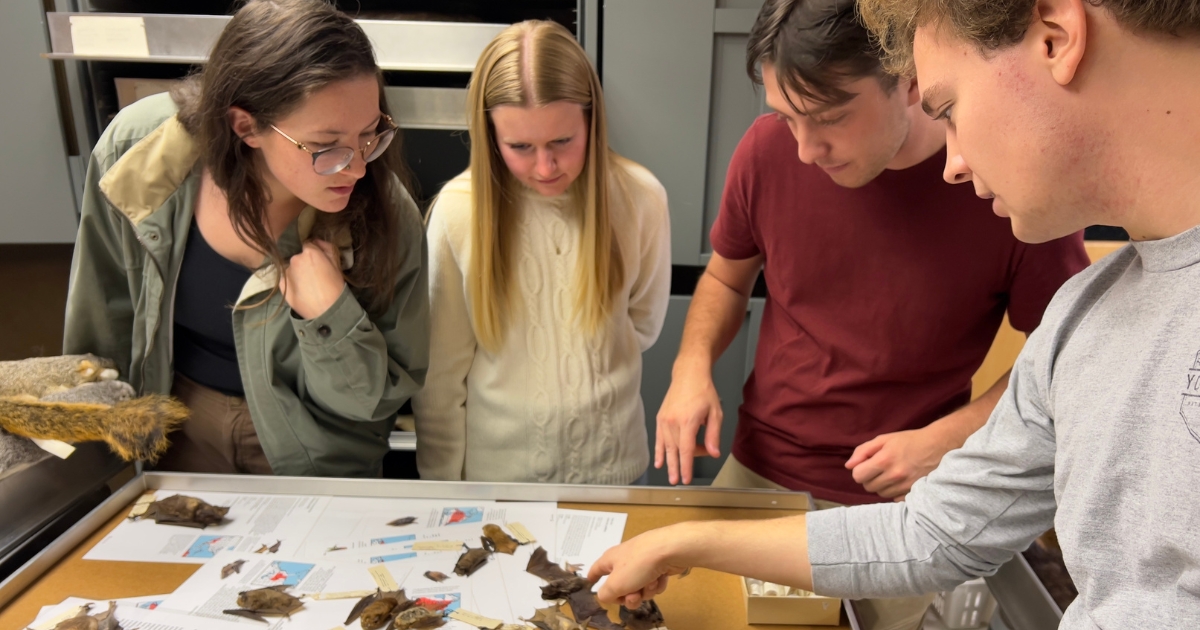
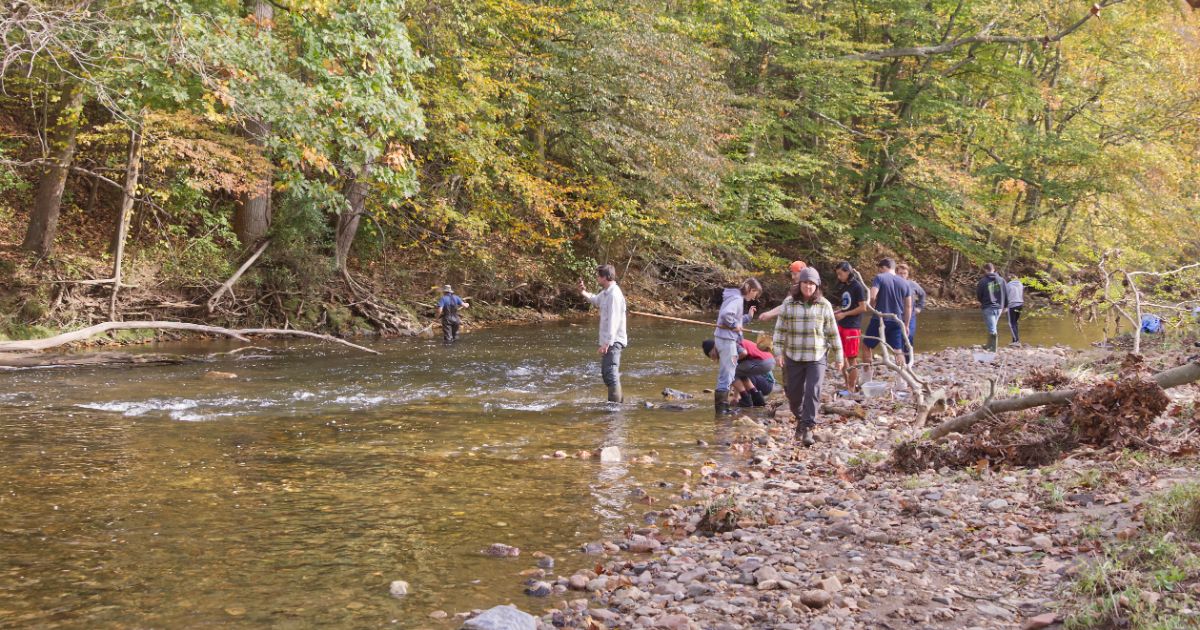
Entomology & Wildlife Ecology 4+1 Programs
DESIGNED FOR DISCOVERY
-
Graduate Programs | College of Agriculture and Natural Resources 
-
Graduate Programs | College of Agriculture and Natural Resources 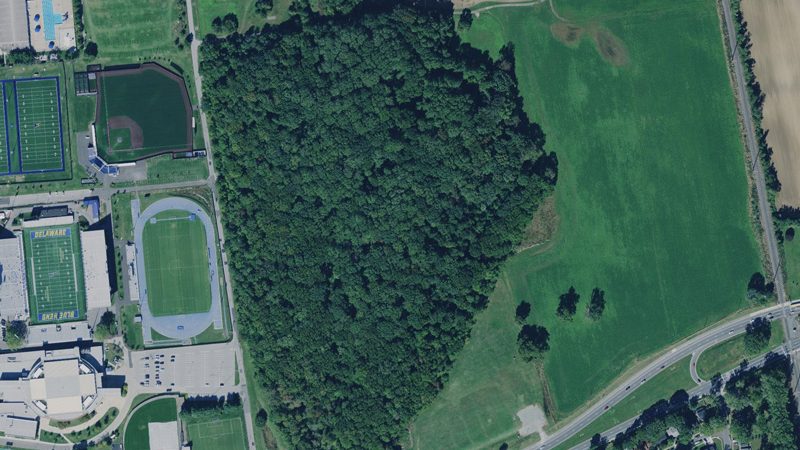
-
Graduate Programs | College of Agriculture and Natural Resources 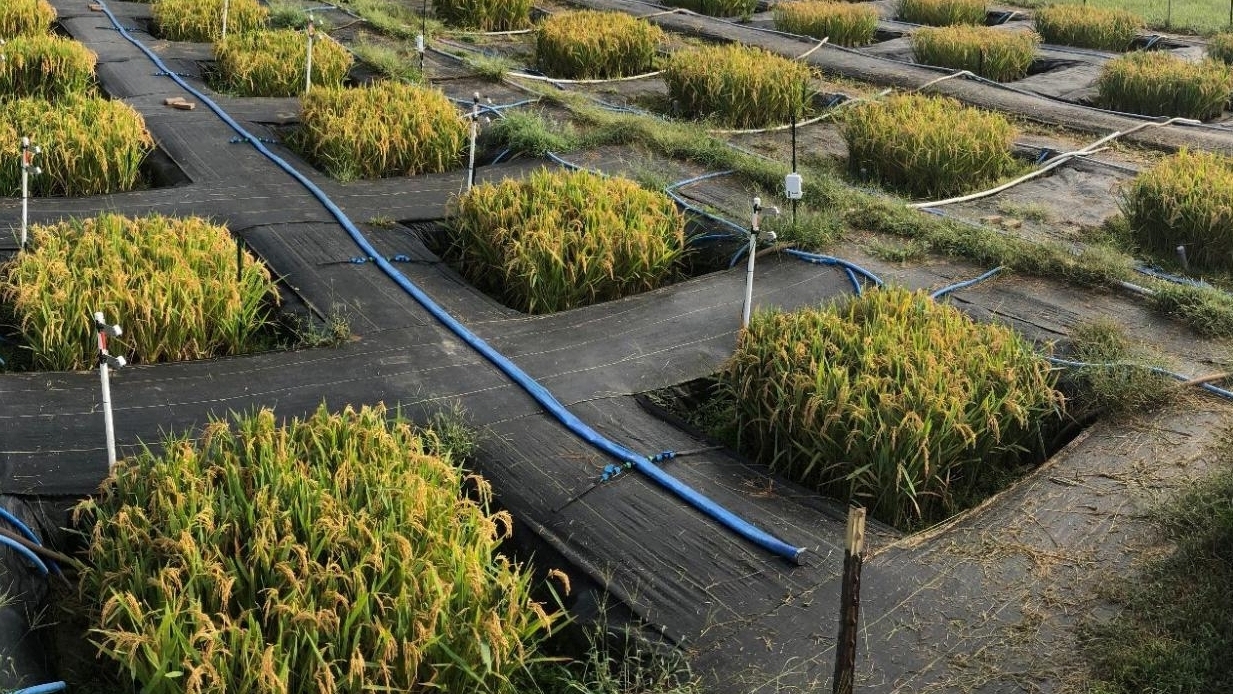
-
Graduate Programs | College of Agriculture and Natural Resources 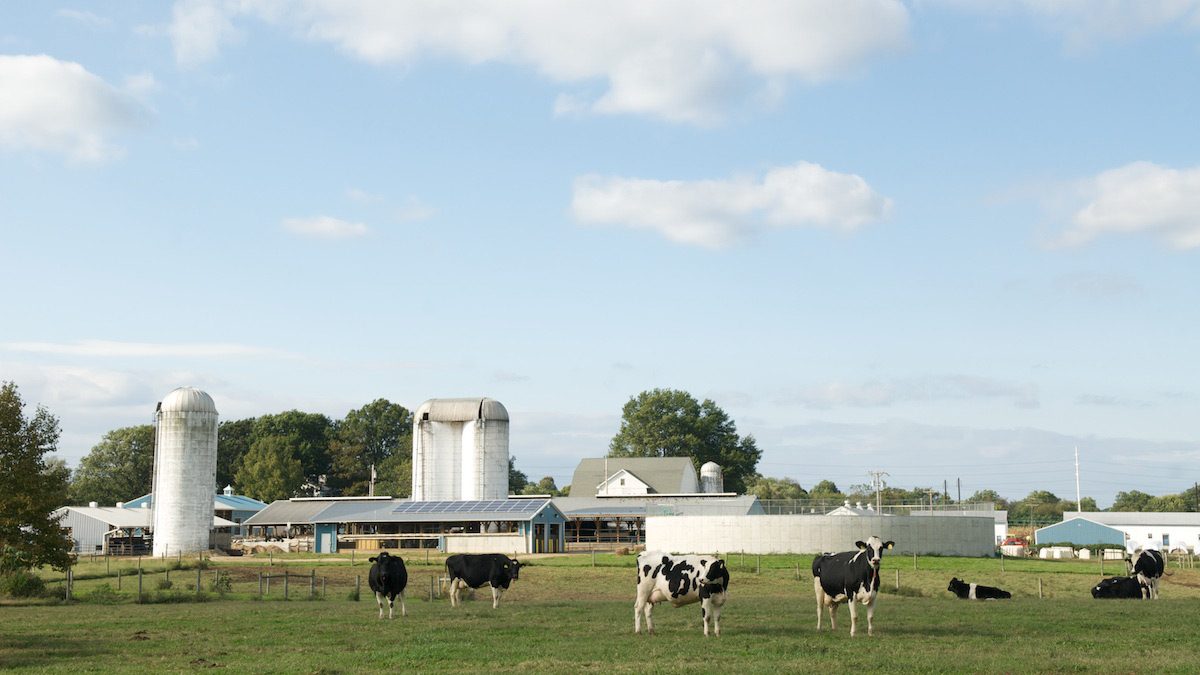
-
Graduate Programs | College of Agriculture and Natural Resources 
-
Graduate Programs | College of Agriculture and Natural Resources 
-
Graduate Programs | College of Agriculture and Natural Resources 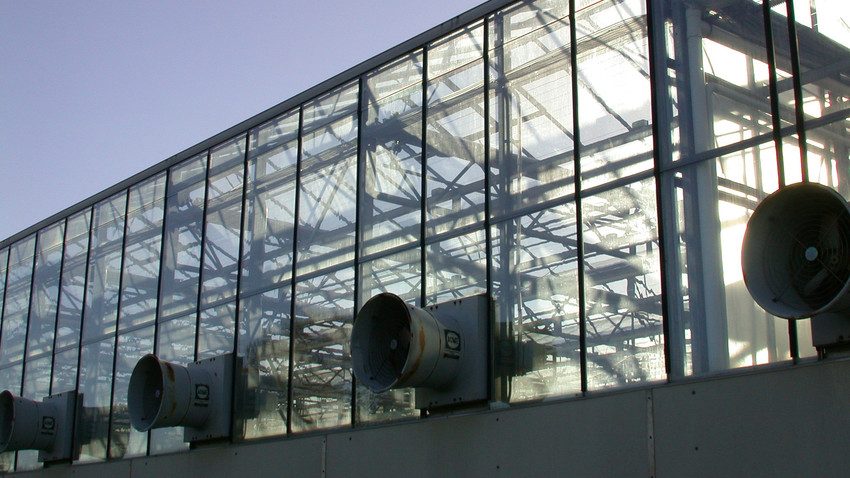
-
Graduate Programs | College of Agriculture and Natural Resources 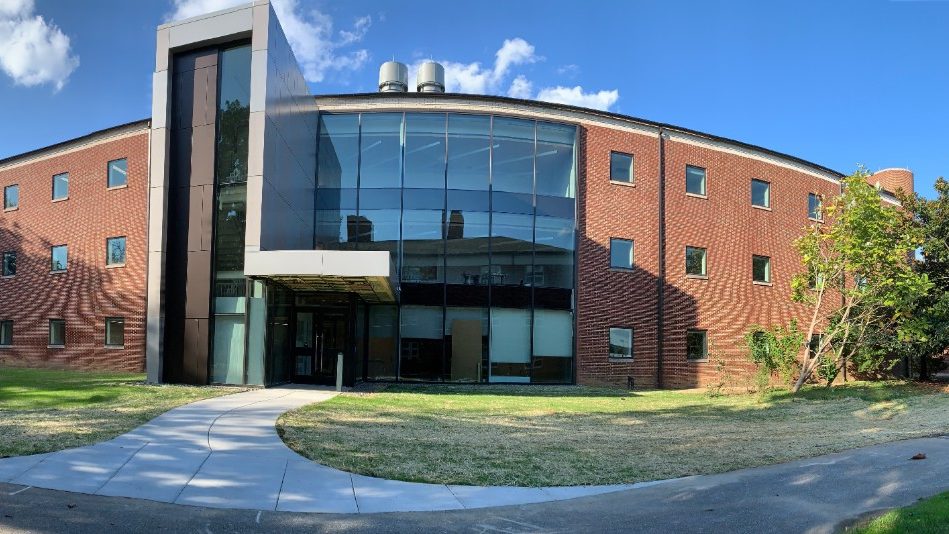
-
Graduate Programs | College of Agriculture and Natural Resources 
-
-
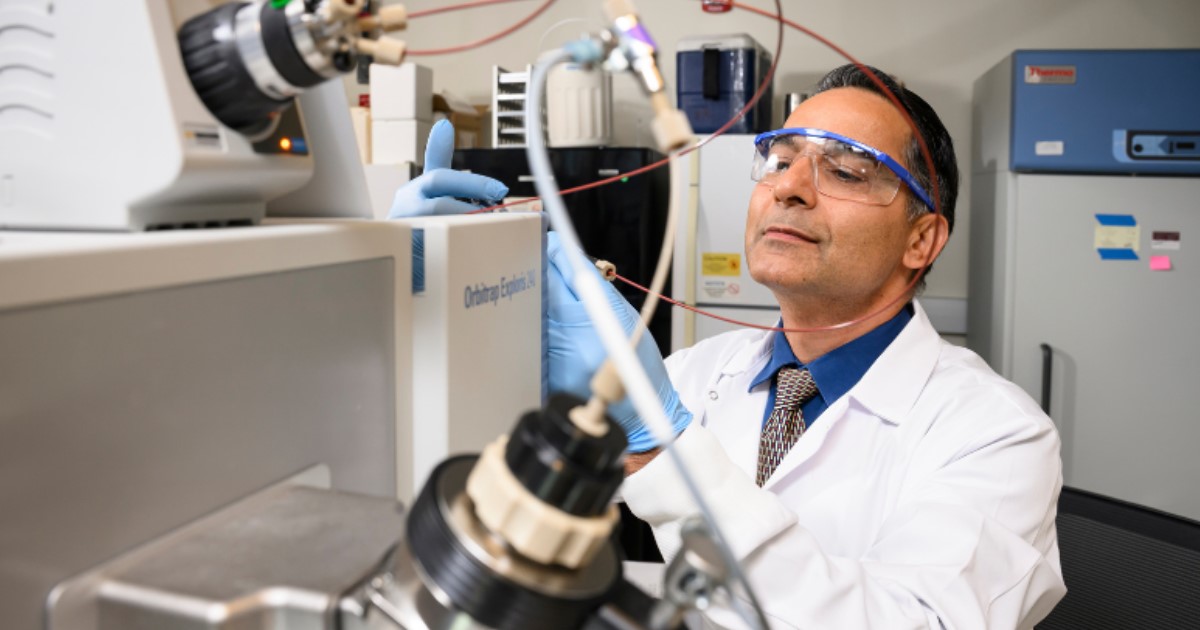
Phosphorus detective
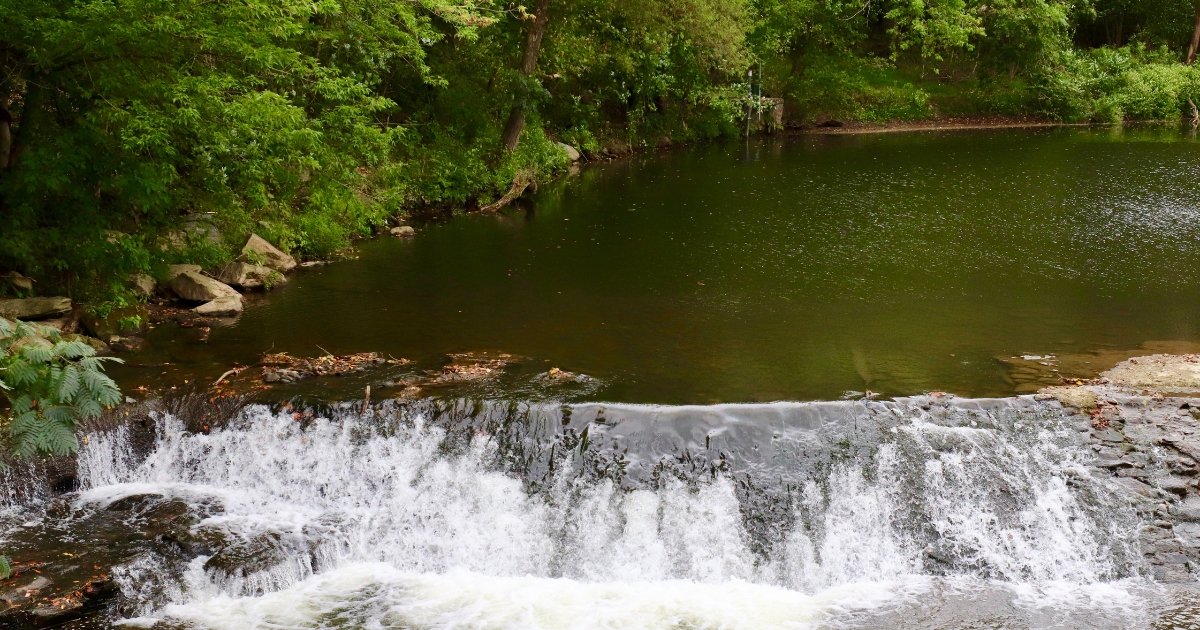
July 16, 2026 | Written by Katie Peikes | Photos by Kathy F. Atkinson and courtesy of Deb JaisiPhosphorus gives plants their daily nutritional needs. But whatever phosphorus a plant can’t consume creeps into waterways and speeds up algae growth that can kill fish and aquatic plants. Fascinated by these properties, University of Delaware professor of Environmental Biogeochemistry Deb Jaisi has dedicated his academic career to exploring phosphorus and its presence in the environment. His innovative research has unlocked new ways to pinpoint where the phosphorus causing environmental damage is coming from. -
UD team builds living shoreline in Lewes
April 03, 2026 | Written by Bill Shull | Cape GazetteUniversity of Delaware researchers, including landscape architect and Ph.D. student Leigh Muldrow, have built a living shoreline to protect the Lewes boat basin from erosion caused by rising sea levels. The 400-foot-long living shoreline will eventually become a haven for fish and a destination for recreational fishing. -
Early Bloomer
March 10, 2026 | Written by Molly Schafer | Photos by Katie Young and Molly Schafer and courtesy of Joseph RomanoHonors plant science major Joseph Romano takes full advantage of UD’s undergraduate research opportunities. Romano studies the interaction between the fungus-like pathogen Pythium and maize plants with Qi Mu, assistant professor of molecular plant breeding and genomics. Romano joined Mu's lab during his first semester at UD.