
Home
Office of the Provost
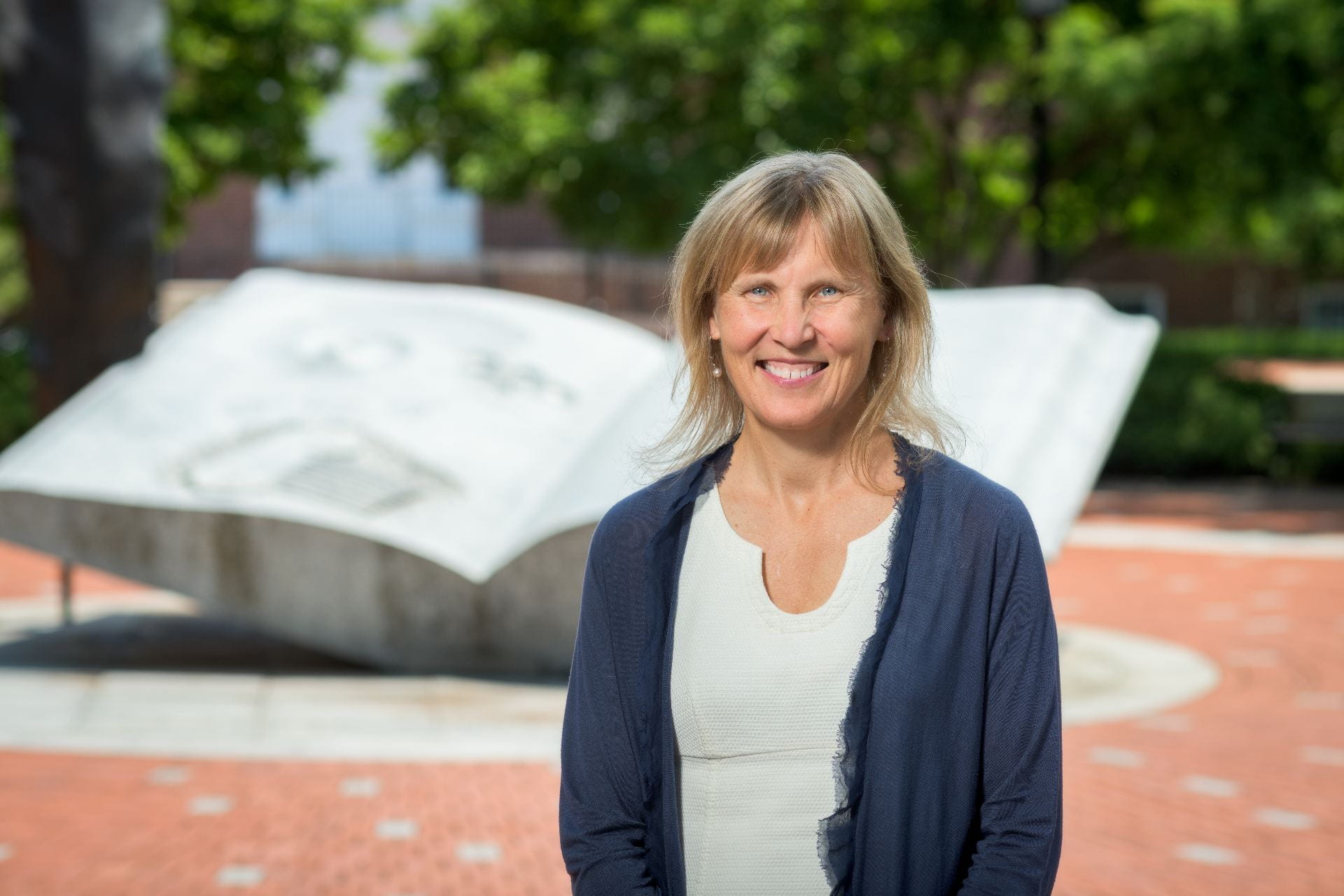
Dr. Laura A. Carlson is the University of Delaware’s provost. As the University’s chief academic officer, the provost is responsible for the administration of all programs of instruction, research and service and for facilitating the success of the University’s faculty and students.
Reporting to the provost are the deans of the ten colleges, the vice provost for faculty affairs, vice provost for academic programs and university initiatives, interim vice provost for undergraduate education, vice provost for libraries, museums and press and university librarian, vice provost and dean for the graduate school, vice president of enrollment management, and chief of staff.
For more information about Provost Laura Carlson, please visit her page.
Provost’s speaking and/or appearance requests may be submitted via email to Aundrea DeVuono-Young at aundreay@udel.edu
Open Hours with the Provost
During the fall and spring semesters, Provost Laura Carlson holds monthly open hours to meet one-on-one with interested students, faculty and staff. Interested individuals can sign up for a 15-minute session with the provost to share what is on your mind and learn about her vision for the University’s future.
Please click this link to register.
Provost’s Monthly Digest
I am pleased to share our Monthly Digest that offers a round-up of initiatives, updates, and upcoming events from the various units in the Office of the Provost, all compiled in one place.
Leadership Opportunities
Updates regarding our latest leadership opportunities can be located here.


