
|
|
|
|
|
|
|
|
||||
|
|
|
Biobased UD circuit board exhibited in London
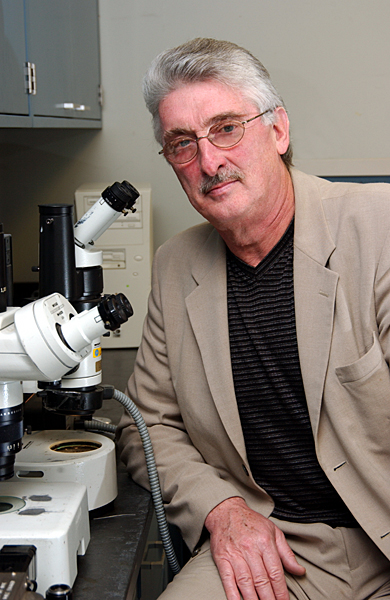
The title of the exhibition is Dead Ringers, and it will be on view in Antenna, the science and technology gallery of the Science Museum. Mingjiang Zhan, a UD doctoral student in chemical engineering, developed the printed circuit board materials on exhibit as part of a collaborative effort with Intel Corp. Zhan is studying with Richard Wool, UD professor of chemical engineering who directs the Affordable Composites from Renewable Sources (ACRES) program on campus. The research is funded is a U.S. Department of Agriculture National Research Initiative grant. "With the demise of the oil business in about 25 years and the ever increasing utilization of electronic materials, it makes excellent green engineering sense to pursue new materials that are derived from renewable resources,” Wool said. “The biobased materials are derived from renewable plant and animal feedstock, which use carbon dioxide from the air and help minimize global warming, as compared to petroleum feedstock." Wool noted that the materials used in the printed circuit board, soybeans and chicken feathers, are bountiful in Delaware. Also on display is an NEC phone with a biodegradable cover, currently only available in Japan, and a prototype phone cover with an implanted sunflower seed. As the sunflower grows, it gets additional nutrients from the biodegrading phone cover. This unique design, yet to hit the shelves, should give you the option to simply bury your used phone cover in your garden, thanks to researchers from Warwick University and materials company PVAXX. Other prototypes on view are the only lasagna-based circuit board in the world, and an exploded phone showing how new smart metals will help phones take themselves apart for recycling. Further inventive design ideas covered in the exhibition include new and biodegradable battery designs and design innovations from Nokia that may reduce the need for toxic flame retardants, aiding easier recycling of mobile-derived plastics. Article by Neil Thomas |
|
|