

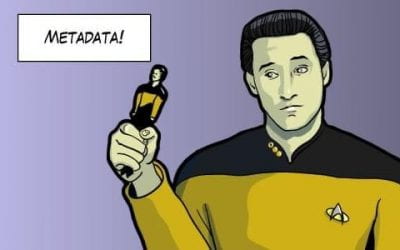
Lets Get Meta
What is metadata? Put simply metadata is data about data. It is underlying data that provides context and describes a subject such as a car being a sedan, all-wheel drive, or colored red. Metadata is not only one of the most important parts of archiving in today’s...
Mission
University Archives and Records Management (UARM) is the official repository for University of Delaware records that hold historical, legal, fiscal, or administrative value. The primary mission of UARM is to identify, acquire, preserve, arrange, describe, and provide access to records that document the history of the University of Delaware, its constituent organizational units, its predecessor institutions, and the activities of its officers, faculty, employees, students, and alumni, and to support the administrative, business, and operational needs of the University with regards to the management, use, and disposition of its records. To achieve those ends, UARM is comprised of two distinct yet complementary programs: the Archives Program and the Records Management Program.
The purpose of the Archives Program is to manage, safeguard, and preserve collections of historical records and objects pertaining to the history of the University of Delaware and its predecessor institutions, to provide access to those collections for researchers from within and outside of the University, and to disseminate knowledge about the history of the University and its predecessor institutions.
The purpose of the Records Management Program is to establish procedures and guidelines for the management and disposition of the University’s records by individual units, departments, and offices, to create – in cooperation with University units, departments, and offices – retention schedules for use in managing the University’s records, to identify vital records necessary for the continuous operation of the University or the recovery of operations in the event of an emergency, to audit and measure compliance with records retention schedules, policy, and procedures by University units, departments, and offices, to administer and coordinate physical records storage and destruction activities, and to administer and coordinate digital records management activities.

Women’s Studies Comes to Delaware
During the late 1960s, the University of Delaware entered a period of important change. The spirit of social unrest that was sweeping the nation came to Newark, bringing with it movements to create equality for those at the margins of American life. As change swept...