




Spring Support Fair
Join the Blue Hens CARE Peer Educators for cornhole, prizes and more at the Spring Support Fair on the Central Green.
Wednesday, April 24, 12–2 p.m.

Student Wellbeing
For your health, wellness and lifelong success

Student Wellness & Health Promotion Learning Hours
Join us for a presentation on Thursday, May 2 on alcohol intervention programs for students

Destress Fest
Friday, May 17 | 4–6 p.m. | South Green
Celebrate the end of the year with live music, free pizza, UDairy ice cream, crafts, puppies, giveaways and more!
Student Wellbeing
Welcome to the Wellbeing Neighborhood at UD!
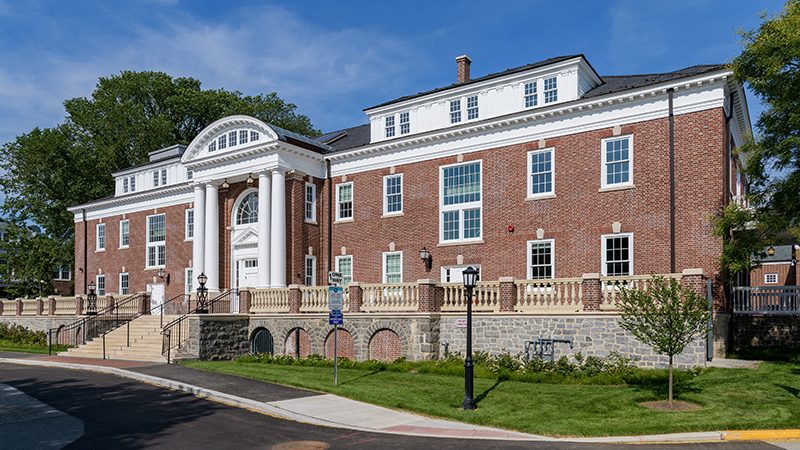
Our three wellbeing units—Student Health Services (SHS), Student Wellness and Health Promotion (SWHP) and the Center for Counseling and Student Development (CCSD)—are here to help you thrive both mentally and physically in your time as a Blue Hen and beyond. Come visit us on the South Green for all of your wellness needs!
Services Available 24/7
The following services operate 24 hours a day, all year long — even when the University is closed. If you think you may benefit from talking with someone, please consider trying one of these services that are covered by your Student Wellbeing Fee:
- TimelyCare – Talk Now 24/7 mental health support via telehealth
- UD Helpline:
- Victim support, 302-831-1001, Option 1
- Mental health support, 302-831-1001, Option 2
- Highmark Nurse Line: 888-258-3428
- In an emergency, always dial 911.
Talk. Test. Treat. Know your STI status
April 1–26, 2024 (Monday–Friday, 8:45 a.m.–5 p.m.)
Student Health Services, Laurel Hall, 282 The Green
As part of STI Awareness Month in April, no-cost STI screening is expanded to all UD students, full-time and part-time, in any program. Free STI screening is offered for gonorrhea, chlamydia, syphilis and HIV.
There is no cost for UD students for STI screening through the Talk. Test. Treat. program. There may be additional costs for prescriptions or subsequent visits, if necessary.
Schedule STI screening through the UD Health Portal or call SHS at 302-831-2226, Option 2 to schedule and appointment.
Access the UD Health Portal, where you can manage your health profile and securely send documentation and messages.
Services
Student Health Services











Center for Counseling and Student Development





Student Wellness and Health Promotion




COVID-19 Information


Latest News
-
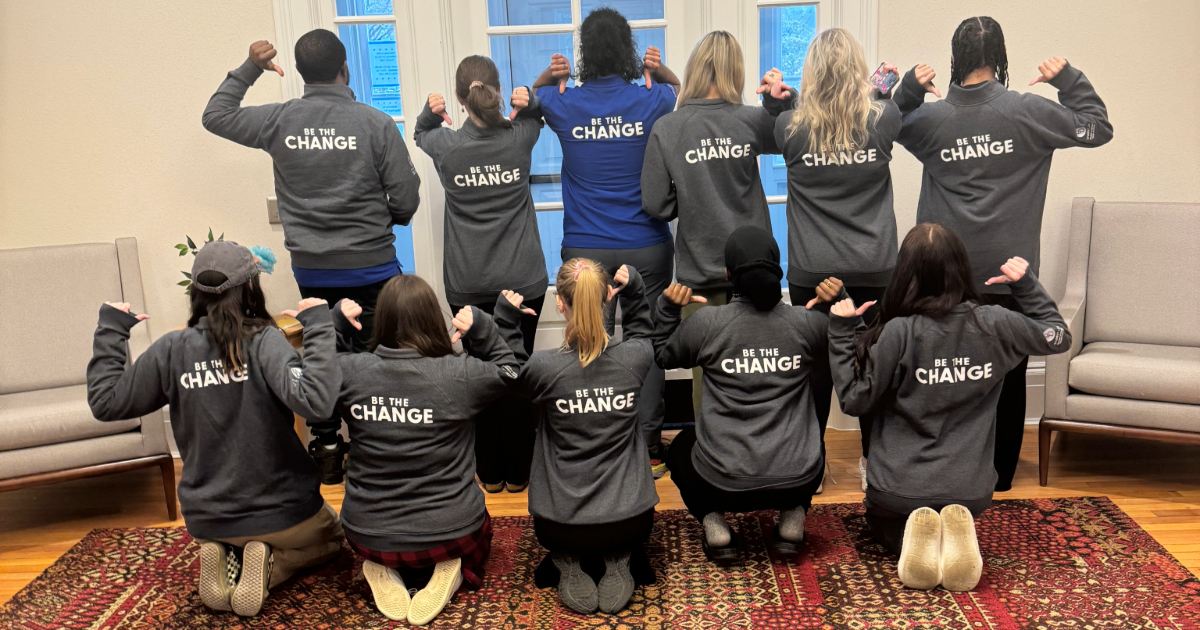
How Students Can “Be the Change” Through Bystander Intervention
April 01, 2024 | Written by Jessica Downey -
10 Questions About STI Testing
March 26, 2024 | Written by Jessica Downey -
Beyond the Table: National Nutrition Month
March 18, 2024 | Written by Jessica Downey -
Sweet Dreams: 6 Questions About Sleep for College Students
March 05, 2024 | Written by Jessica Downey