



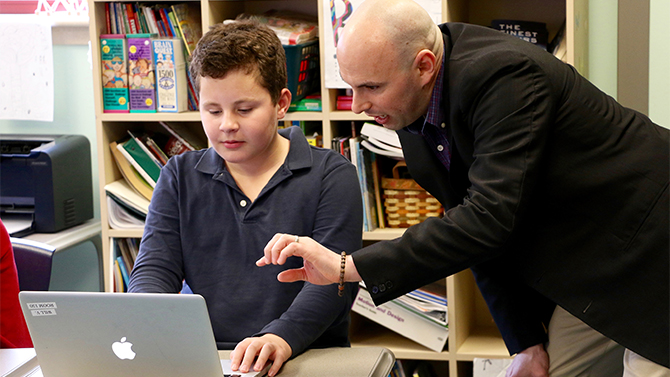
“The great mentors in the School of Education, especially the coaching during my student teaching, were really integral in helping me think about what my career trajectory would look like if I left the classroom and what some of my options were. My time at UD helped me think through a variety of roles that an elementary educator can take on.
Monica Burns, 2007 Elementary Teacher Education alumnaSchool of Education
Our Mission
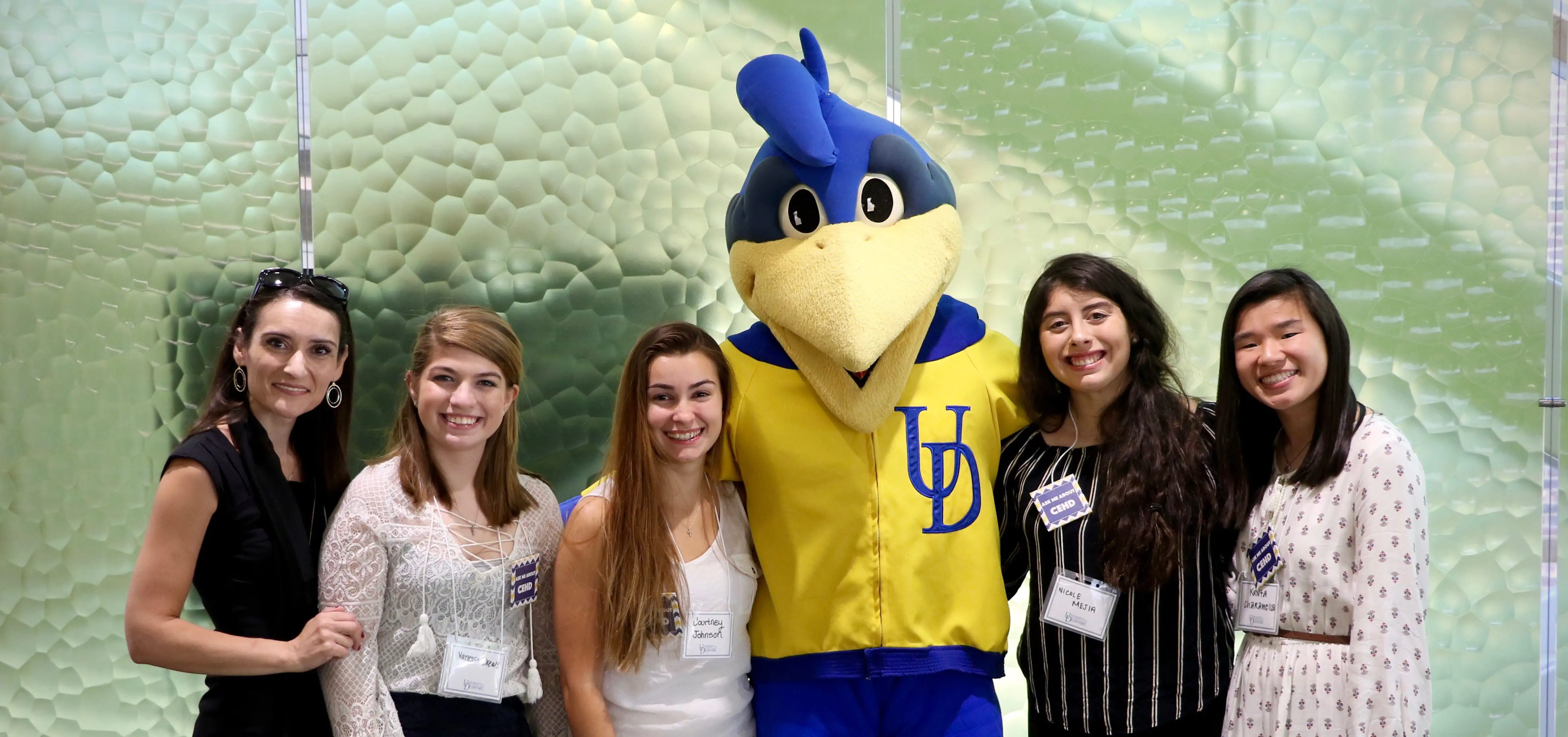
With over 60 faculty members, the School of Education provides innovative and nationally-recognized teacher preparation and graduate programs that position its alumni to be leaders in the field of education. Through groundbreaking research, collaborative partnerships, and extensive field experiences in real-world settings, our programs prepare graduates to address critical educational issues and serve children, families, and their communities.
Great Mentors
Latest News
Reducing Anxiety in Elementary School Students
According to the U.S. Department of Health and Human Services, nearly 12% of children and adolescents between the ages of 3 and 17 experience an
READ MORE ››
Research Spotlight: Amanda Jansen
If your high schooler has ever complained about their math homework—wondering when they’ll ever need the pythagorean theorem after graduation—they are not alone. Research in
READ MORE ››
Ready to Make a Difference
Back when he was a fledgling pharmacist, John Oluwadero learned all about the power of medicine to help people. Later in life, as a youth
READ MORE ››
Rising Educators
For the first time, the University of Delaware College of Education and Human Development (CEHD) hosted the Delaware Educators Rising education conference for middle school, high school
READ MORE ››